
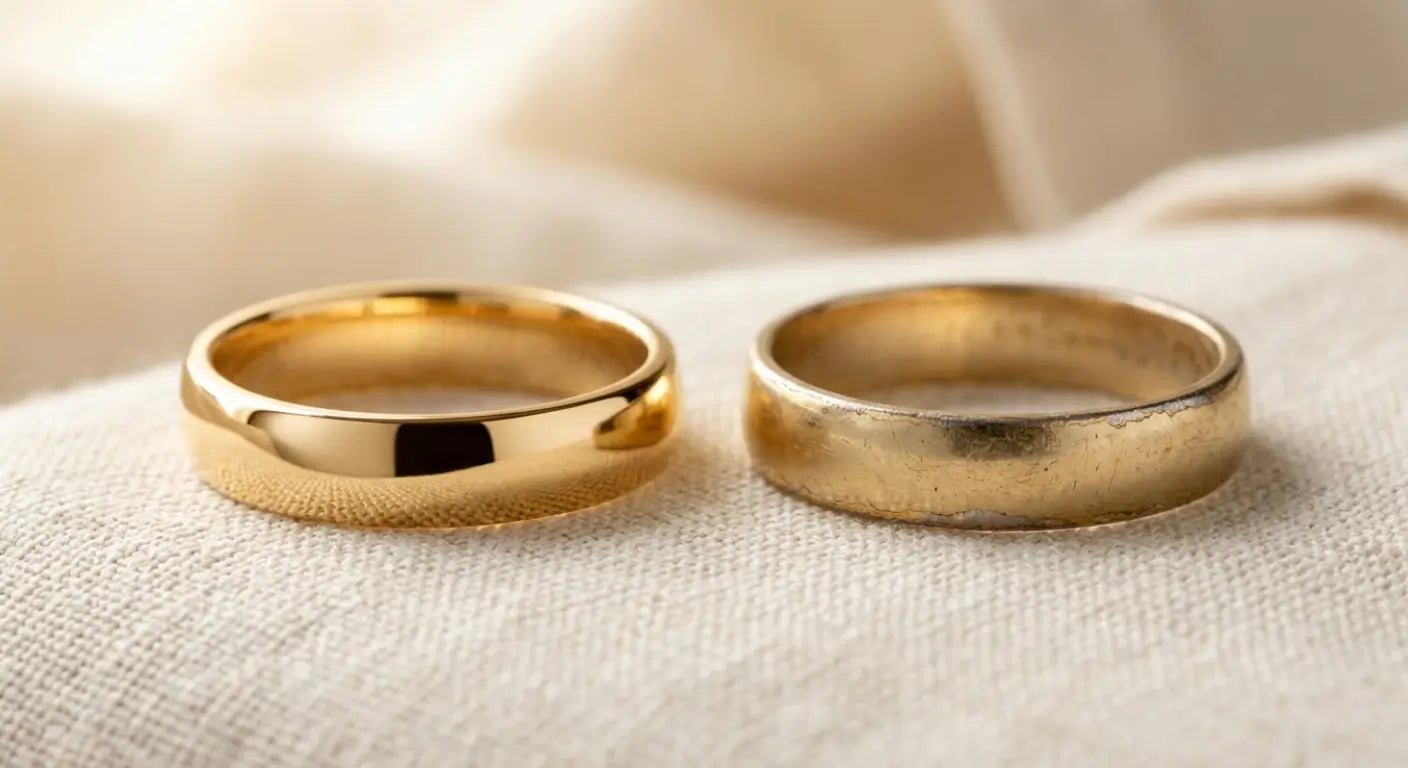
You're comparing two gold necklaces. They look nearly identical, but one costs a fraction of the other. The cheaper one is labeled "gold vermeil," the pricier one "solid 14K gold." If you've ever wondered whether vermeil is just a fancy word for the same thing — it isn't. The difference is real, it affects how long the piece lasts, and it changes what your money is actually buying.
So, is gold vermeil real gold? Yes, but only as a layer on sterling silver. Here's a clear, side-by-side breakdown of gold vermeil vs. solid gold, so you know what you're getting either way.
- Vermeil is real gold, at least 10K and 2.5 microns thick, over sterling silver.
- The gold layer wears with friction. Once it thins, the silver underneath can dull.
- Solid gold is the same metal all the way through, so there is nothing to wear off.
Article Contents
What Is Gold Vermeil?
Gold vermeil (pronounced "ver-MAY") is sterling silver coated with a layer of gold. The base is real 925 sterling silver — itself a precious metal — and a layer of gold is plated over the top. In the US, for a piece to legally be called vermeil, the gold layer must be at least 10K purity and at least 2.5 microns thick.
That makes vermeil a clear step above ordinary gold plating (which uses a cheap base metal like brass). But the key word is still layer — the gold is a coating on the surface, not the substance of the whole piece.
So is gold vermeil real gold? Yes. The layer on top is genuine gold, not a gold-tone alloy, which is why the karat and thickness rules exist before a piece can legally use the word "vermeil."
What Is Solid Gold?
Solid gold means the entire piece is a gold alloy all the way through — no base-metal core, no coating. Solid 14K gold, for example, is 58.3% pure gold blended with durable metals like copper, silver, and zinc, and that same composition runs through every part of the piece.

Because there's no layer to wear off, solid gold's color is permanent. Scratch it, polish it, wear it for fifty years — it's still gold underneath, because it's gold everywhere.
Side-by-Side Comparison
| Feature | Gold Vermeil | Solid 14K Gold |
|---|---|---|
| Composition | Gold layer over sterling silver | Gold alloy throughout |
| Gold layer thickness | ≥ 2.5 microns (surface only) | Solid — no layer |
| Wears off over time | Yes | No |
| Tarnish risk | Possible once the gold layer thins | None — no silver base |
| Water/sweat resistance | Limited | Excellent |
| Price | Lower upfront | Higher upfront, lasts for life |
How Long Does Each Last?
This is where the difference becomes obvious over time. Vermeil typically holds its gold finish for a year or two with everyday wear — sometimes less on high-contact pieces like rings, sometimes longer on earrings or pendants that aren't rubbed constantly. Once the gold layer wears thin, the silver shows through and the piece needs re-plating to look new again.
Solid gold has no finish to lose. It will look essentially the same in decades as it does today, aside from minor surface scratches that polish right out.
Does Gold Vermeil Tarnish?
Yes, gold vermeil can tarnish — but not the way people expect. The gold layer itself doesn't tarnish. The sterling silver underneath can, especially once the gold thins from wear.
Silver reacts with air, sweat, and everyday lotions over time. While the gold coating is intact, it shields the silver and the piece keeps its shine. Once a wear point thins out, that spot can dull or darken faster than the rest.
This is different from asking does gold vermeil wear off. Wearing off is the gold layer thinning from friction. Tarnishing is the silver reacting once it's exposed. The two usually show up together: thin spots wear first, and tarnish follows.
Keeping vermeil dry after showering, swimming, or the gym slows both problems. Solid 14K gold skips this issue entirely — there's no silver base to react, so nothing under the surface can tarnish. For more on what causes gold jewelry to dull over time, see our guide on why gold jewelry fades.
How to Tell Them Apart
The stamp is the fastest tell:
- 925 (often with a gold color) → vermeil — silver base under gold
- 14K, 14KT, or 585 (the metric fineness mark — at least 58.5% gold; 14K itself is 14 parts in 24, or 58.3%) → 14K gold
- 18K or 750 → 18K gold
Beyond the stamp, watch the wear points. On vermeil, the gold often thins first on a ring's underside or a clasp's edges, revealing a cooler, silvery tone underneath. Solid gold stays the same color everywhere — there's nothing underneath to reveal.

Purity adds one more wrinkle to a gold vermeil vs gold comparison: some vermeil uses an 18K gold layer instead of 14K, over that same sterling silver base. Is 18K gold vermeil real gold in the same way? Yes — a higher karat layer is still a layer. The silver core underneath doesn't change, so it wears and tarnishes the same way a 14K vermeil piece does.
When you shop, check the product page. Honest vermeil listings state the karat of the gold layer and its thickness in microns. If a listing only says "gold tone" or "gold plated" with no numbers, treat it as ordinary plating.
See our full guide on how to tell real gold from fake for more ways to check any piece you already own.
How to Make Vermeil Last
Vermeil lasts longest when you limit friction and moisture. A few habits make a real difference:
- Put it on last, after lotion, perfume and hairspray have dried.
- Wipe it with a soft, dry cloth after wearing.
- Skip abrasive cleaners and polishing cloths made for silver, which can rub the gold layer away.
- Store each piece separately so chains and rings don't scratch each other.
Even with good care, the layer is finite. Rings wear fastest, so expect them to show thin spots before a pair of earrings does.
Which One Should You Buy?
Both have a place — it depends on what you want:
- Choose vermeil if: you want the gold look at a lower entry price, enjoy rotating trend pieces, and don't mind occasional re-plating or eventual replacement.
- Choose solid gold if: you want a piece built to last decades, wear daily, and even pass down without worry.
A useful way to think about it: vermeil is for the fashion moment; solid gold is for the long run.
Vermeil, Plated, and Filled: Quick Clarification
These three often get lumped together, but they're different tiers:
- Gold plated (GP): the thinnest gold layer, over a cheap base metal like brass. Wears off fastest.
- Gold vermeil: a thicker gold layer (≥2.5 microns) over sterling silver. Better than plating because the base is precious metal.
- Gold filled (GF): a thick gold layer mechanically bonded to a base metal core. Durable, but still a layer, not solid.
- Solid gold: gold alloy throughout. No layer to wear away.
Frequently Asked Questions
Is gold vermeil worth money?
A little, but not much. Vermeil's value comes mostly from its sterling silver base, since the gold layer is too thin to add real resale value. Solid 14K gold holds far more of its worth over time because the gold itself has weight and market value.
Is 14K gold vermeil a real or fake?
It's real, just not solid. A genuine 14K vermeil piece has an actual layer of 14K gold, at least 2.5 microns thick, bonded to sterling silver. That's different from fake gold-tone jewelry, which has no real gold in it at all.
Is gold vermeil jewelry good quality?
For its price point, yes. Vermeil is a meaningful step up from standard gold plating because the base metal is real silver instead of brass. It's a smart choice for trend pieces, but it isn't built for the decades of daily wear that solid gold handles.
What does "22K gold vermeil" mean?
It means the gold layer is 22K, which is about 91.7% pure gold, over a sterling silver base. A higher karat gives a richer color, but the layer is still a coating. It wears and exposes the silver the same way a 14K or 18K layer does.
Is 925 jewelry gold or silver?
A 925 stamp means sterling silver, which is 92.5% pure silver. If the piece also looks gold, it is probably vermeil: a gold layer over a 925 base. Solid gold carries a karat stamp such as 14K or 585 instead.
What is the difference between yellow gold vermeil and yellow gold?
Yellow gold is an alloy of gold, copper and silver that is the same color throughout. Yellow gold vermeil is only a yellow gold layer on sterling silver. They look alike when new, but only the solid piece keeps its color after years of wear.
The Bottom Line
Gold vermeil is real gold over real silver — a legitimate, attractive, more affordable option, but ultimately a coating that wears over time. Solid gold is gold through and through, with no surface layer to wear away. If you want jewelry that stays exactly as it is for decades, 14K gold fits that need.
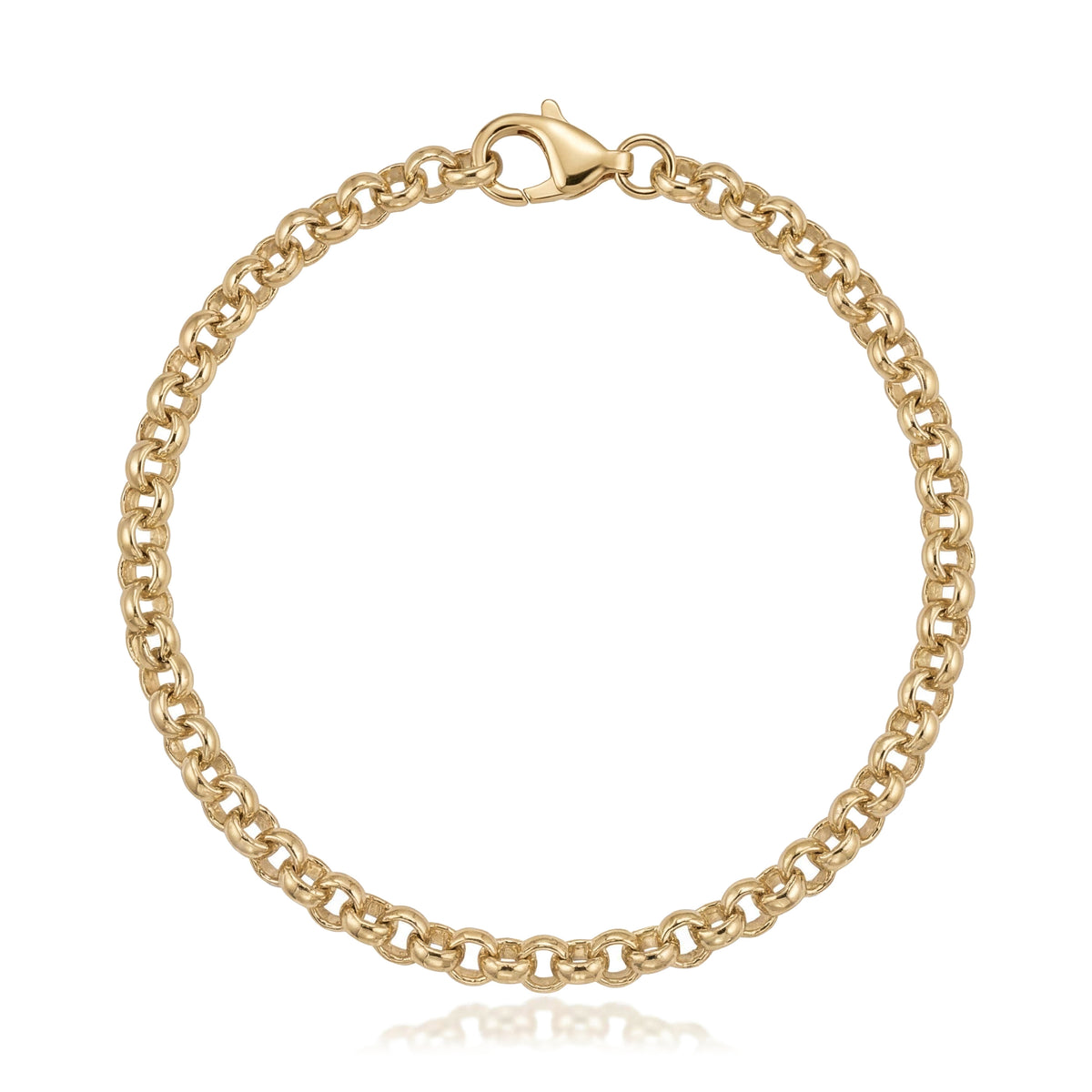
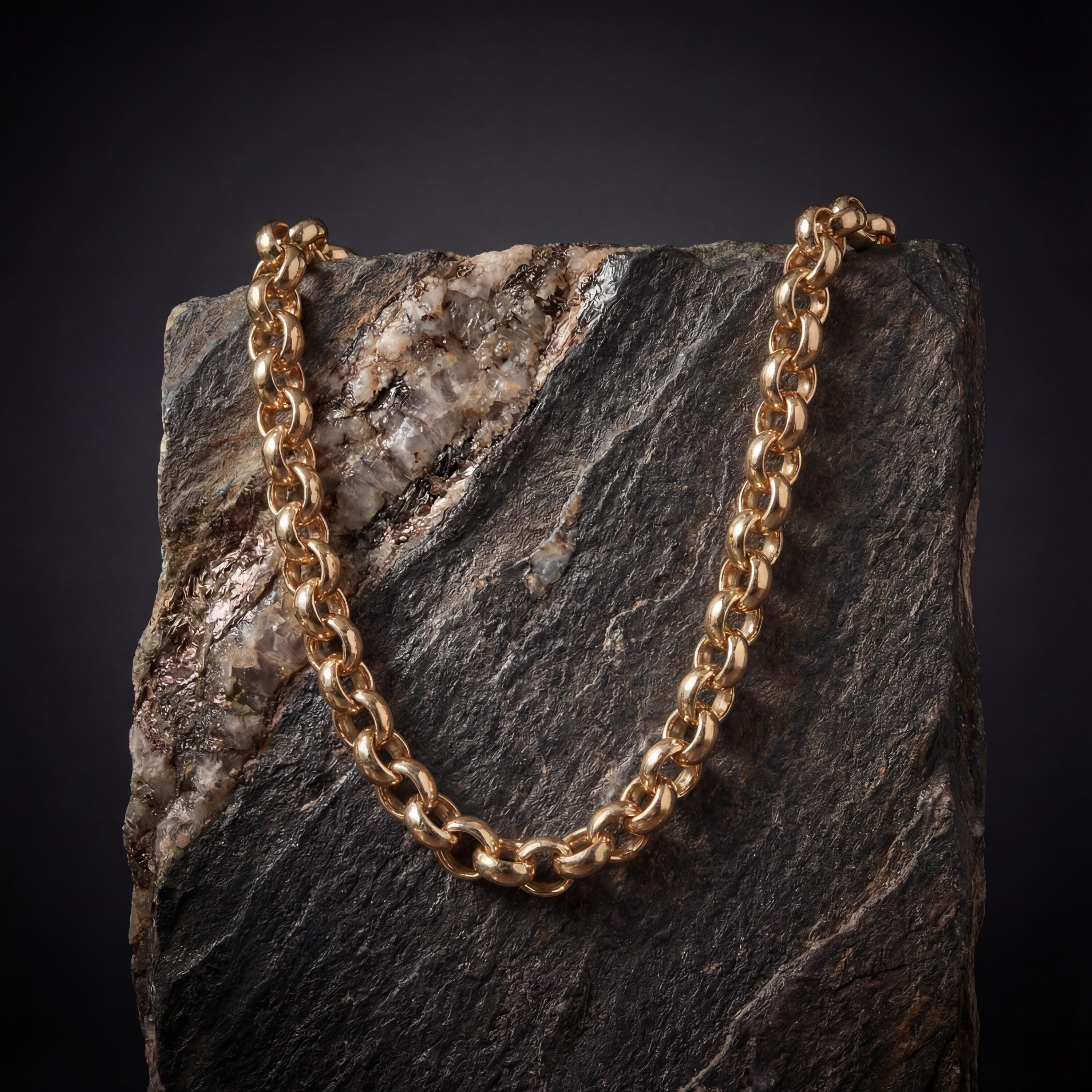
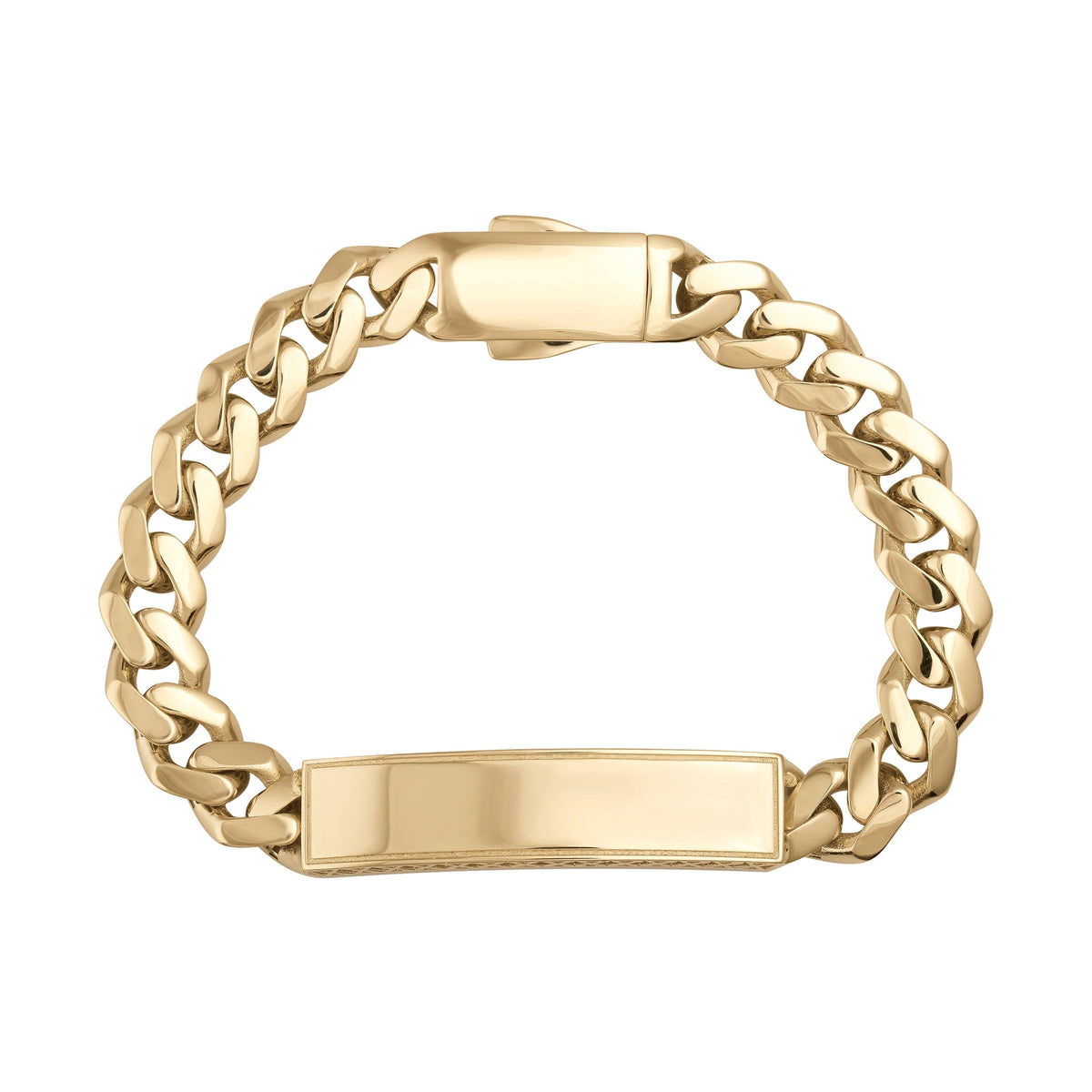
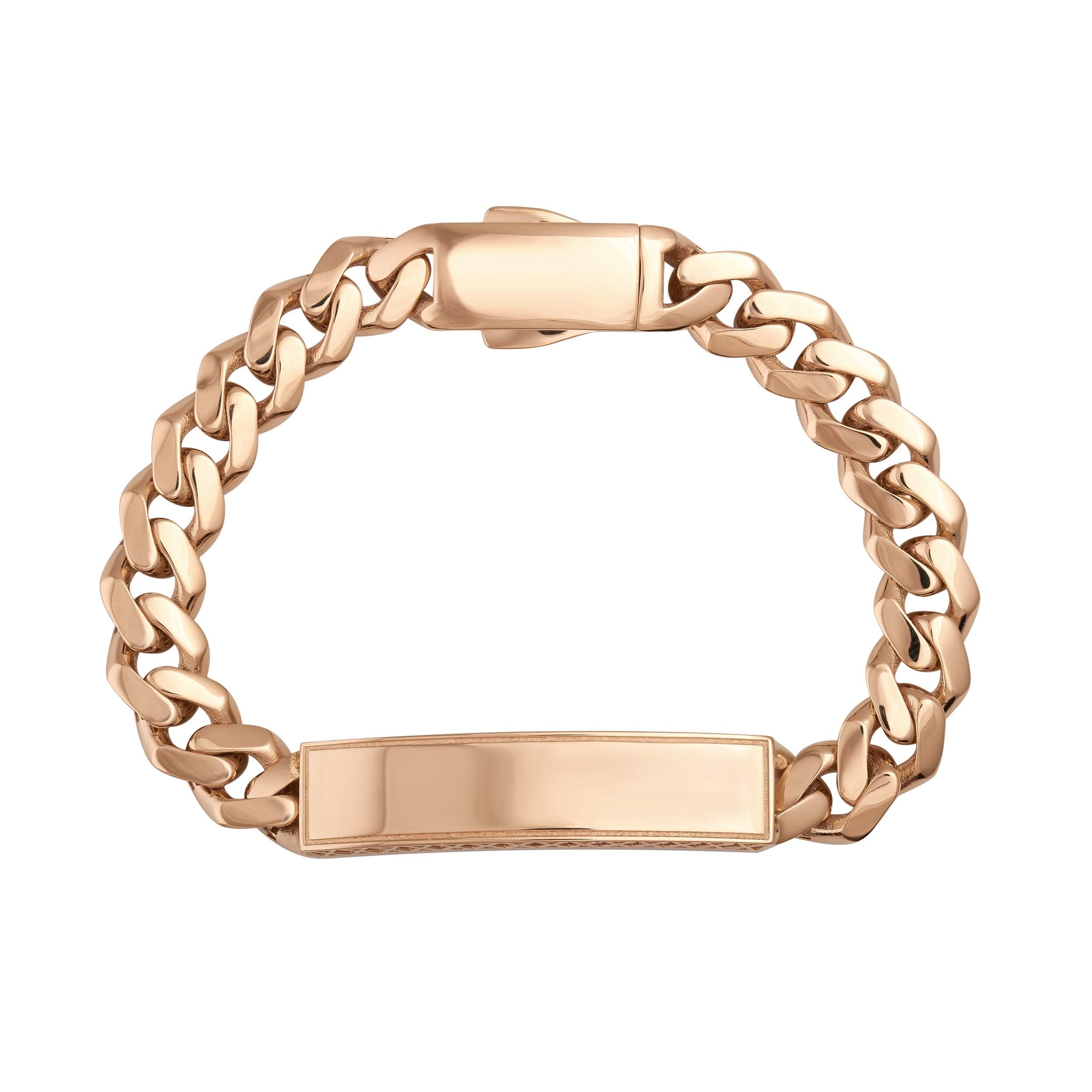
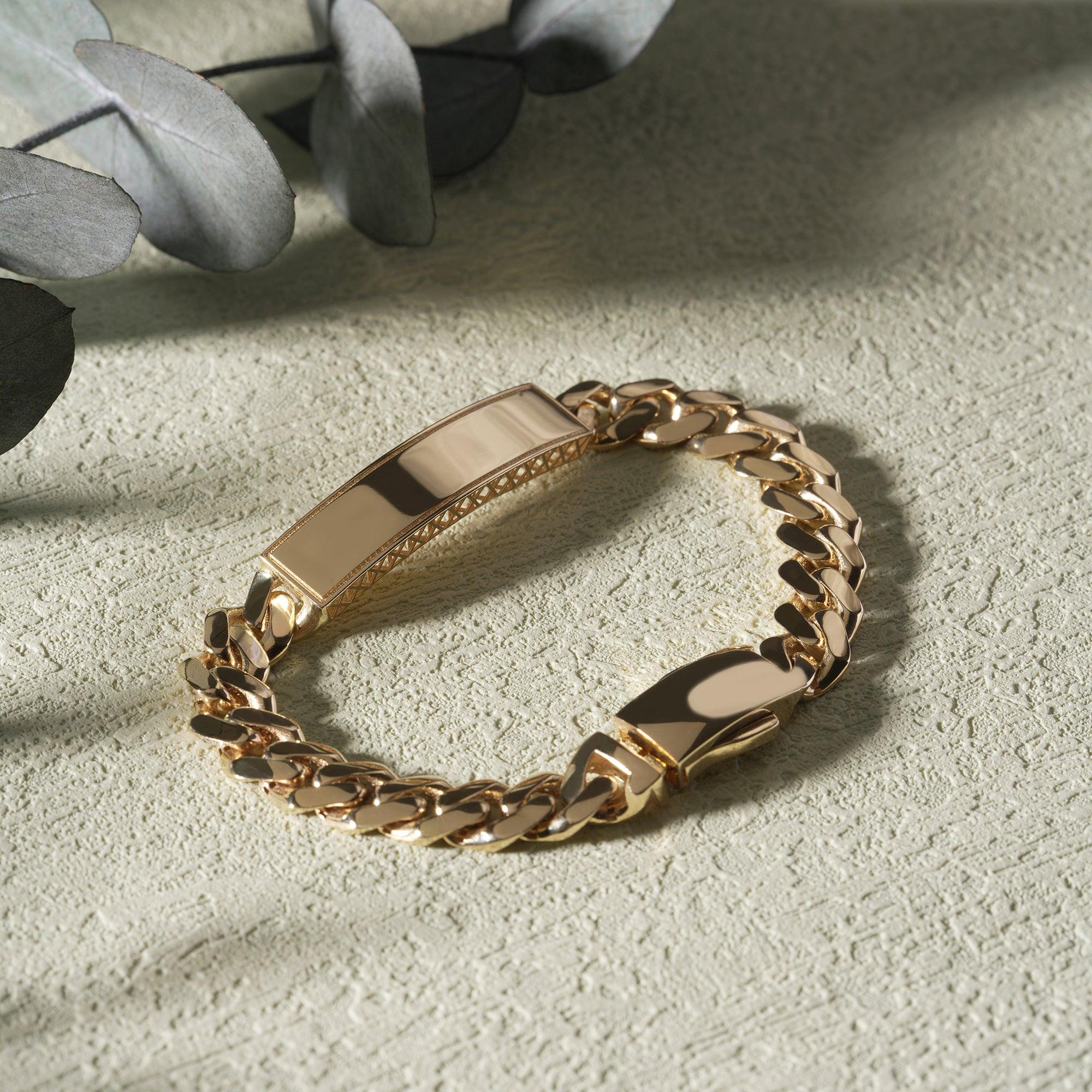
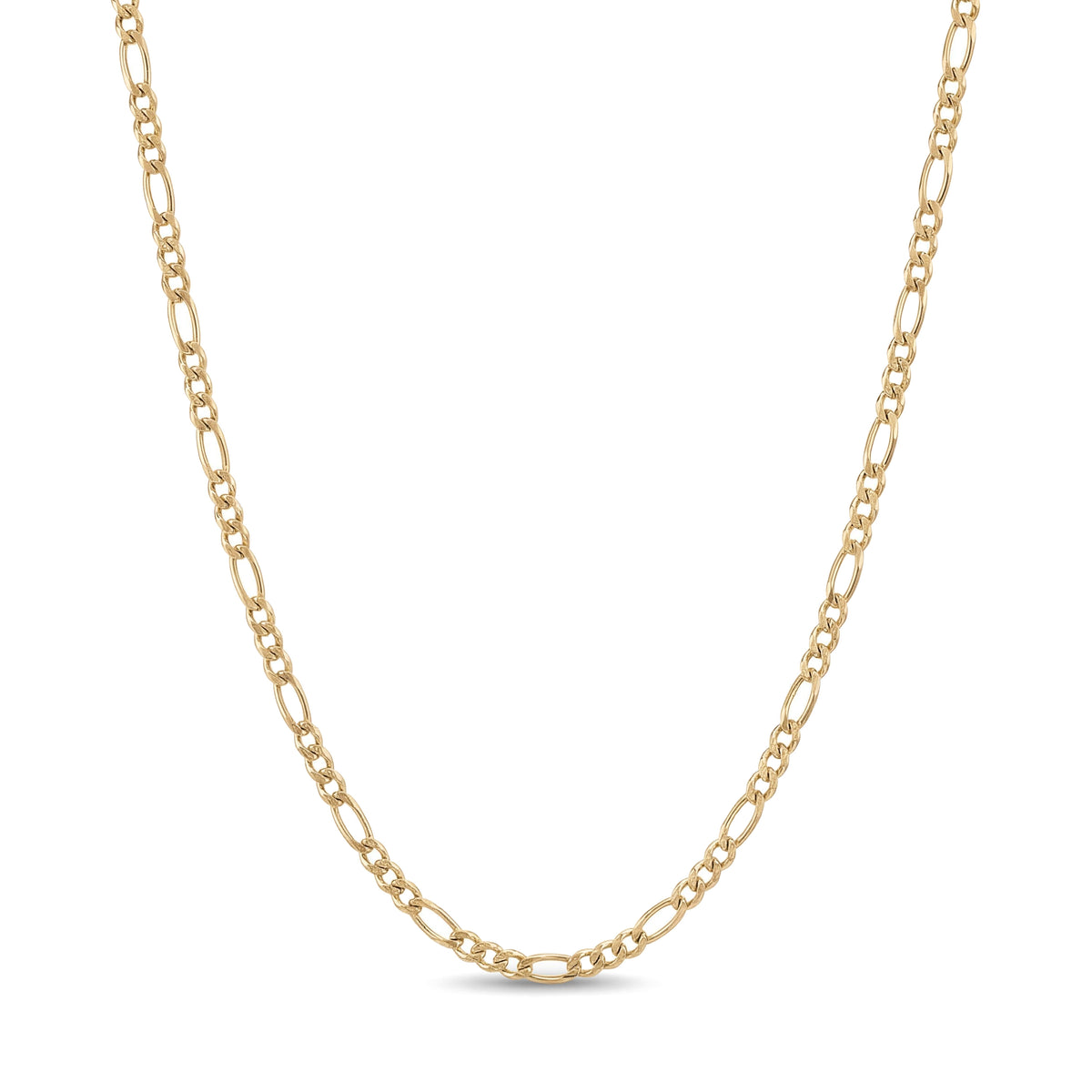
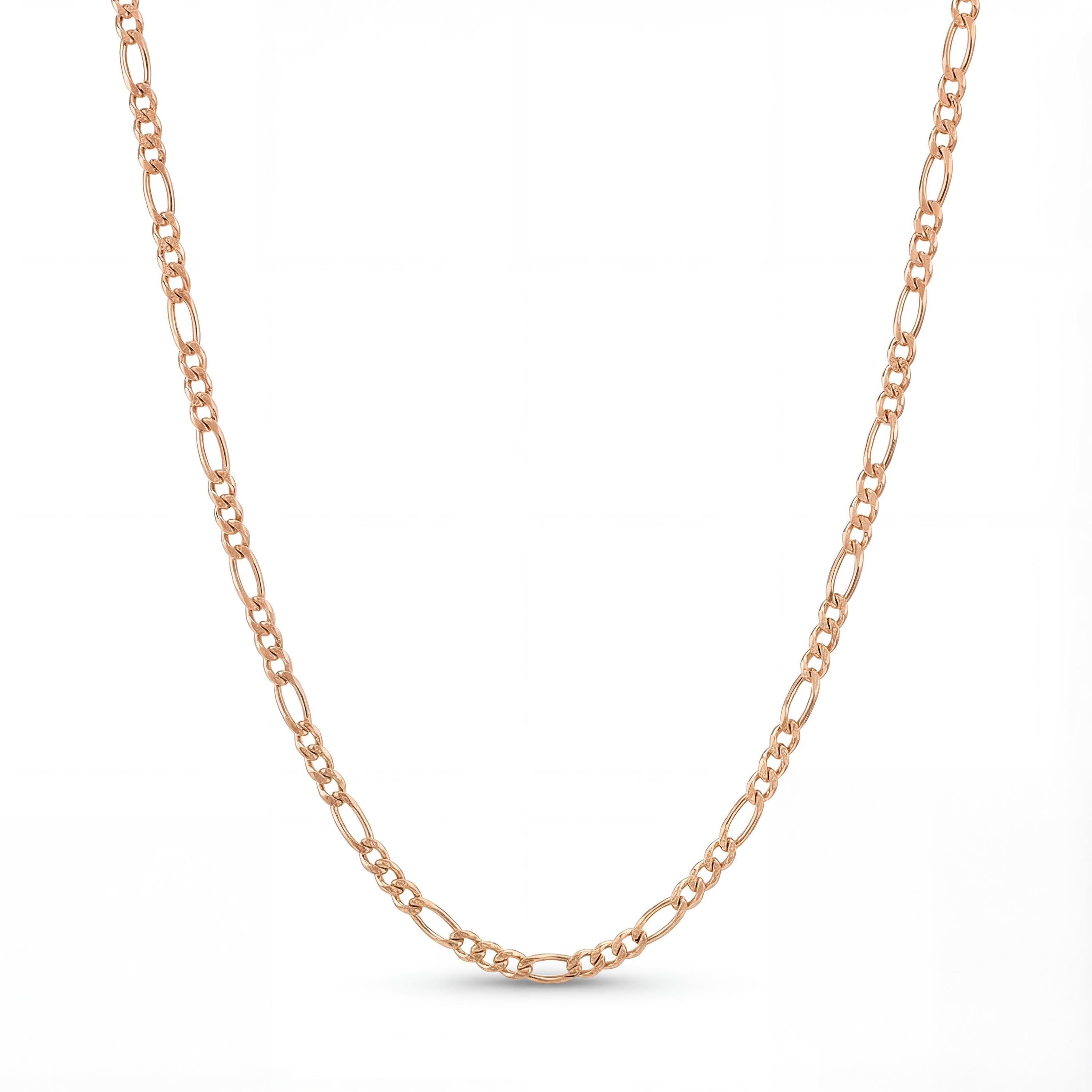
Every piece at Golden Planet Jewelry is crafted in solid 14K gold — no plating, no fill, just gold all the way through. Browse our Best Sellers collection to see the current lineup.




Share:
What Does "14K Italy" Stamped on Jewelry Mean?
Why Is My Gold Jewelry Fading? (Plated vs 14K Gold Explained)