
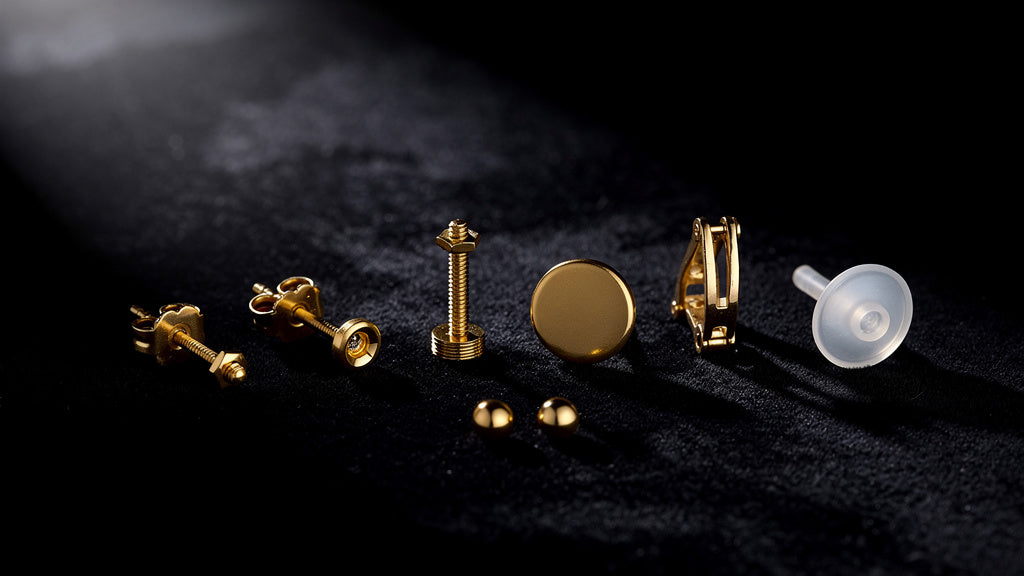
Which earring backs should you use? It depends on the weight of the earring, how long you wear it, and how much you worry about losing it. There are six common earring backs types, and each one solves a different problem.
A friction back is the quick, everyday choice. A screw back or a locking back is the safer pick for pieces you love. Below, we explain how each works, what it suits, and how to put it on and take it off.
- Friction (push) backs are the simple default, and locking or screw backs hold best.
- Heavier or dangling earrings need a wider, firmer back so the post stays straight.
- Gold backs are worth the small extra cost, because a weak back is how most earrings get lost.
The six common types of earring backs
Most stud and drop earrings use one of six styles. The table below puts them side by side so you can compare them fast.
| Back style | How it holds | Security | Best for |
|---|---|---|---|
| Friction (push) back | Grips the post by tension | Medium | Everyday studs |
| Screw back | Threads onto the post | High | Small gemstone studs |
| Locking (safety) back | Clicks or clamps shut | High | Heavier studs and drops |
| Disc (large flat) back | Wide base spreads the weight | Medium to high | Heavier or droopy earrings |
| Lever back | Hinged wire snaps closed | High | Dangles and drops |
| Silicone (rubber) back | Soft sleeve grips the post | Low to medium | Backup or short-term use |
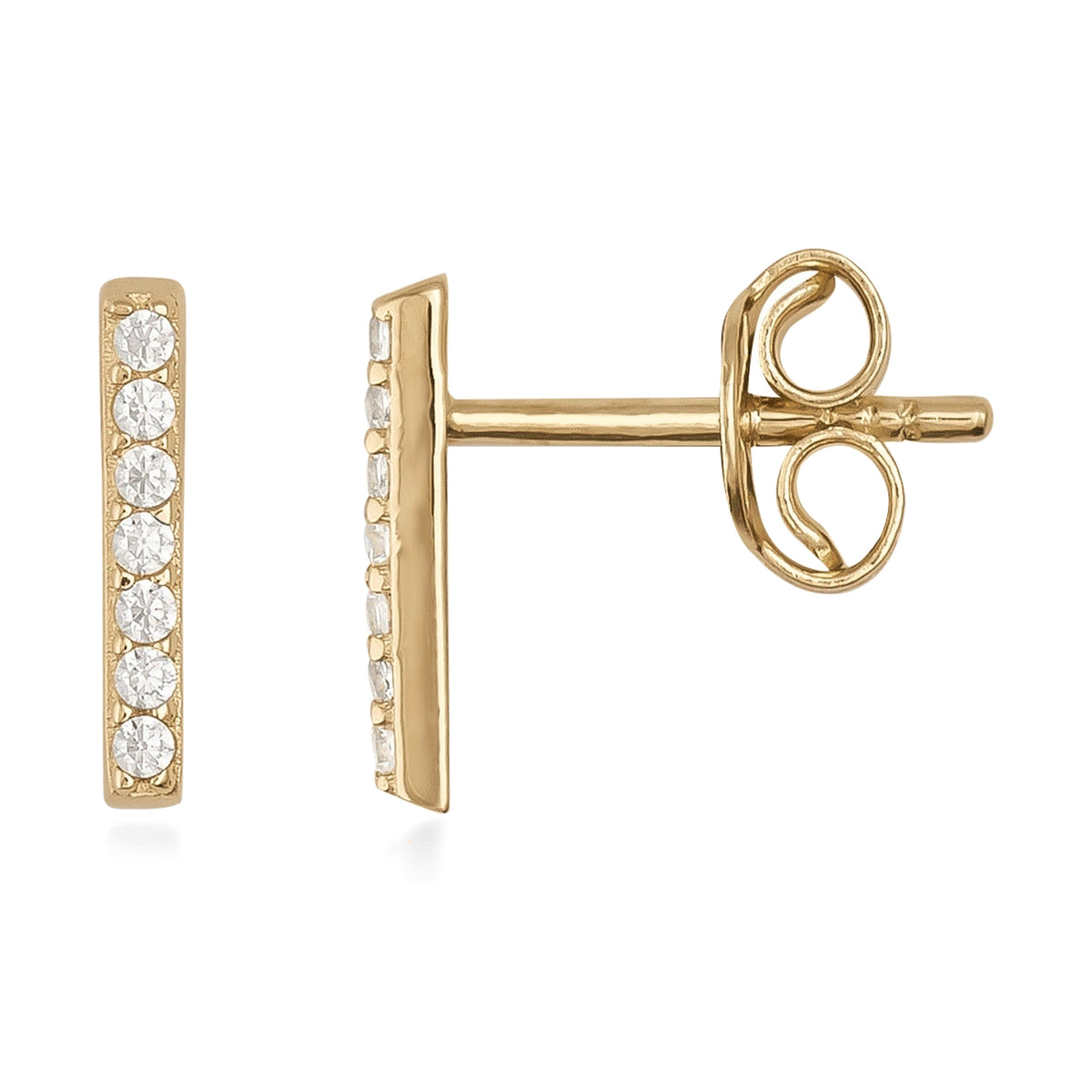
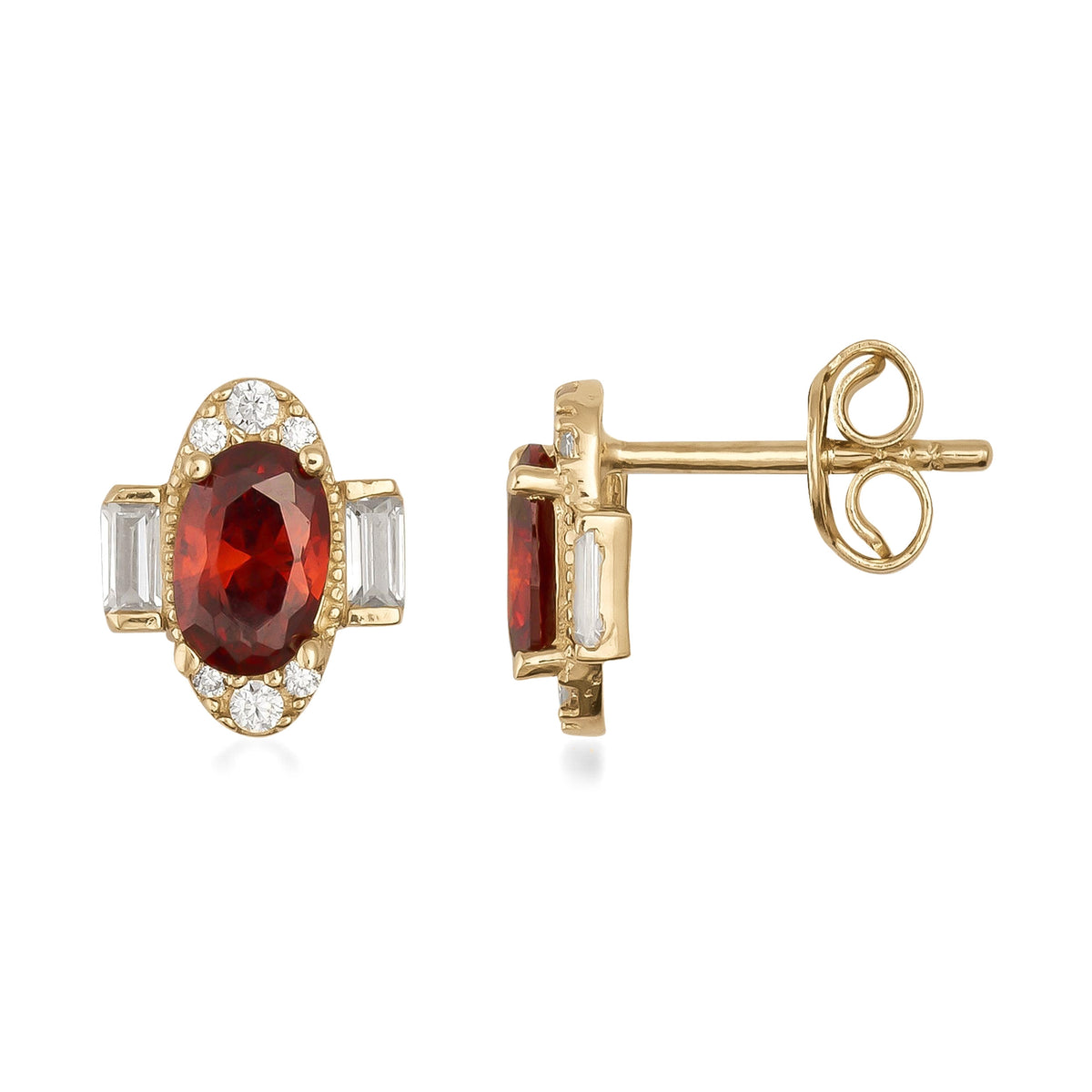
The friction back is the one most people know. It is a small metal piece with a tight hole that slides up the post. The tension keeps it in place.
Screw backs, also called threaded backs, twist on like a tiny nut. They take longer to fit but they will not slide off on their own. Locking backs add a small clutch or clasp so the piece stays put even if you bump it.
How to match the back to your earring
Start with the weight of the front. A small stud is light, so a standard friction back works well. A larger stud or a drop earring pulls on the post, and a thin back can tilt or slip.
For those pieces, a wider disc back or a locking back is better. The wider base spreads the load across more of your earlobe. It also keeps the front sitting upright instead of leaning forward.
Post length matters as well. If the post is too short, the back sits tight against the lobe and can press in. If it is too long, the back sits loose and the earring wobbles. The back should rest snugly with a hair's width of room.
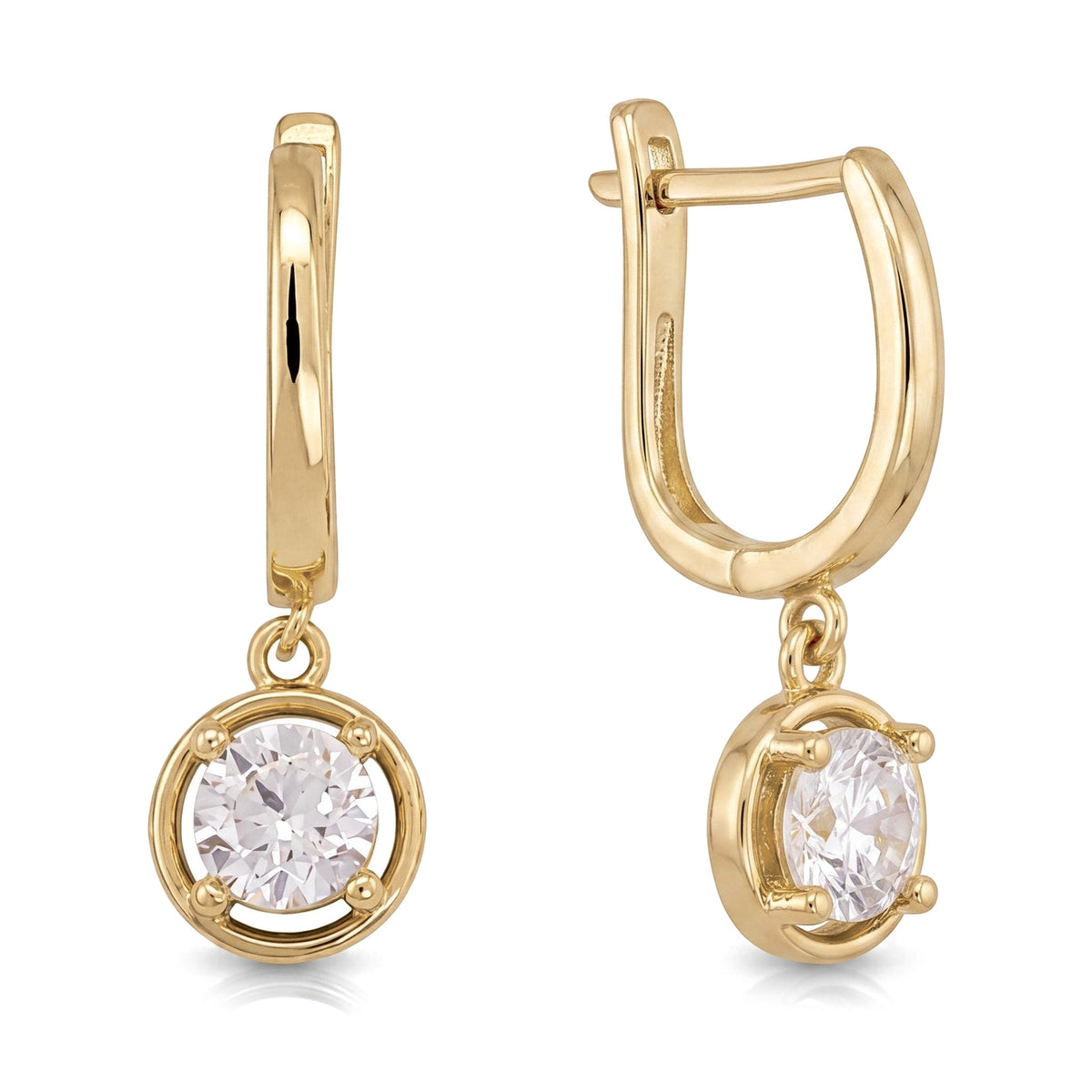
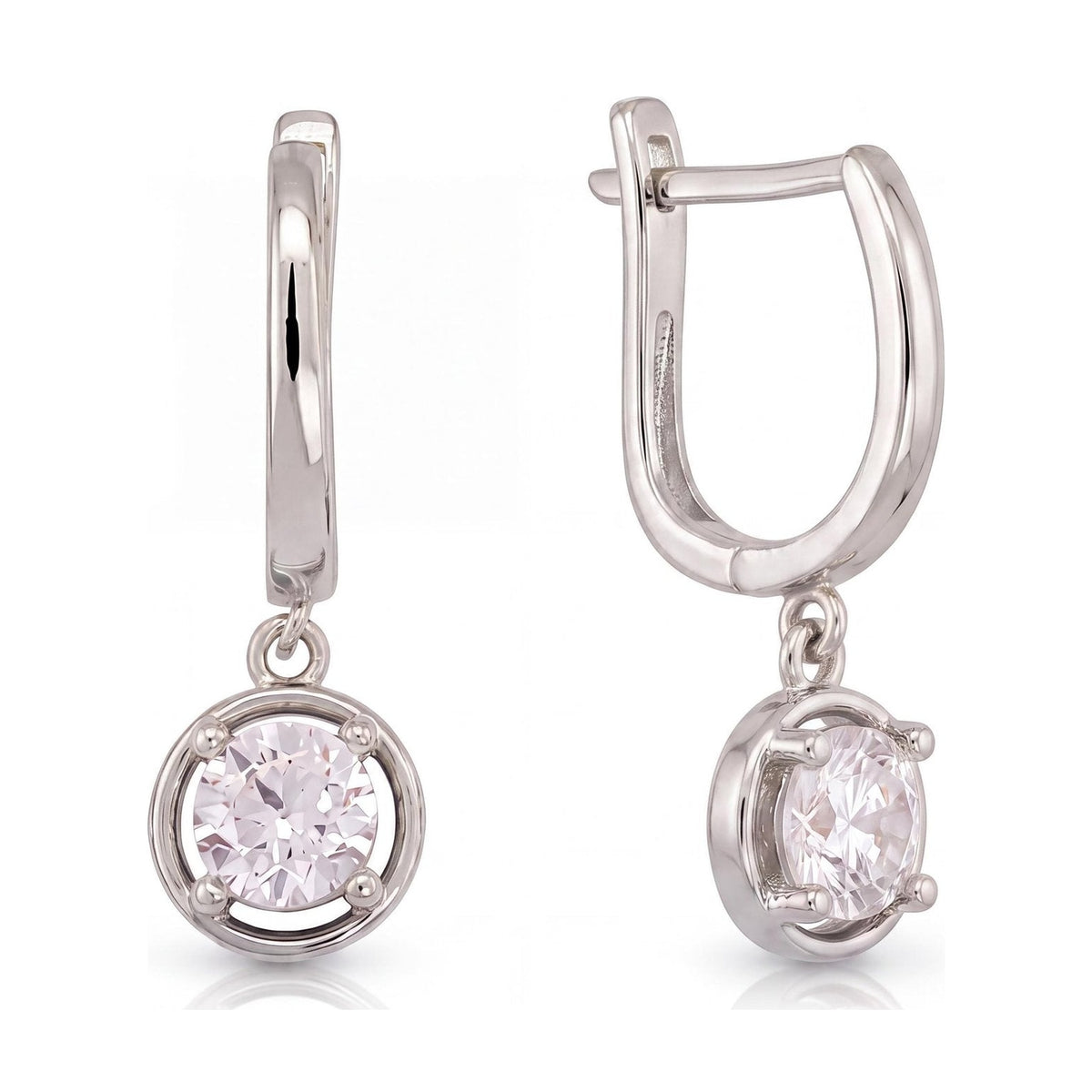
Lever backs are built into the earring itself. You cannot swap them onto a stud. They suit dangling designs, because the hinged wire stays closed until you flip it open on purpose.

Comfort and everyday wear
A secure back is only useful if you can wear it for hours. Comfort comes down to size, shape, and how the back sits against your skin.
Flat discs feel smooth against the neck, which helps when you lie on your side. Small butterfly-style backs can feel sharp if they are bent or worn at the edges. Big, bulky backs can also stick out from under long hair.
If your earrings poke the back of your ear, try a flat or low-profile back first. If your earrings tilt forward, try a wider disc. Both fixes are quick and cheap.
Many people ask about earring backs that don't poke. The answer is usually a smooth, low disc or a soft silicone sleeve. Silicone is gentle, but it wears out sooner than metal, so check it often.
For sleeping, choose a flat back and keep the post length right. Skip sharp-edged or tall backs at night.
How to put on and remove each back
Good habits keep your earrings safe. Wash your hands first, then work over a soft towel or a sink with the drain closed.
To fit a friction back, hold the front with one hand. Slide the back onto the post with the other until it rests near your lobe. Stop before it squeezes the skin.
To fit a screw back, line up the thread and turn it gently. Do not force it. Stop when it feels snug.
Locking backs vary by design. Many have a small lever or a pinch point. Look at how the clasp opens before you pull, and press the release instead of tugging the earring.
Some stud designs use a push-on back that sits flush. If a back feels stuck, wiggle it side to side while pulling away. Never twist a friction back hard, because that can bend the post.

Care, wear, and when to replace a back
Backs wear out before the earrings do. A friction back loses its grip after months of use. The hole widens, and the back slides down the post.
Replace it as soon as it feels loose. A new back costs far less than a lost earring. Pick a back made of the same metal as the earring, such as 14K gold for a 14K gold stud. A matching back keeps the look clean and holds up to daily wear.
Keep your backs clean as well. Skin oils and lotion build up and make small parts slippery. Our guide on how to clean 14K gold jewelry at home shows a gentle method that works on posts and backs too.
When you store a pair, put the backs back on the posts. This keeps small pieces together and stops you from losing them in a drawer.
Some earrings do not use backs at all. Clip-ons use a spring clamp, and hoops often use a hinge or a post that clicks into place. Threaders and ear cuffs also skip the back. These have their own ways to hold, so check how each one fastens before you buy.
Frequently Asked Questions
What are the different types of backings for clip-on earrings?
Clip-on earrings do not use a post and back. They use a spring clip, a screw-adjust clip, or a padded clamp that grips the earlobe. Some add a small cushion to ease the pressure.
What are earrings called that don't have backs?
Earrings without backs include hoops with a hinge, huggies, lever back drops, clip-ons, threaders, and ear cuffs. The fastening is built into the earring itself.
What is the 2/3 earring rule?
It is a styling guide, not a rule about backs. It says the full outfit looks balanced when your earrings take up about two thirds of the attention you give your neckline and other jewelry. Treat it as a loose guide, not a rule.
What are the names of the parts of an earring?
The main parts are the front (the visible design), the post (the thin pin through the ear), and the back (the piece that holds it on). Drop earrings also have a drop or dangle, and hoops have a hinge or clasp.
Which earring back is the most secure?
Screw backs and locking backs hold best for studs. For dangling earrings, a lever back is the most secure. Check any back often, because even strong ones can loosen over time.
The Bottom Line
Pick the back by weight, comfort, and how much you want to relax. Friction backs suit light studs, wide discs help heavier pieces, and screw or locking backs add peace of mind. Replace worn ones early, and your earrings will stay where they belong.
Ready to find a pair? Browse our Gold Earrings collection and pick the style that fits you.






Share:
Sterling Silver: What It Is, How to Spot It and Its Worth