
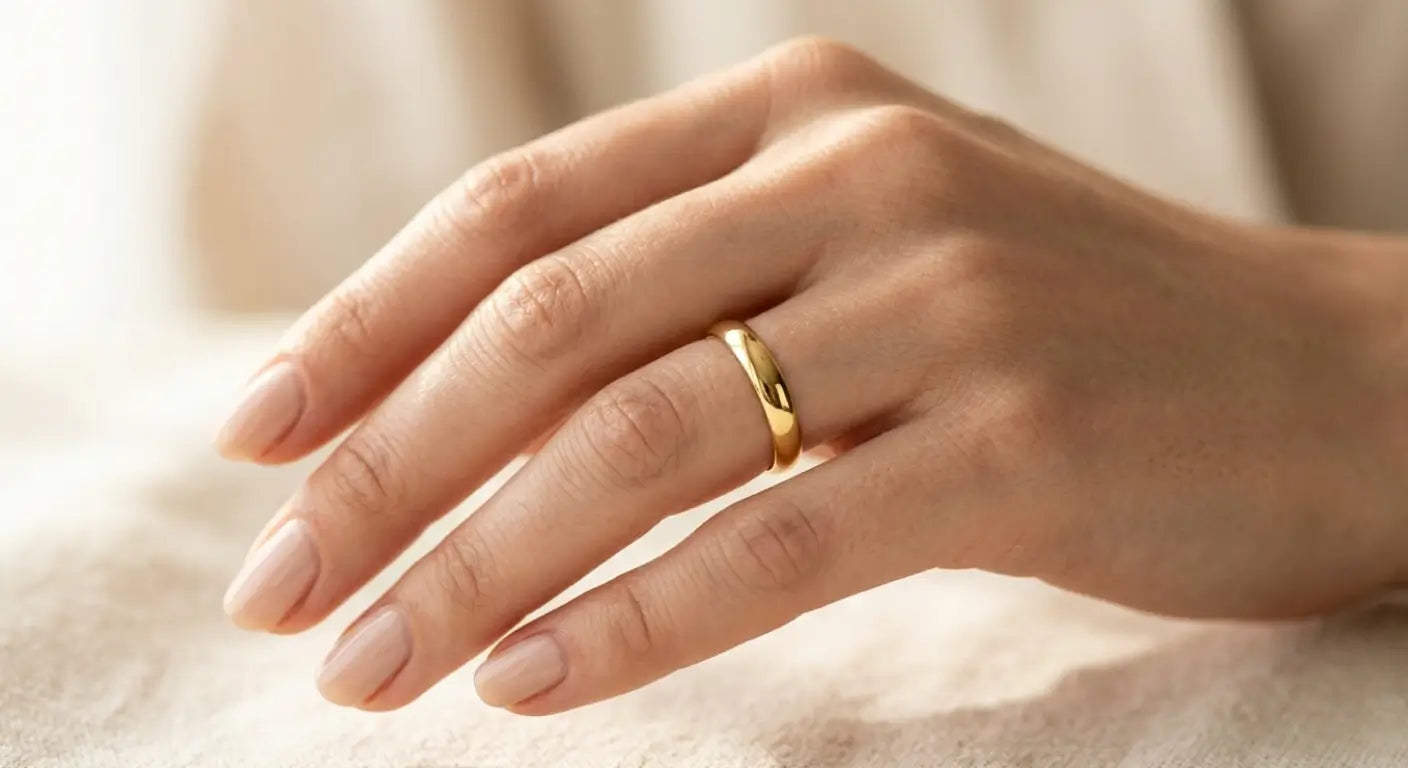
A few months ago it looked brand new. Now your gold ring is dull at the edges, your chain has a faint silvery patch near the clasp, and the warm glow it used to have is gone. It's a frustrating, oddly common experience — and it almost always points to one specific cause. The good news: once you understand why gold "fades," you'll know exactly how to make sure it never happens again.
Here's what's really going on when gold jewelry loses its color, and how to fix it for good.
Article Contents
The Main Reason Gold Jewelry Fades
Here's the core truth: fading comes from a surface layer, not from the gold alloy underneath. If your "gold" jewelry is losing color, it's almost certainly because a thin layer of gold was applied over a base metal (or sterling silver), and that layer is wearing away with use. As the coating thins, the metal underneath starts to show through, and the piece looks dull, patchy, or silvery.
So fading isn't really fading at all — it's the gold layer physically rubbing off, exposing what was always underneath.
Fading vs. Tarnishing vs. Just Dirty
Before assuming the worst, rule out two fixable look-alikes:

- Just dirty: A film of lotion, oils, and product buildup can dull gold's shine. This wipes away with a proper cleaning — the color returns completely.
- Tarnishing: The alloy metals (silver, copper) in lower-karat or silver pieces can react with air and chemicals, creating a darker film. Often cleanable.
- True fading: The gold layer is gone in spots, showing a different metal underneath. This does not clean away — because the gold itself is missing.
The test: clean the piece thoroughly. If the color comes back, it was dirt or tarnish. If a dull or silvery patch remains, the plating has worn through.
Why 14K Gold Doesn't Fade Like Plating Does
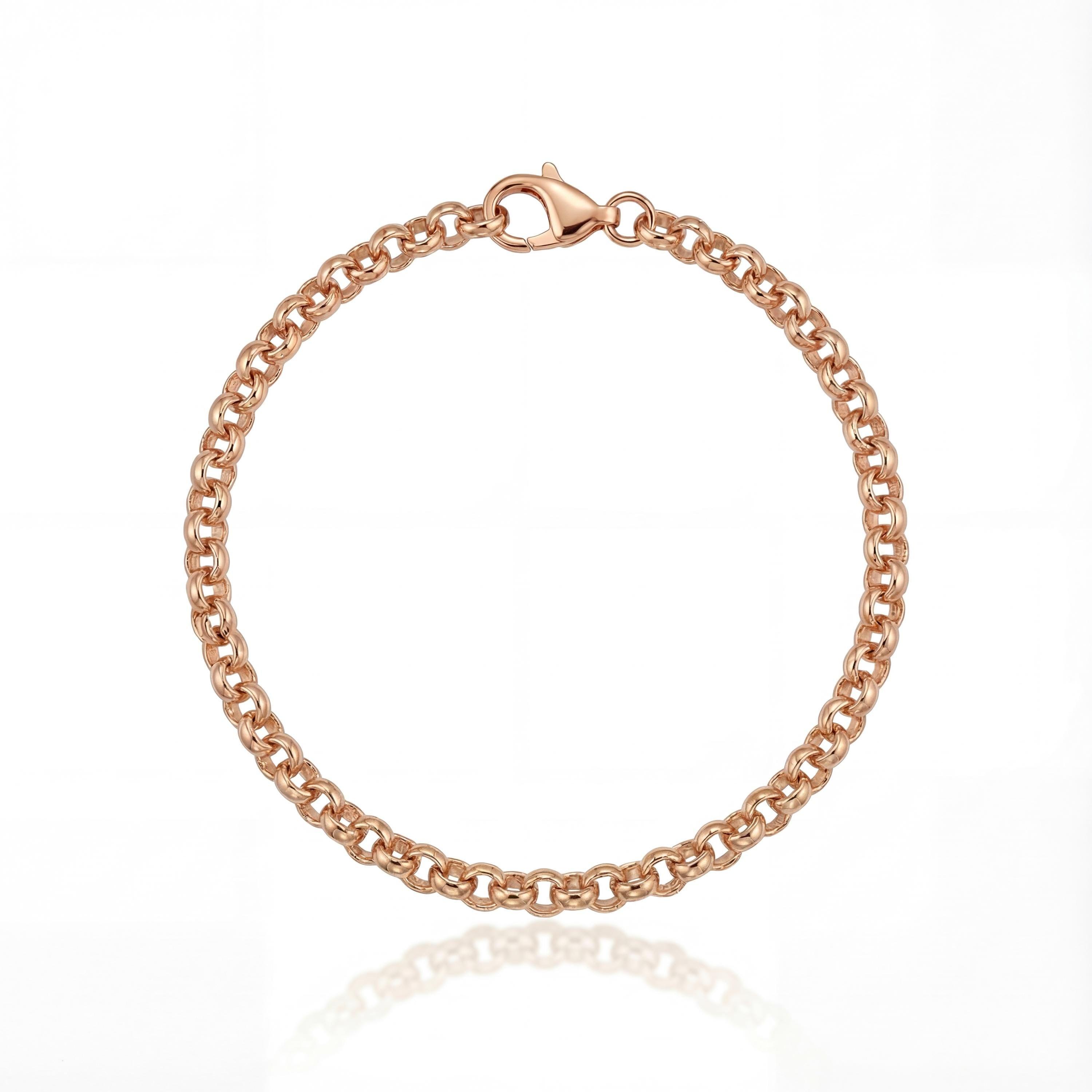
One exception: white gold and two-tone pieces are finished with rhodium, a surface layer that wears with time and can be re-applied.
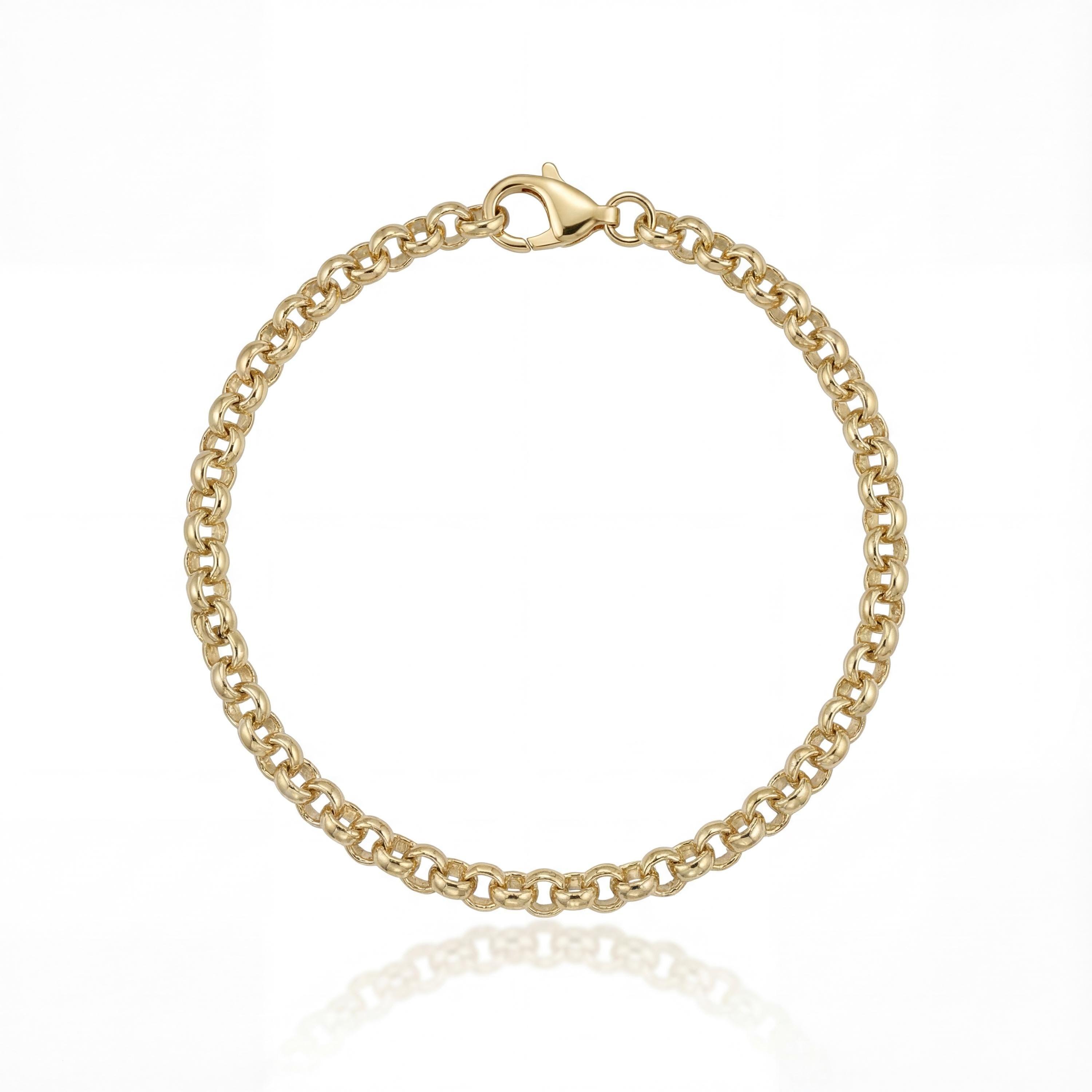
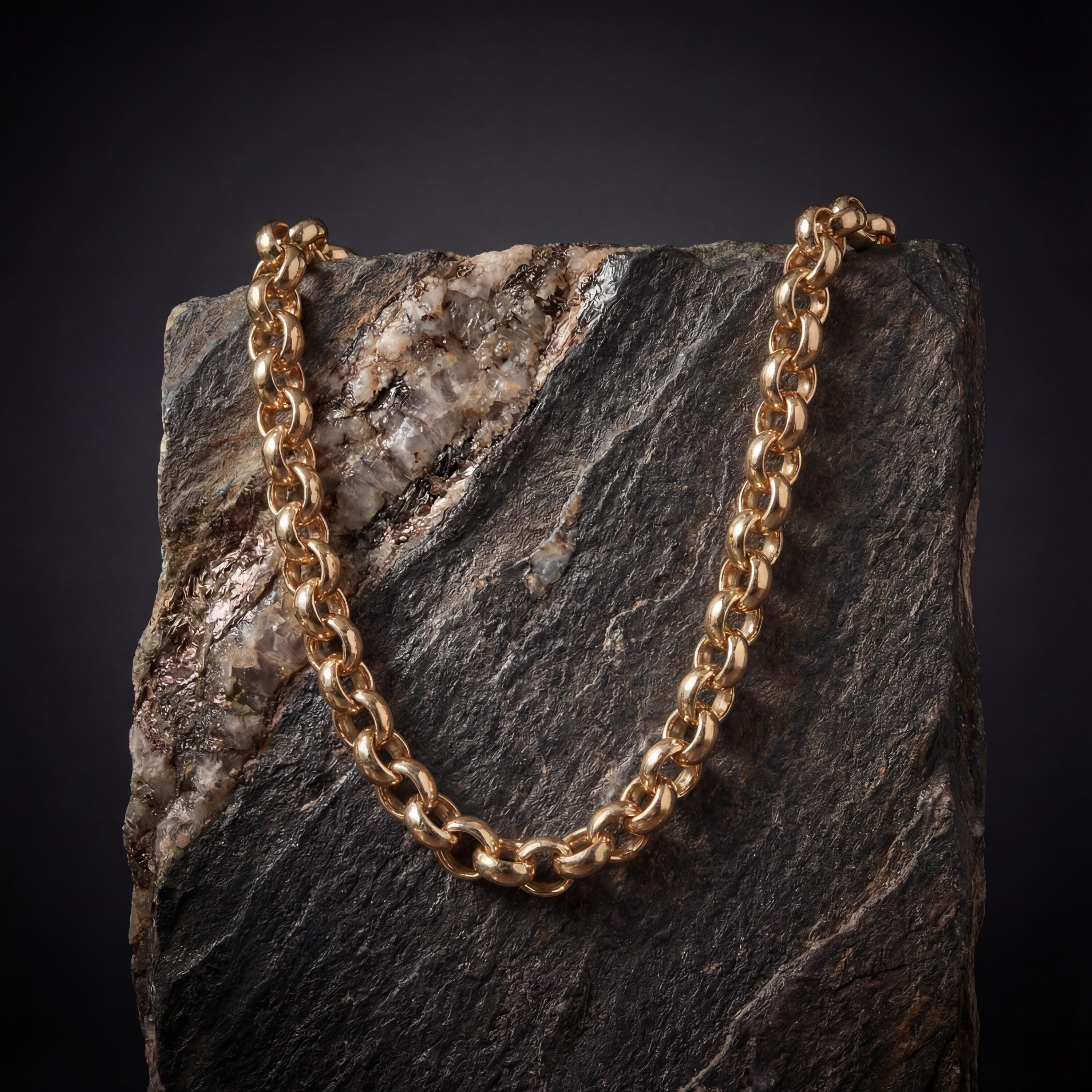
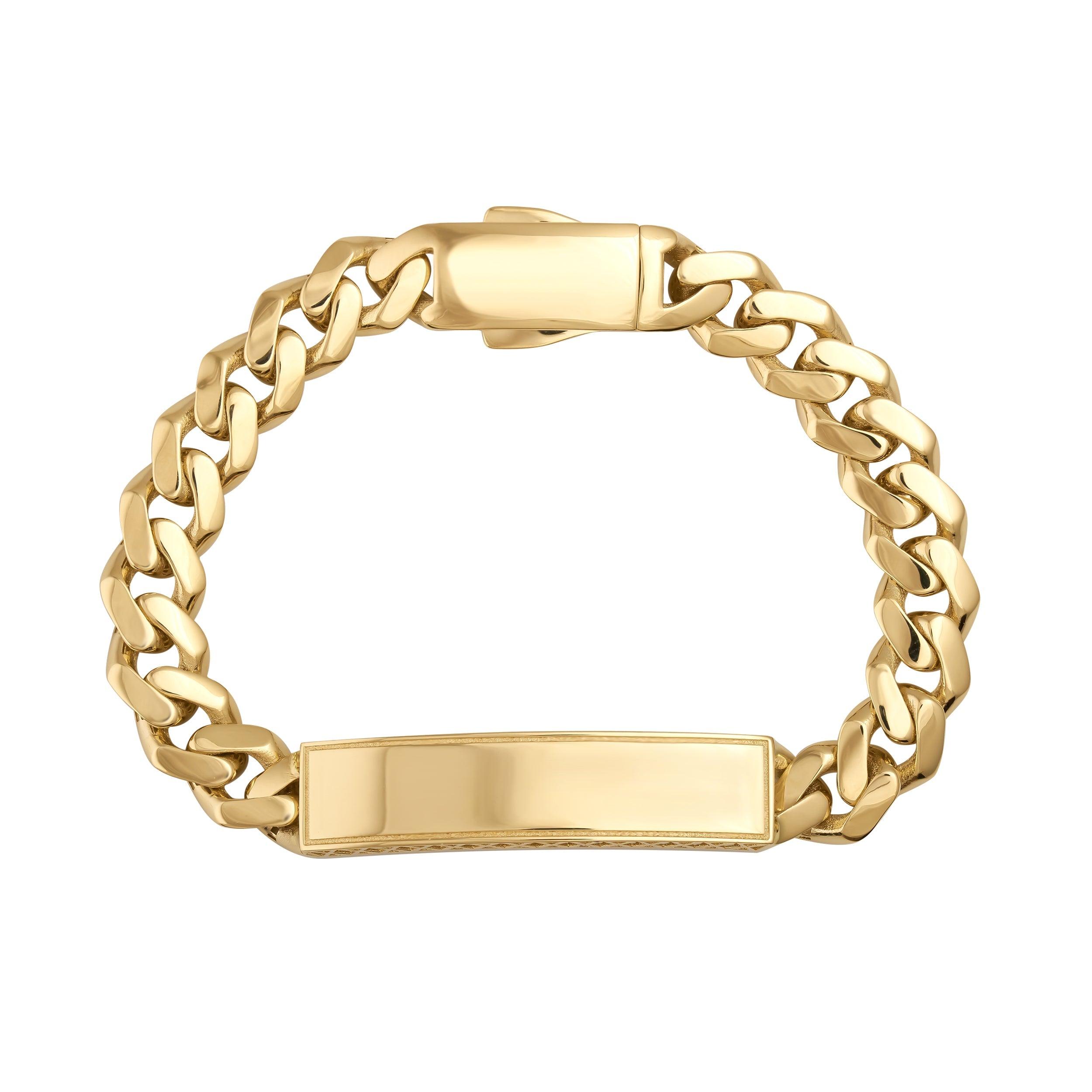
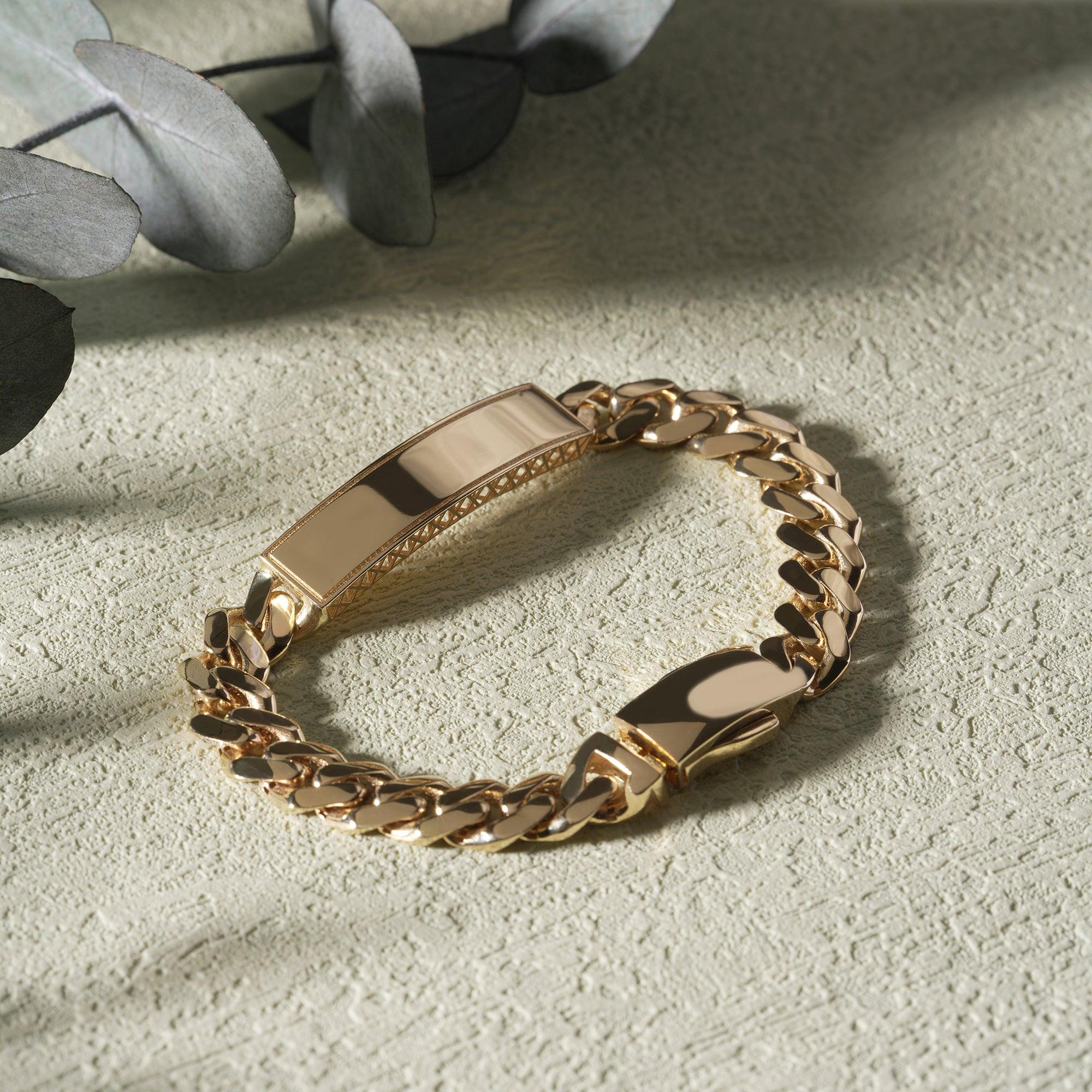
Solid 14K gold is a gold alloy all the way through — 58.3% pure gold blended with durable metals, with that same composition running through every part of the piece. There's no surface layer to wear off, because the gold isn't on the surface; it is the surface, and everything beneath it.
Yellow 14K gold is colored all the way through the alloy, so daily wear does not change its color. Minor surface scratches are normal and polish right out, but the warm gold tone itself is permanent.
What Speeds Up Plating Wear
If you own plated or vermeil pieces, these accelerate the fade:

- Friction — rings and bracelets wear fastest because they constantly rub against skin and surfaces
- Water and sweat — showering, swimming, and workouts break down the coating faster
- Lotions, perfumes, and chemicals — these chemically attack thin gold layers
- Daily wear — the more you wear a plated piece, the faster the layer thins
Can You Fix Faded Gold Jewelry?
It depends what the piece is:
- Plated or vermeil: Yes, but only temporarily — a jeweler can re-plate it to restore the gold look. It will wear off again with use, so re-plating becomes an ongoing cost.
- Solid gold that looks dull: It's not faded, just needs cleaning or polishing. A quick clean restores it fully and permanently.
How to Tell If Yours Will Fade
Check the stamp to know what you own before it fades (or to understand why it did):
- 14K, 14KT, 585, 18K, 750 → a karat or fineness mark for the gold alloy; it tells you the gold content of the metal, not how the piece is constructed
- GP, GF, GE, HGE → plated/filled; the layer will eventually wear
- 925 → sterling silver base; if it looks gold, it's vermeil and will fade
(Need help reading the stamps? Our Jewelry Hallmarks Guide decodes every mark.)
How to Stop It from Happening Again
To never deal with fading again:
- Reserve plated/vermeil for occasional, low-friction pieces like statement earrings worn now and then
- Remove jewelry before showering, swimming, and workouts to protect any coating
- Apply lotion and perfume first, then put jewelry on after they absorb
- Clean gently and regularly so buildup never gets mistaken for fading
The Bottom Line
Gold jewelry "fades" because a thin gold coating is wearing off a plated or vermeil piece — 14K gold simply doesn't do this. If cleaning brings the color back, it was only dirt; if a dull patch remains, the plating is gone.
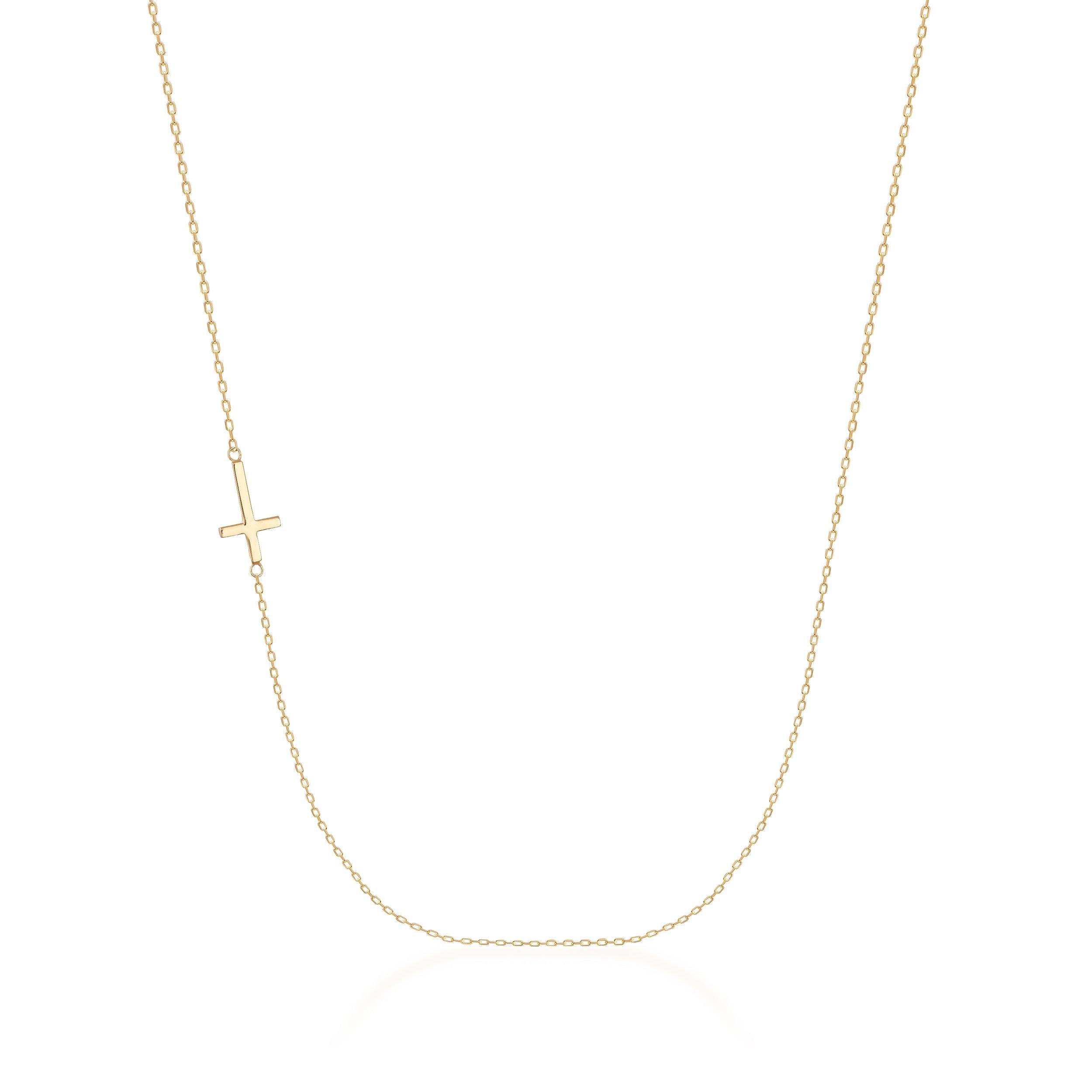
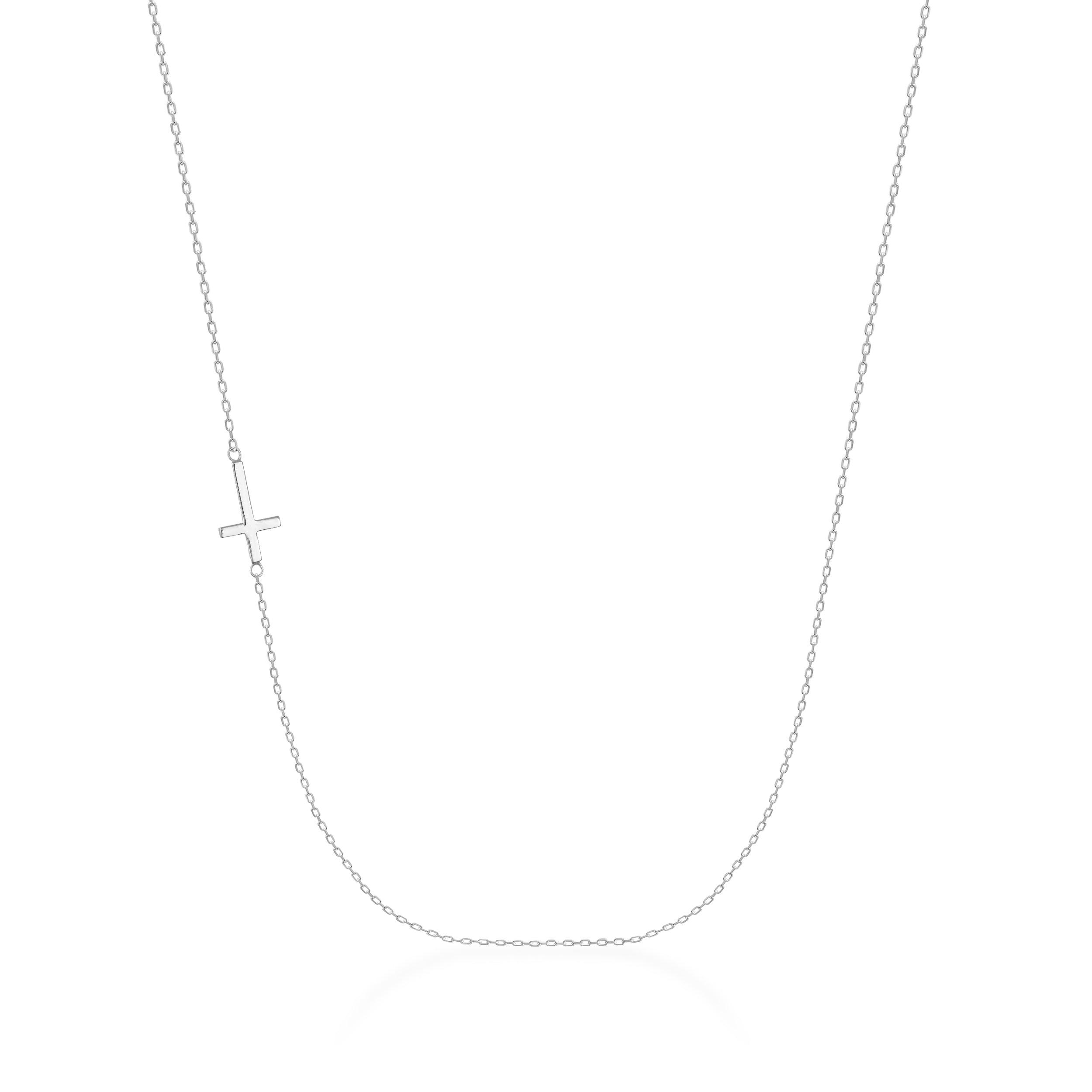
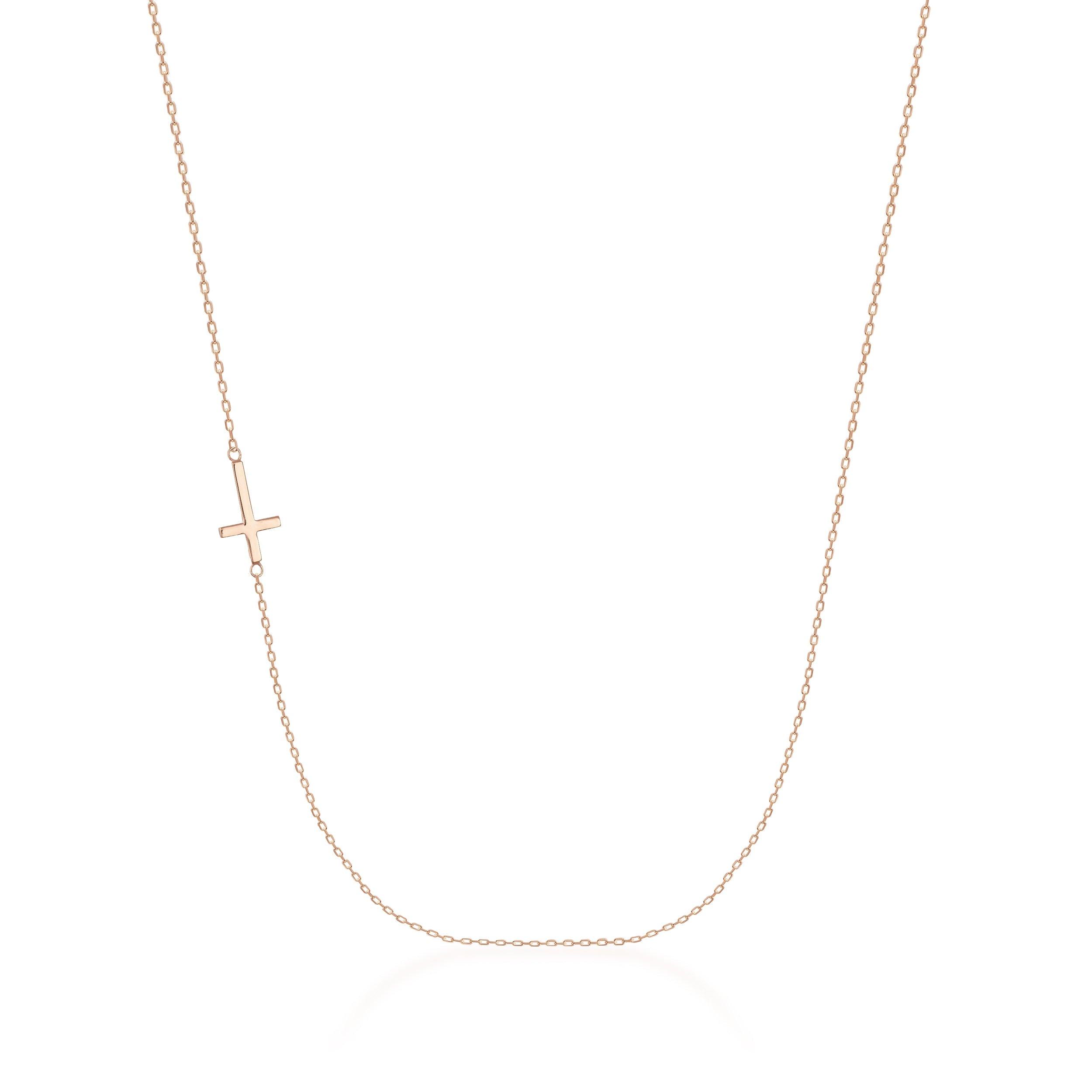
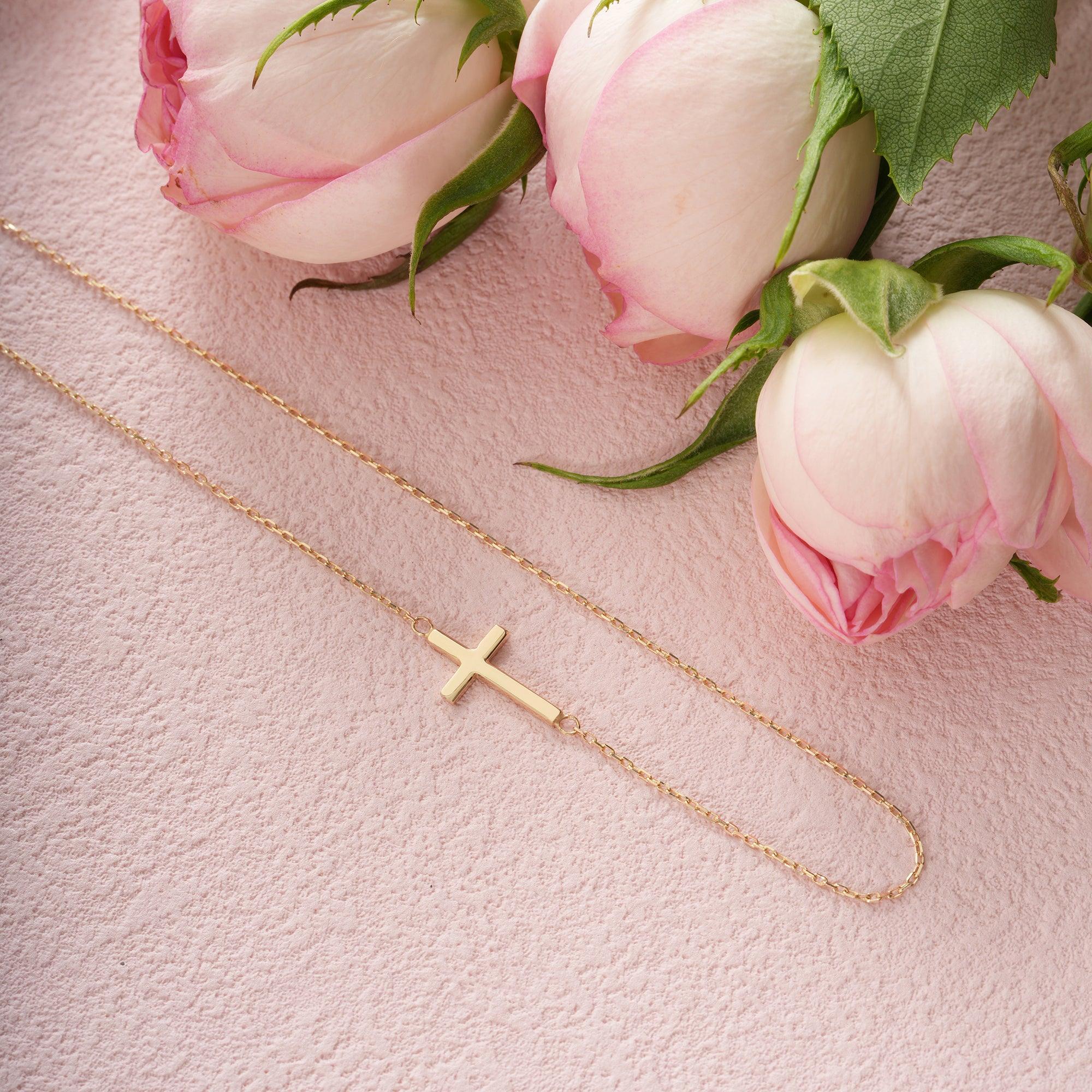
Browse the 14K Gold Collection, or learn how the gold types compare in our Vermeil vs Solid Gold guide.


Share:
Gold Vermeil vs. Solid Gold: What's the Real Difference?
Peridot: The August Birthstone (Meaning, History & 14K Gold Pairings)