
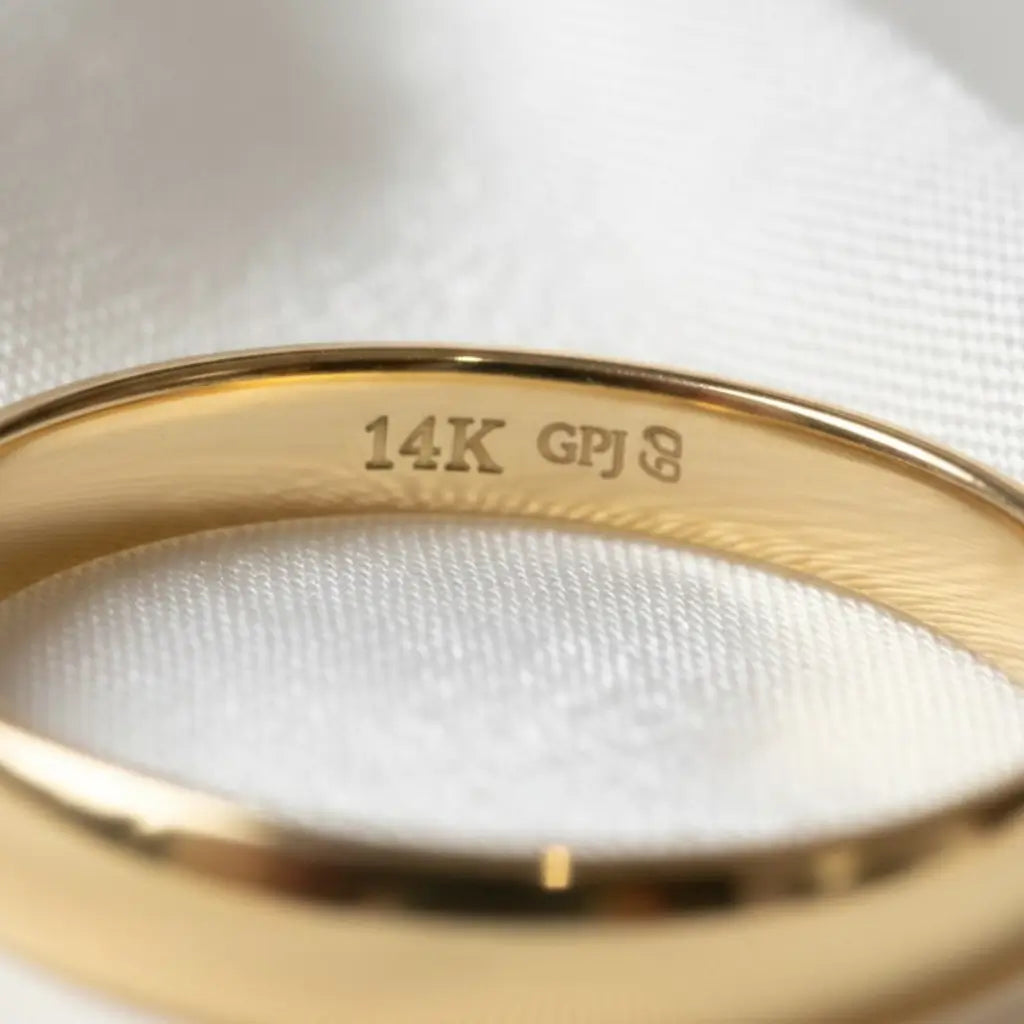
Deciphering Jewelry Hallmarks: What "14K", "585", and "GP" Really Mean
Introduction: The Secret Language of Gold
Have you ever looked closely at the inside of your favorite ring or the clasp of a gold chain and noticed tiny, engraved letters or numbers? These are called hallmarks, and they are much more than just decoration. They are a jeweler’s "ID card" for your piece.
At Golden Planet Jewelry, we believe that every customer should be an expert in what they buy. In this guide, we’ll decode the most common jewelry stamps so you can shop with confidence and know exactly what is in your jewelry box.
I. The Purity Stamps: 14K vs. 585
The most important mark on your jewelry is the purity stamp. In the United States and many other regions, we use the Karat (K) system, while in Europe and much of the world, the Millesimal Fineness system (using three digits) is standard.
-
14K / 585: 585 = 14K gold. The stamp refers to the 585 fineness standard — at least 58.5% gold. Expressed in karats, 14K is 14 parts gold out of 24, or 58.3%. As we discussed in our 14K vs. 18K Gold Guide, this is the perfect balance for everyday durability.
-
18K / 750: This piece contains 75% pure gold. It is richer in color but softer than 14K.
-
10K / 417: This contains 41.7% pure gold. It is the minimum standard to be legally called "gold" in many countries.
To learn more about international hallmarking regulations and consumer protection, visit the Federal Trade Commission (FTC) Jewelry Guides.
II. Red Flags: Stamps that Mean "Not Solid Gold"
Not all stamps are good news if you are looking for a fine piece. If you see the following initials next to a gold mark, the piece is not solid gold:
-
GP (Gold Plated): A thin layer of gold over a base metal (like brass or copper).
-
GF (Gold Filled): A thicker layer of gold bonded to a base metal. While better than GP, it is still not solid gold.
-
GE / GEP (Gold Electroplated): Similar to plating, applied through a chemical process.
-
925: This means the base of the jewelry is Sterling Silver. If it looks like gold but says 925, it is Gold Vermeil.
III. Where to Find the Hallmarks
Hallmarks are usually hidden to avoid distracting from the design. Here is where to look:
-
Rings: Inside the band (the shank).
-
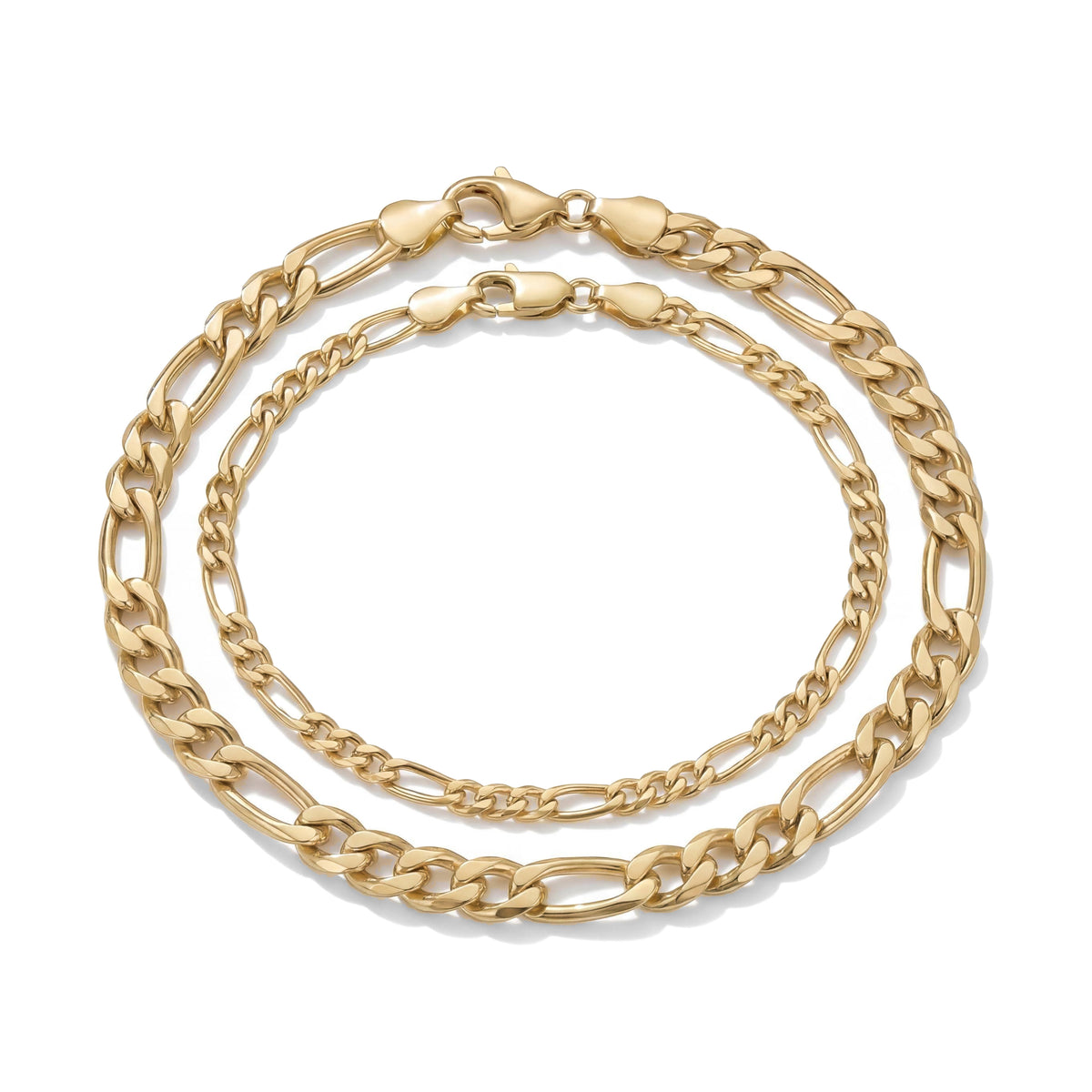
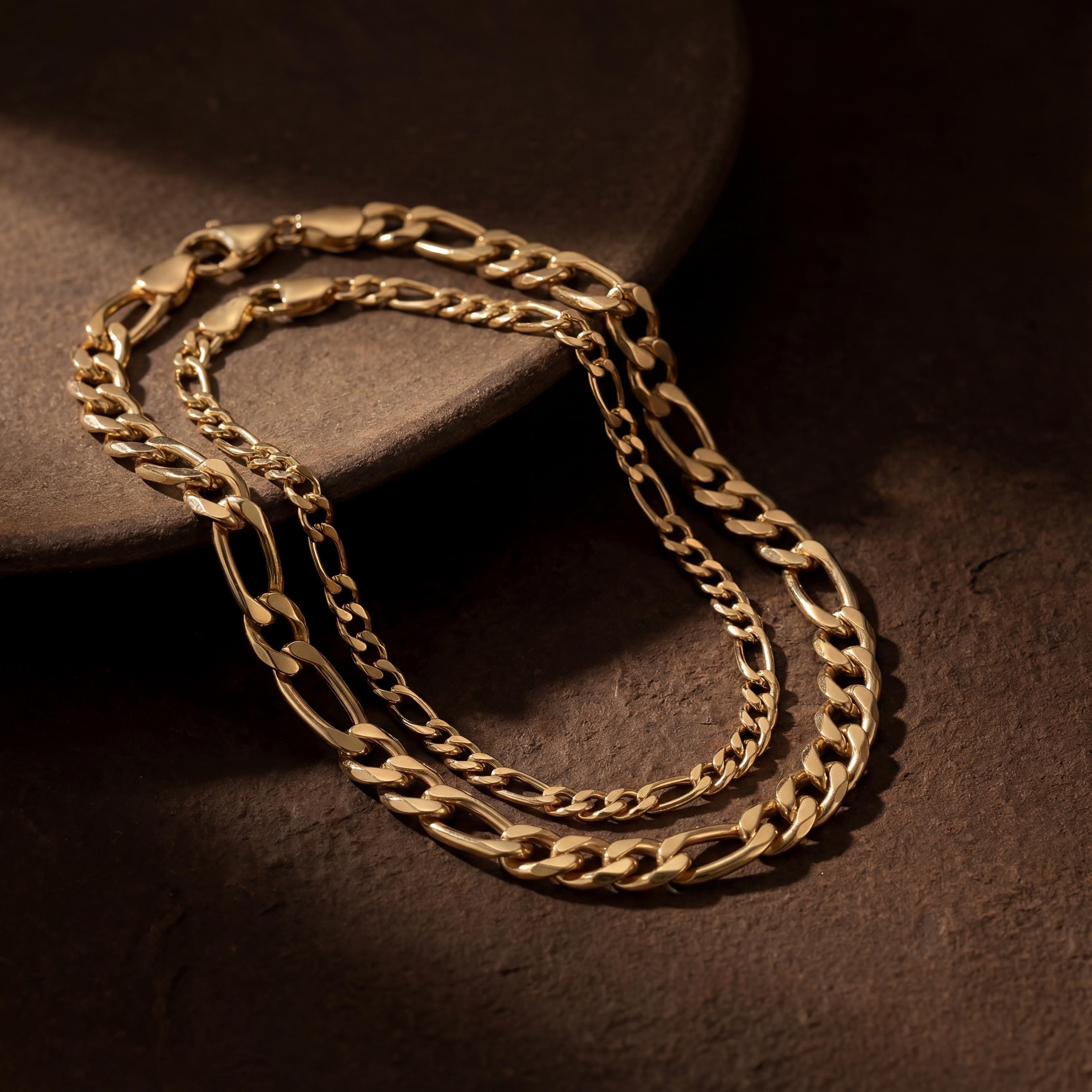
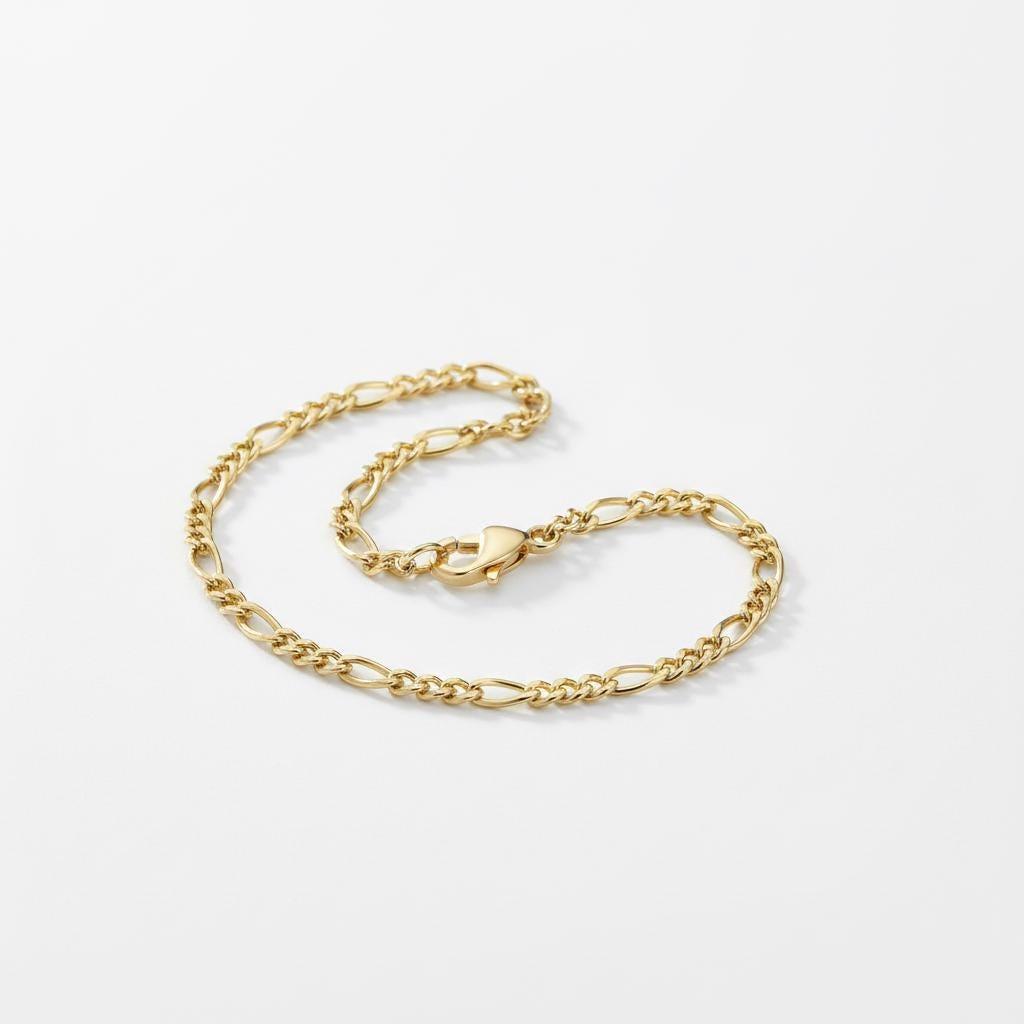
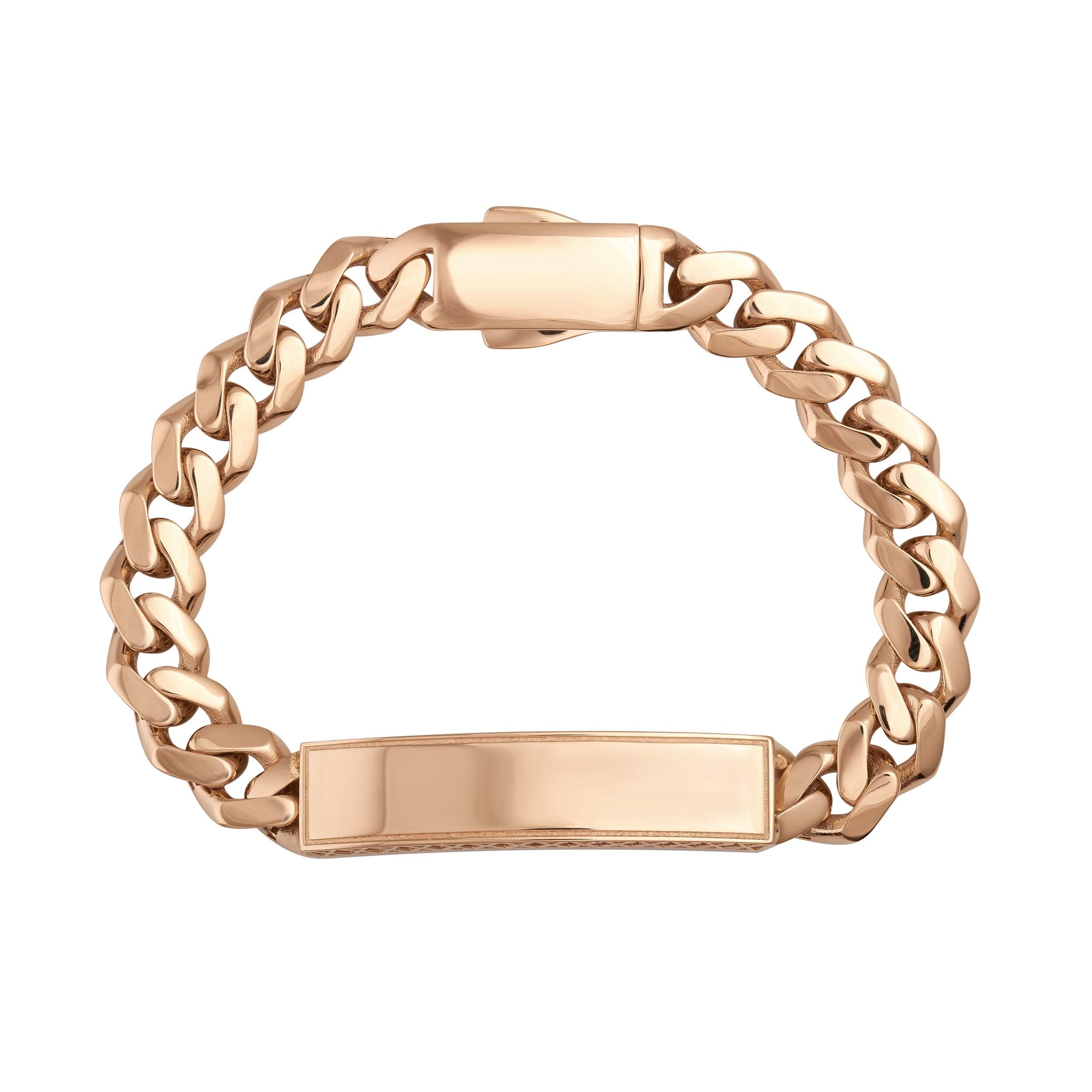
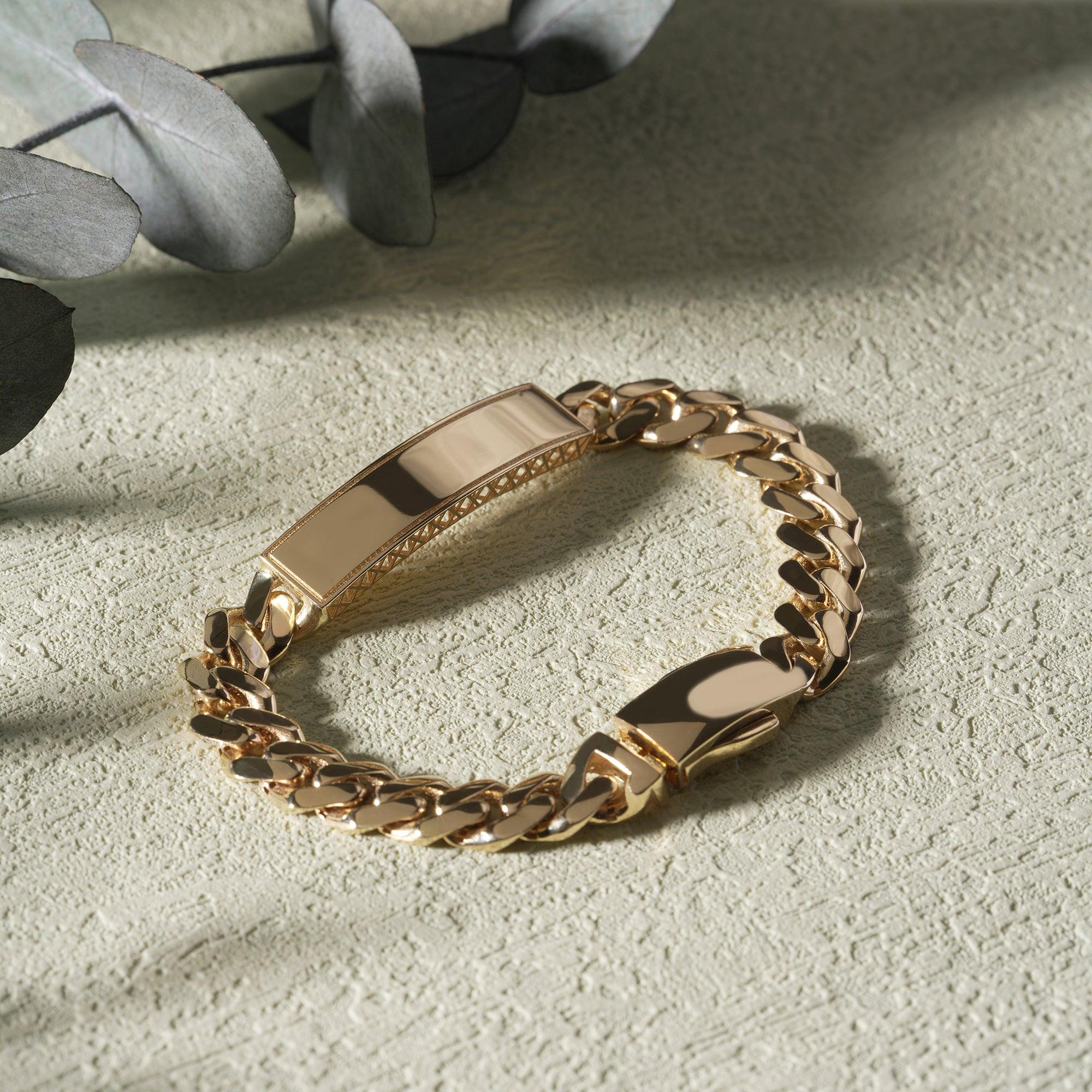
Necklaces & Bracelets: On the clasp or the small metal tag near the closure.
-
Earrings: On the post (the part that goes through the ear) or the earring back.

IV. Maker’s Marks: The Signature of Quality
In addition to purity stamps, you will often find a Maker’s Mark or Trademark. This is the logo or initials of the company that manufactured the piece.
Once you can read the stamp, the next question is which purity to buy. We explain the trade-offs in why 14K gold is the best choice for everyday jewelry.
Conclusion: Trust the Stamp, Know Your Jeweler
Ready to add a piece to your collection? Shop our 14K Gold Collection.
Did you check your jewelry today? What stamps did you find? Let us know if you need help decoding them in the comments!





Share:
How to Stack Rings: The Ultimate Guide to Layering and Styling Gold Rings
The Ultimate Birthstone Guide: Meanings and 14K Gold Gift Ideas
1 comment
What is 14K TGG OR T66