
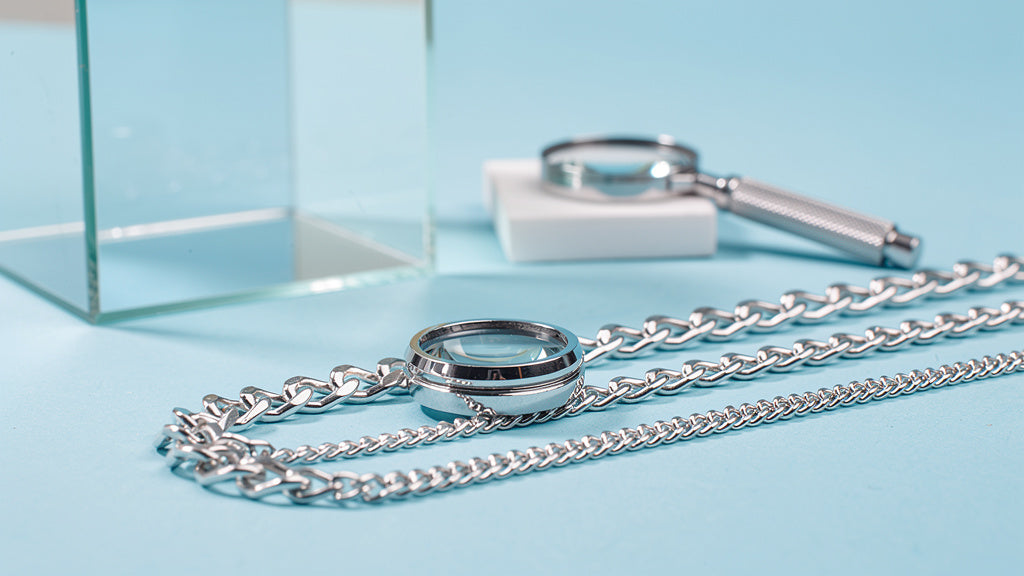
You see "925" stamped on a chain and wonder what it means. It means the metal is 92.5% pure silver. The other 7.5% is mixed in, usually copper, to make the soft silver tough enough to wear.
That mix is also called sterling silver. So 925 silver is real silver, just not 100% silver. Here is what the stamp tells you, how to check a piece, and how it compares with solid gold.
- 925 means 92.5% silver and 7.5% other metals. It is the standard grade for silver jewelry.
- Real 925 pieces carry a stamp, but a stamp alone is not proof. Weight, wear and a few simple tests help.
- Silver darkens with time and needs regular care. Solid 14K gold keeps its color with far less effort.
What 925 silver means
The number counts parts per thousand. Out of every 1,000 parts, 925 are pure silver. That is the same idea as 14K gold, which is 585 parts gold per 1,000.
Pure silver is too soft for daily wear. A ring made of it would bend and scratch fast. Adding a small share of another metal fixes that.
So when a seller says "925 silver," "sterling silver" or "sterling," they mean the same thing. All three describe the same alloy. The word "pure" does not fit, since 7.5% of it is not silver.
The grade is also why you will see it on chains, rings, bracelets and earrings. It is strong enough to hold a clasp and a link. Yet it is still easy to shape.
Some pieces say "925 silver is pure or not" in search results, but the answer is simple. It is not pure, and it is not meant to be. The small share of copper is the reason it lasts.
Stamps and marks to look for
Jewelers stamp the metal grade in a small, hidden spot. On a ring, look inside the band. On a chain, check the clasp or the tag near it. On earrings, check the post or the back.
Marks vary by country and maker. These are the ones you will meet most often.
| Mark | What it means |
|---|---|
| 925 or .925 | 92.5% silver, the sterling grade |
| STER or Sterling | Same grade, spelled out |
| 925 Italy | Sterling silver made or finished in Italy |
| 999 or .999 | Fine silver, 99.9% pure and very soft |
| SP or EPNS | Silver plated, only a thin layer over base metal |
The "Italy" in "925 Italy" names where it was made. It is not a higher grade. The silver content is still 92.5%.
A plated piece may carry no silver stamp at all. If a ring has "SP" or no mark and a low price, assume it is plated.

How to check if a piece is real
A stamp is a good first sign. But a stamp can be faked, and some sellers add it to plated items. Use the stamp plus a few more checks.
Simple checks at home
- Look at the wear. On silver, wear shows as grey or dark spots. On plated pieces, a different color often shows through at the edges.
- Use a magnet. Silver is not magnetic. If a strong magnet grabs the piece, there is steel or iron inside. A weak pull can come from a clasp spring, so test the main body.
- Rub it with a soft white cloth. Real silver leaves faint black marks on the cloth as it tarnishes. Plated pieces often do not.
- Feel the weight. Silver feels dense and cool. A very light "silver" chain for a very low price should raise questions.
None of these is a lab test. They are clues. For a piece you paid a lot for, ask a local jeweler to test it. The same logic applies to gold, and our guide on how to tell real gold from fake walks through those checks.
What shapes the price of 925 silver
People often search for the 925 silver price per gram. There is no single answer. The cost of the metal moves with the market, and the price of a finished piece adds more on top.
Three things drive what you pay. The first is weight, since a heavier chain holds more metal. The second is the work: a hand-finished or complex design costs more to make. The third is the seller, including any stones, brand name and shipping.
That is why two chains of the same length can sit far apart in price. Compare weight in grams, not just length. Also check the clasp and the link style, since thin links and weak clasps are where cheap chains fail first.
If a listing gives no weight and no stamp location, ask. A good seller answers both without fuss.
Tarnish and care
Silver reacts with sulfur in the air and on your skin. The result is a dark, dull film called tarnish. It is normal and does not mean the piece is fake.
It tends to build faster with humidity, perfume, lotion and sweat. A piece left in a drawer open to the air will dull faster than one sealed in a bag.
To slow it down:
- Store each piece in a small zip bag or a soft pouch.
- Put it on after lotion and perfume, not before.
- Wipe it with a soft cloth after you wear it.
- Take it off before you swim, shower or clean the house.
Light tarnish comes off with a silver polishing cloth. Heavy tarnish may need a proper silver cleaner. Skip rough scrubbing, since it scratches the surface.

925 silver vs solid 14K gold
Both are real precious metals. They behave very differently day to day.
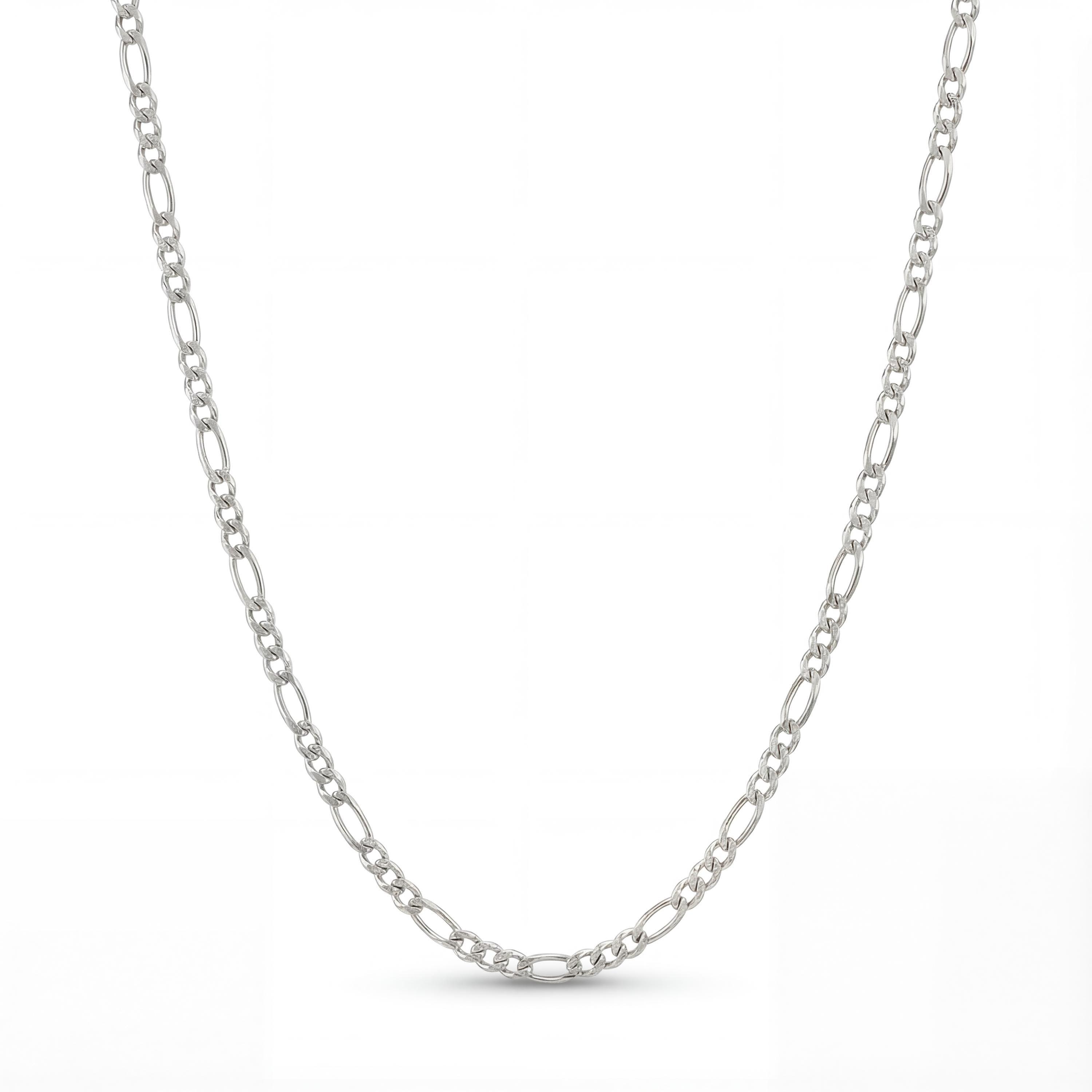
925 silver costs less up front. It has a bright, cool white look. It needs regular wiping and polishing, and it dulls over time.
Solid 14K gold is 58.5% gold, mixed with other metals for strength. It does not tarnish the way silver does, so a quick wipe is usually enough. You can read more in our guide on how to clean 14K gold jewelry at home.
It also helps to know that gold-plated pieces are a different thing. A thin layer of gold over a base metal can wear off. Our piece on why gold jewelry fades explains how that happens.
Think about how you will wear it. A chain you put on daily meets sweat, lotion and showers. That is where silver needs the most care and gold needs the least.
For a piece you wear now and then, silver is a fine choice. It looks sharp for a night out, and a quick polish brings it back.
Pick silver if you like the cool look and don't mind the upkeep. Pick solid gold if you want one piece to wear every day with little fuss.
Frequently Asked Questions
Is 925 silver good quality?
Yes. It is the standard grade for silver jewelry and is strong enough for daily wear. Quality still depends on the maker, the finish and the clasp.
Is 925 silver 100% silver?
No. It is 92.5% silver. The other 7.5% is usually copper, added so the metal is harder and holds its shape.
Is 925 silver worth anything?
Yes, it holds value as a precious metal. Its worth rises with weight and with the quality of the design. It is worth less per gram than gold.
Are 925 silver chains of good quality?
They can be. Look for solid links, a sturdy clasp and an even finish. Very light chains at very low prices are more likely to break or be plated.
Does 925 silver tarnish?
Yes. Silver darkens as it reacts with air and skin. Storing it sealed and wiping it after wear slows the change.
The Bottom Line
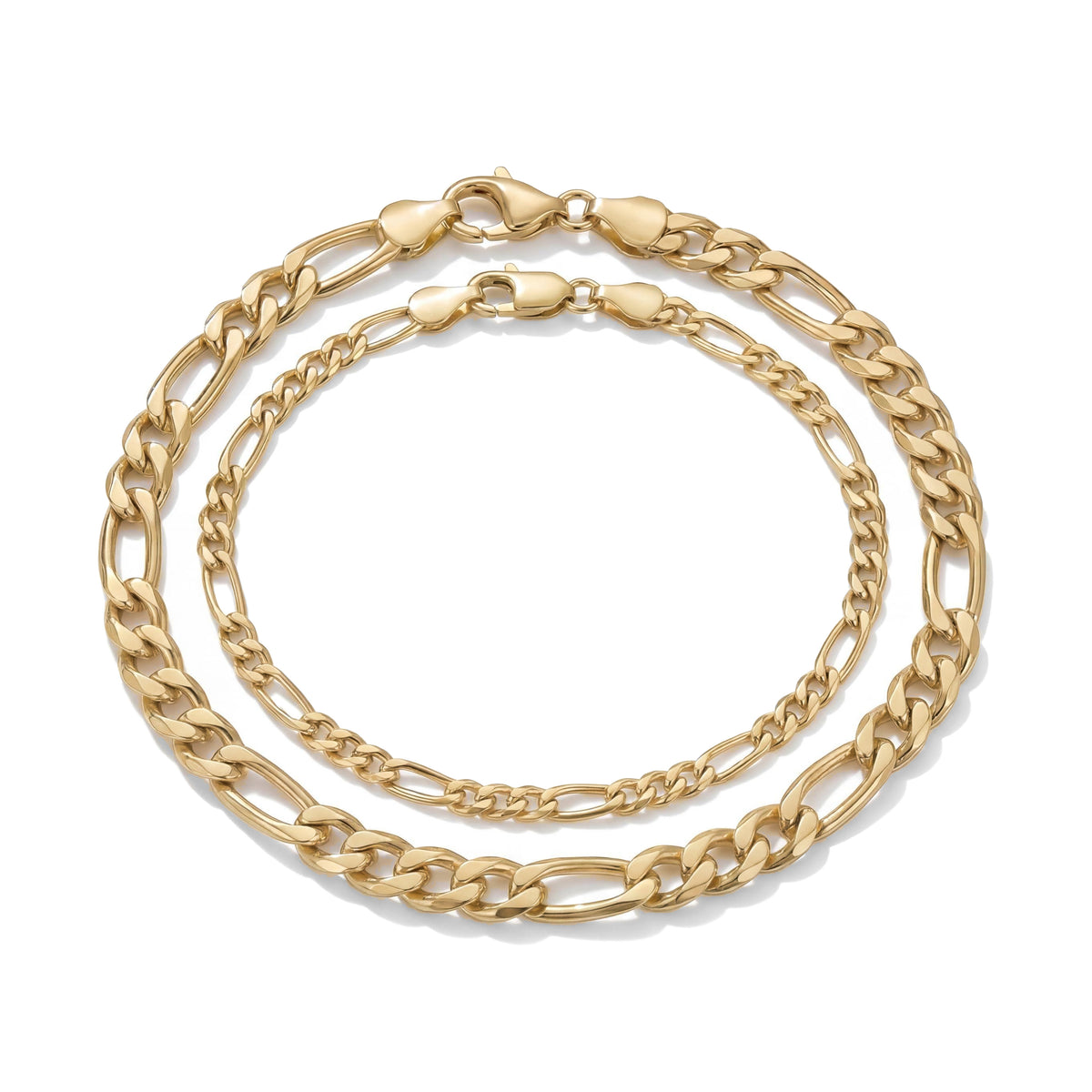
925 silver is real sterling silver: 92.5% silver, with a small share of other metal for strength. Look for the stamp, test the piece, and plan to polish it now and then. If you would rather have a metal that stays bright with less care, browse our Gold Chains collection.





Share:
Ear Piercing Chart: Every Placement and Earring Style
Meaning of Ring on Each Finger Man: A Simple Guide