

You want a bracelet that stays on your wrist. The clasp decides that. There are six main types of bracelet clasps, and each one trades ease, strength, and looks in a different way.
Some are easy to close with one hand. Others hold tight but take a little practice. This guide shows how each one works, where it fits best, and how to pick the right one for your wrist and your daily routine.
- The lobster clasp is the most common choice for fine chain bracelets because it is small and easy to trust.
- Box clasps with a safety latch suit heavier bracelets, while toggle and magnetic clasps suit easy, one-hand wear.
- Match the clasp to the weight of the bracelet and to how often you will take it on and off.
Bracelet Clasps at a Glance
A clasp is the small part that joins the two ends of a bracelet. It works hard. It carries the weight of the piece and takes a knock every time you move your arm.
The table below compares the most common styles. Use it as a quick map, then read the sections that follow for detail.
| Clasp | How it closes | Best for | One-hand use |
|---|---|---|---|
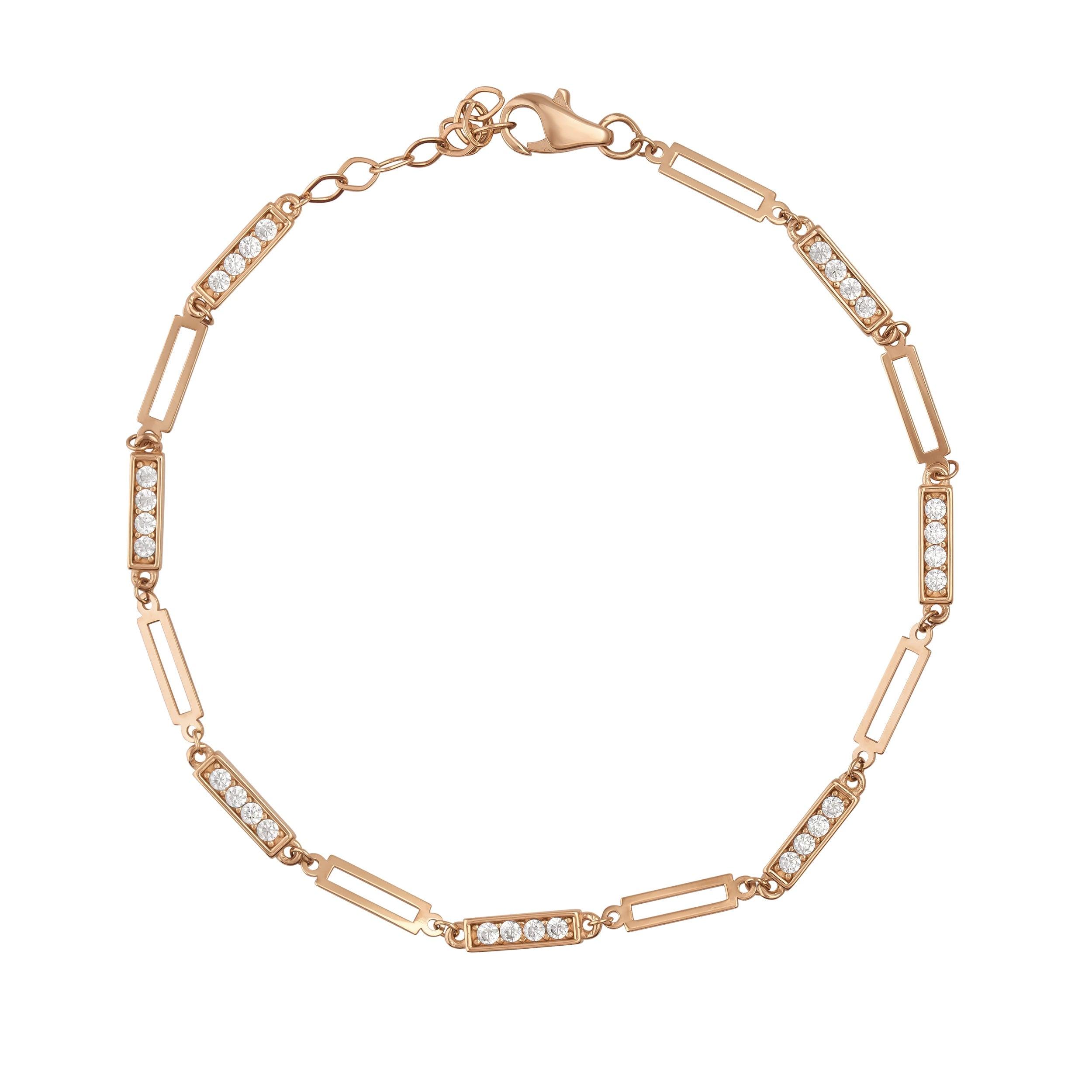
| Lobster | Spring claw clips onto a ring | Fine and mid-weight chains | Fair |
| Spring ring | Round gate opens with a tab | Light, thin chains | Hard |
| Box | Tab slides into a small box | Tennis and heavy bracelets | Easy |
| Toggle | Bar slips through a ring | Chunky links, bold looks | Easy |
| Magnetic | Two magnets pull together | Light pieces, easier hands | Very easy |
| Barrel screw | Two halves twist together | Pieces worn all day | Hard |
Lobster and Spring Ring Clasps
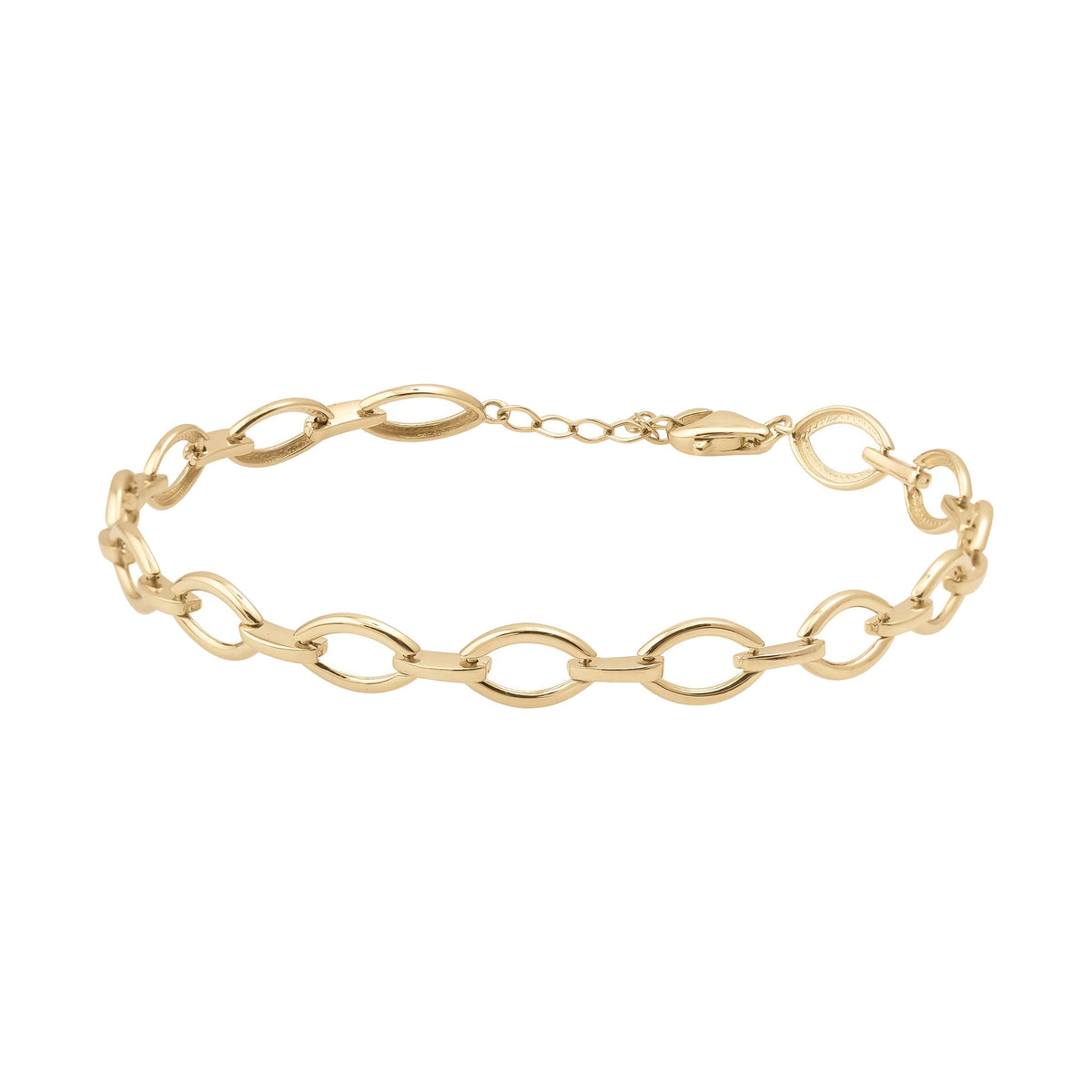
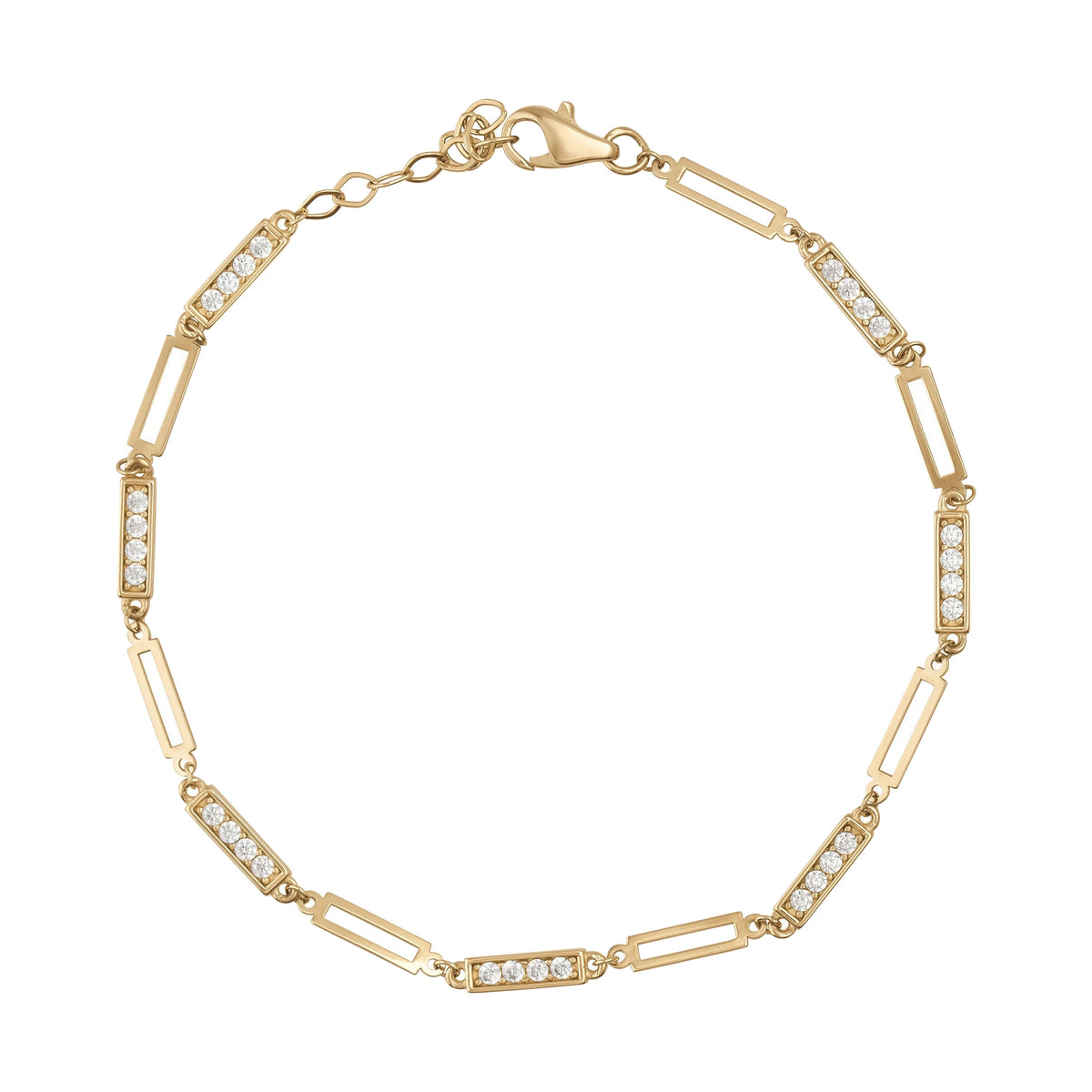
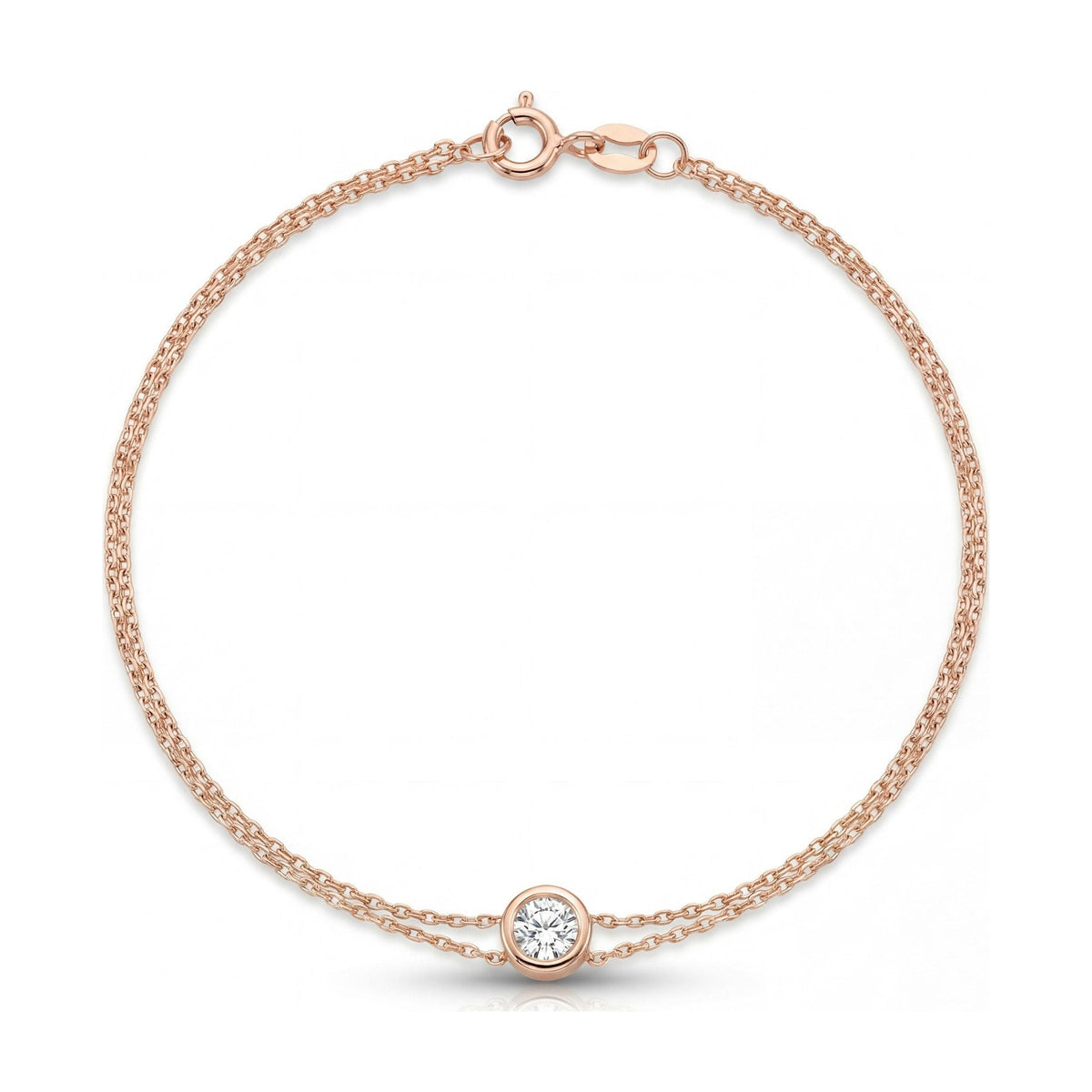
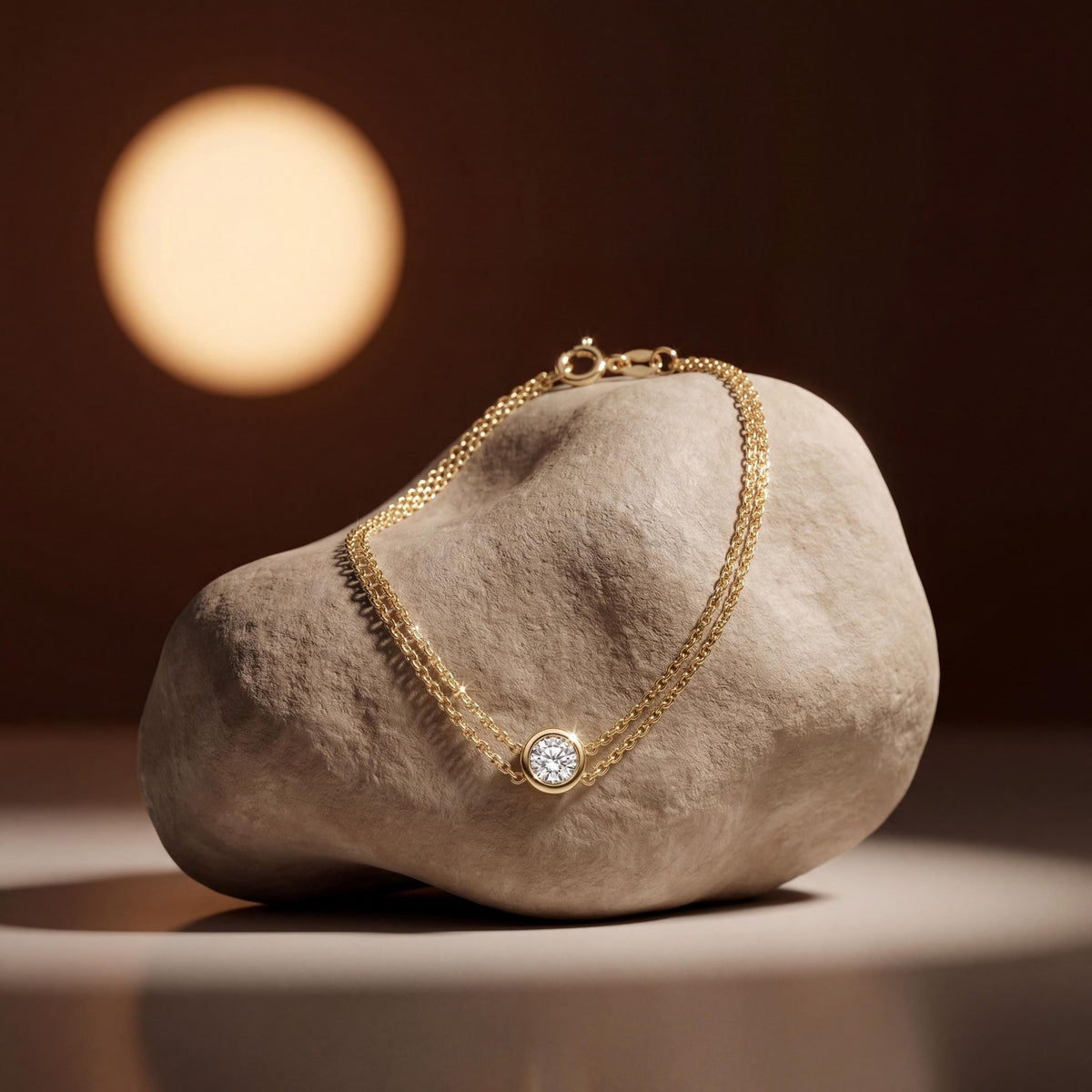
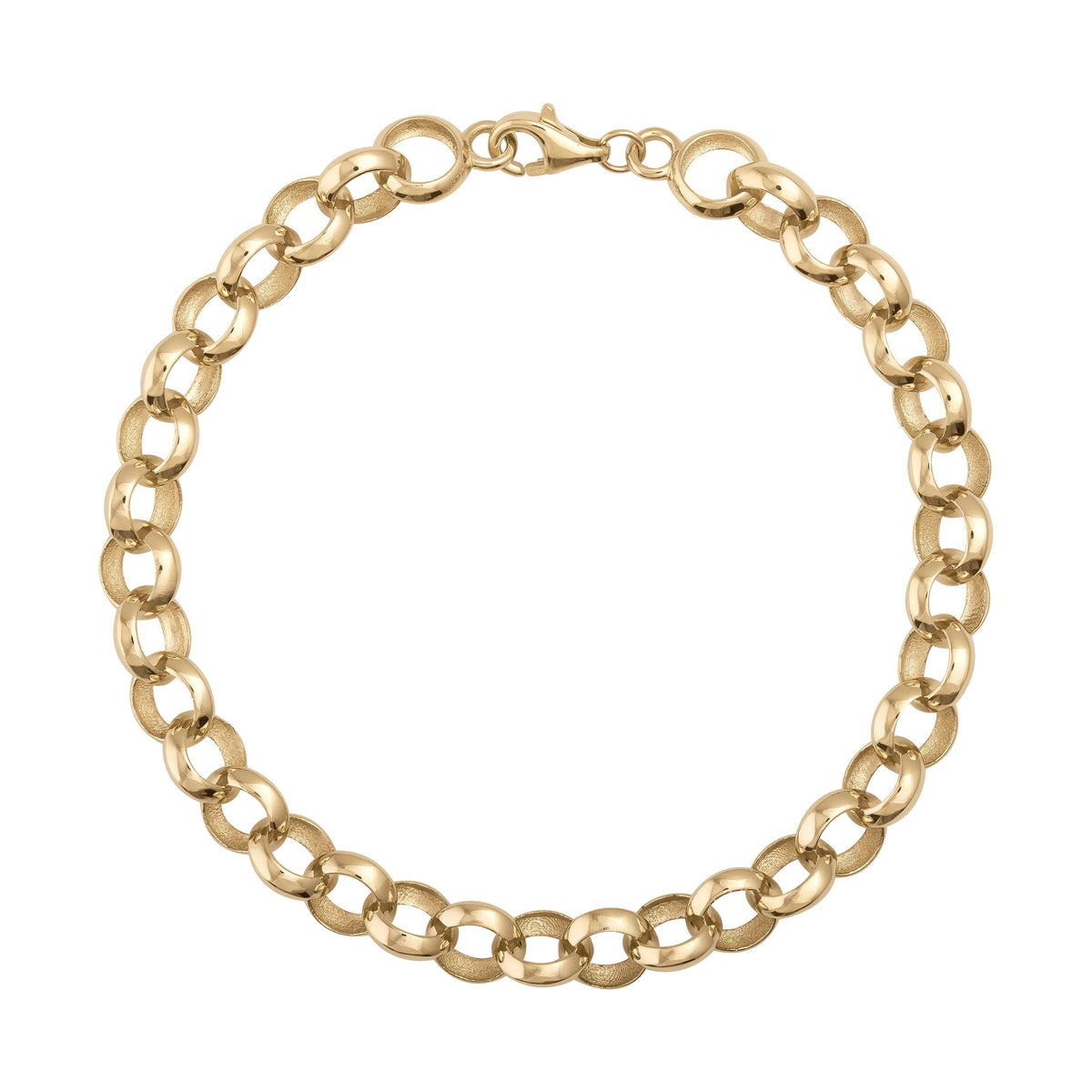
The lobster clasp is the one you see on most gold chain bracelets. It looks like a tiny claw. You pull a small lever, the claw opens, and it clips onto a ring at the other end.
Its strength is its shape. The claw stays shut under spring tension, so it does not pop open when you move. It is also small enough to sit neatly on a dainty chain.
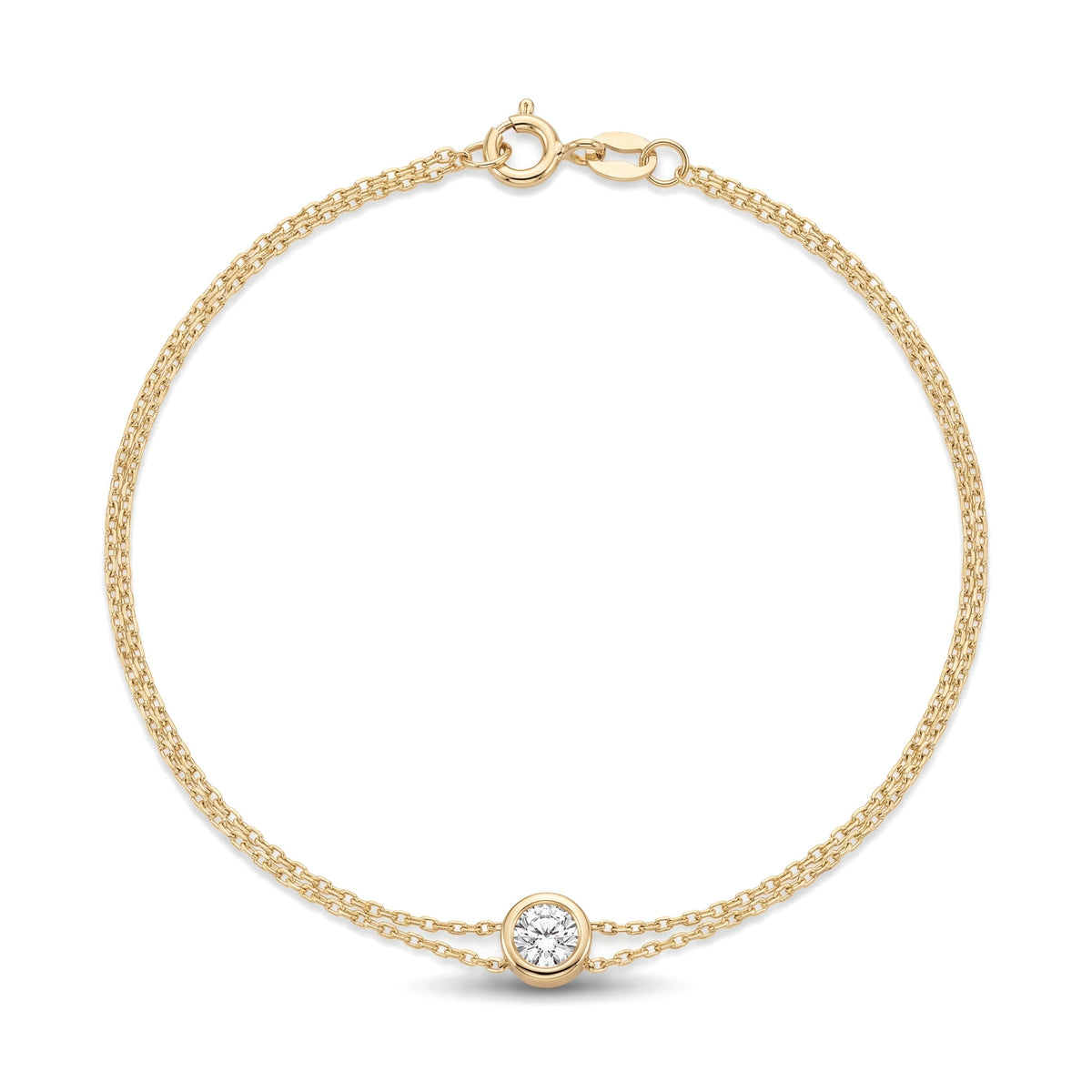
The spring ring clasp is the older, simpler cousin. It is a hollow ring with a tiny gate that you open by pressing a tab. It works well on very thin chains where a lobster claw would look too big.
The downside is fiddly handling. Pressing that tiny tab with one hand is hard. Many people find it easier to ask a friend for help or to use a bracelet helper.
If you are choosing between the two for a bracelet you will wear every day, a lobster clasp is usually the easier pick. The lever is bigger, and the claw is less likely to wear out the gate over time.

Box Clasps and Safety Latches
A box clasp has a flat tab on one end and a small box on the other. You push the tab in, and it clicks into place. You will often find it on tennis bracelets and other pieces with a row of stones.
It is easy to close with one hand. The tab holds by friction, so on its own it can slip free if it gets caught on a sleeve.
That is why many box clasps add a safety latch. This is a small hinged bar, often in a figure-eight shape, that folds over the clasp and locks it. Good jewelers add one to any heavier or more valuable bracelet.
A fold-over clasp is a close relative. It hides the closure under a flat cover that snaps shut, so the bracelet looks like one unbroken band. It suits wide, flat styles.
Toggle, Magnetic, and Barrel Clasps
A toggle clasp has a ring on one side and a short bar on the other. You slip the bar through the ring, and the bracelet's weight holds it in place. The ring is part of the design, so it often sits at the front of the wrist.
Toggle clasps look bold and are easy to use. They work best on chunky chains, where the ring and bar echo the link shape. On a very light bracelet, they can turn over and slip open.
Magnetic clasps use two small magnets that snap together. They are the easiest of all to close. They suit anyone with sore hands or limited grip.
They have limits. A strong knock can pull the halves apart, so they work best on light pieces. People with a pacemaker or similar device should ask their doctor before wearing magnets close to the body.
A barrel screw clasp has two small halves that twist together like a tiny bolt. Once tight, it holds very well. It takes patience to line up and turn, so it suits pieces you plan to keep on for days.

How to Choose the Right Clasp
Start with the weight of the bracelet. A light, thin chain needs a small clasp. A heavy, wide bracelet needs a clasp with a latch or a wider closure that spreads the load.
Next, think about how you live. If you put your bracelet on and off each day, ease of use matters most. If you wear it for weeks, security matters more than speed.
Then think about your hands. Lobster and box clasps are easiest for most people. If fine tabs are hard to press, pick a magnetic or toggle style.
Fit matters too. A clasp sits on top of the length, so a bracelet with a thick clasp can feel a little shorter on the wrist. Our guide to measuring your wrist for a bracelet shows how to allow for it.
Last, look at the metal. A clasp in solid 14K gold keeps its color and spring for years. Cheaper plated clasps often wear first, because the clasp moves more than any other part.
How to Check and Care for a Clasp
The clasp is the first part to fail on most bracelets. A quick check every few weeks saves a lot of regret. Close the clasp, then tug the bracelet gently on both sides.
Look at the lobster claw or spring ring gate. It should snap back fast and sit flush. If it feels slack, it is time for a repair.
Dirt can also build up inside a clasp and make it stiff. Our walkthrough on cleaning 14K gold jewelry at home covers a gentle method that is safe for moving parts.
Take the bracelet off for heavy lifting, sports, and sleep. Most lost bracelets come loose when a sleeve or bag strap catches the clasp.
Frequently Asked Questions
What are the different kinds of bracelet clasps?
The most common kinds are lobster, spring ring, box, toggle, magnetic, and barrel screw clasps. Fold-over and hook-and-eye clasps also appear on some styles. Each one trades ease of use against holding strength.
What is the most secure clasp for a bracelet?
A box clasp with a safety latch and a barrel screw clasp both hold very well. A lobster clasp in good condition is also a trusted choice for chain bracelets. No clasp is perfect, so check it often.
What are the different types of bracelet locks?
People use "lock" and "clasp" to mean the same thing. The locking types are box clasps with safety latches, barrel screw clasps, and fold-over clasps with a snap cover. Lobster claws and spring rings lock by spring tension.
Which bracelet clasp is easiest to use with one hand?
Magnetic clasps are the easiest, followed by toggle and box clasps. Lobster clasps take a little practice. Spring ring clasps are the hardest to close alone.
Can a bracelet clasp be replaced?
Yes. A jeweler can solder a new clasp onto most chain bracelets. It is a quick repair, and it is worth doing as soon as the clasp feels loose.
The Bottom Line
Pick the clasp that fits the weight of your bracelet and the way you live. Lobster clasps suit most chains, box clasps with a latch suit heavier pieces, and toggle or magnetic clasps suit easy daily wear.
Ready to find your next piece? Browse the 14K Gold Bracelets collection and check the clasp on each one.






Share:
Emerald Natural: How to Judge and Spot a Real Emerald
Emerald Crystal: What It Is and How to Wear the Look