
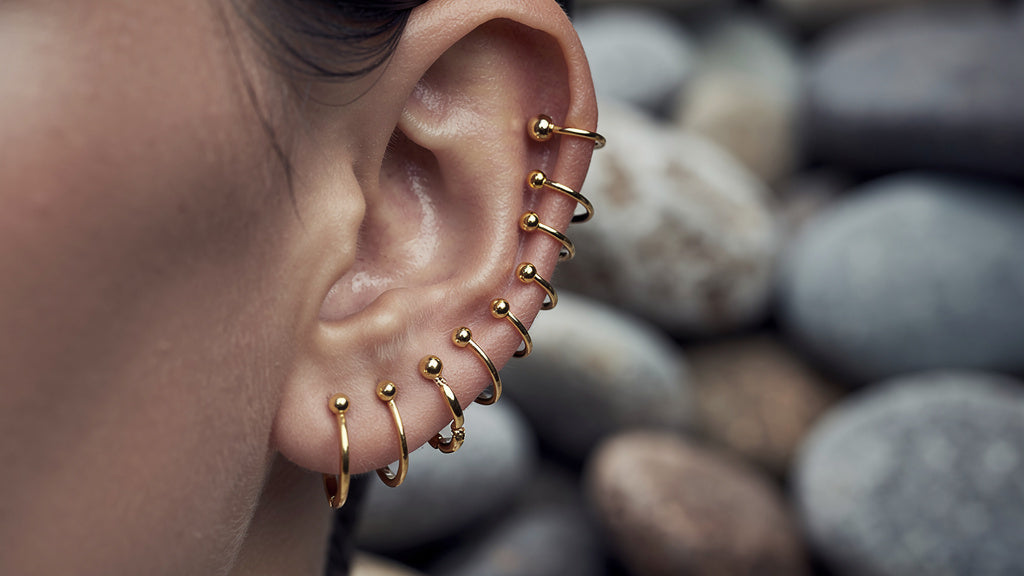
You want to pierce your ear, but you do not know what each spot is called. An ear piercing chart fixes that. It maps every placement on the ear, from the classic lobe to the helix, conch and daith.
Use the chart below to match a name to a spot. Then see how each piercing looks, how it feels, and which earring style suits it best.
- Lobe piercings suit most first-timers. Cartilage spots like the helix and conch need more planning.
- Each spot has a best-fit earring: studs for flat areas, hoops and huggies for edges and curves.
- Plan the whole ear before you start, so each new piercing leaves room for the next.
The Ear Piercing Chart at a Glance
Picture your ear in two zones. The soft, fleshy bottom is the lobe. The firm, curved upper part is cartilage.
This table lists the most popular spots, where they sit, and the earring shapes that fit them well.
| Piercing | Where it sits | Best earring shape |
|---|---|---|
| Standard lobe | Center of the lower lobe | Studs, hoops, drops |
| Upper lobe | Above the standard lobe hole | Small studs, huggies |
| Helix | Upper outer rim | Small hoops, studs |
| Forward helix | Front rim, near the face | Studs, tiny hoops |
| Flat | Flat plate of cartilage | Flat-back studs |
| Conch | Inner bowl of the ear | Studs, larger hoops |
| Daith | Inner fold above the canal | Small hoops, clickers |
| Rook | Fold above the daith | Curved studs, small hoops |
| Tragus | Small flap by the face | Flat-back studs |
| Snug | Inner ridge, lower down | Curved studs |
Lobe Piercings
The lobe is where most people start. It has the most room, so you can add several piercings over time. It also takes almost every earring style.
A standard lobe sits near the center. An upper lobe goes a little higher, and a stacked lobe adds a third or fourth hole in a neat line. Together they make a soft, balanced look.
Spacing matters here. Leave a little gap between holes so each earring has room to sit flat. A piercer can mark the spots first, and you can check them in a mirror.

Cartilage Piercings
Cartilage spots run along the rim and inside the curves of the ear. They give the ear a more detailed, styled look.
Rim and flat spots
The helix runs along the upper outer edge. A forward helix sits at the front, close to the face. Both look great with a tiny hoop or a gold stud.
The flat piercing sits on the smooth plate of the ear. It shows off a single small stud very well.
Inner ear spots
The conch sits in the deep bowl of the ear. The daith, rook and snug sit in the inner folds. The tragus is the small flap next to the face.
These spots depend on how your ear is shaped. Not every ear has room for every piercing. A good piercer will check your ear and tell you which ones work.
How Each Piercing Feels
People often ask which ear piercing is the most painful. There is no single answer, because feelings differ from person to person. Skill and technique also change the experience.
Still, many people report a pattern. The lobe feels like a quick pinch. Cartilage spots often feel sharper and more intense for a moment. Thicker areas like the conch and daith are often ranked toward the stronger end.
Aftercare matters just as much as the moment itself. Follow your piercer's written advice, and ask them about healing time for your spot. We leave health questions to your piercer.

Choosing Earrings for Each Spot
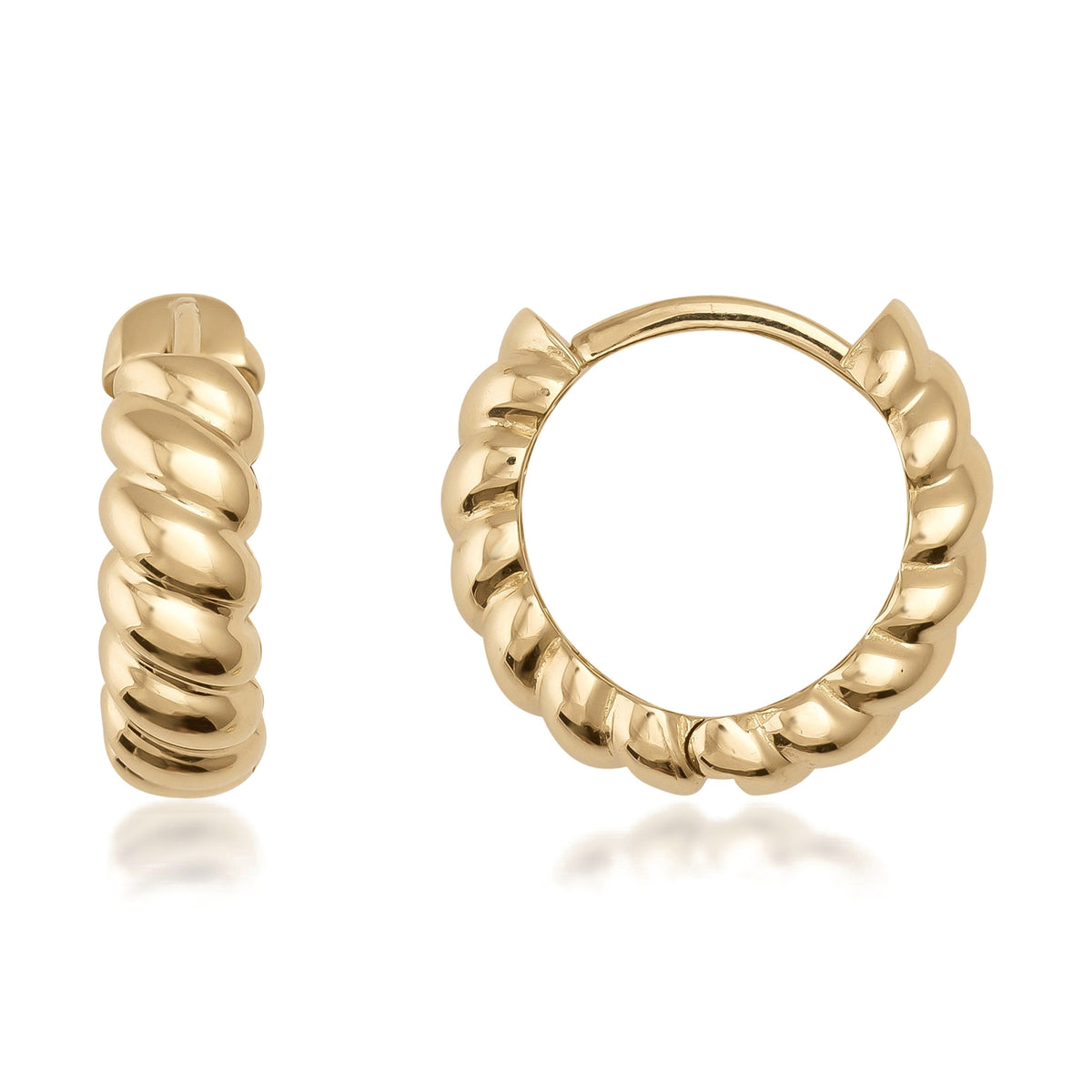
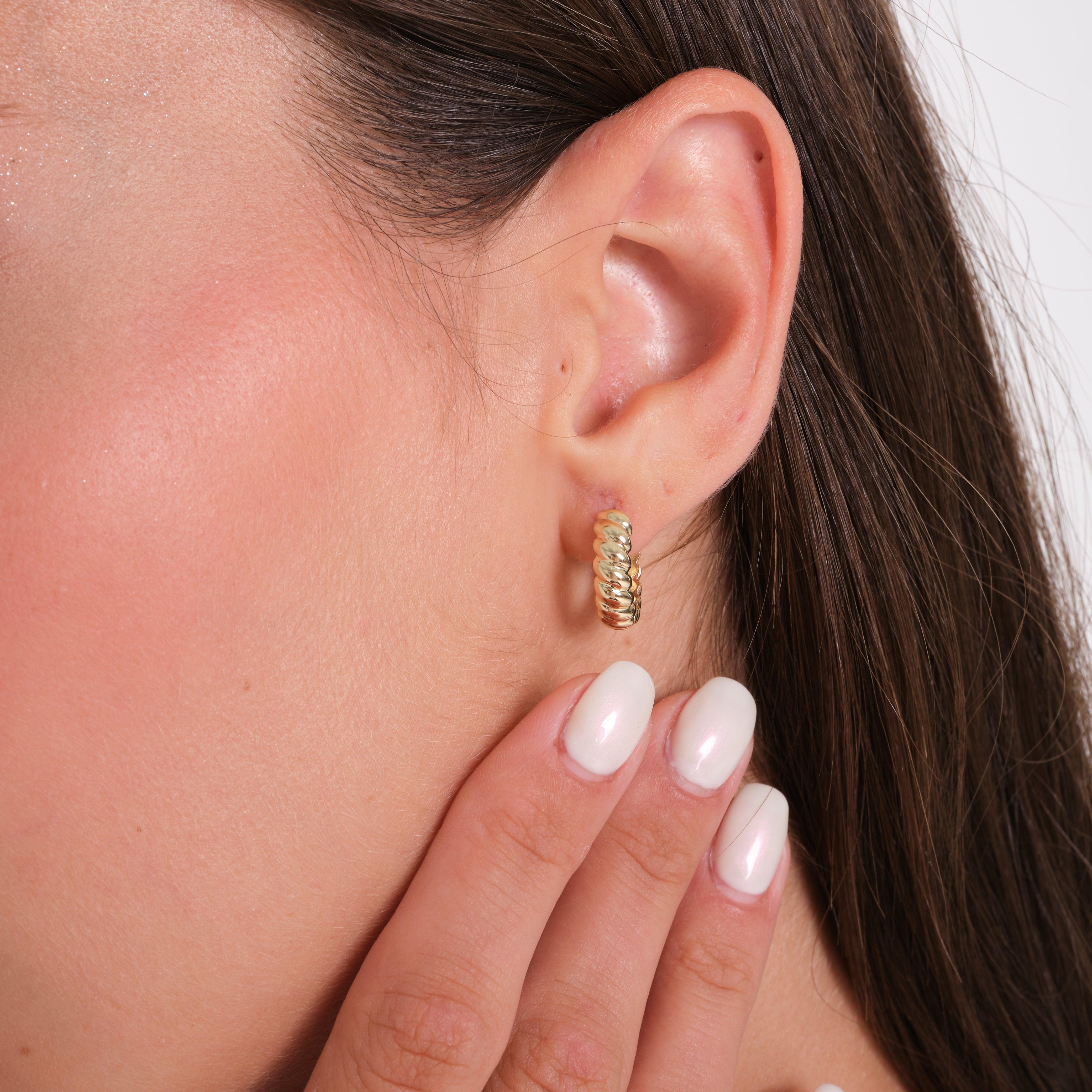
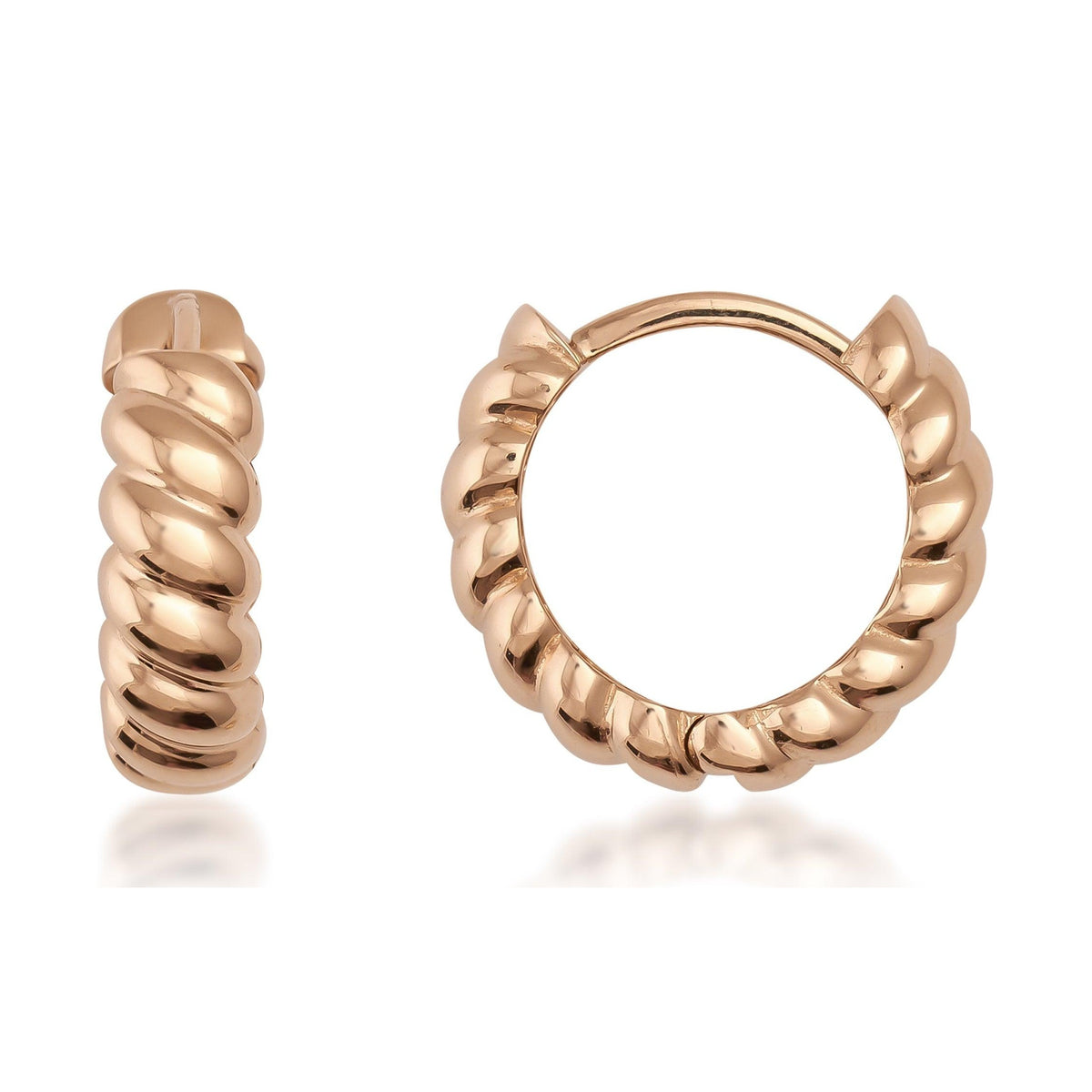
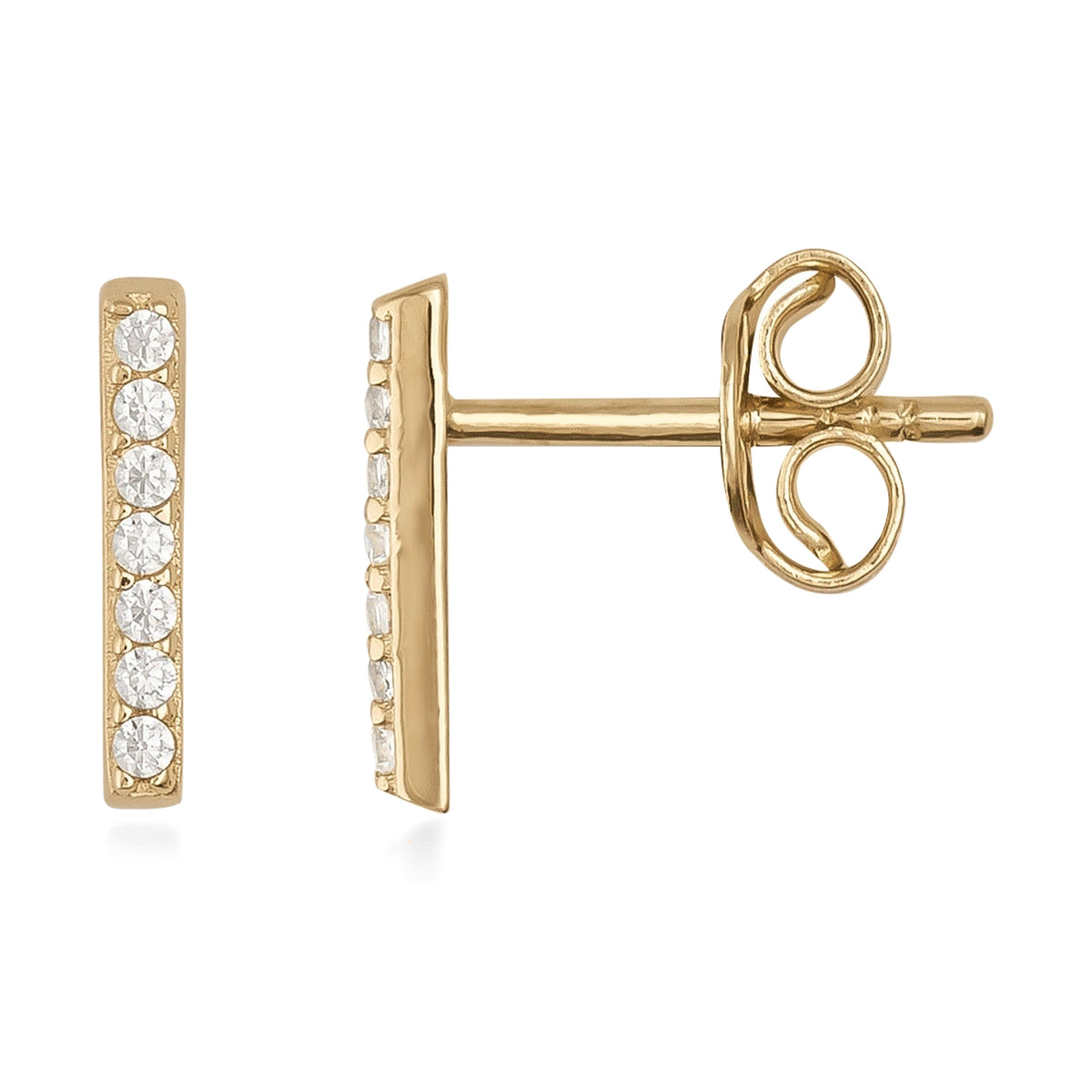
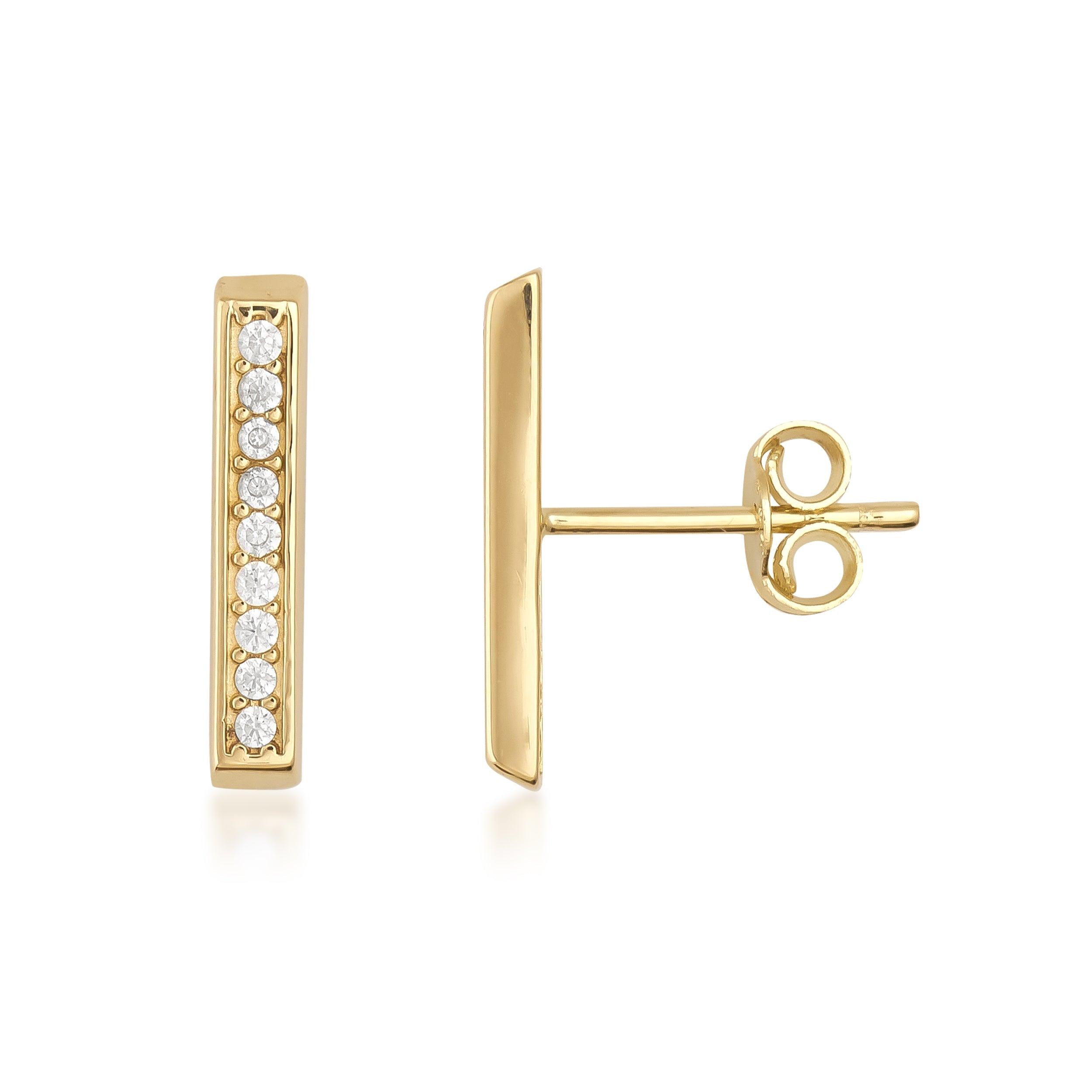
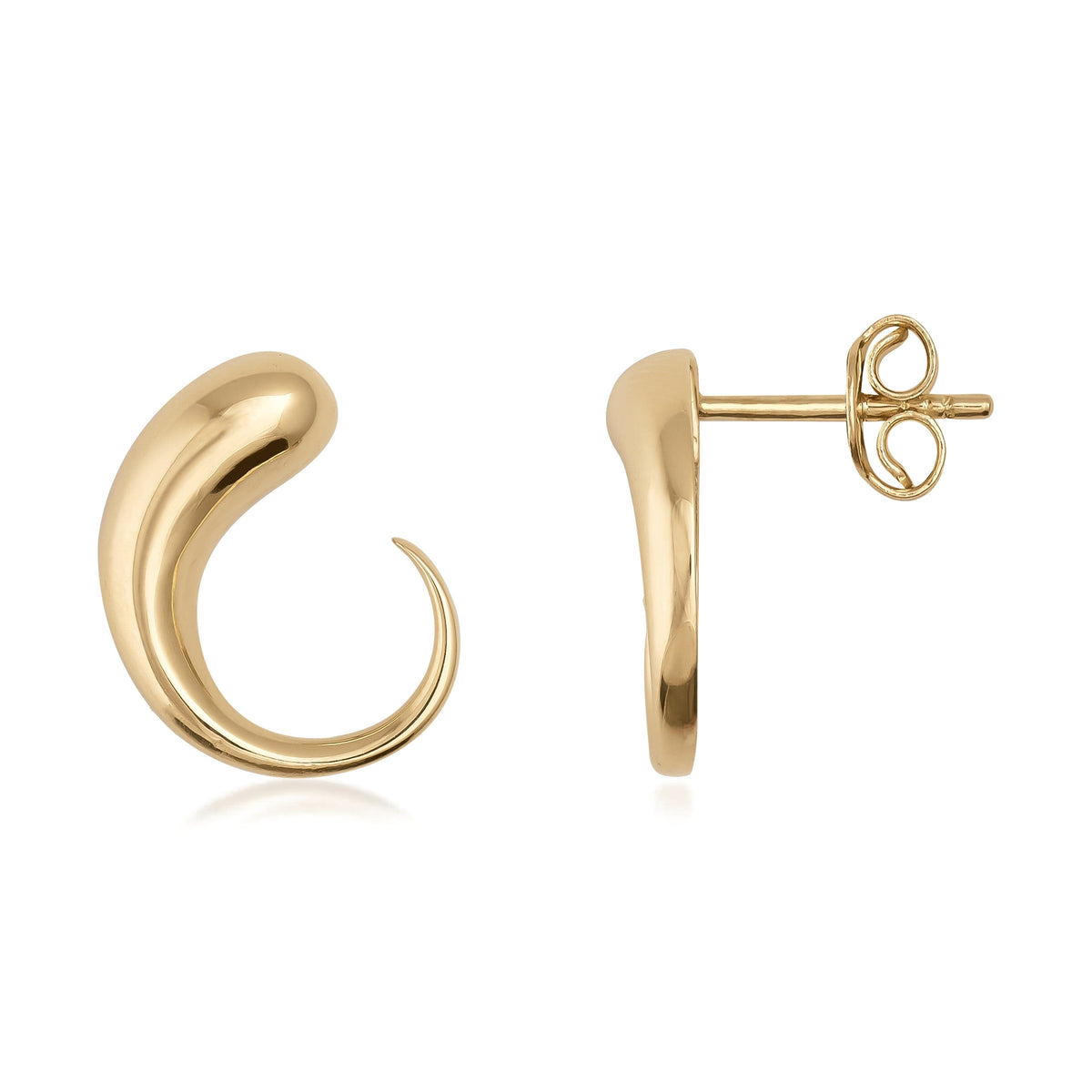
Once a piercing is ready for jewelry, shape and size decide how it looks. Flat areas like the tragus and flat piercing suit small studs with a flat back. Rim spots like the helix suit tiny hoops or huggies.
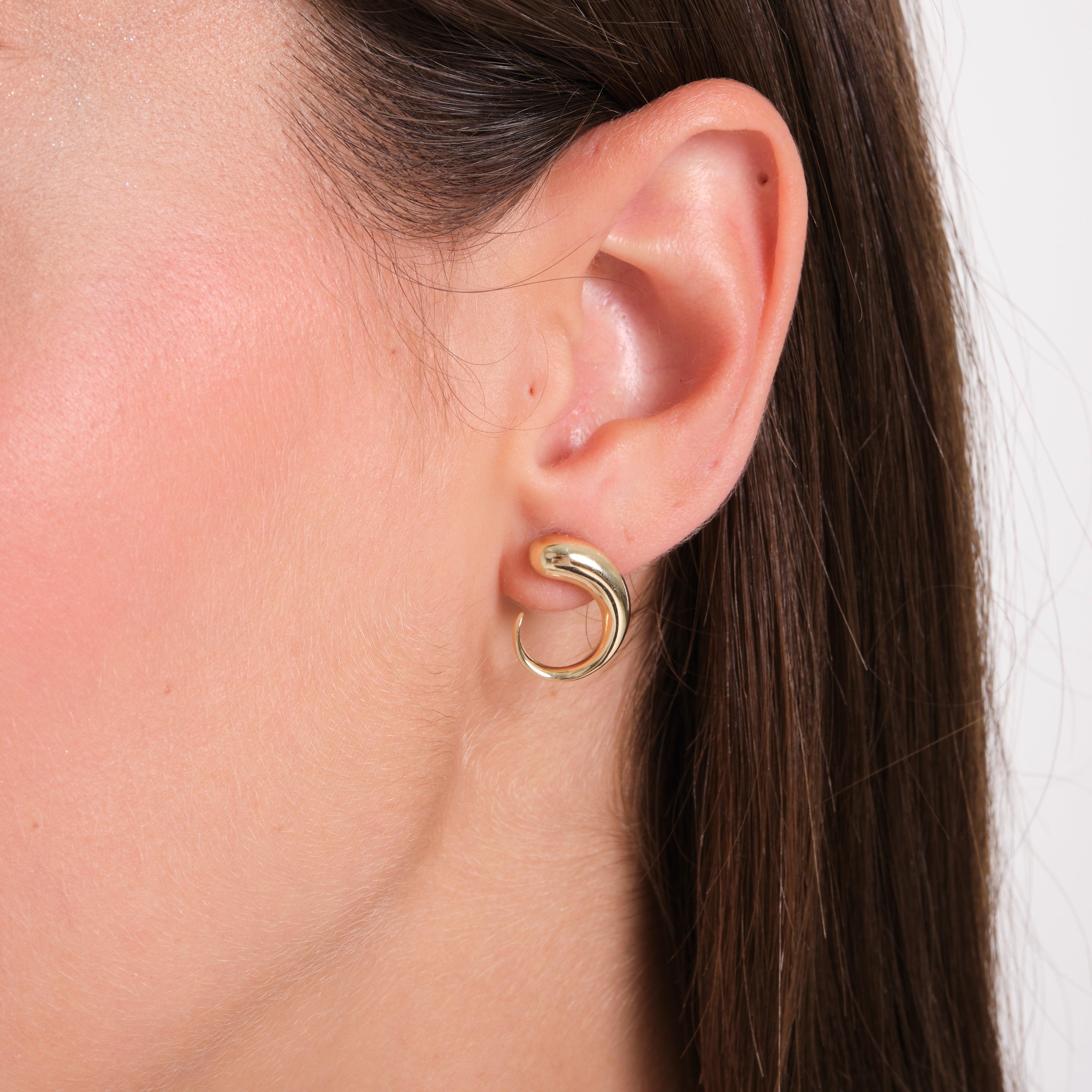
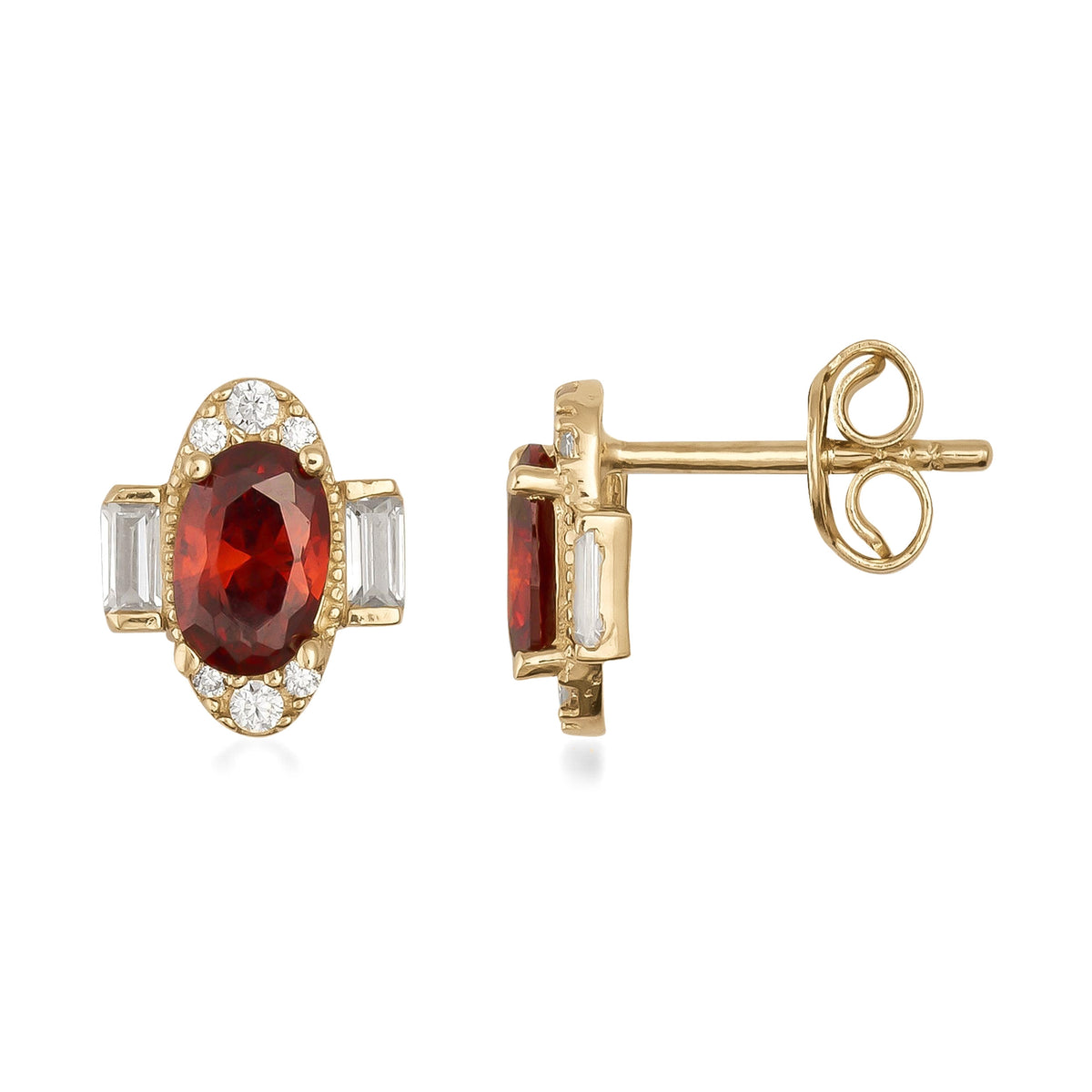
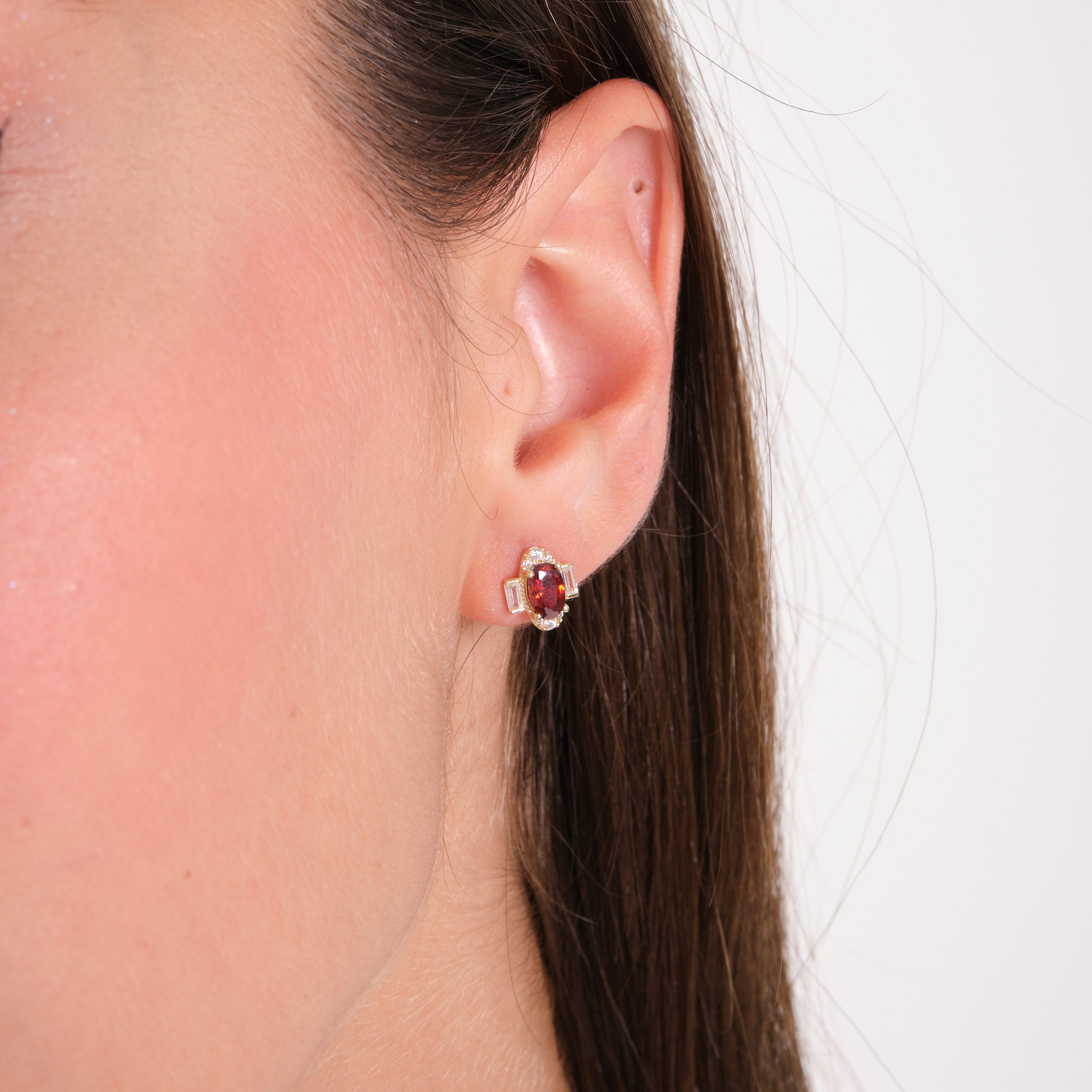
Solid 14K gold is a smart choice for earrings you plan to wear every day. It holds its color and does not plate off. Our pieces are made to order, and stones are cubic zirconia or other simulated stones.
Start simple. A small gold stud or huggie goes with everything. You can then add a bolder piece once you know what you like.
Browse our Gold Earrings collection to compare studs, hoops and huggies. You can also see what other customers love in the Best Sellers collection.
Size matters too. Studs come with posts of different lengths, and hoops come in different diameters. A small hoop of 6 to 8 mm hugs the lobe or rim. A larger hoop hangs lower and shows more of the metal.
Fit changes by spot. A stud on the lobe sits on a thin layer of tissue. A stud in the conch sits on a thicker area and needs a longer post. Ask your piercer which post length they used for you.
How to Plan Your Ear
Good ear styling starts with a plan. Look at your ear in a mirror and think about the final look. Do you want a tidy line of small studs, or a mix of hoops and studs?
A popular idea is the 3/2 rule. It means three piercings on one ear and two on the other. The uneven count looks relaxed and casual, not too matched.
Whatever you pick, add piercings one or two at a time. Give each spot time to settle before you add the next. This keeps the look neat and leaves space for future earrings.
Think about balance as well. If one ear holds a bold conch hoop, keep the lobe simple. If the lobe is crowded with small studs, let one larger piece stand out on the rim. A few contrasts make the whole ear look planned.
Mix metals with care. Wearing all gold gives a clean, matched look. Solid 14K gold in one shade across the whole ear is the easiest way to get that.
Finally, remember that a chart is a guide. Ears are shaped differently, and two people can have the same piercing in slightly different places. Treat the names as a shared language you can use with your piercer.
A few common slips are easy to avoid. Do not copy a piercing map from a photo without checking your own ear. Do not pick jewelry before you know your post length. And do not rush the plan, because a rushed layout is hard to undo.
Keep a simple note on your phone. Write down each piercing, the date, and the earring size. When you shop later, you will know exactly what fits each spot, and ordering gets much easier.
Frequently Asked Questions
What is the most painful ear piercing to get?
It depends on the person. Many people say thick cartilage spots like the conch and daith feel the strongest, while the lobe feels the mildest. Your piercer can tell you what to expect.
What's the 3/2 piercing rule?
It is a styling idea: three piercings on one ear and two on the other. The uneven balance gives a relaxed, curated look.
What is the prettiest ear piercing to get?
That is a matter of taste. Upper lobe and helix piercings are popular because they pair well with studs and small hoops. Pick the spot that fits your ear and your style.
Which types of ear piercings are most painful?
Cartilage piercings are usually reported as sharper than lobe piercings. Spots in the thick inner ear, such as the conch, often rank highest. Everyone feels it differently.
The Bottom Line
An ear piercing chart helps you name each spot, choose a style, and plan the whole ear. Start with the lobe, add cartilage later, and pick earrings that fit each spot. Shop our solid 14K Gold Earrings collection to find your first pair.






Share:
How To Shorten A Necklace Chain: 5 Easy Methods
925 Silver: What the Stamp Means and How to Check It