
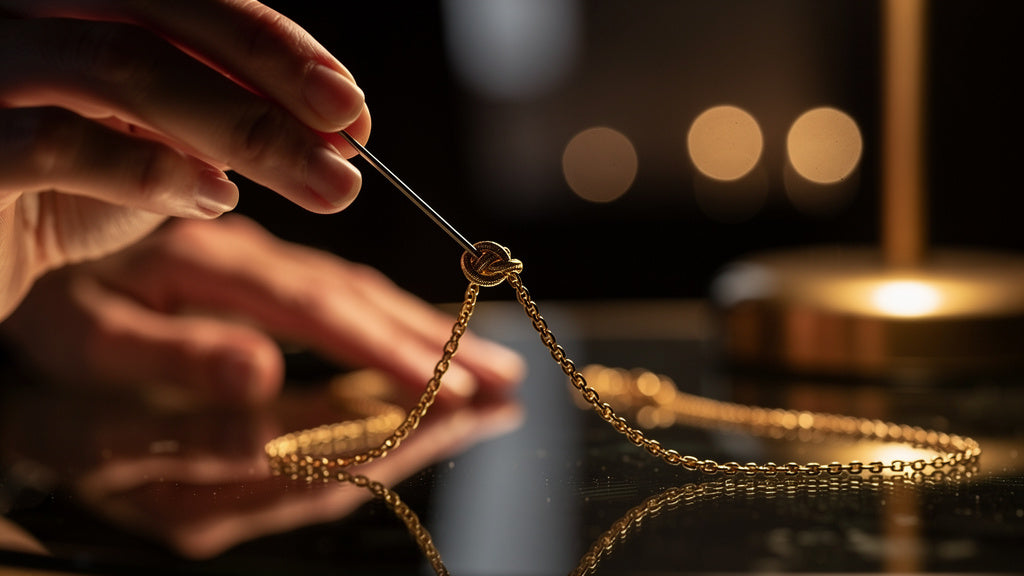
A knotted necklace chain feels hopeless at midnight, but almost every tangle comes loose in under ten minutes. The trick is knowing how to untangle a necklace without pulling, which only tightens the knot and stresses the links.
This guide covers the fastest fixes: a drop of oil, two pins, or just your fingers and patience. You'll also find tips to keep your chains from tangling again, so you're not doing this every week.
- A drop of oil or a sprinkle of baby powder loosens tight knots so the chain slides free without snapping.
- Work a stubborn knot apart with two pins instead of your fingers to protect delicate links.
- Store necklaces flat or hung separately to stop a tangled necklace before it starts.
Before You Start: What You'll Need
Unclasp the necklace first. A closed clasp holds the knot tight and makes it harder to work loose.
Lay the chain on a flat, well-lit surface. A plain placemat or a sheet of white paper works better than a rug or a couch cushion, since loose links are easy to lose in fabric.
Gather two straight pins or sewing needles, a drop of baby oil or olive oil, and a magnifying glass if you have one. Thin gold chains have small links, and good light makes the knot's shape much easier to read.
Give yourself a few uninterrupted minutes. Rushing is the main reason a small tangle turns into a bigger mess, since forcing a stuck loop only tightens it further.
Take a moment to look at how the knot sits before you touch it. Most tangles are just a few loops crossed over each other, not one solid mass, and spotting the pattern first saves you time.
If your hands are dry, rub a little lotion into your fingertips first. Smooth fingers grip the fine chain more gently than dry, catchy skin, which matters on delicate 14K links.
Which Method Should You Try First?
Not every tangled necklace needs the same fix. A loose knot in a thicker chain often comes apart by hand in seconds, while a tight knot in a fine chain usually needs oil and a pin.
| Method | Best for | Time | Tools needed |
|---|---|---|---|
| Oil method | Small, tight knots | 5-10 minutes | Oil, two pins |
| Pin and toothpick | Larger, loose tangles | 5 minutes | Two pins or toothpicks |
| By hand | Simple loops, thicker chains | 2-5 minutes | None |
| A jeweler | Severely knotted fine chains | Varies | Professional tools |
Start with the method that matches your chain. You can always move to a stronger fix if the first one doesn't budge the knot.
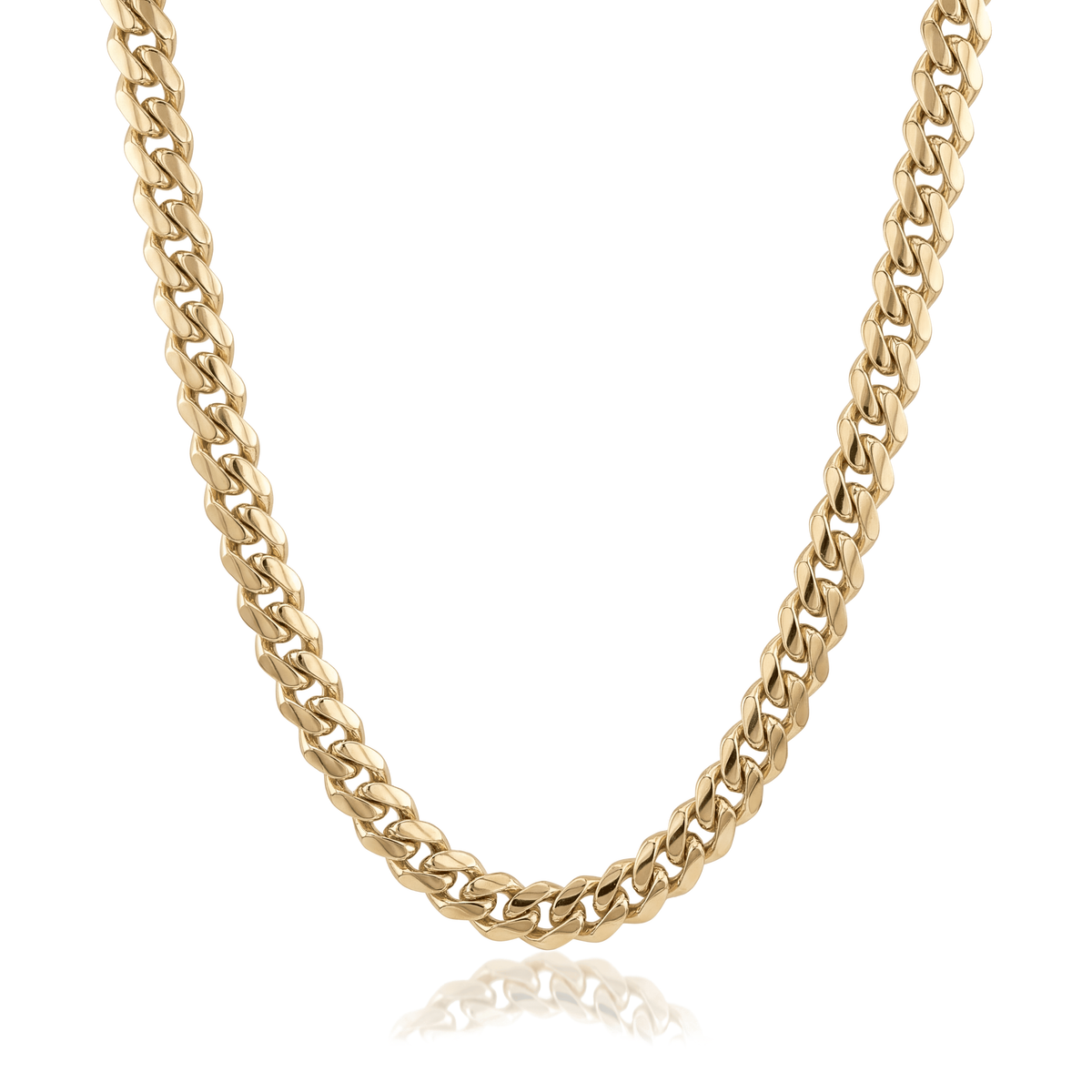
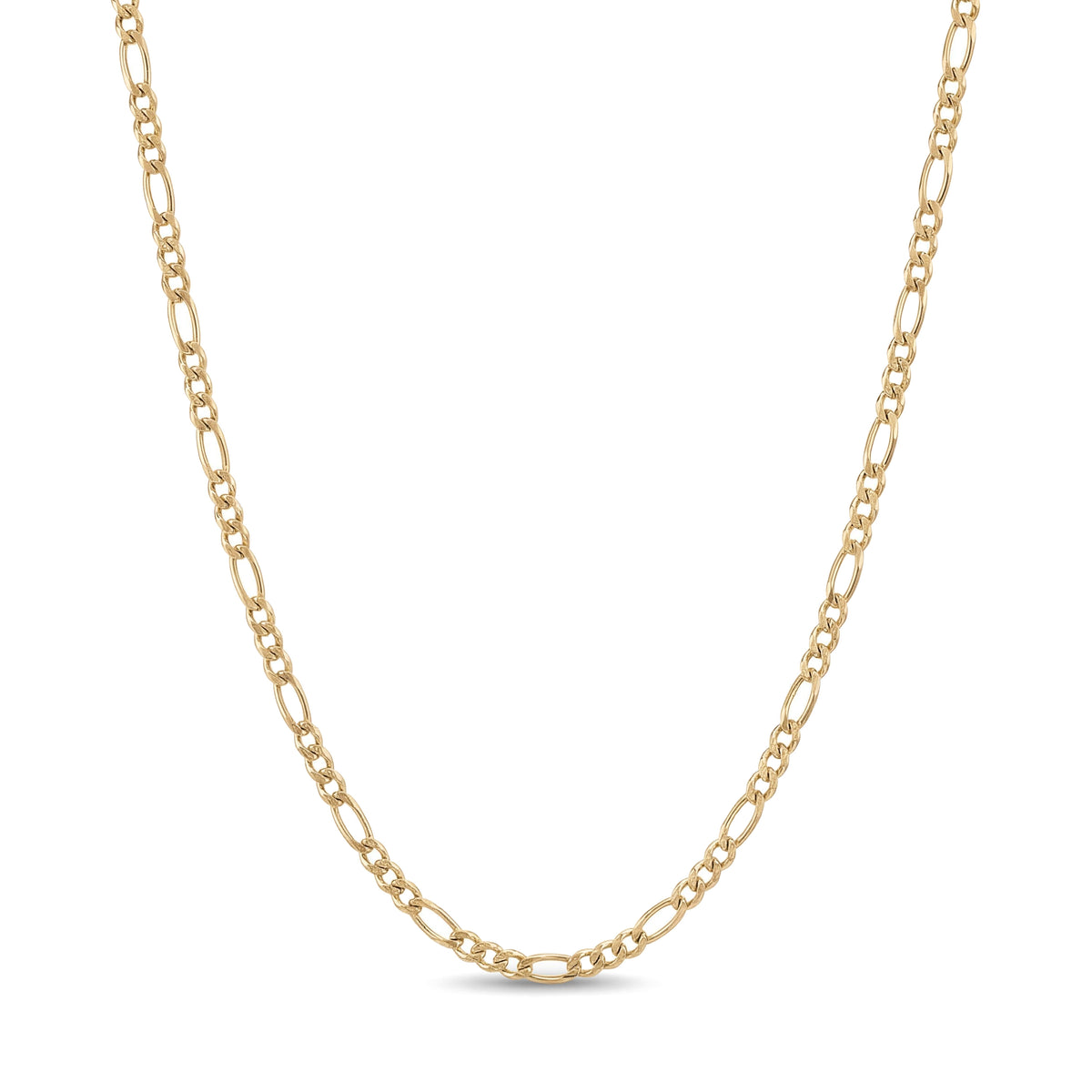
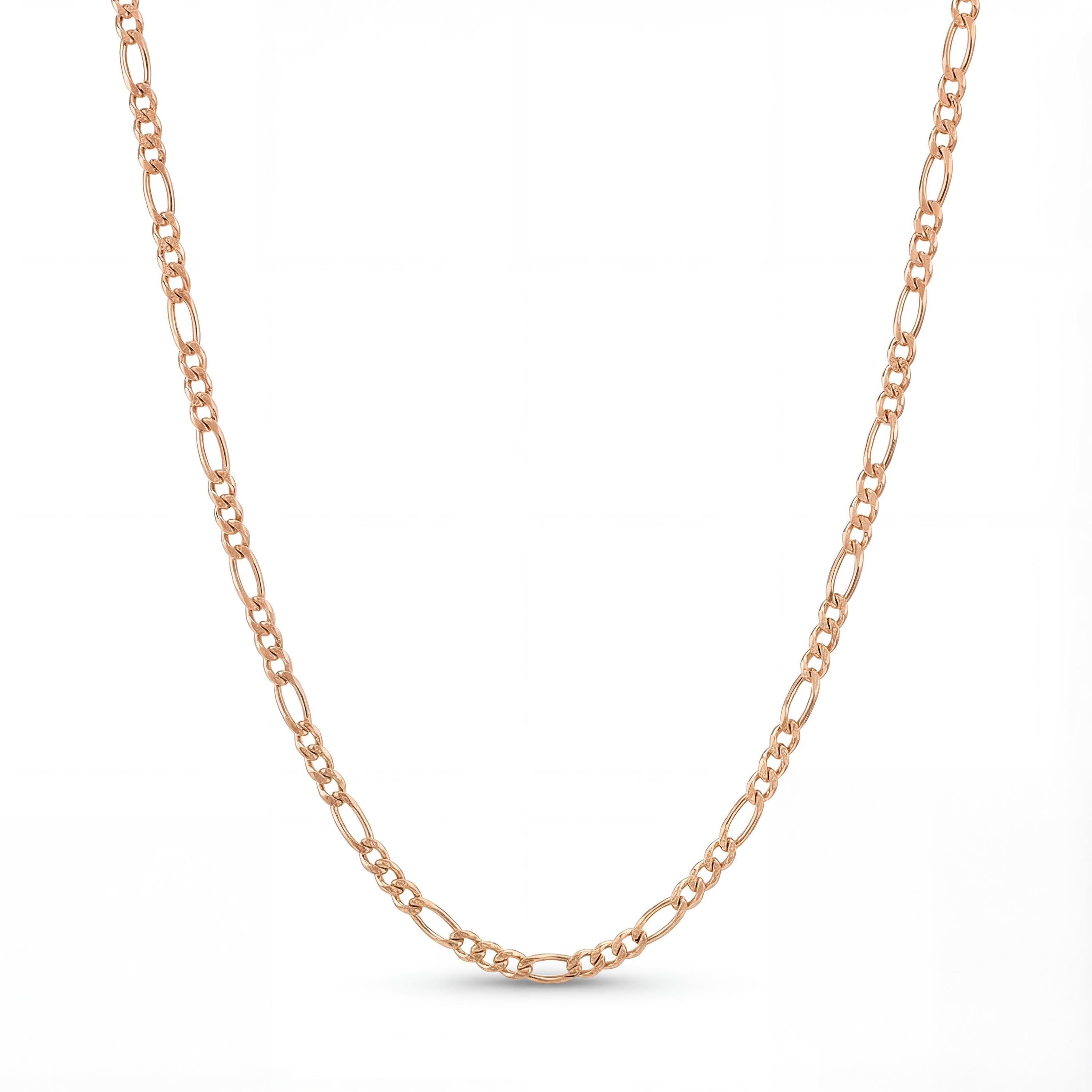
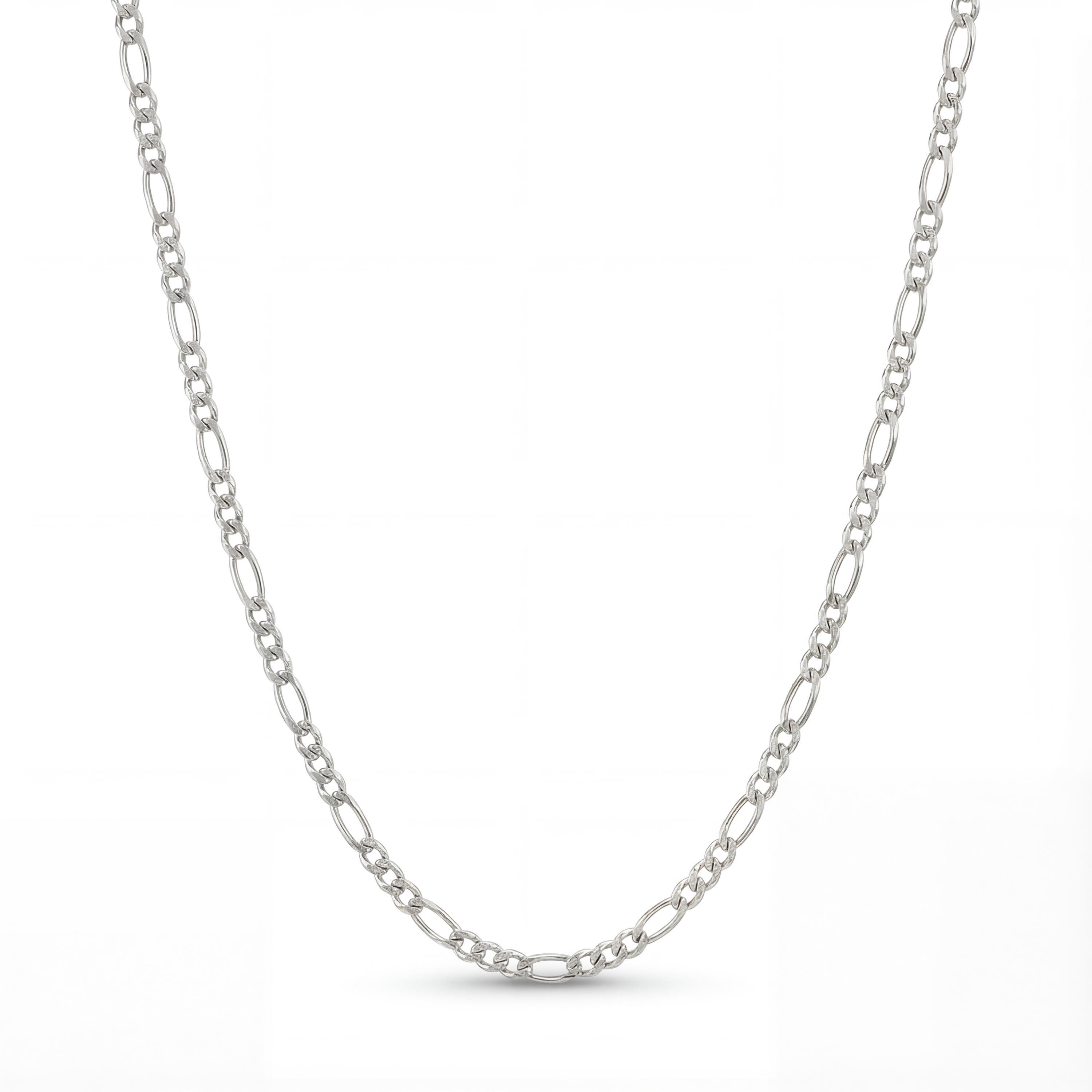
Chain style matters too. A box or wheat chain has many tiny links that catch easily, while a curb or figaro chain has fewer, larger links that untangle faster by hand.
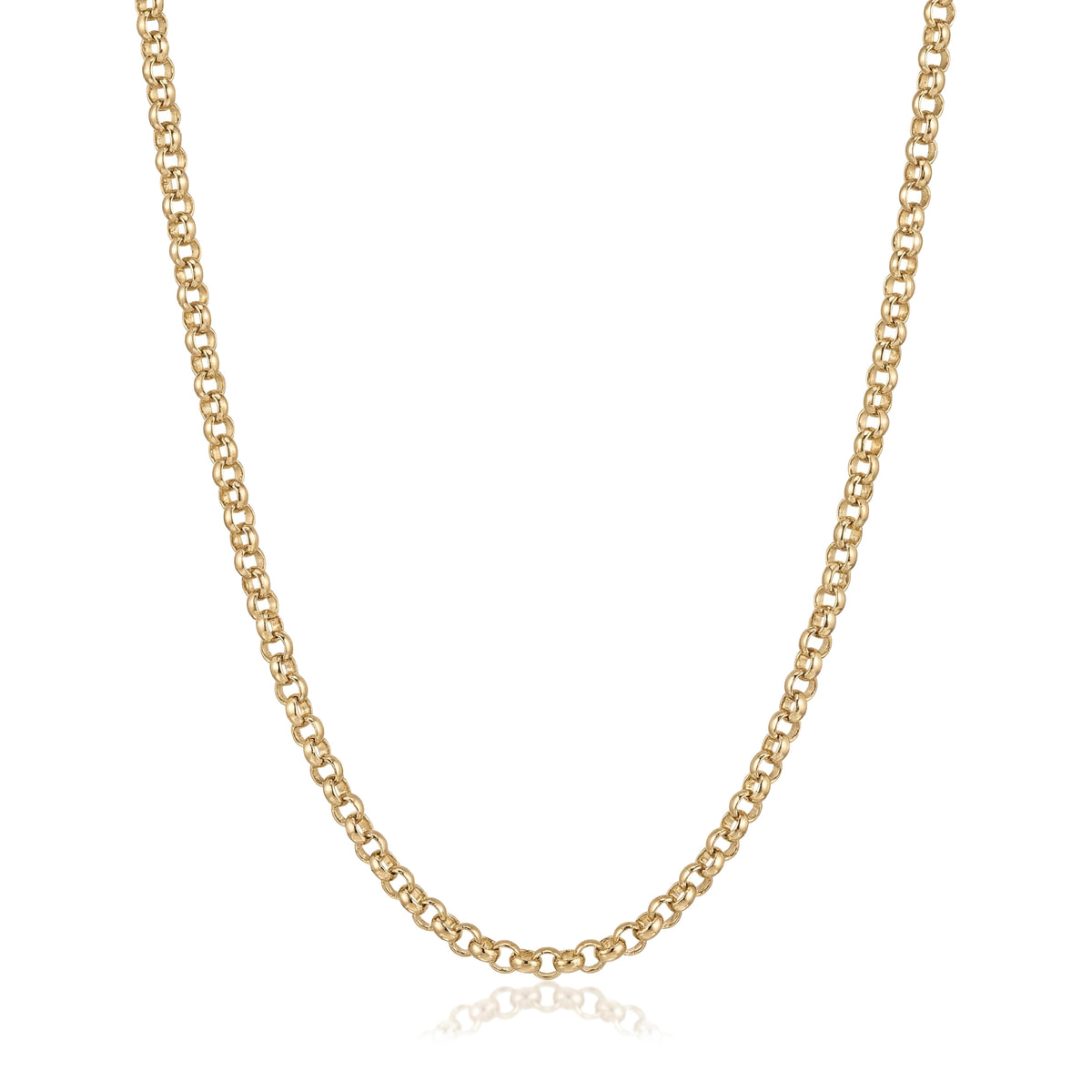
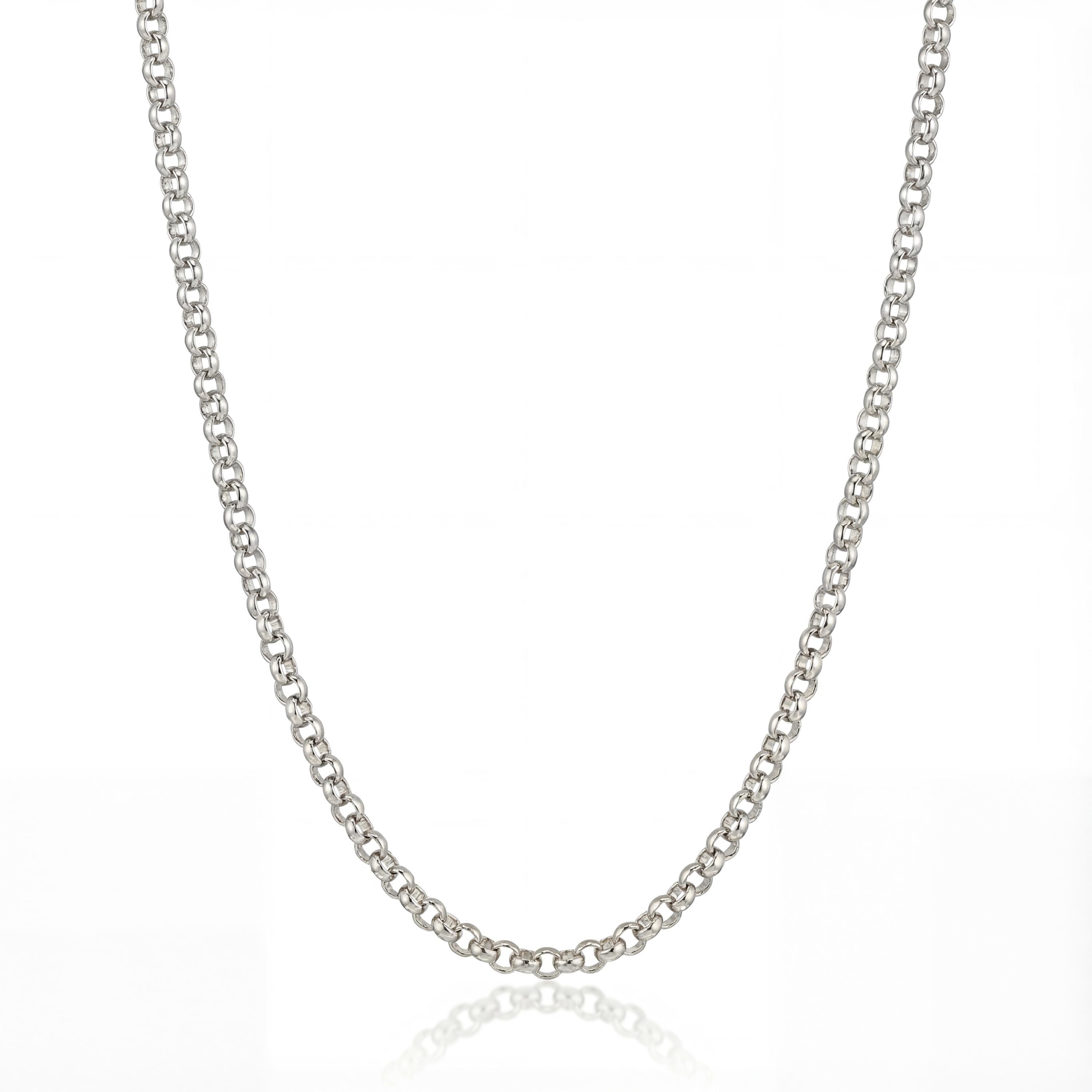
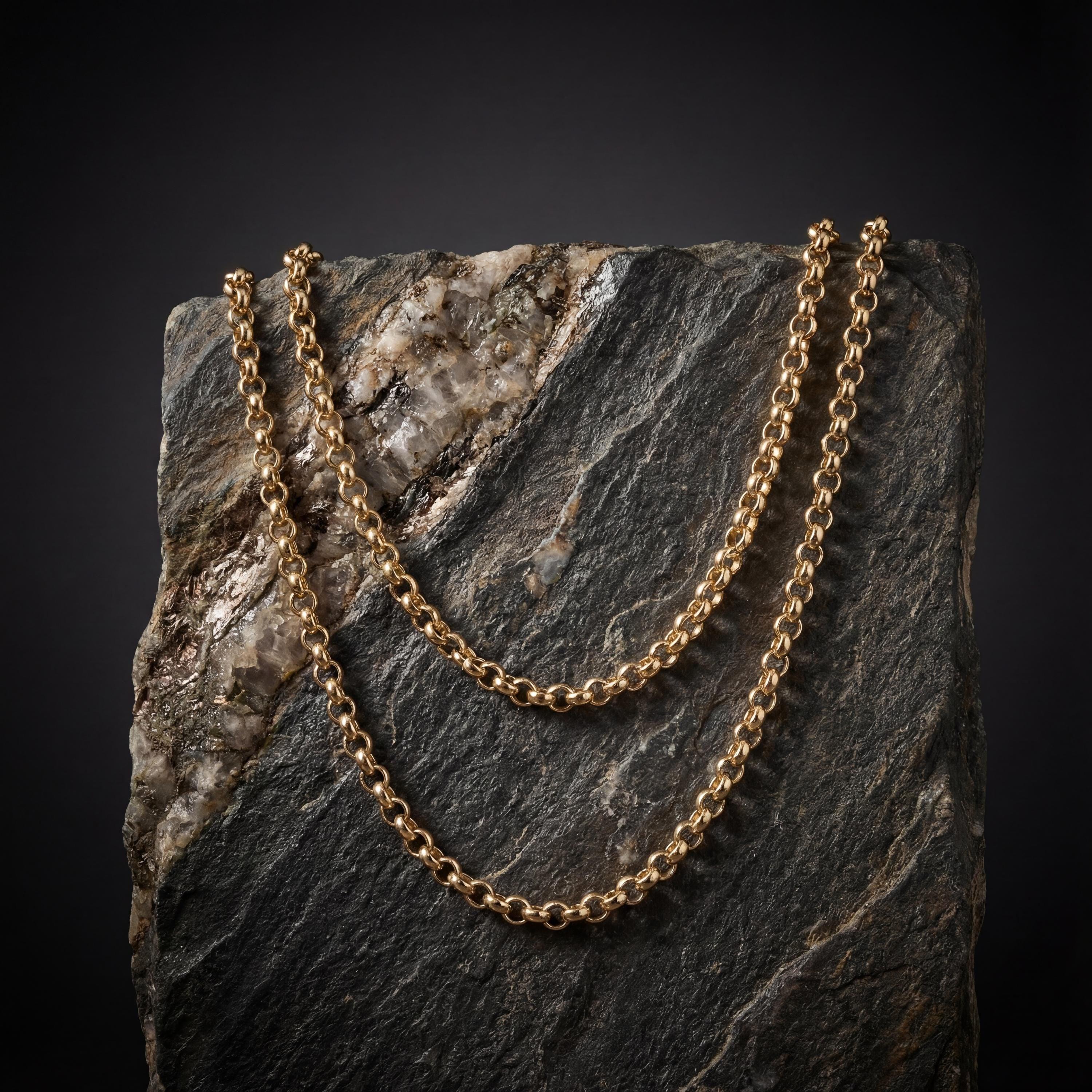
If you're not sure which chain you own, look at the individual links. Round or oval loops usually mean a rolo or cable chain, both of which respond well to the oil method.

The Oil Method for Stubborn Knots
Oil is the fastest way to untangle a necklace knot that won't loosen on its own. It coats the metal and lets the links slide past each other instead of catching.
Place one drop of baby oil or olive oil directly on the knot. Let it sit for a minute so it works into the tight spots.
Use the tip of a pin to gently separate the outer loops first, then work toward the center. Pull each loop wide rather than tugging the ends of the chain.
Once the knot releases, wipe the chain with a soft cloth. If you want to fully clean your gold chain afterward, a quick warm-water rinse and pat-dry will remove any leftover oil.
The Pin and Toothpick Method
This is the classic fix for an untangle necklace knot that's too loose for oil but still too tight for fingers alone. Two fine points give you far more control than blunt fingertips.
Slide one pin into the loosest part of the knot and hold it steady. Use the second pin to lift the next loop over it, working outward one strand at a time.
Go slowly. Rushing this step is the most common way a thin chain snaps, since forcing a stuck loop puts all the pressure on one weak link.
If the knot tightens instead of loosening, stop and add a drop of oil before you continue.
Toothpicks work as a gentler substitute for pins on very fine chains, since the rounded wood tip is less likely to scratch the metal. Use one to hold a loop steady while the other hand guides the strand through.
Take breaks if your fingers cramp. A tense grip makes it harder to feel how the knot is moving, and most stubborn knots need several short attempts rather than one long push.
Untangling a Necklace by Hand
Some tangles come apart with nothing but patience. This works best on thicker curb or figaro chains, where the links are large enough to grip.
Hold the necklace up and let gravity pull the loose end down. Gently shake it, and simple loops often fall open on their own.
For a small knot, use your fingernails to widen the loop closest to you, then work inward one twist at a time. This is the safest way to untangle a necklace with your hands when you don't have pins nearby.
If the chain feels stuck after a minute of gentle work, switch to the pin method instead of forcing it further.
A textured surface can also help. Try laying the necklace on a rubber mat or a dish towel instead of a slick countertop, since a little friction keeps the chain from sliding while you work the knot.

How to Keep Your Chain From Tangling Again
The easiest way to deal with a tangled necklace is to stop it from happening. Store each necklace separately instead of piling them in one drawer or jewelry box tray.
Hang longer chains on hooks or a jewelry stand so they hang straight. For shorter necklaces, lay them flat on a lined tray or clasp them shut before placing them in a soft pouch.
Good storage also protects the finish. If you've noticed dullness along with the tangling, our guide on why gold jewelry fades covers the everyday habits that keep chains bright between wears.
Rinsing a chain before you put it away also helps. Check our guide on wearing gold jewelry in water if you're unsure when a quick rinse is safe.
Frequently Asked Questions
How to untie a really tight knot on a necklace?
Add a drop of baby oil or olive oil directly on the knot and let it sit for a minute. Then use two pins to separate the outer loops first and work toward the center, pulling loops wide instead of tugging the chain ends.
How to detangle a knotted necklace?
Lay the necklace flat on a well-lit surface and unclasp it first. Try loosening simple loops by hand, then switch to two pins and a drop of oil if the knot holds tight.
Will jewelers untangle necklaces?
Many jewelers will untangle a necklace for a small fee or as a quick favor, especially on fine chains. It's worth asking if a knot feels too tight or delicate to work loose yourself.
How do I fix my tangled necklace?
Start with the gentlest method that fits your chain: loosen simple loops by hand, use two pins for tighter knots, and add oil if the knot resists both. Patience matters more than force.
How to untangle a necklace with water?
A few drops of warm water can add slip to a stubborn knot, similar to oil. Wet the knot lightly, then use two pins to widen the loops one at a time until it releases.
The Bottom Line
Most tangles come loose with a little oil, two pins, and a steady hand. Work slowly, protect the links, and store your chains separately so you're not untangling the same necklace next week.
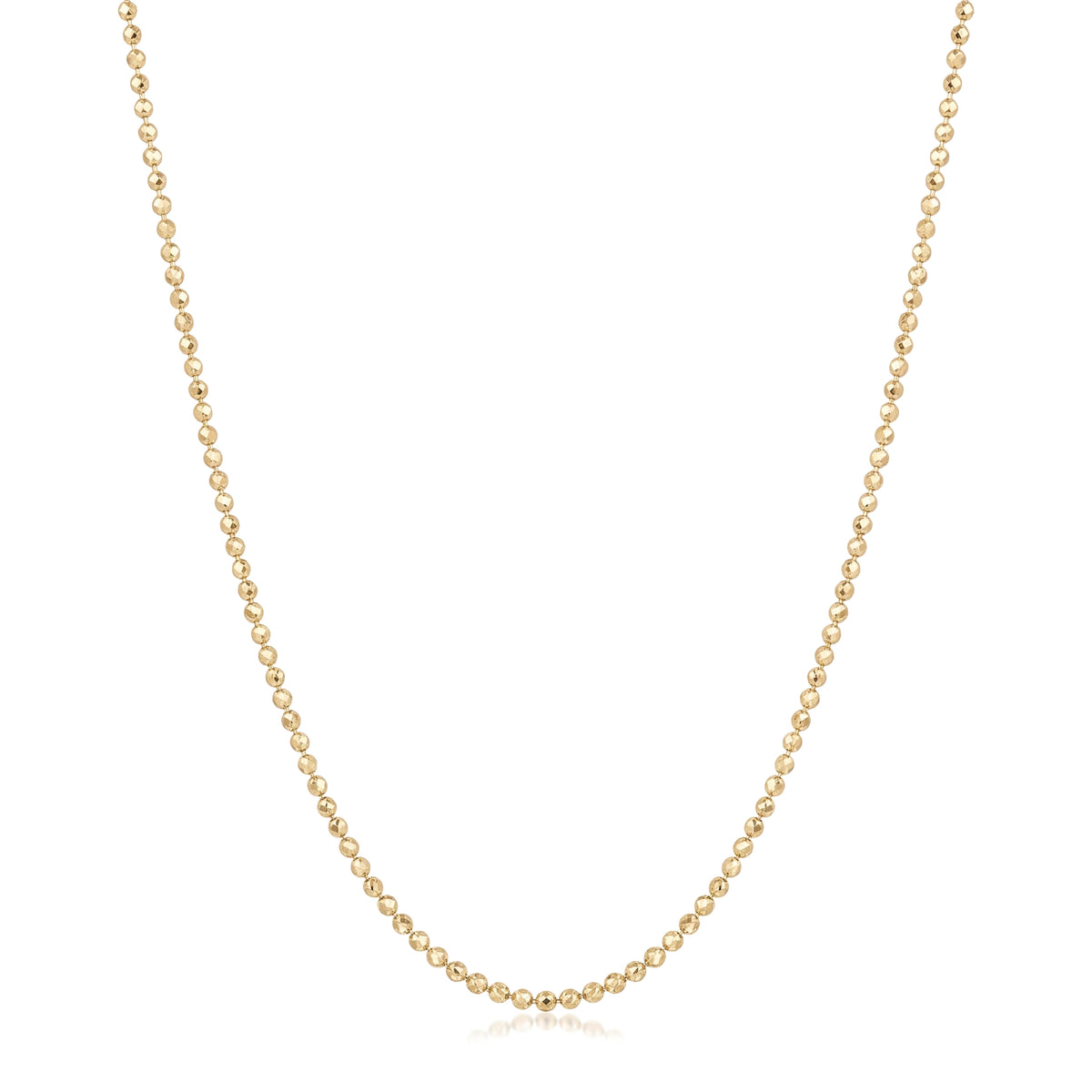
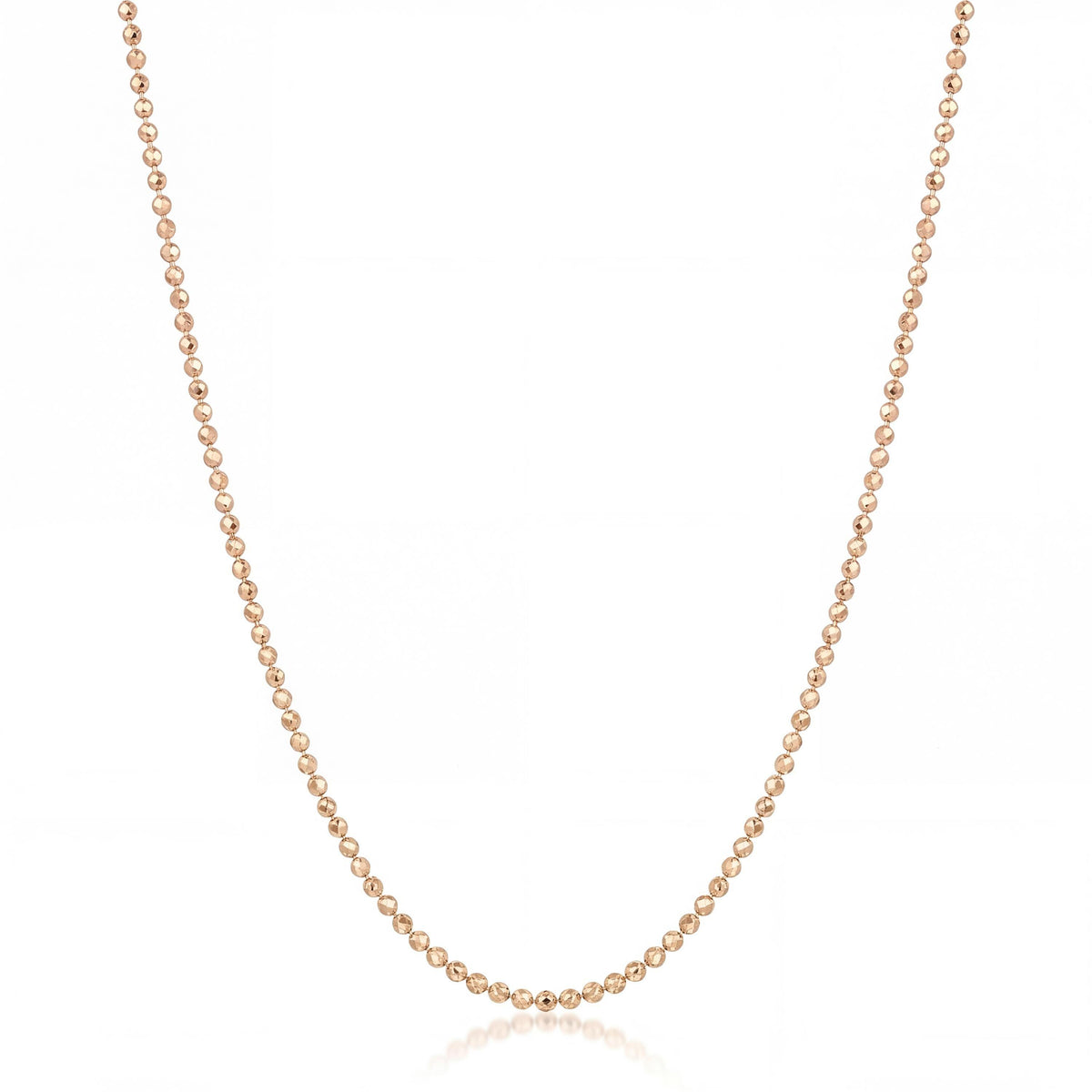
Ready for a chain that's easy to wear and store? Browse our Gold Chains collection for solid 14K styles built to last.




Share:
September Birthstone: Sapphire Meaning, Colors & Gold Pairings
What Is Cubic Zirconia? An Honest Guide From a Jeweler