
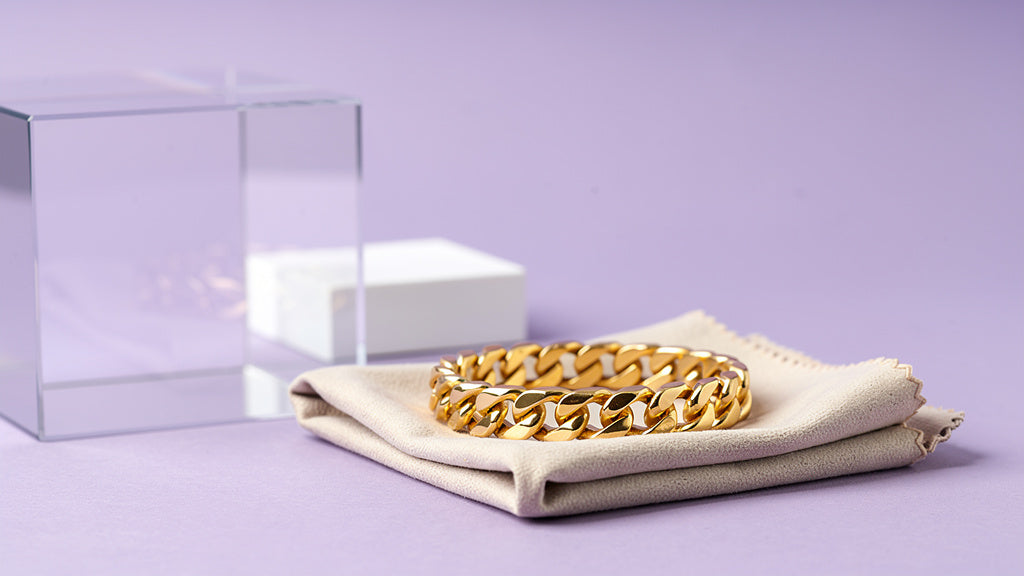
So does 14K gold tarnish? Yes, but not the way people picture it. It won't turn green overnight, and it won't rust or flake like cheap plated jewelry. What it can do, under the wrong conditions, is dull slightly or pick up a faint dark tint in spots that touch skin or fabric most.
The reason comes down to chemistry, not quality. 14K gold is a metal alloy, and understanding what's actually in that alloy tells you exactly what to expect, why it happens, and how to stop it before it starts.
- 14K gold is 58.3% pure gold and 41.7% other metals. Those other metals, not the gold itself, are what react and dull over time.
- Tarnishing in 14K gold usually shows up as a light darkening or loss of shine, not rust, flaking, or green skin stains.
- Higher karats tarnish less because they hold more pure gold and less reactive alloy — but even 14K stays bright for years with basic care.
Does 14K Gold Tarnish? The Short Answer
Yes, 14K gold can tarnish, but it's a mild, manageable process. Pure gold is one of the least reactive metals on earth. It doesn't oxidize, and it doesn't corrode.
But jewelry made from pure 24K gold is too soft to hold its shape day to day. That's why 14K gold mixes real gold with sturdier metals. Those added metals are what respond to air, moisture, and everyday chemicals, and that response is what people call tarnish.
Solid 14K gold, the kind that runs all the way through the piece rather than sitting as a thin plated layer, handles this far better than plated or lower-karat costume jewelry. Any dulling tends to be light, slow, and easy to reverse with a simple cleaning.
Why the Alloy, Not the Gold, Causes Tarnishing
14K gold is 58.3% pure gold by weight. The remaining 41.7% is usually a mix of metals like copper, silver, and zinc, added to boost strength and hold color and shape.
Copper is the main reason tarnishing happens. It reacts with oxygen, sweat, and sulfur compounds in the air, forming a thin surface layer that can look like a faint darkening or a loss of shine. It's a surface reaction, not decay of the gold itself.
Everyday products speed this up. Chlorine in pools, sulfur in some lotions, and harsh cleaning chemicals all accelerate the reaction. Body chemistry plays a role too. Higher skin acidity, from certain medications or health conditions, can make any metal react faster.
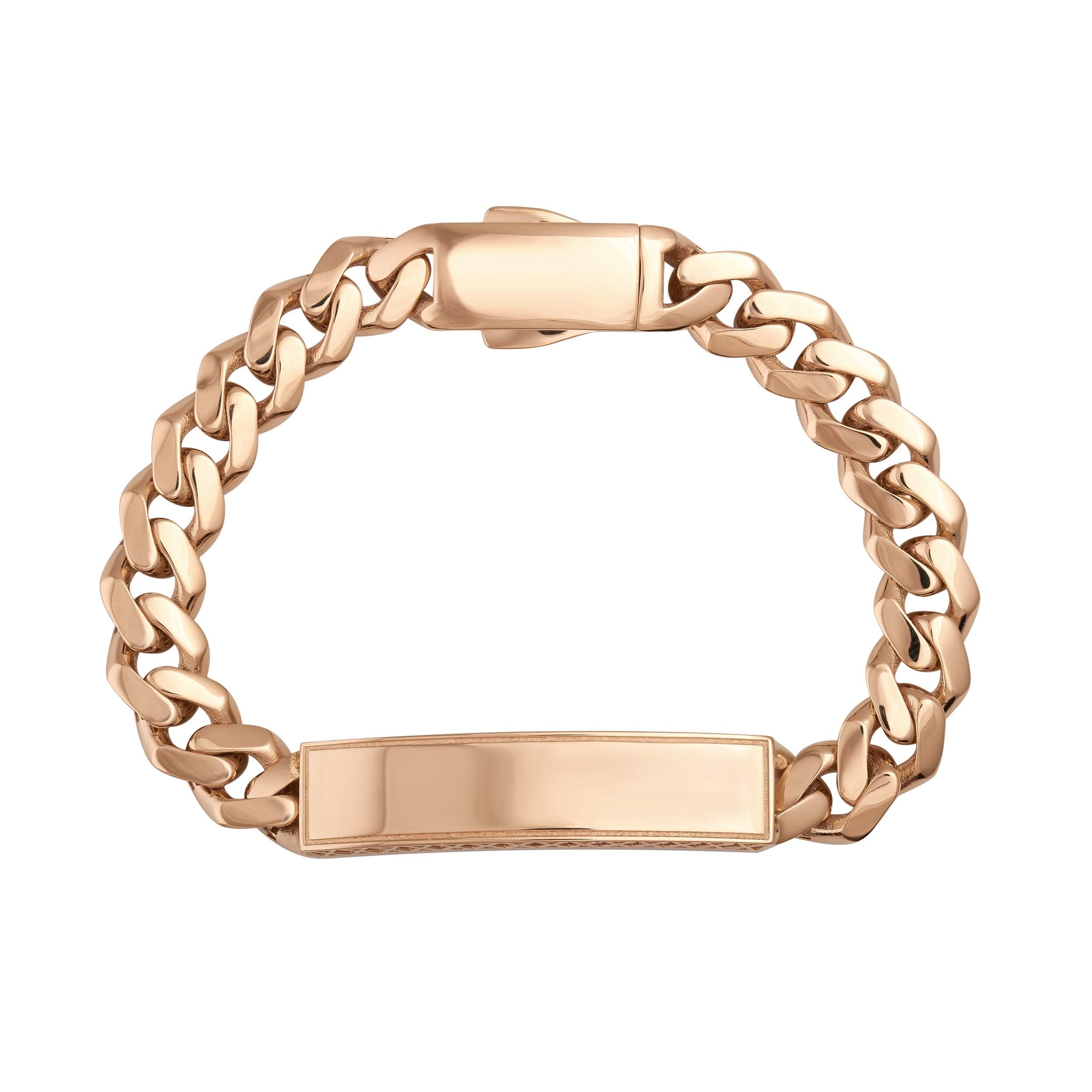
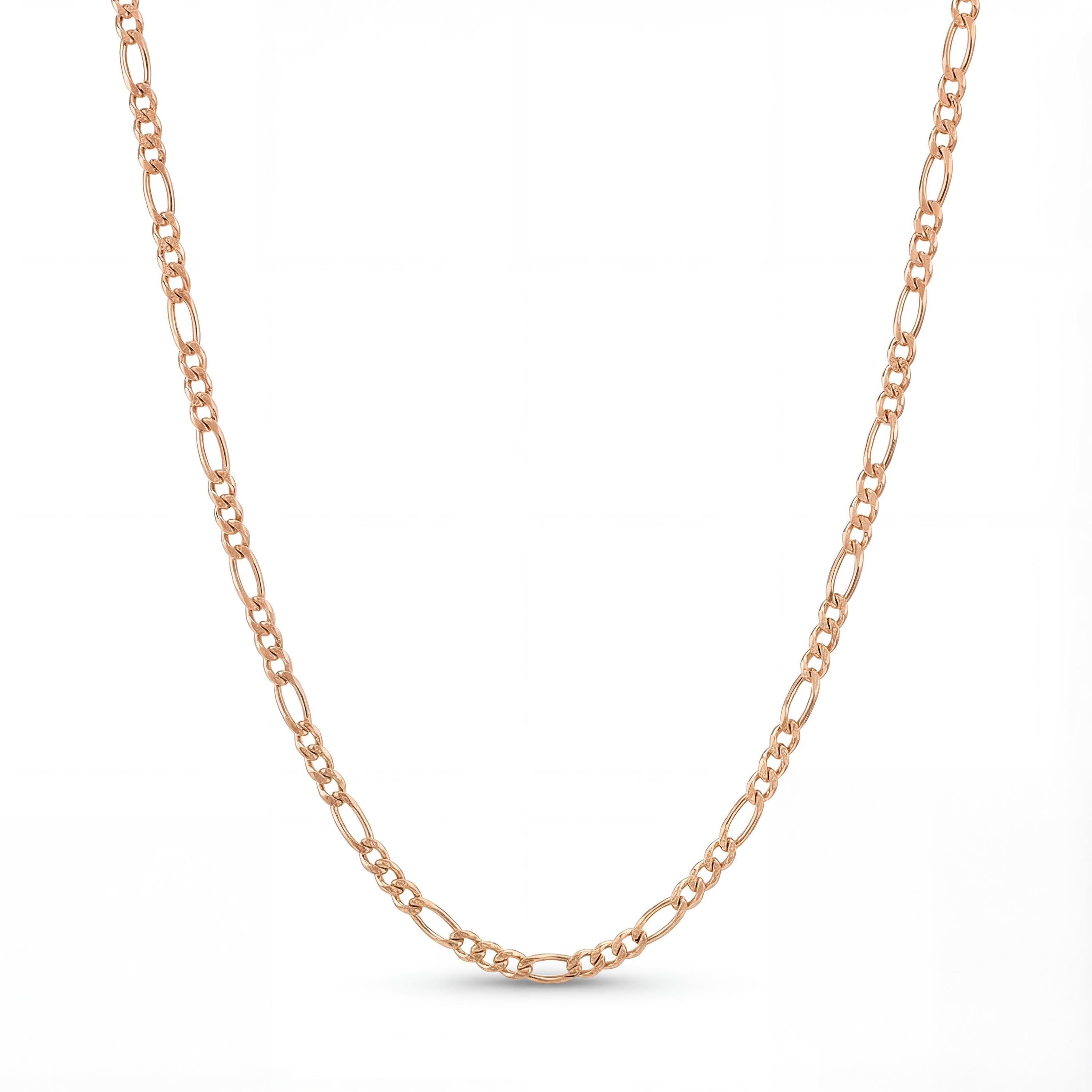
Silver and zinc play a smaller but real role too. Silver helps lighten the color and adds a bit of shine, while zinc helps the metal melt and pour cleanly during casting. Neither reacts as readily as copper, which is why the copper ratio has the biggest say in how quickly a piece dulls. It's also why gold color matters: rose gold uses more copper for its warm tone, so it can dull a touch faster than yellow or white 14K gold made with less of it.

What Tarnished 14K Gold Actually Looks Like
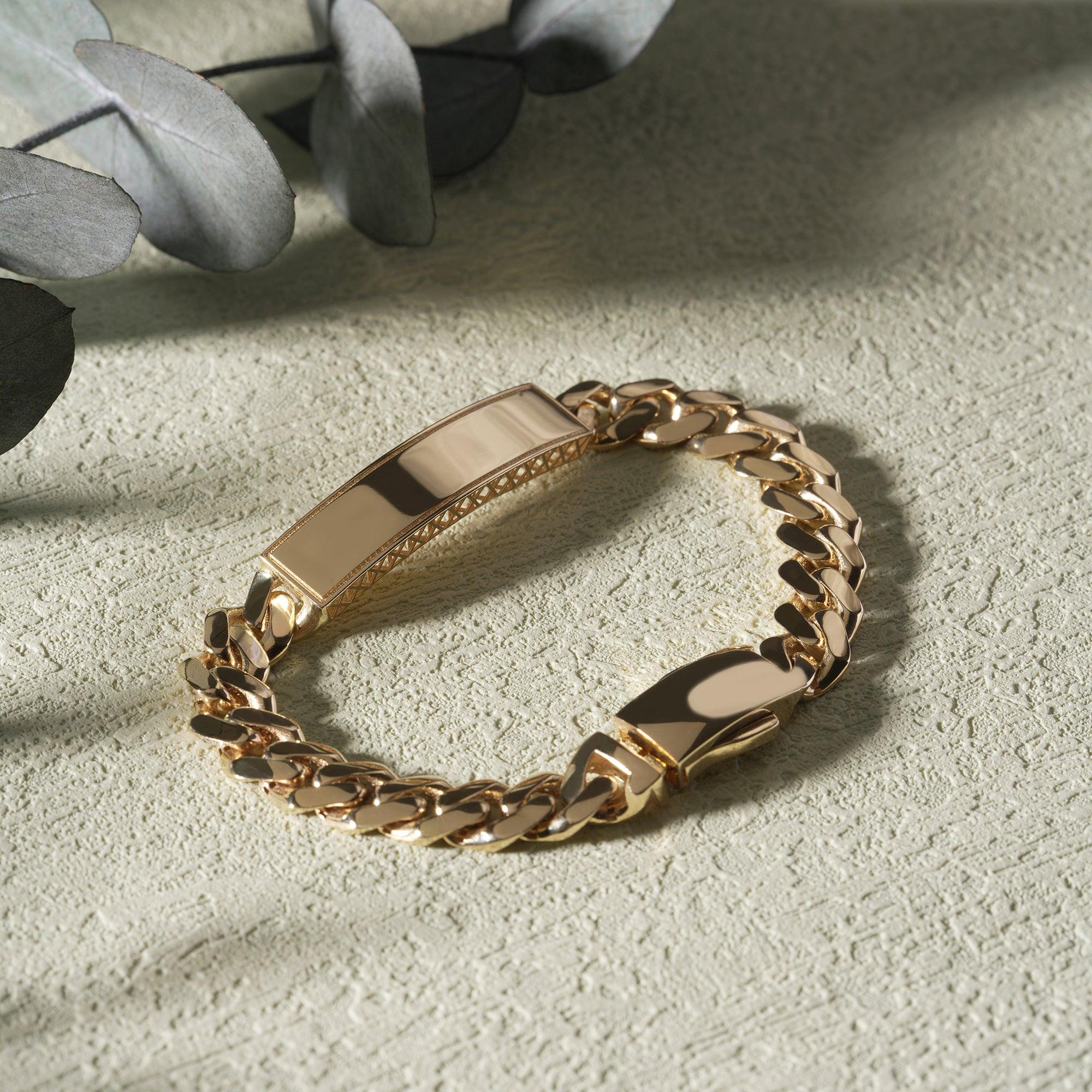
Tarnished 14K gold looks like a soft loss of shine, not damage. A ring might look slightly duller after a week of daily wear. A chain might darken faintly where it sits against the neck.
You won't see rust, flaking, or peeling. That's plated jewelry's problem, where a thin gold layer wears through to the base metal underneath. Solid 14K gold has no layer to wear through, since the gold runs through the entire piece.
Some wearers notice a faint gray or black residue on skin under a ring or watch. This is usually from fine metal particles rubbing off during friction, mixed with skin oils and lotion, not the gold turning color. A quick wash and gentle polish clears it right up.
A simple way to check is to compare a spot that gets rubbed often, like the back of a ring, to a spot that stays mostly hidden, like the inside of a clasp. If the exposed area looks duller than the hidden one, that's ordinary surface tarnish rather than a flaw in the piece. If both areas look about the same, the change is more likely general wear or a scratch than tarnish.
How Karat Affects Tarnish Resistance
Karat measures how much pure gold a piece contains. More gold means less reactive alloy, so tarnish resistance rises with karat.
| Karat | Gold Purity | Alloy Content | Tarnish Tendency |
|---|---|---|---|
| 24K | 99.9% | Almost none | Essentially none |
| 18K | 75% | 25% | Very low, rarely noticeable |
| 14K | 58.3% | 41.7% | Low; light dulling possible over time |
| 10K | 41.7% | 58.3% | Higher; needs more frequent care |
This is also where solid gold and plated jewelry part ways. Gold-plated pieces put a thin layer of gold, often 18K or higher, over a base metal like brass or sterling silver. That layer looks great at first, but it's typically only a few microns thick, so it wears through with regular use and exposes the base metal underneath. Solid 14K gold has no such layer to lose, since the same alloy runs consistently through the entire piece.
24K gold barely tarnishes at all, but it dents and scratches easily, so it's rarely used for rings, bracelets, or chains worn daily. 14K sits in the middle: durable enough for daily wear, with real gold content, and a tarnish tendency low enough that basic care keeps it looking new for years.

How to Slow Tarnishing Down
A few habits go a long way with 14K gold. Take pieces off before swimming, showering, or applying lotion and perfume, since chemicals speed up the reaction that dulls the surface. Our guide to wearing gold jewelry in water walks through exactly which situations to avoid.
Store pieces flat and separated in a soft pouch or lined box rather than tossed together in a drawer. Metal-on-metal contact and trapped moisture both encourage dulling over time.
A professional cleaning once or twice a year adds another layer of protection. Jewelers use gentle ultrasonic baths and soft polishing tools that lift buildup from settings and links without wearing down the metal the way a rough cloth might over time. It's a good habit to pair with a regular check-up if a piece has stones that need their settings inspected anyway.
If a piece does look duller than usual, it's rarely permanent. Our guide to cleaning 14K gold at home covers a simple, safe routine that restores shine in minutes. And if you're seeing a fading pattern rather than occasional dulling, our guide on why gold jewelry fades breaks down the difference.
Frequently Asked Questions
How long does 14k gold jewelry last?
With basic care, solid 14K gold jewelry can last for decades, and often gets passed down as an heirloom. The gold content doesn't break down over time; it's the finish that needs occasional refreshing.
Is it okay to wear 14k gold in the shower?
Occasional exposure won't ruin it, but shampoo, soap, and hot water residue build up over time and dull the surface faster. It's best to take pieces off before showering, especially if your water has heavy mineral content.
Can I wear 14k gold every day?
Yes. 14K gold is a common choice for everyday pieces because it balances real gold content with the strength to handle daily wear. Just wipe it down occasionally and remove it before swimming or cleaning with harsh chemicals.
Can 14k gold turn green?
True 14K gold rarely turns green, since it holds more than half pure gold. A greenish tint on skin usually points to a plated or lower-purity piece, or to a reaction with lotion or perfume residue rather than the gold itself.
What gold doesn't tarnish at all?
Only 24K, essentially pure gold, is close to fully immune to tarnishing. Anything below that contains alloy metals that can react over time, though higher karats react far less than lower ones.
The Bottom Line
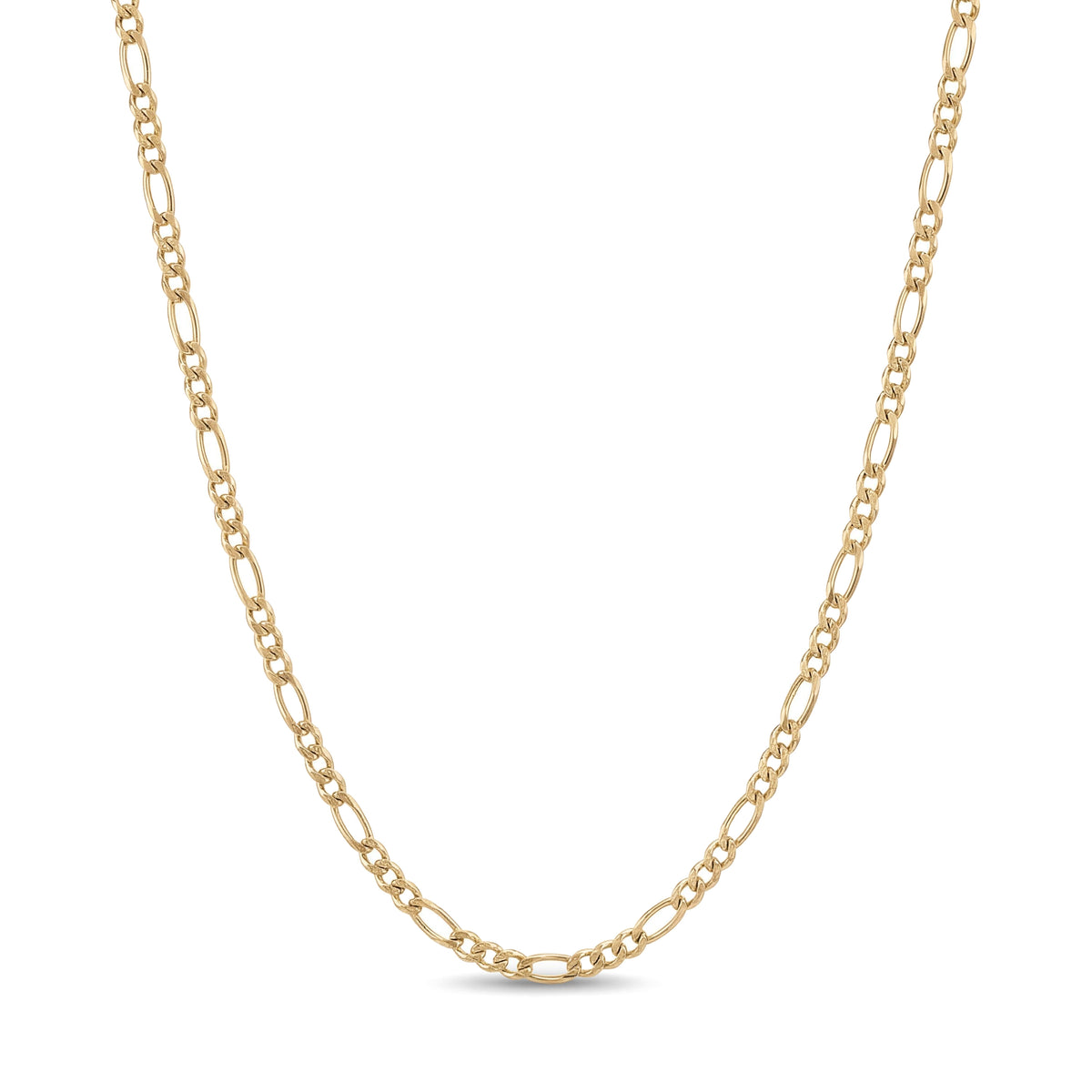
14K gold can tarnish, but only in a mild, surface-level way caused by the alloy metals that give it strength, not by the gold itself. A quick wipe after wear and a few smart habits around water and chemicals keep it looking bright for years. Ready to add a piece that's built to last? Browse our 14K Gold Necklaces collection for solid, made-to-order pieces designed for everyday wear.





Share:
Cross Necklace for Women: A Complete Style Guide
Average Necklace Length for a Man: Size Guide