
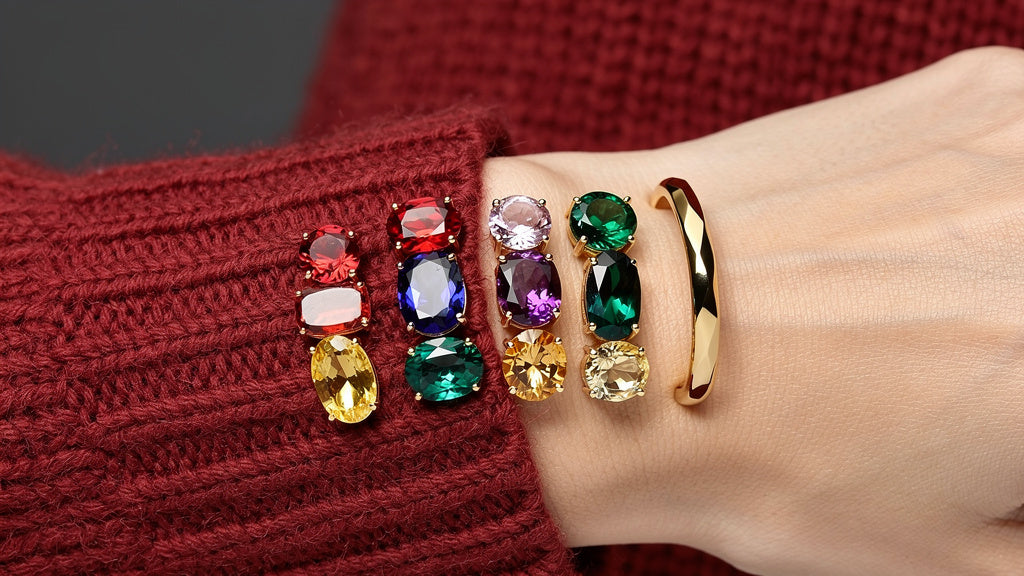
You want a clear list of gemstones, sorted so it is easy to use. Here it is: more than 30 popular stones, grouped by color, with the facts that matter for jewelry. Hardness, price tier and daily wear are all covered.
A gemstone is a mineral, rock or organic material that is cut and polished for jewelry. Some are rare and costly. Others are easy to find and cheap. Both kinds can look great in gold.
- Ruby, sapphire and emerald are the classic precious colored stones. Most other gems are called semi-precious.
- Hardness decides how a stone wears. Sapphire and ruby suit daily rings, while opal and pearl need gentle care.
- Value depends on color, clarity, cut and origin, not on the "precious" label alone.
What Counts as a Gemstone
Most gems are minerals with a set chemical makeup. Ruby and sapphire, for example, are the same mineral in different colors. A few gems are not minerals at all. Pearl and amber come from living things.
Jewelers judge a stone by four things: color, clarity, cut and size. Color matters most for colored stones. A deep, even shade usually earns the highest price.
Hardness is the fifth factor for anyone who plans to wear the piece. It is measured on the Mohs scale, from 1 (very soft) to 10 (hardest). A stone at 9 shrugs off daily knocks. A stone at 5 can scratch.
A List of Gemstones by Color
This table groups popular stones by color. Hardness values are the standard Mohs ranges. Use them to match a stone to the way you live.
| Color | Gemstones | Mohs hardness |
|---|---|---|
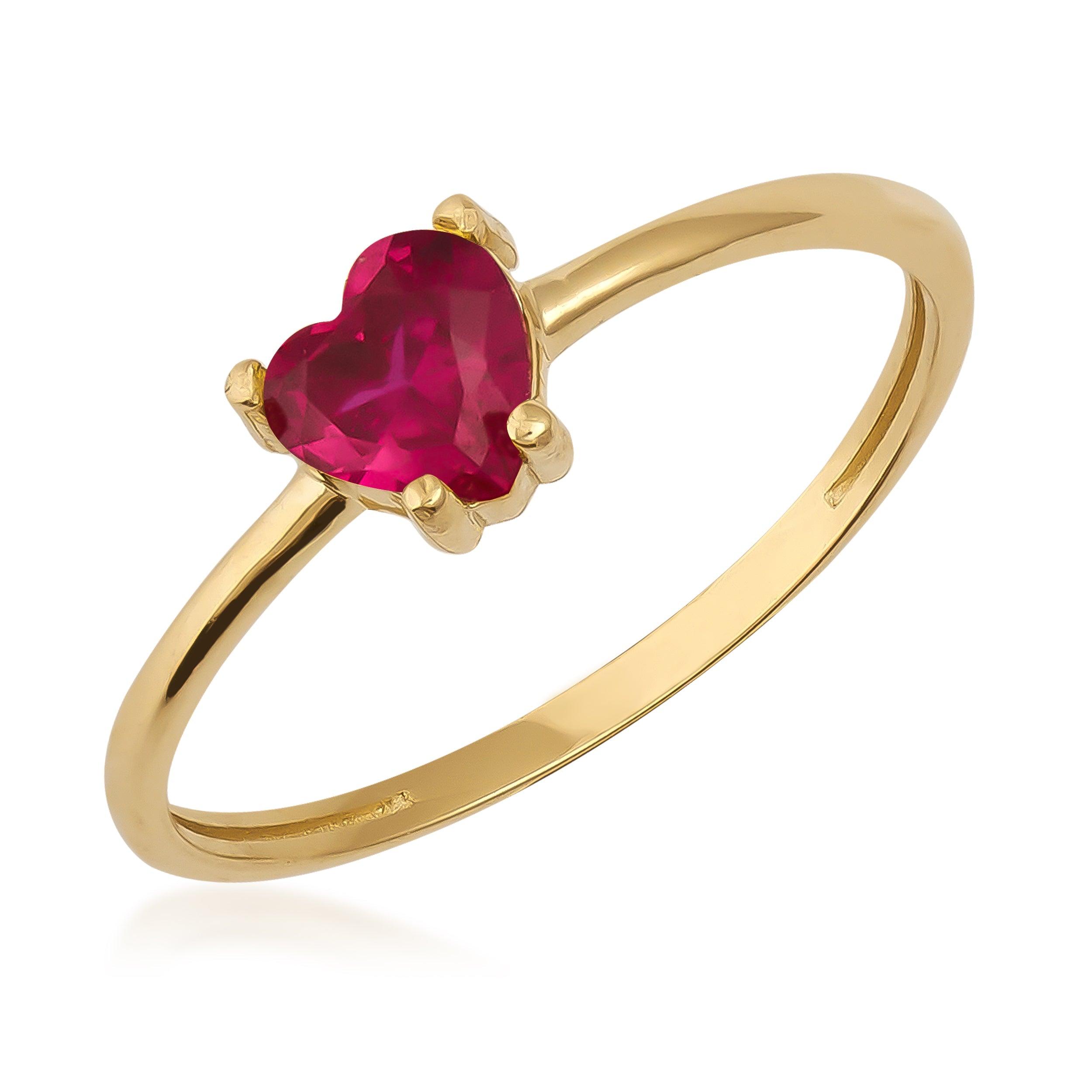
| Red | Ruby | 9 |
| Red | Garnet | 6.5–7.5 |
| Pink | Morganite | 7.5–8 |
| Pink | Rose quartz | 7 |
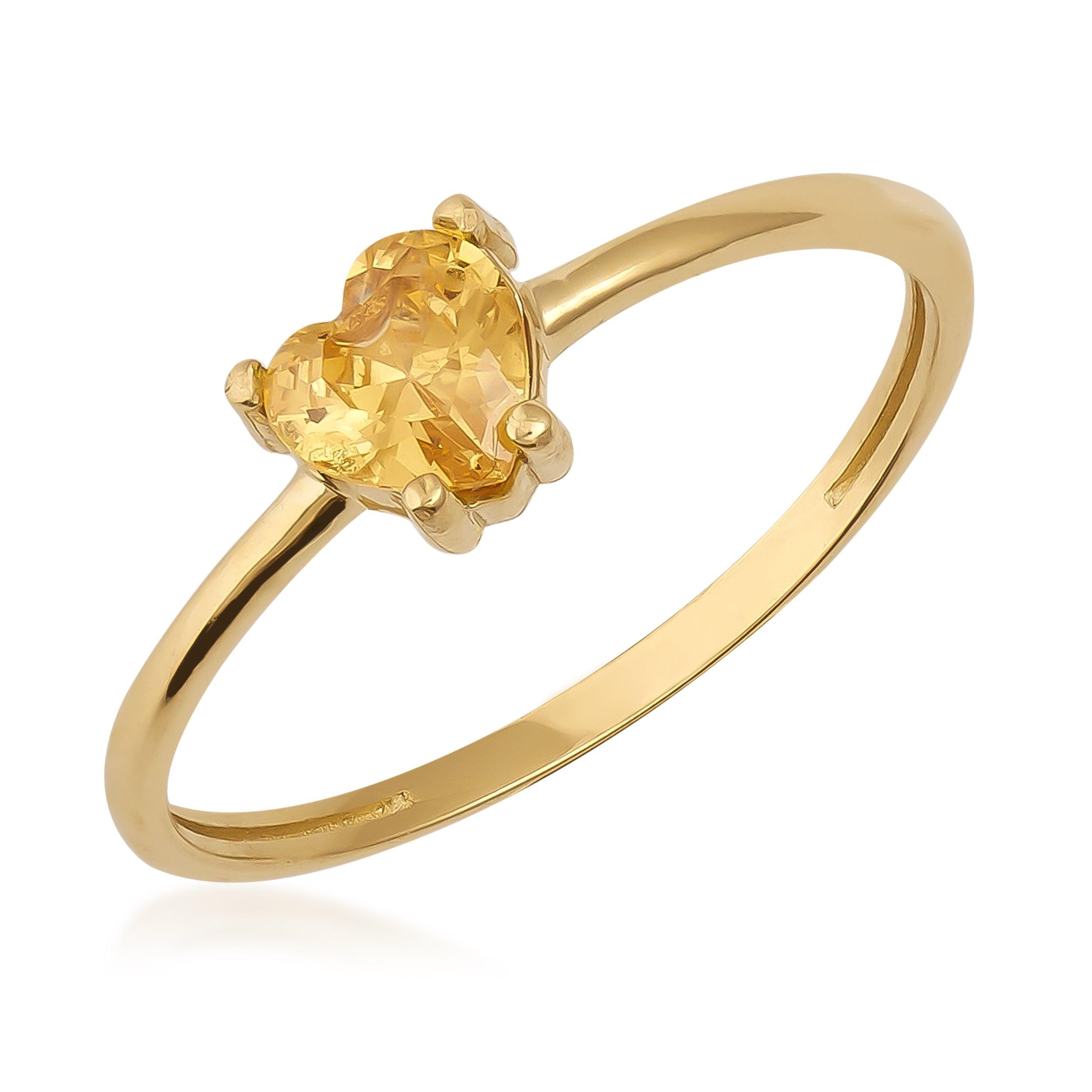
| Orange / yellow | Citrine | 7 |
| Yellow | Yellow sapphire | 9 |
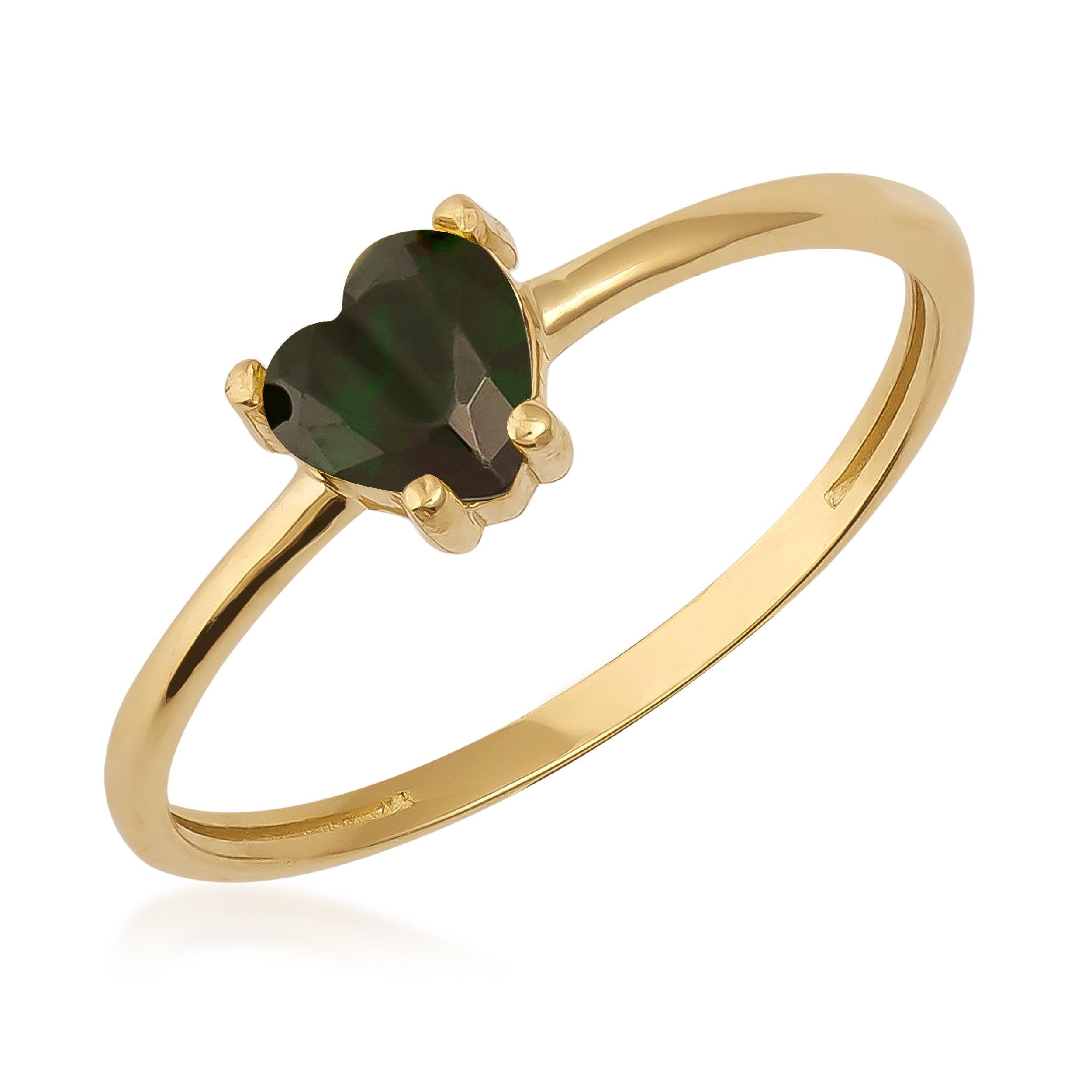
| Green | Emerald | 7.5–8 |
| Green | Peridot | 6.5–7 |
| Blue | Sapphire | 9 |
| Blue | Aquamarine | 7.5–8 |
| Blue | Topaz | 8 |
| Blue-violet | Tanzanite | 6.5–7 |
| Purple | Amethyst | 7 |
| White / play of color | Opal | 5.5–6.5 |
| White / cream | Pearl | 2.5–4.5 |
| Black | Onyx | 6.5–7 |
| Multicolor | Tourmaline | 7–7.5 |
| Color change | Alexandrite | 8.5 |
Want unique gemstone names beyond this list? Try iolite, kunzite, labradorite, spinel, moonstone and tsavorite. They are less common, so they stand out in a ring or pair of studs.
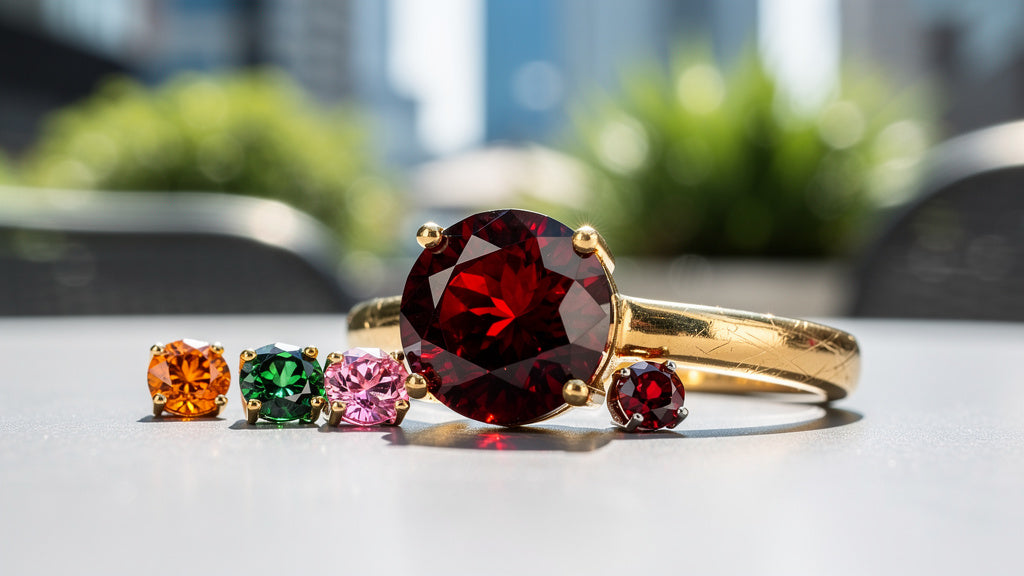
Many buyers also ask for a list of gemstones with pictures. Photos help, but a stone looks different in each light. Always check a piece in daylight before you buy.

Precious vs Semi-Precious Stones
People often ask what the 7 precious stones are. There is no single official list. Older lists name the clear hardest gem, ruby, sapphire and emerald as the top group, then add pearl, opal and a few others.
Today, most jewelers call only ruby, sapphire and emerald the precious colored stones. Everything else is called semi-precious. That word can mislead you.
A fine tanzanite or a top-grade alexandrite can cost more than a plain low-grade ruby. The label tells you about tradition. It does not set the price.
What drives value
Here is the order a jeweler checks, from most to least important for colored stones.
- Color: rich, even and bright beats pale or dark.
- Clarity: fewer visible flaws raise the price. Emerald is the exception, since small inclusions are expected.
- Cut: a good cut brings out the glow.
- Size and rarity: big stones in fine color are scarce.
Gemstones Ranked by Value
A list of gemstones by value is always a rough guide. Two stones of the same type can differ by a factor of ten. Still, the tiers below hold up well.
- Top tier: fine ruby, sapphire, emerald and alexandrite. Large stones with rich color are scarce.
- High tier: tanzanite, aquamarine, tourmaline and spinel. Good color here can cost a lot.
- Mid tier: topaz, garnet, peridot and morganite. These give strong color at a fair cost.
- Entry tier: amethyst, citrine, rose quartz and onyx. They are easy to find and easy to wear.
Natural stones of fine quality are costly because they take years to find and cut. Simulated stones give you the same bold color at a gentler price. That is why many people mix the two ideas: choose the color from this list, then pick a stone type that fits the budget.
Gemstones also come from many places. Brazil, Sri Lanka, Colombia, Myanmar and Madagascar are well known sources. Even the USA has gem finds, such as turquoise, garnet and peridot. Origin can add value, but color still comes first.
Gemstones by Birth Month
Birthstones are a popular way to pick a gem. The modern list gives one or more stones for each month.
- January: garnet
- February: amethyst
- March: aquamarine
- April: clear stones, such as white sapphire
- May: emerald
- June: pearl or moonstone
- July: ruby
- August: peridot or spinel
- September: sapphire
- October: opal or tourmaline
- November: topaz or citrine
- December: tanzanite or turquoise
You do not need to follow the list. Pick the color you love. A green stone in your hand beats a "correct" stone you never wear.

Which Gemstones Wear Best
For a ring you wear every day, choose a stone at 8 or higher on the Mohs scale. Sapphire, ruby, topaz and alexandrite fit that rule. Aquamarine and emerald are close, though emerald can chip on a hard knock.
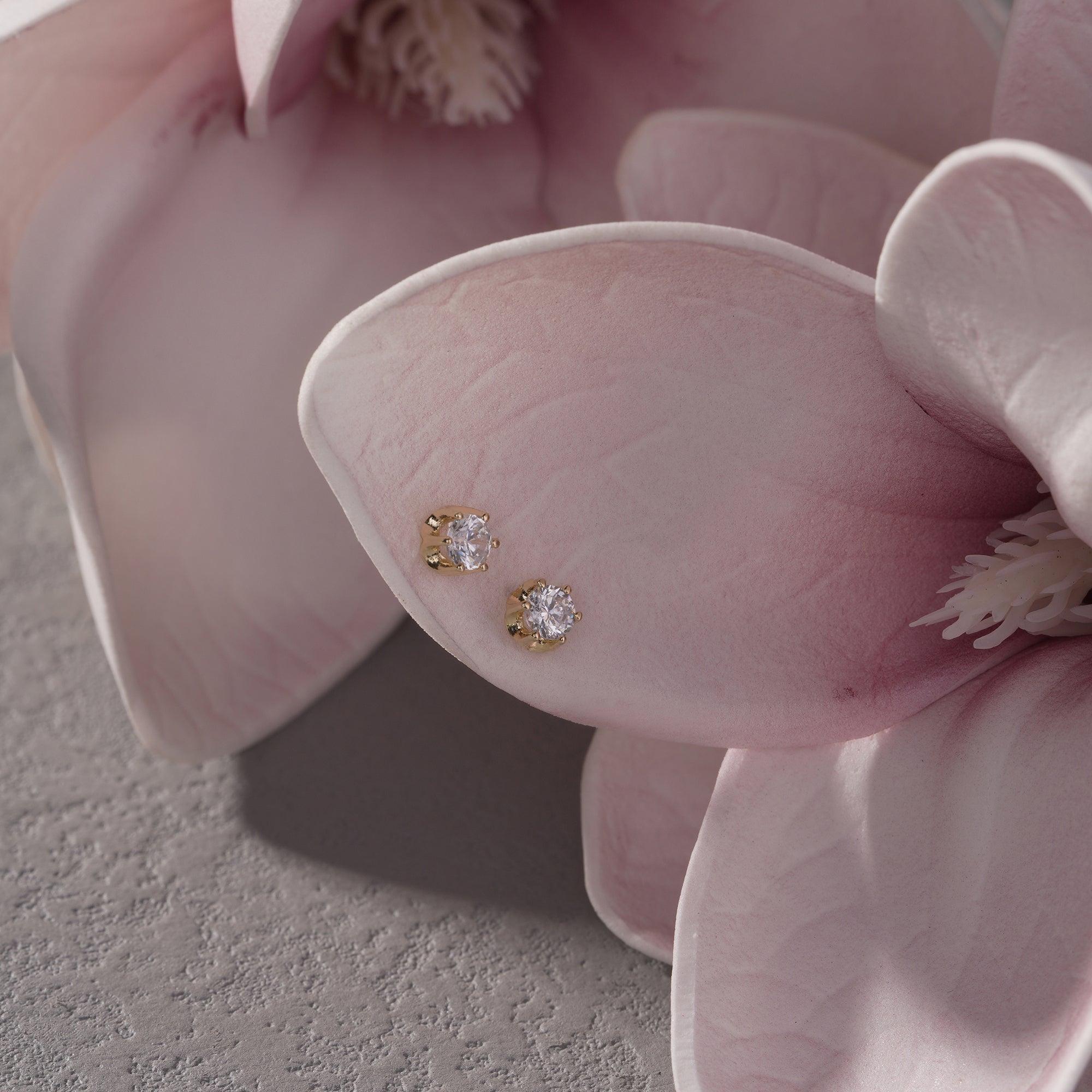
Softer stones like opal, pearl and tanzanite do better in earrings and pendants. They sit away from the hands, so they take fewer hits. A bold stone in studs or a drop earring is a smart way to wear a delicate gem.
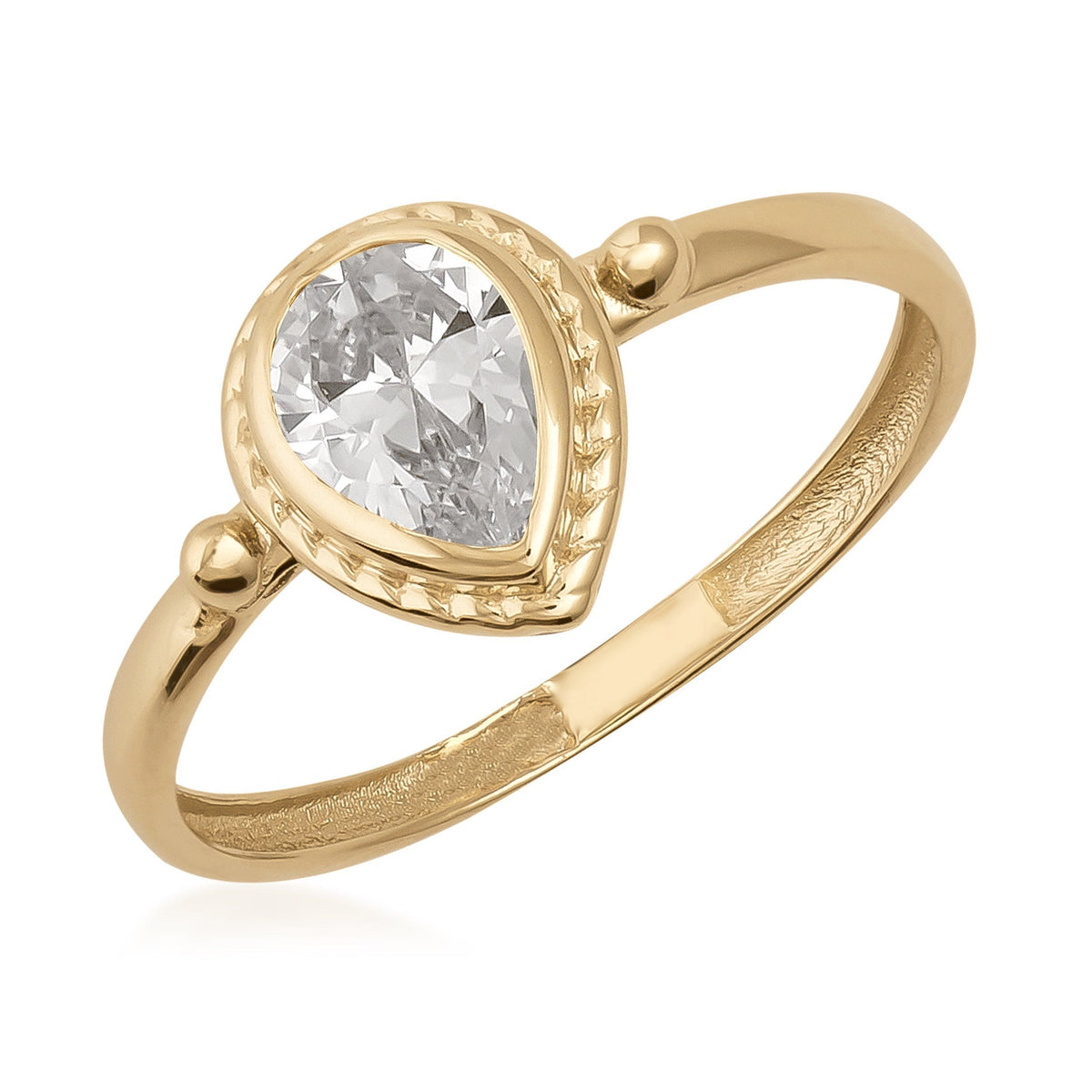
Setting style counts as well. A bezel setting wraps the stone in a thin wall of gold and protects the edges. Prongs show more of the stone but leave the corners open to knocks. If you work with your hands, a bezel is the safer pick.
Metal matters too. Yellow, white and rose gold each change how a stone looks. Our guide to white vs yellow vs rose gold shows how each tone plays with color.
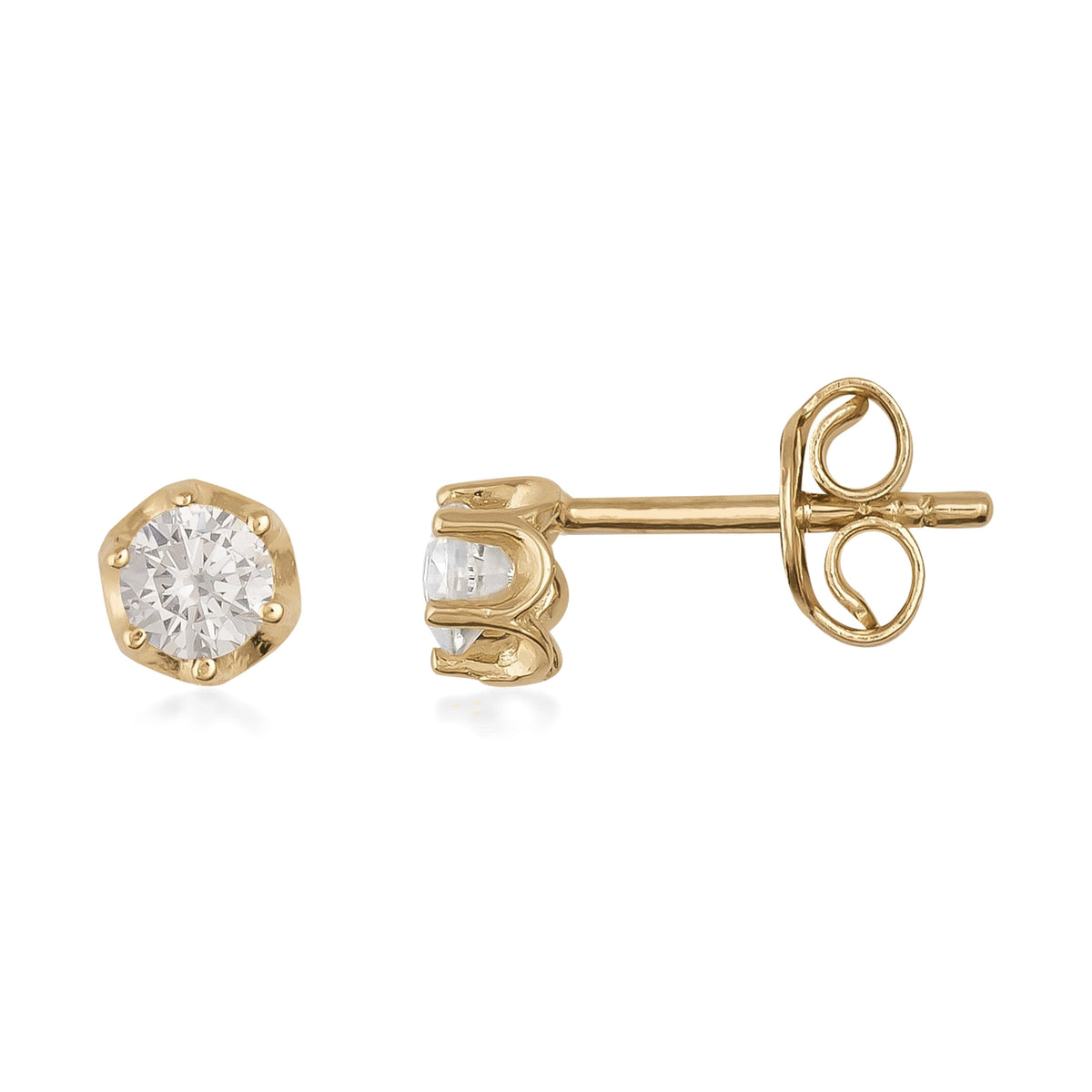
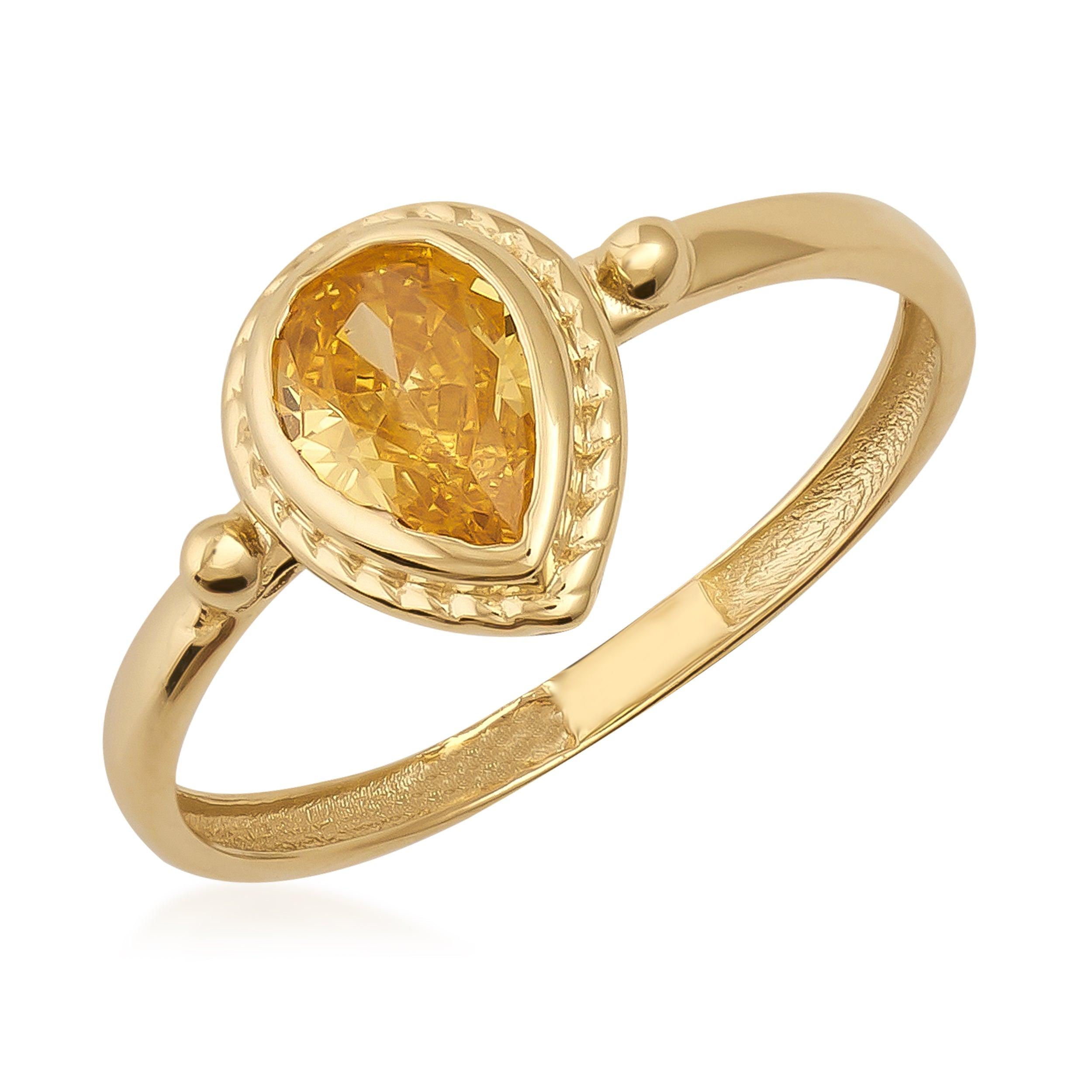
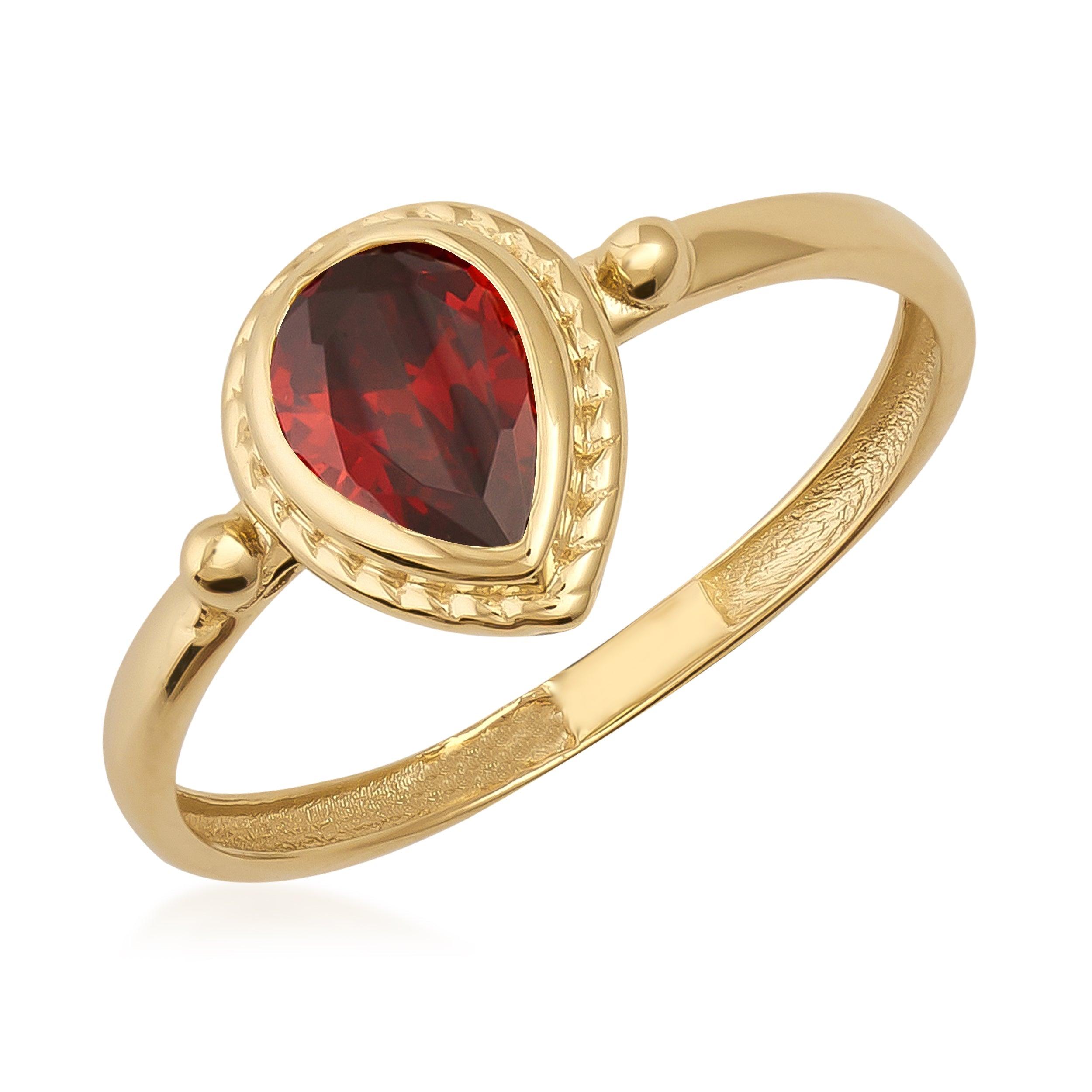
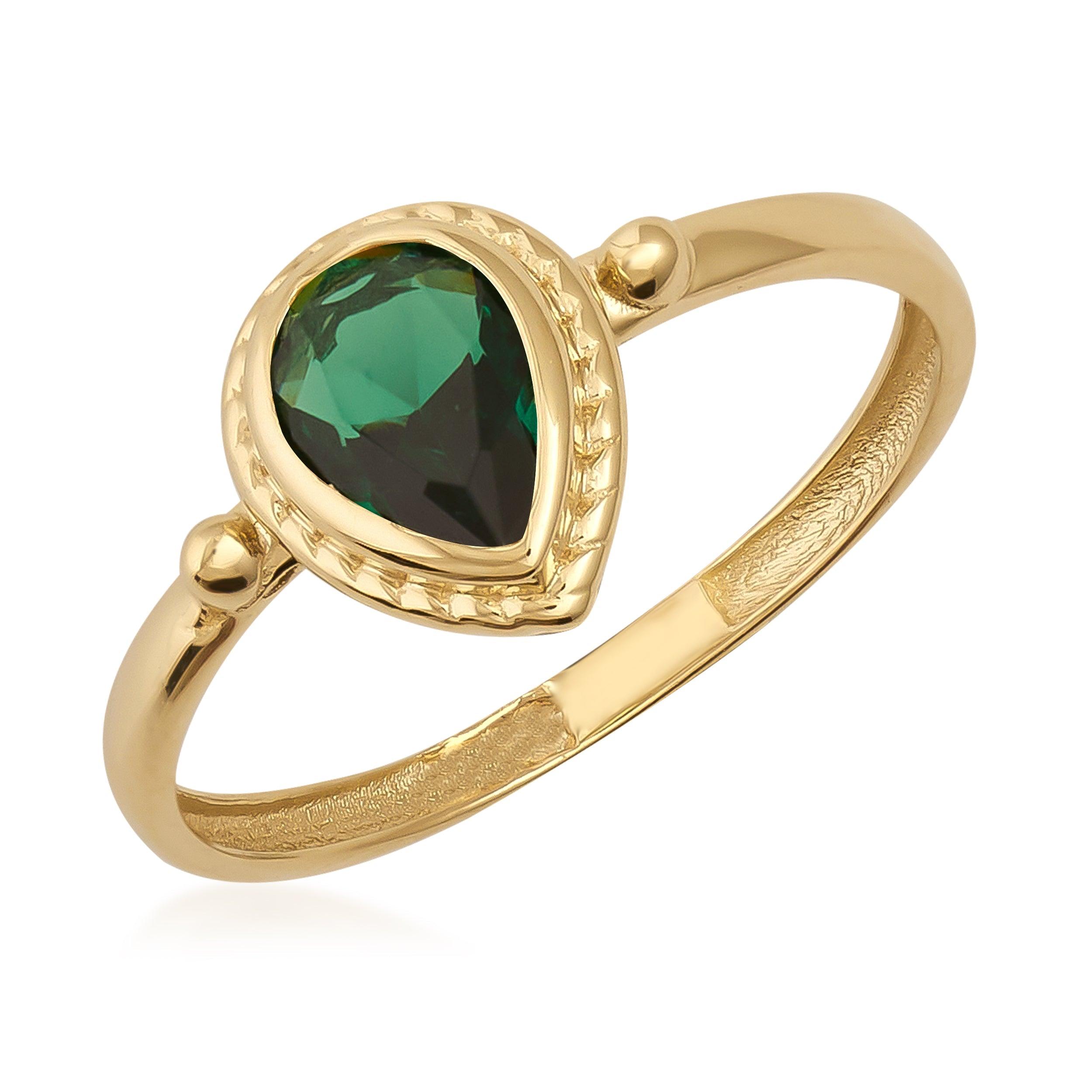
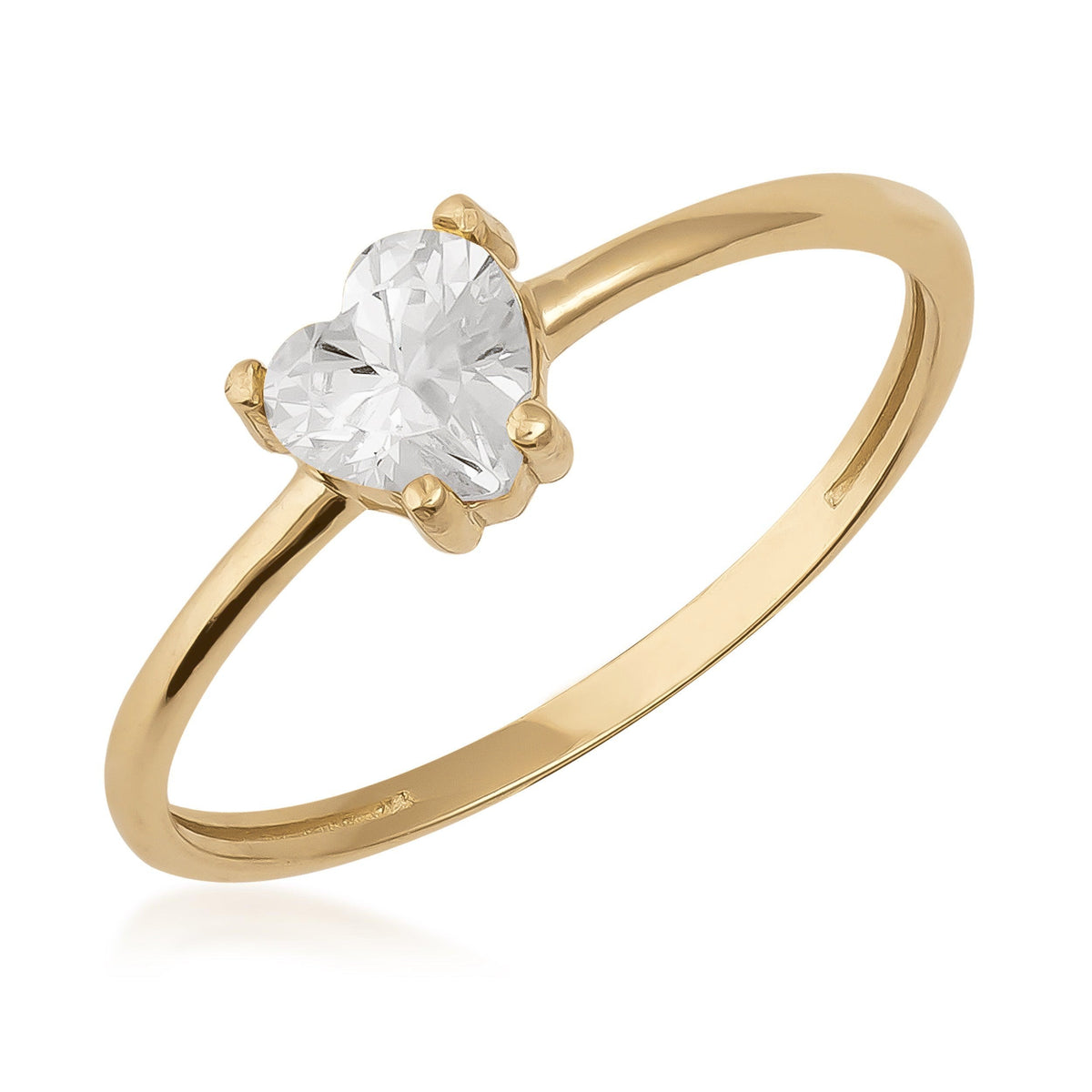
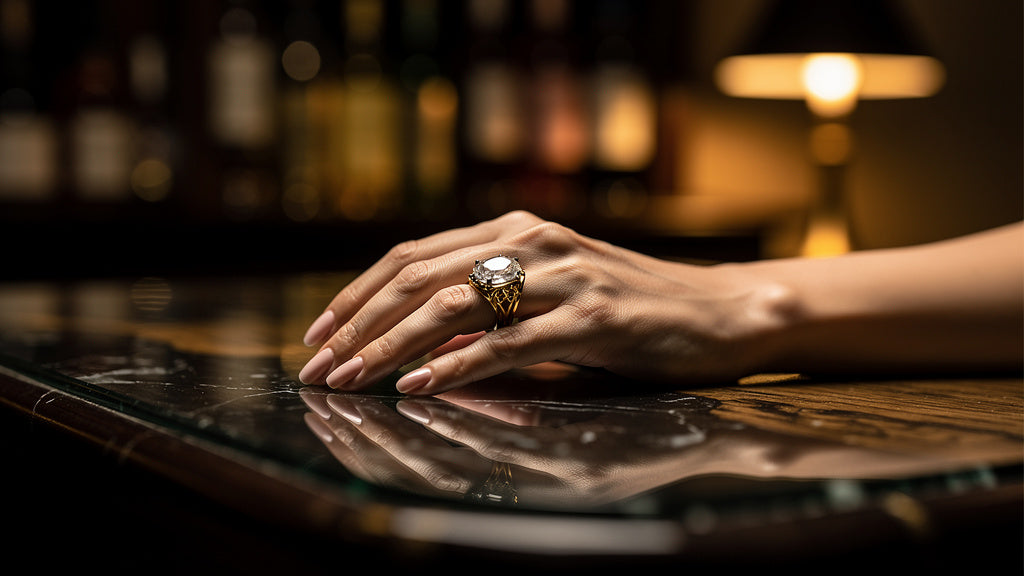
At Golden Planet, we set cubic zirconia and other simulated stones in solid 14K gold, made to order. That gives you the look of a ruby red or emerald green with a very hard-wearing stone. Orders ship from New York for US customers, or from Istanbul, Turkey for all others.
Frequently Asked Questions
What are the most expensive gemstones?
Fine ruby, sapphire and emerald lead the colored stones. Rare gems like alexandrite and Paraíba tourmaline can cost even more per carat. Price always depends on color, clarity, size and origin.
What are the 10 most popular gems?
Sapphire, ruby, emerald, amethyst, aquamarine, topaz, garnet, peridot, opal and pearl show up most in jewelry. Citrine and tanzanite are close behind.
What are some examples of white gemstones?
White sapphire, white topaz, moonstone, opal and pearl are common white stones. Cubic zirconia is a popular clear option too.
What is a gem name for a girl?
Ruby, Pearl, Opal, Amber, Jade, Beryl and Garnet are all gem names used for girls. Jewel names like Esmeralda (Spanish for emerald) are also common.
What is the hardest colored gemstone?
Ruby and sapphire rank 9 on the Mohs scale, which makes them the hardest colored gemstones. They are a top choice for rings you wear every day.
The Bottom Line
Use this list of gemstones as a starting point. Choose by color first, then check hardness to match the stone to the piece. Hard stones suit daily rings, and softer ones shine in earrings and pendants.
Ready to see colored stones set in solid gold? Browse our Best Sellers collection.


Share:
How to Make a Friendship Bracelet: Easy Steps for Beginners
How to Tell If a Tennis Bracelet Is Real: 7 Quick Checks