
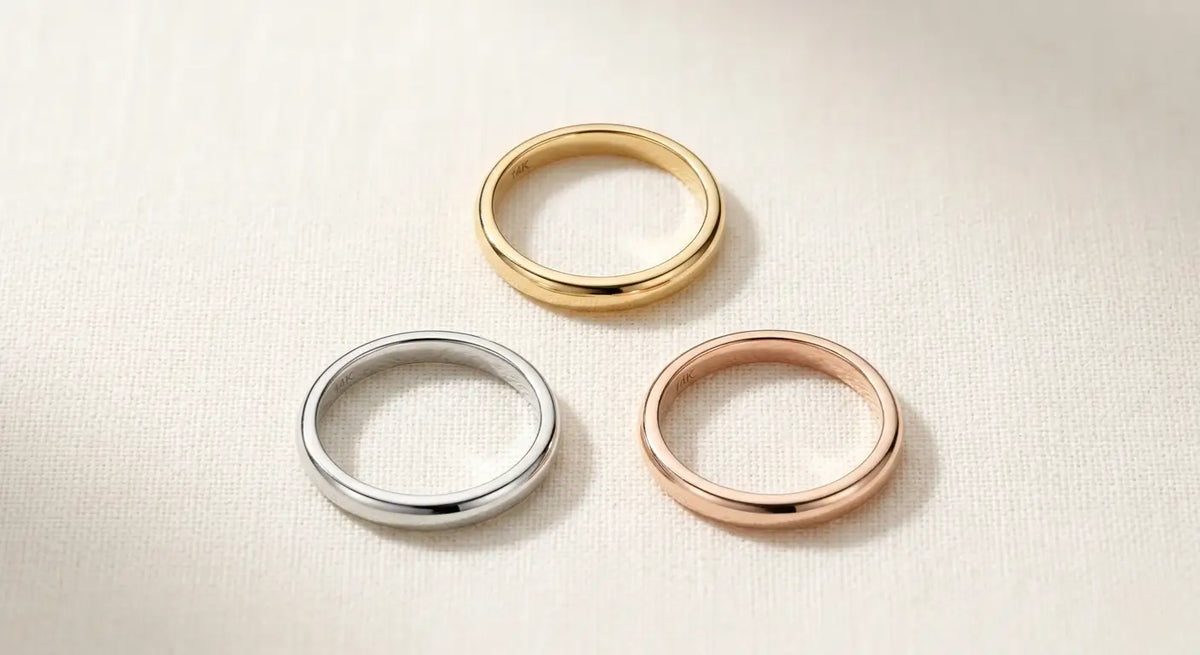
Gold isn’t one color. The yellow gold, white gold, and rose gold you see in any jewelry store all start with the same pure 24K yellow gold — they just get there with different alloy recipes that produce three distinct finishes. Comparing white gold vs yellow gold vs rose gold usually comes down to a few things: your skin tone, the jewelry you already own, your lifestyle, and the look you’ll still want to wear in ten years.
Here’s how the three stack up, and how to pick the right one for you.
What Are They Actually Made Of?
All gold jewelry below 24K is alloyed — pure gold is too soft to wear daily. 14K gold means the piece is 58.3% pure gold, with the remaining 41.7% made up of other metals. Those “other metals” are what determine the color.
| Gold Color | Pure Gold | Main Alloys |
|---|---|---|
| Yellow Gold (14K) | 58.3% | Copper + Silver |
| White Gold (14K) | 58.3% | Palladium or Nickel + Silver (often rhodium-plated) |
| Rose Gold (14K) | 58.3% | Higher Copper content |
Yellow Gold — Warm, Classic, On Trend
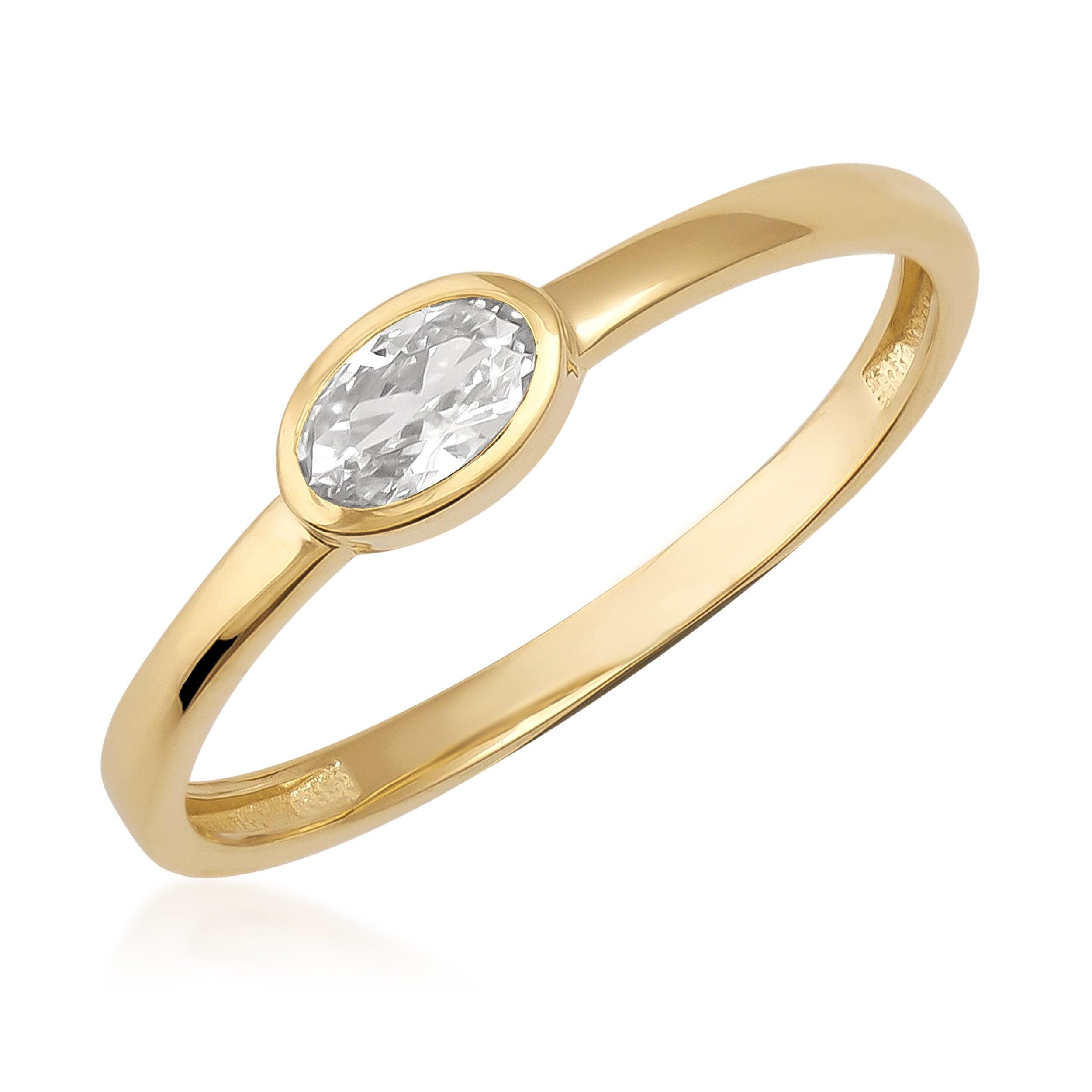
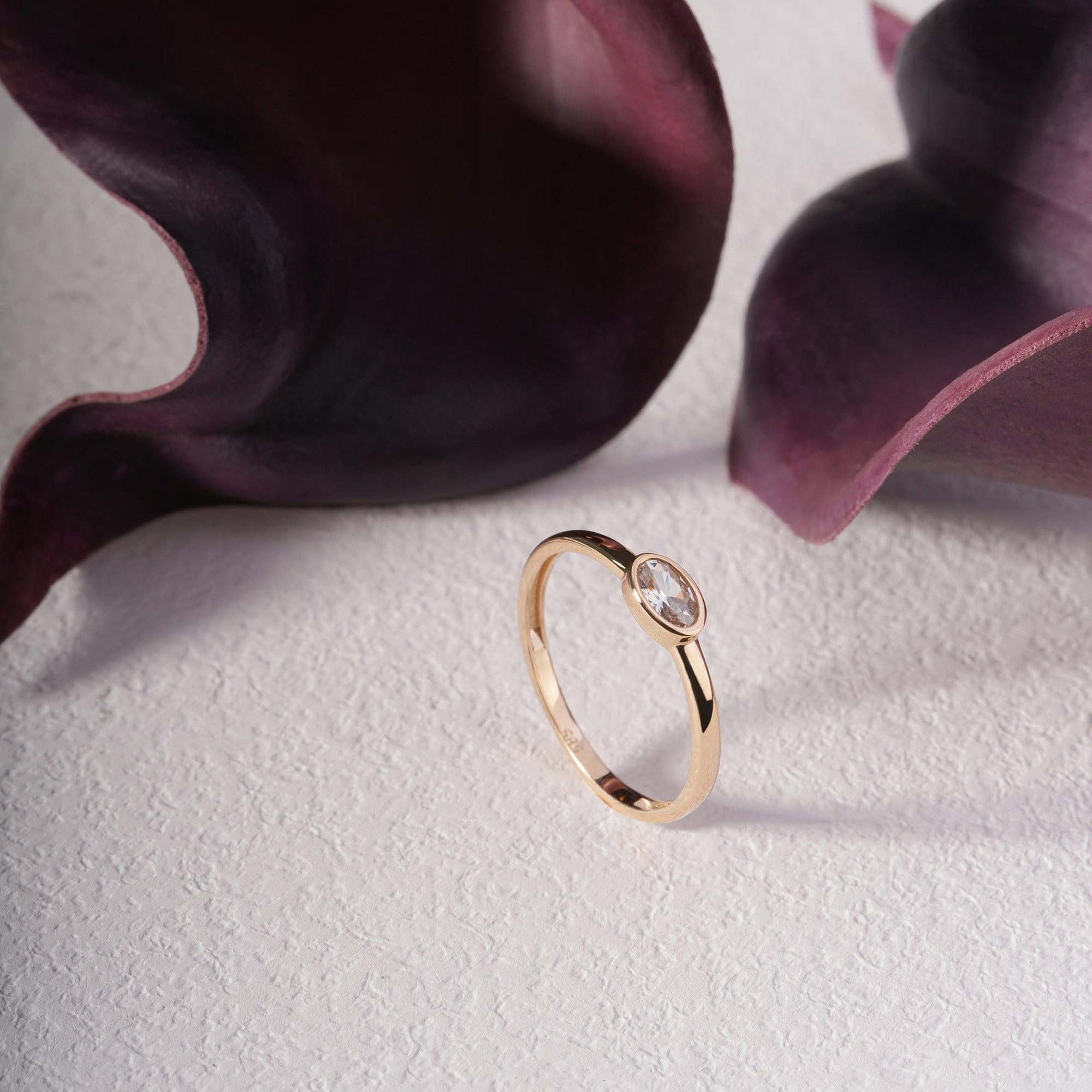
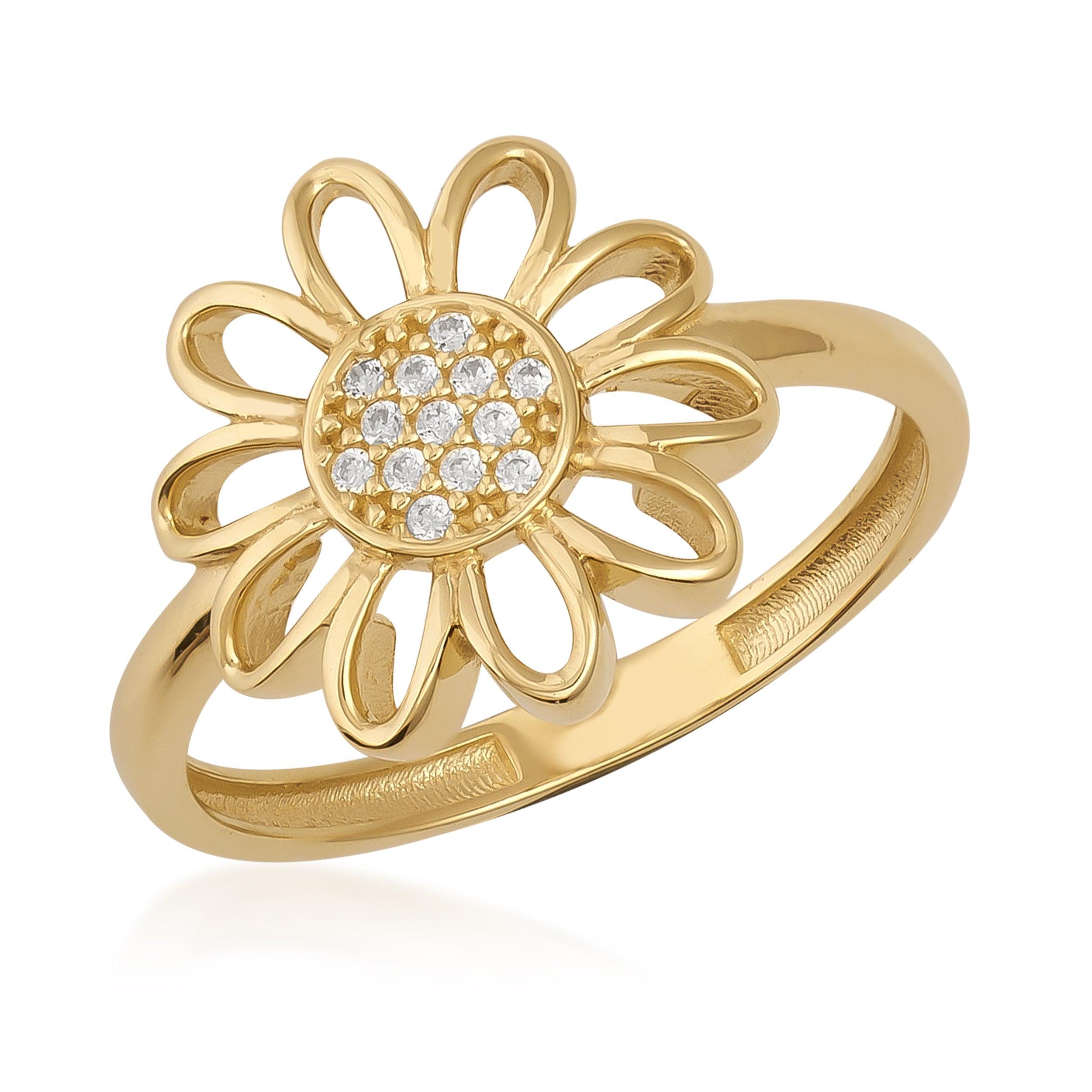
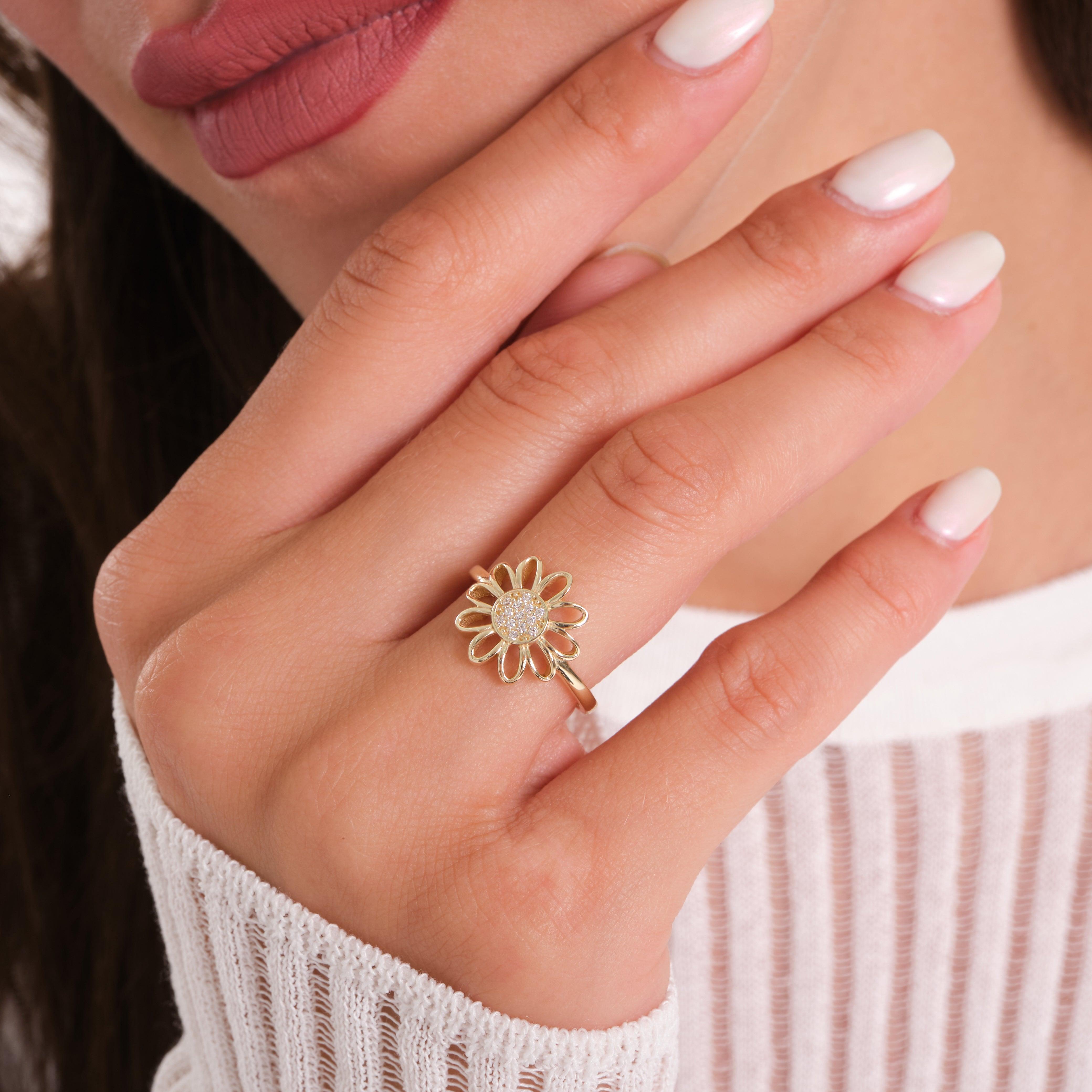
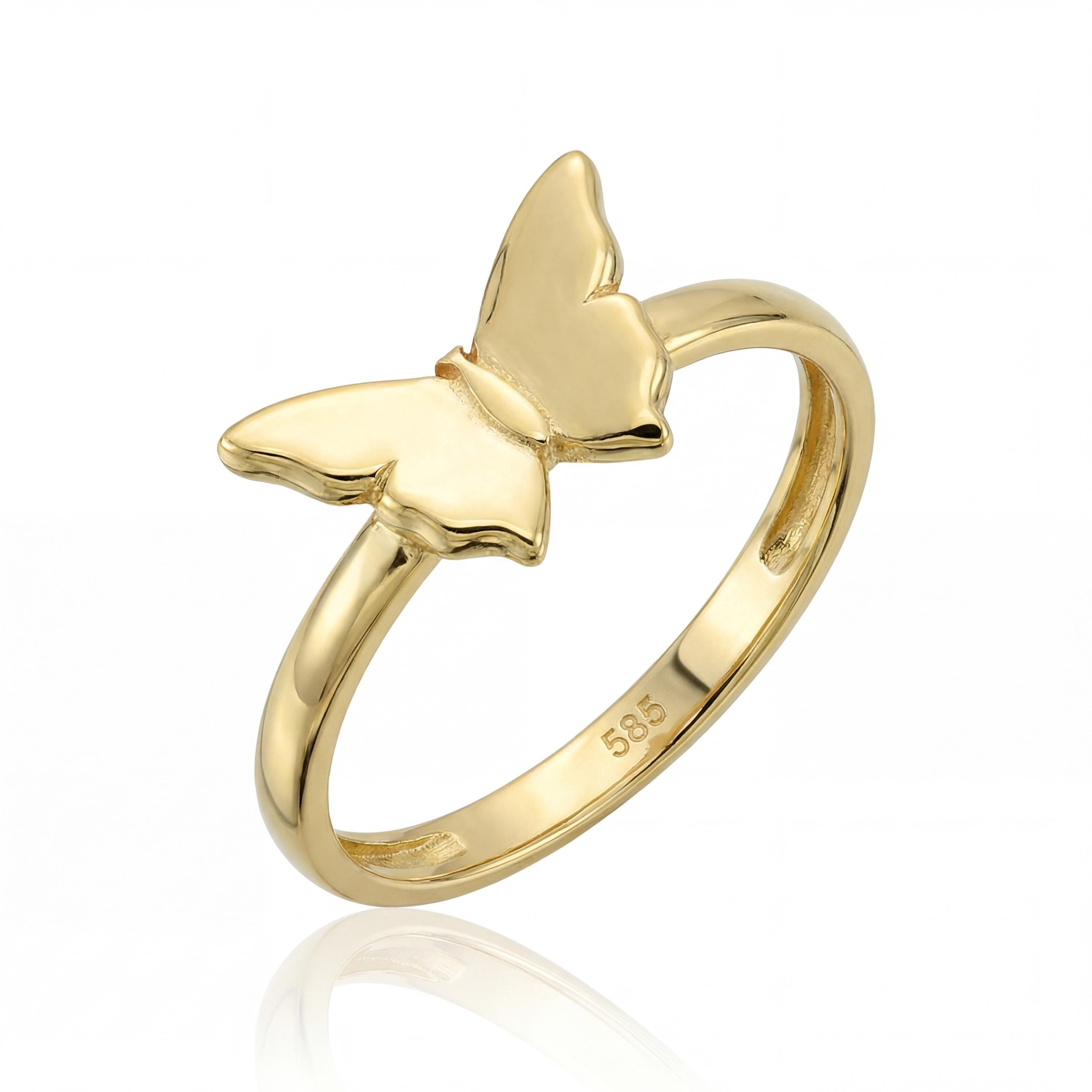
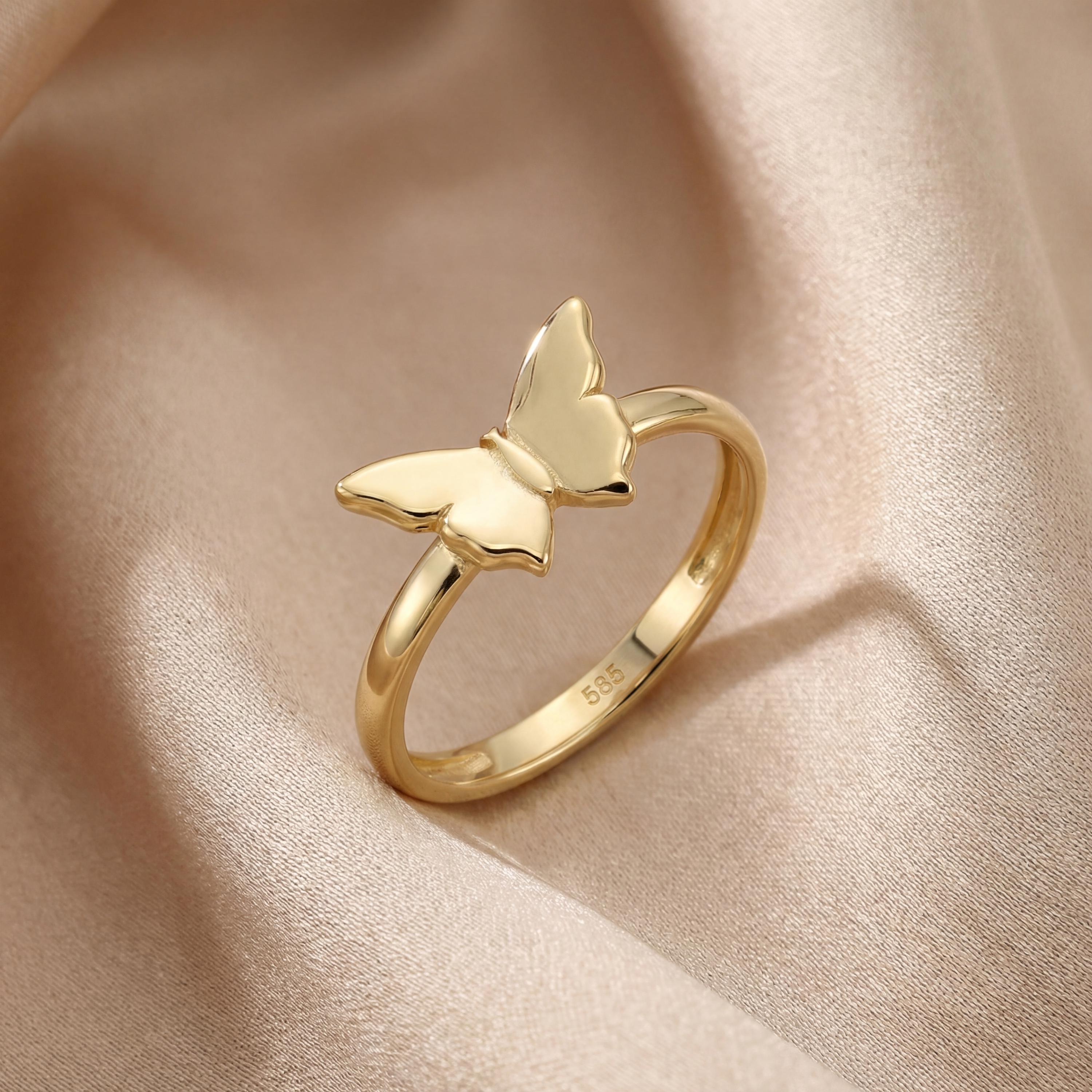
Yellow gold is what most people picture when they think of “gold.” It’s warm, traditional, and the closest in color to pure gold. Yellow gold has become a popular fine jewelry choice again in recent years, after a period when white gold was more common.
- Best for skin tone: Warm and medium skin tones — and increasingly, all skin tones (it’s flattering on almost everyone).
- Maintenance: Minimal. Doesn’t need replating. Color is permanent.
- Personality: Timeless, warm, sun-kissed, romantic.
- Pairs best with: Diamonds (warms them), colored gemstones, pearls.
White Gold — Modern, Cool, Sleek
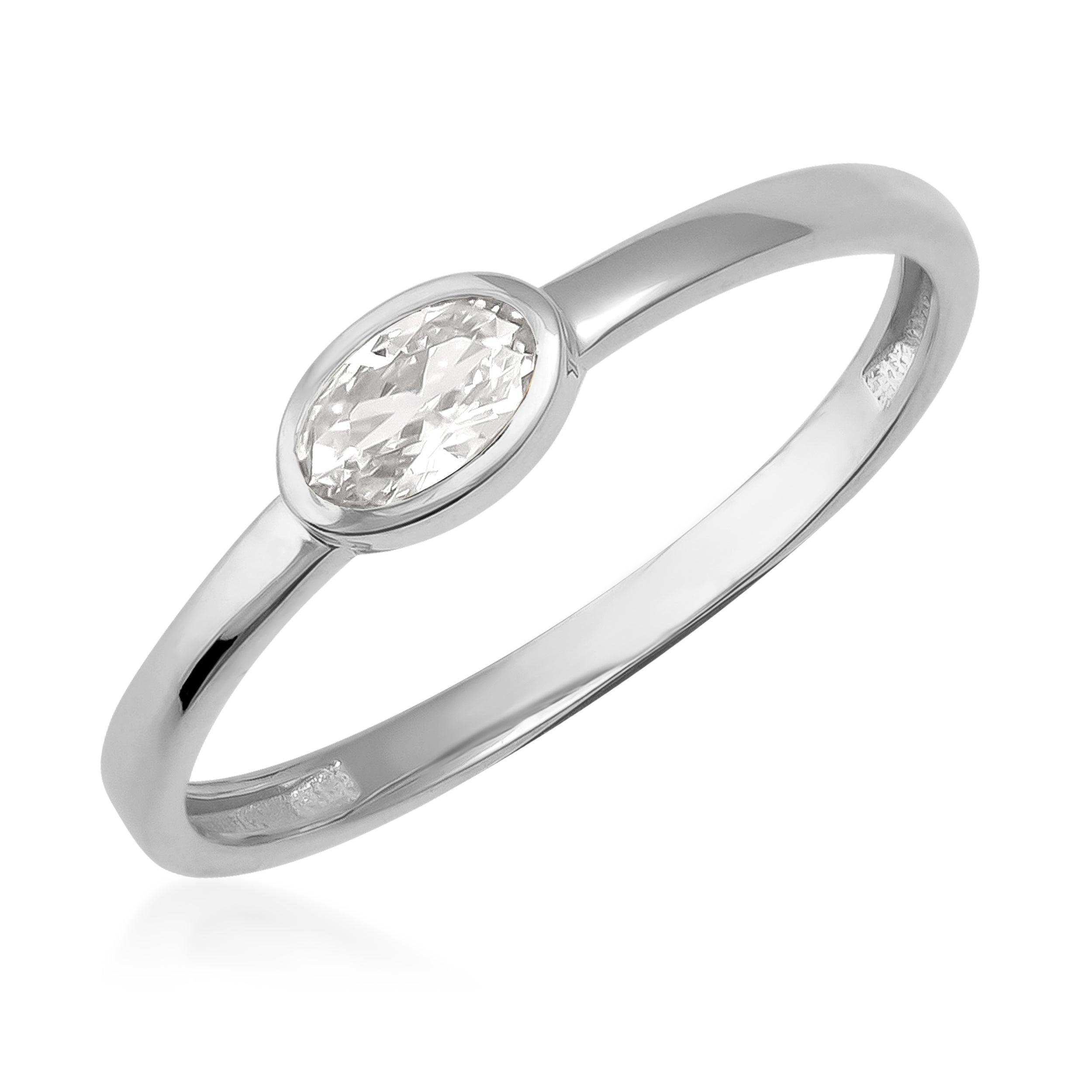
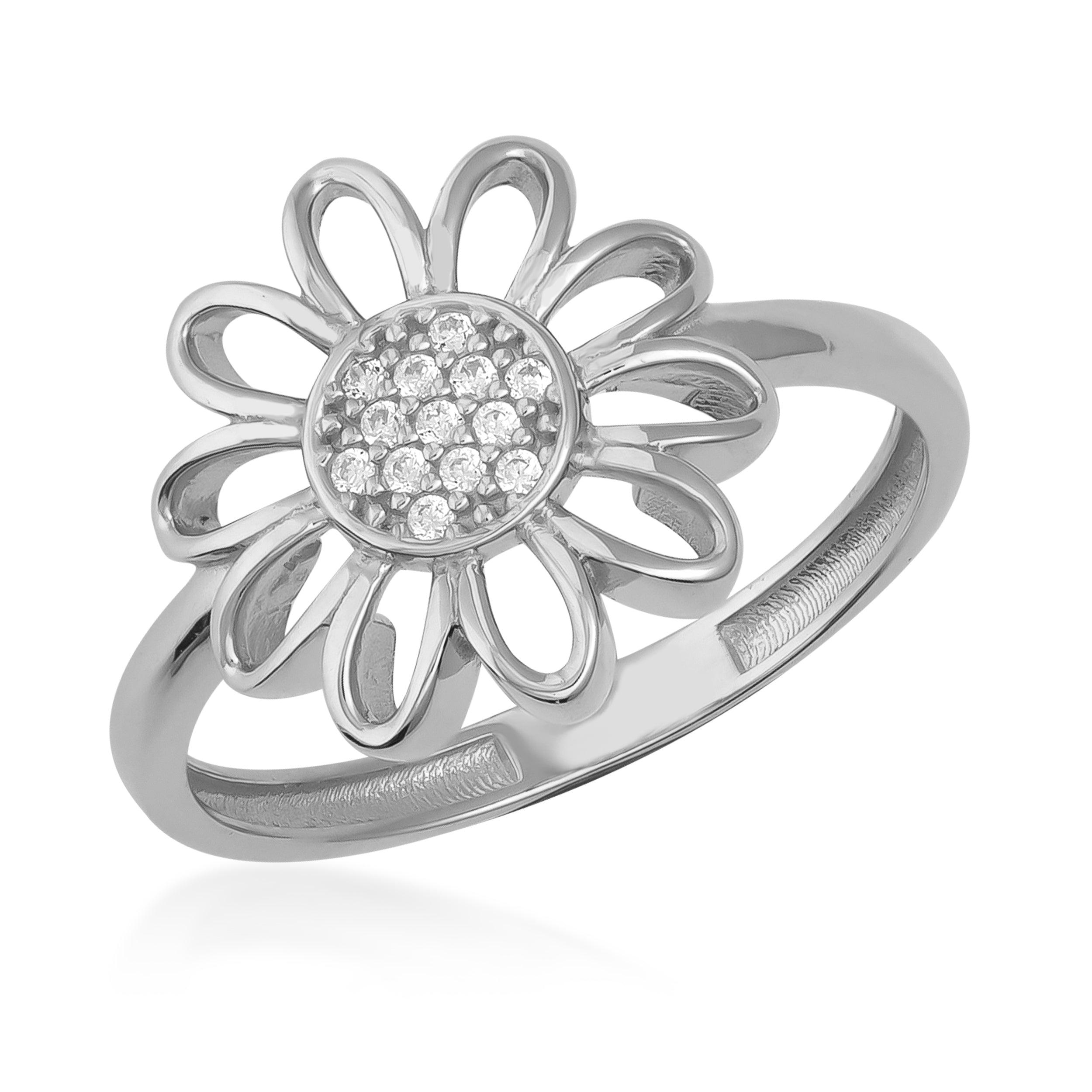
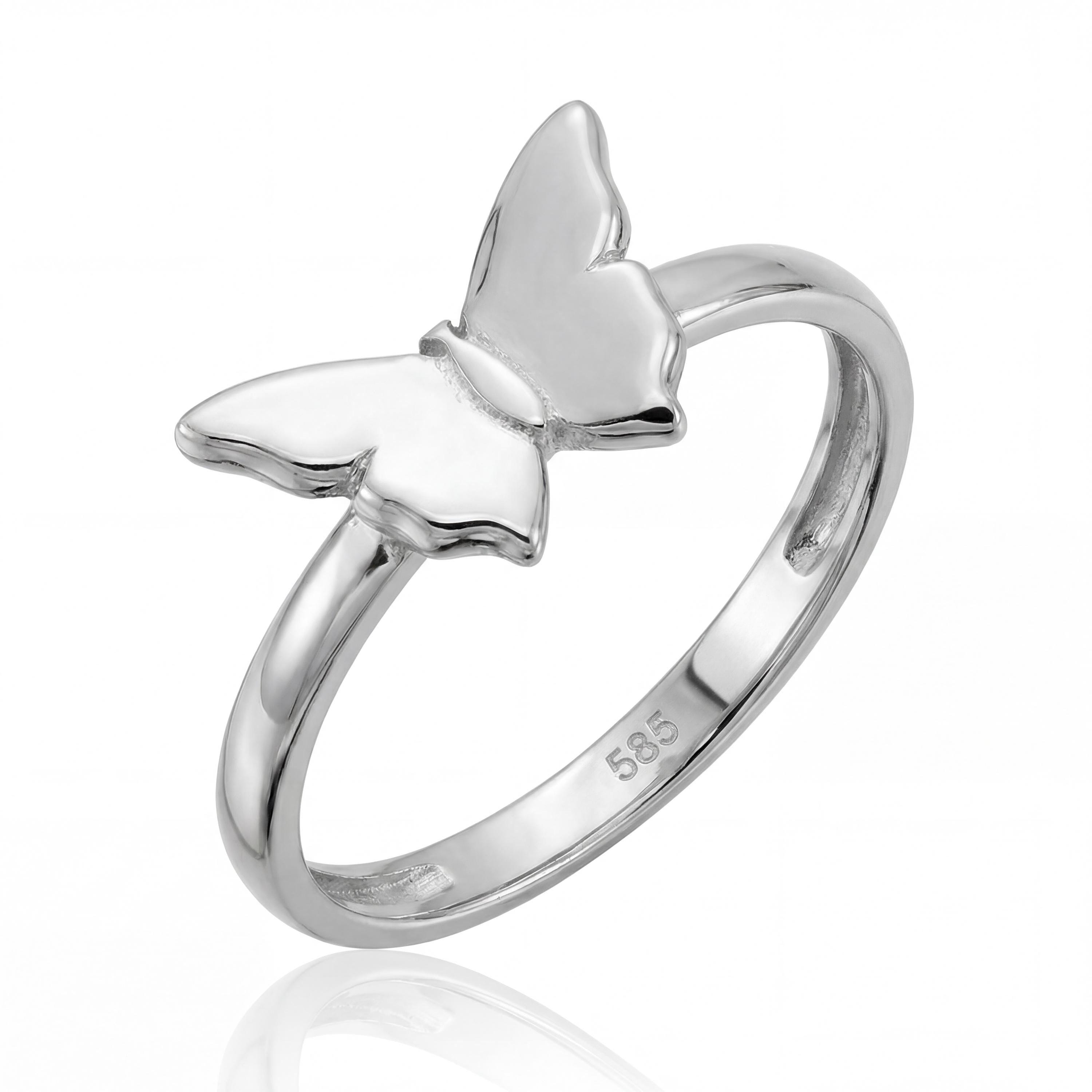
White gold mimics the look of platinum at a lower price point. Most white gold is rhodium-plated, which gives it that bright, mirror-like white finish. The catch: rhodium wears off every 1–3 years and needs to be reapplied to maintain the brightest color.
- Best for skin tone: Cool skin tones — pink or blue undertones.
- Maintenance: Moderate. Needs rhodium re-plating every 1–3 years to stay brilliantly white.
- Personality: Modern, contemporary, sleek.
- Pairs best with: Diamonds (especially solitaires), sapphires, cool gemstones.
- Note on nickel: Some white gold uses nickel as an alloy — if you have a nickel allergy, look for palladium-based white gold (or stick with yellow).
Rose Gold — Romantic, Distinctive, Warm-Cool
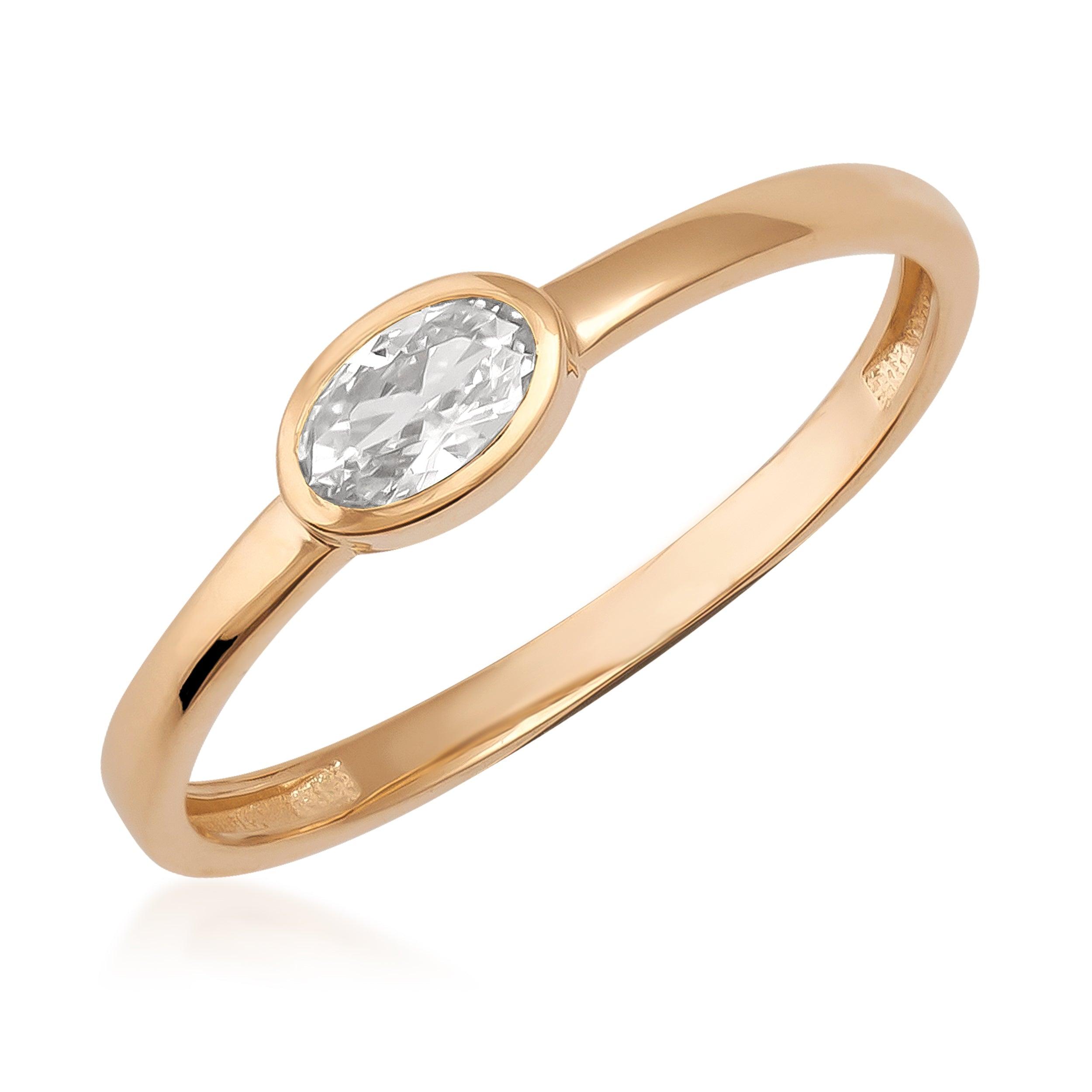
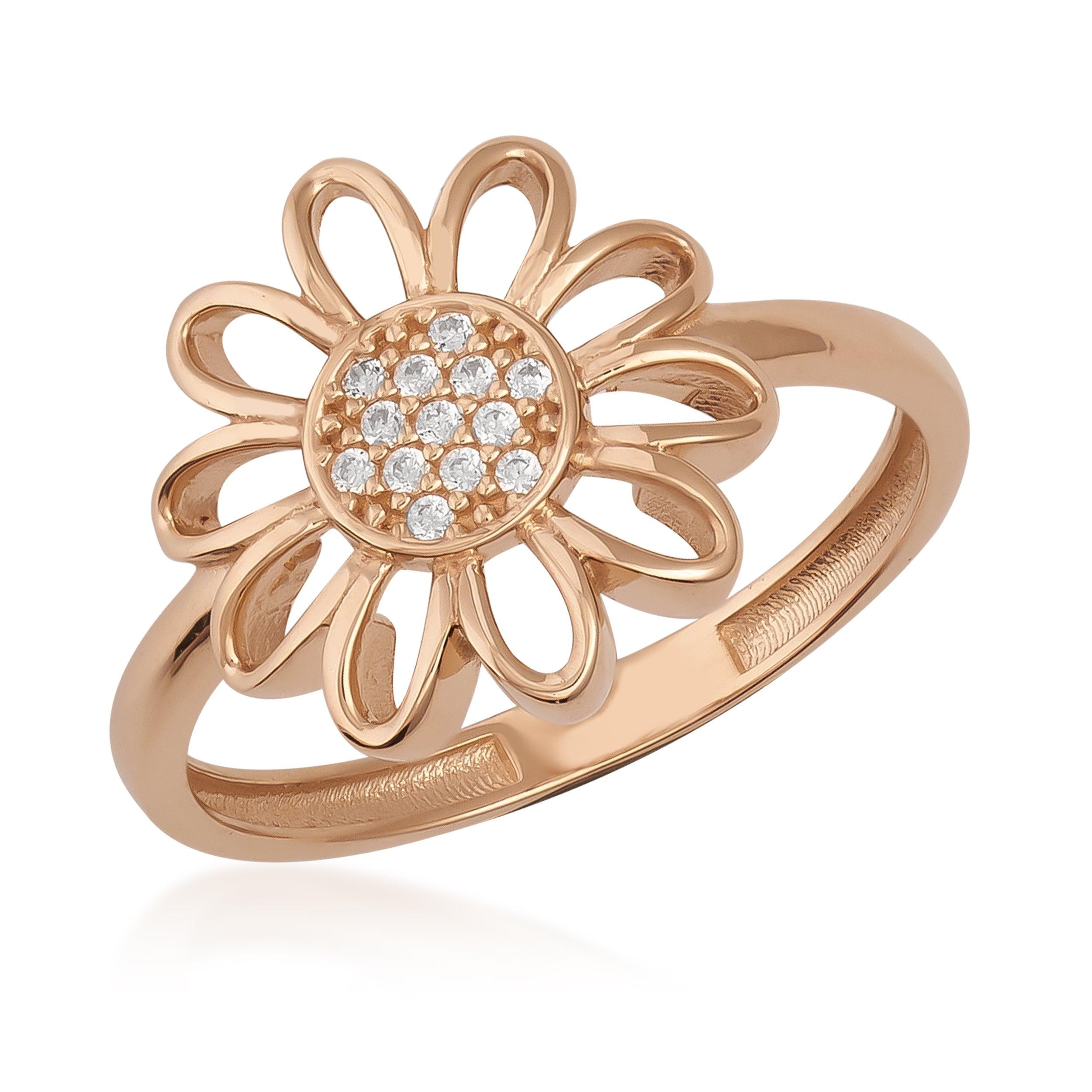
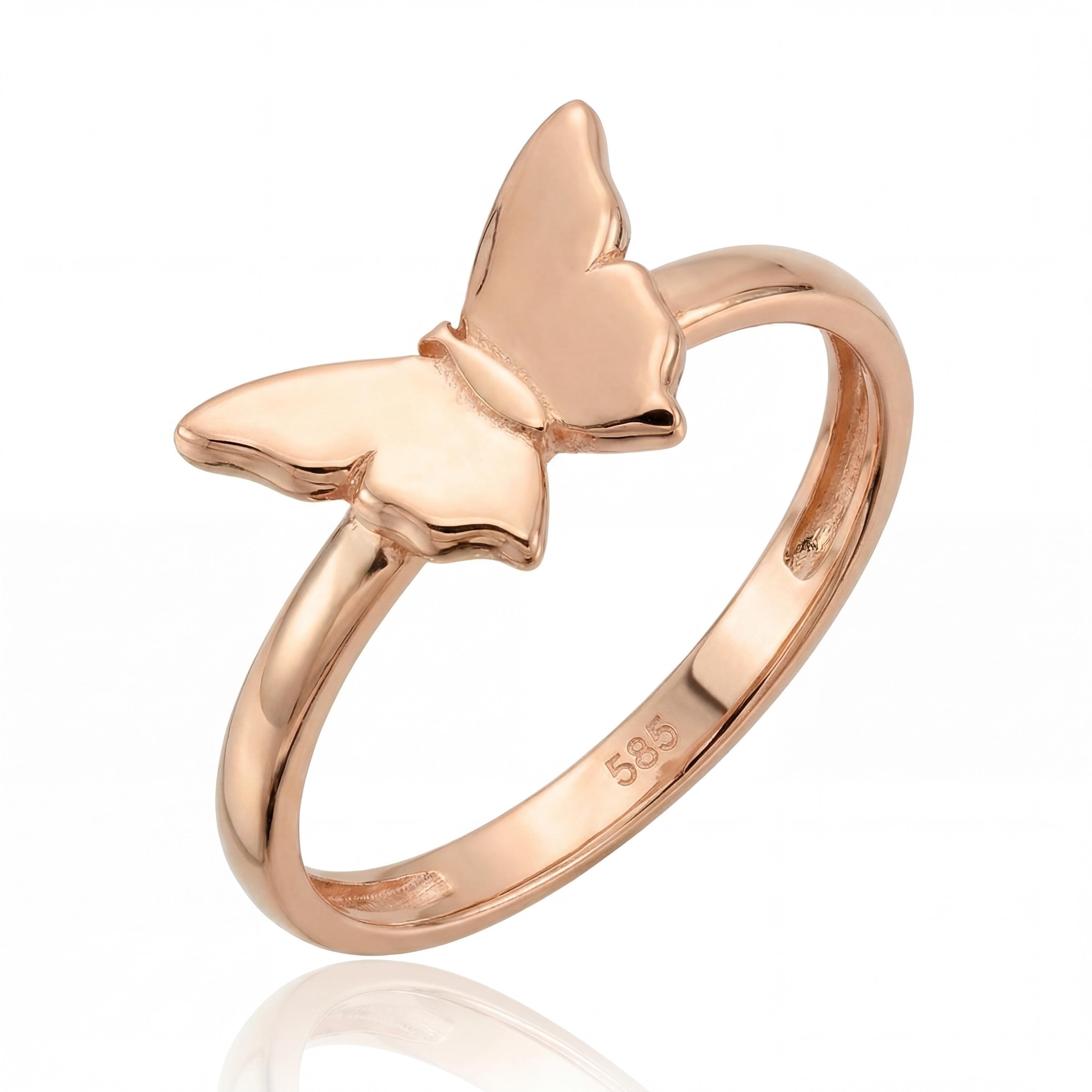
Rose gold gets its pink hue from a higher copper content. It’s the most distinctive of the three colors — instantly recognizable, romantic, slightly vintage. Its popularity peaked around 2018 but it remains a strong evergreen choice for those who love its character.

- Best for skin tone: Universally flattering — works on warm, cool, and neutral undertones.
- Maintenance: Minimal. Color is permanent and may deepen slightly over decades.
- Personality: Romantic, feminine, slightly vintage.
- Pairs best with: Morganite, pearls, diamonds, anything with pink undertones.
- Durability note: The high copper content actually makes rose gold slightly harder than yellow or white gold of the same karat.
How to Match to Your Skin Tone
The easiest test: look at the veins on the inside of your wrist in natural light.
- Blue/purple veins → cool undertone → White gold or rose gold
- Green veins → warm undertone → Yellow gold or rose gold
- Mix of both → neutral undertone → All three colors will work
Another test: gold or silver earrings — which one makes your skin look brighter, healthier? That’s your tone. This same test settles most yellow gold vs white gold questions, and the logic holds once you bring rose gold into the comparison too.
Which Gold Color Suits Your Jewelry Style?
Skin tone is one factor — the look you’re going for is another. Each gold color tends to read differently depending on the design around it.
- Minimalist or modern: White gold’s cool, bright finish pairs naturally with clean lines and simple settings.
- Classic or traditional: Yellow gold is the default for heirloom-style and traditional designs — it’s the color most people picture when they think “fine jewelry.”
- Vintage or romantic: Rose gold’s warm pink tone suits detailed, antique-inspired, or softly feminine designs.
None of this is a hard rule — plenty of modern pieces come in yellow gold, and plenty of vintage-inspired designs use white gold. Use it as a starting point, not a limit.
Which One Lasts Longest? A Durability Ranking
All three hold up well in solid 14K gold, but they age differently.
- Rose gold: The hardest of the three. Its higher copper content makes it more scratch-resistant, and the color is permanent — it won’t fade or need maintenance.
- Yellow gold: Slightly softer than rose gold but still durable for daily wear. Color is permanent; the surface can pick up fine scratches over years, which is normal for any gold jewelry.
- White gold: Structurally similar to yellow gold, but most white gold is rhodium-plated for that bright white finish. The plating wears down over time — typically every 1–3 years — and needs to be reapplied to stay at its brightest. Underneath, white gold has a slight warm tint, which is why it needs replating rather than losing color outright. See our guide to why gold jewelry fades for more on what causes color change over time.
Routine care matters as much as the metal itself. Regular gentle cleaning keeps any gold color looking its best — our guide to cleaning 14K gold jewelry at home covers the basics.

Can You Mix Metals?
Yes — and it’s very on trend. Mixed-metal stacking (e.g., a yellow gold ring stacked with a white gold band) was once considered a faux pas but is now a signature modern look. The key is making the mix look intentional: wear at least two pieces of each metal somewhere on your body so neither feels accidental.
Price Comparison: White Gold vs Yellow Gold vs Rose Gold
At the same karat and weight, all three colors cost approximately the same — within a few percent of each other. Pure gold content is identical (58.3% for 14K), and the alloy metals themselves don’t materially change the price. The one variable is palladium-based white gold, which can run slightly higher than nickel-based white gold, yellow gold, or rose gold, since palladium is a pricier metal.
If you’ve been comparing white gold vs yellow gold vs rose gold price tags on similar pieces, the difference you’re seeing is more likely about design complexity or stone setting than the gold color itself. Buying decisions should be made on color and style, not cost.
Which Should You Buy?
- Buying your first fine piece? Yellow gold — versatile and low maintenance, with timeless appeal.
- Cool undertone, modern aesthetic? White gold.
- Want something with personality? Rose gold.
- Buying for someone else? Match the color of jewelry they already wear.
Frequently Asked Questions
Which color gold is most expensive?
At the same karat and weight, yellow gold, white gold, and rose gold cost roughly the same — the pure gold content (58.3% for 14K) is identical across all three, and that’s what drives most of the price. The one exception is white gold made with palladium instead of nickel: palladium is a pricier metal, so palladium-based white gold can run slightly higher than nickel-based white gold, yellow gold, or rose gold of the same karat.
What are the disadvantages of rose gold?
Rose gold’s pink hue is permanent — you can’t change it later the way you can refresh white gold’s rhodium plating, so it’s worth being sure you love the color before committing. Its warmer, distinctive tone also reads more vintage or romantic, which isn’t the right fit for every minimalist or modern style. And because the exact shade depends on the copper ratio in the alloy, rose gold pieces from different makers can vary slightly in color.
What is better, white gold or rose gold?
Neither is objectively better — it comes down to undertone and style. White gold suits cool undertones and modern, sleek designs, while rose gold works across nearly every undertone and leans romantic and vintage. If you’re not sure, the wrist-vein test earlier in this guide is the fastest way to tell which one will look better against your skin.
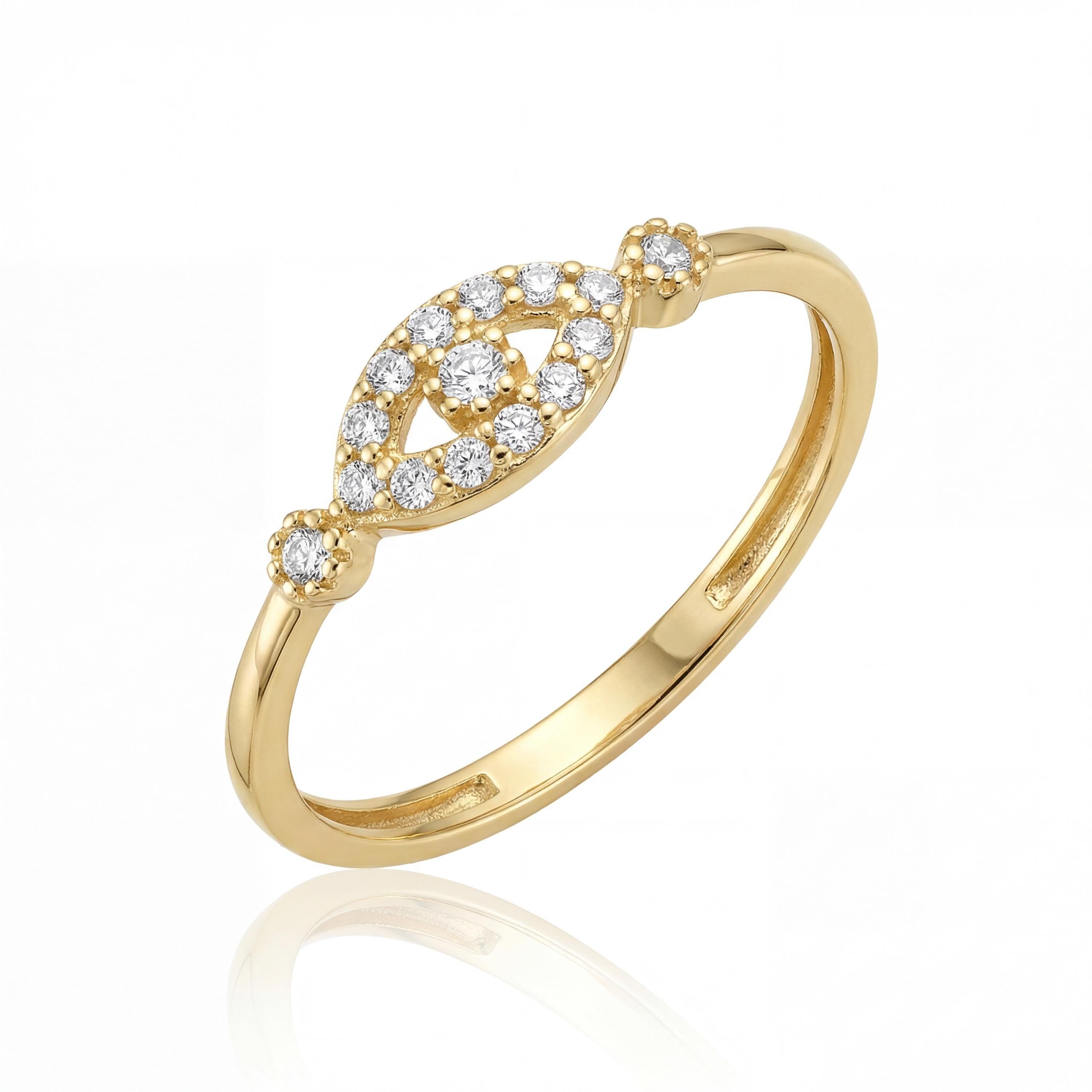
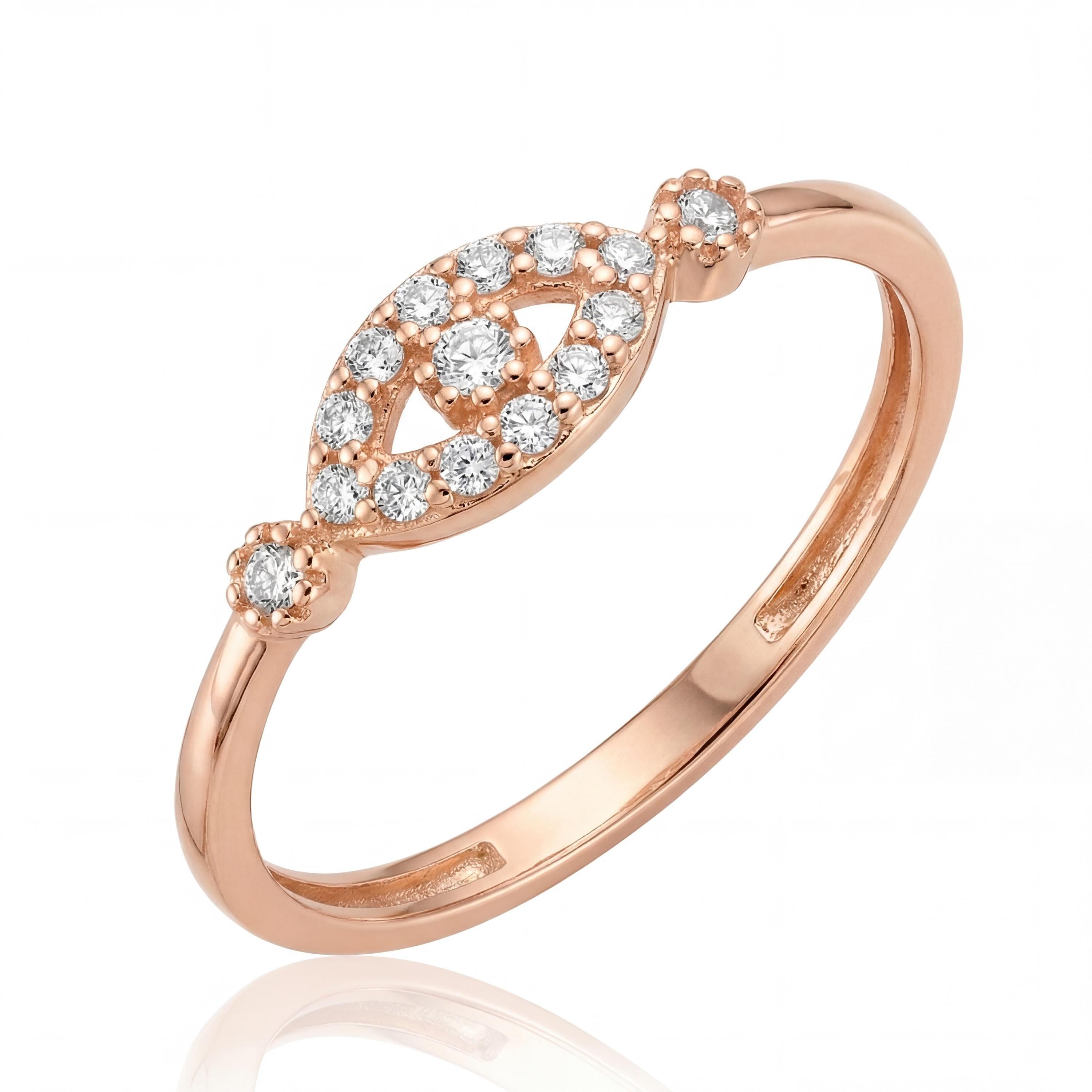
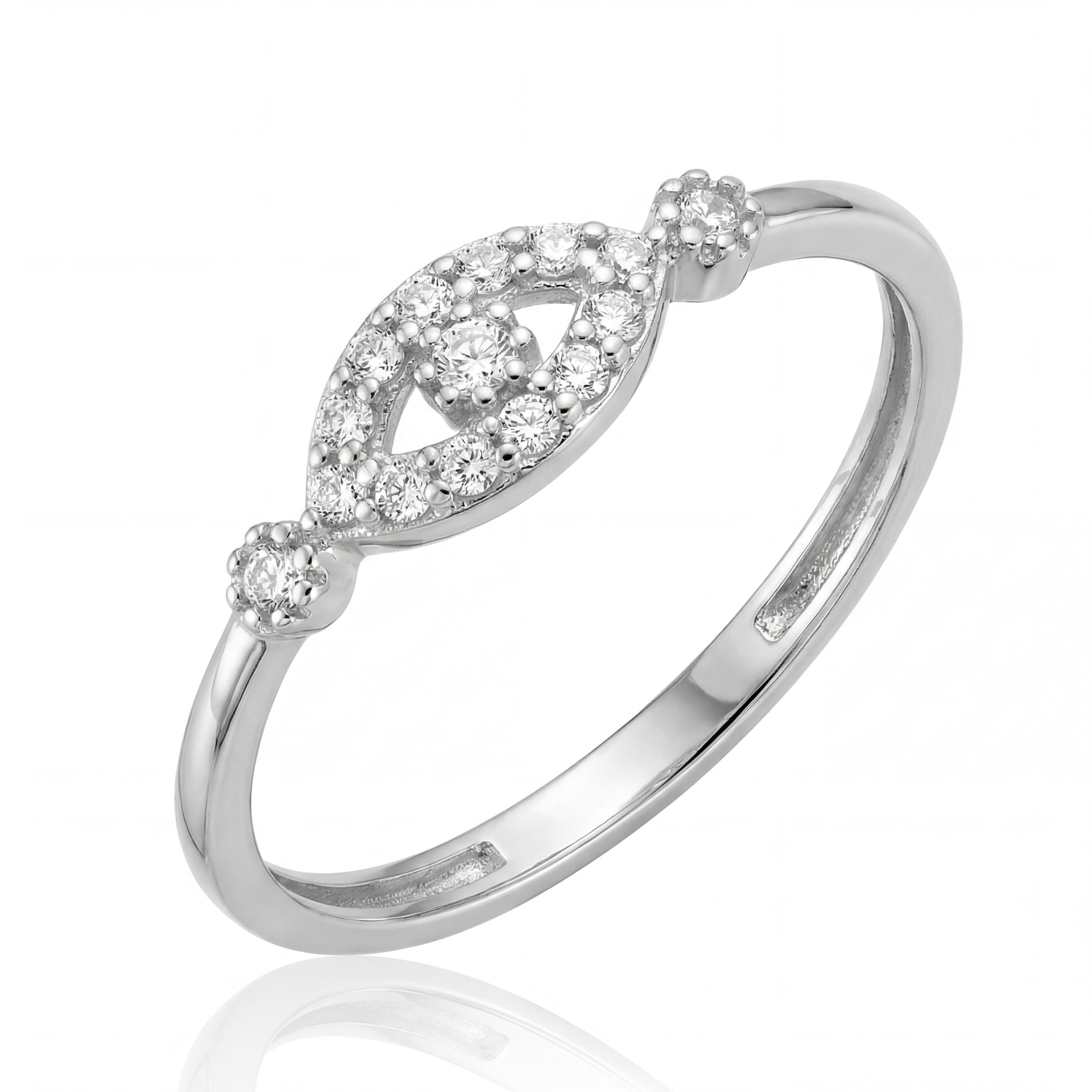
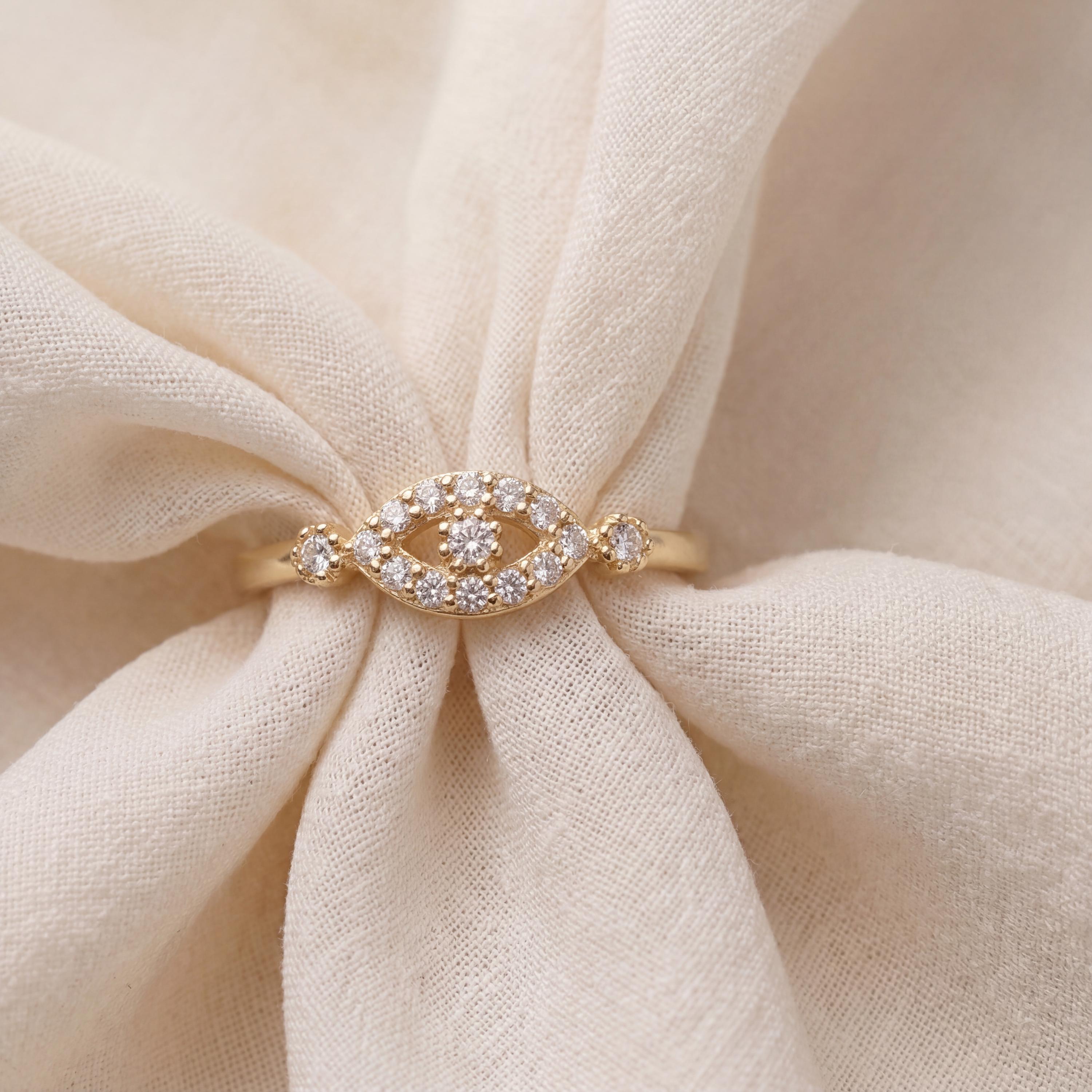
At Golden Planet Jewelry, we craft our jewelry in 14K gold, including yellow, white, and rose. Browse our Best Sellers collection to see all three colors side by side.

Share:
Every Earring Style Explained: Studs, Hoops, Huggies, Drops & More
How to Store Gold Jewelry the Right Way (Prevent Scratches & Tangles)