
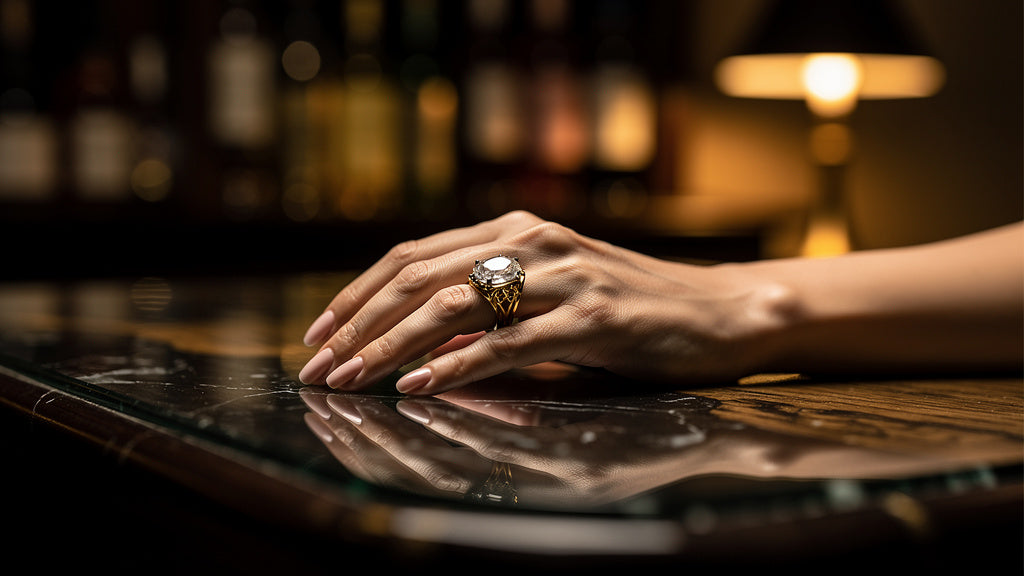
Which finger does an engagement ring go on? In the US, it goes on the fourth finger of the left hand. That is the finger next to your pinky, often called the ring finger.
That is the short answer, but customs differ. Some countries use the right hand. Some couples move the ring after the wedding. Here is how the engagement finger works, and how to pick the right size and style for it.
- In the US, UK, Canada and Australia, the engagement ring goes on the left ring finger.
- Many countries use the right hand instead, so ask or check before you buy for a partner from abroad.
- Fingers swell and shrink, so measure the ring finger late in the day, and more than once.
Which Finger Is the Engagement Finger?
Count from the thumb. The thumb is the first finger, the index is the second, the middle is the third, and the next one is the fourth. That fourth finger on the left hand is the engagement finger in most Western countries.
The habit is very old. An ancient Roman idea held that a vein ran from this finger straight to the heart. We now know that is not how anatomy works. The idea stuck anyway, and it gave the custom a romantic story.
There is also a practical reason. The ring finger sits between two others, so it is a little more protected than the index or the pinky. A ring there takes fewer knocks day to day. Most people also use their non-dominant hand less, so the ring stays safer.
Left Hand or Right Hand by Country
The finger stays the same in most places. The hand changes. If your partner grew up elsewhere, the right hand may feel more natural to them.
Use the table below as a general guide. Customs shift inside each country, and many couples simply wear the ring where it feels right.
| Region | Common hand for the engagement ring | Finger |
|---|---|---|
| US, Canada | Left | Fourth |
| UK, Ireland, Australia | Left | Fourth |
| France, Italy | Left | Fourth |
| Germany, Austria | Right | Fourth |
| Russia, Poland | Right | Fourth |
| Brazil | Right | Fourth |

Engagement Ring Finger vs Wedding Ring Finger
In the US, both rings usually share the same finger. The engagement ring goes on first. At the wedding, the band slides on closest to the hand, and the engagement ring sits on top of it.
Some people like a different order. They move the engagement ring to the right hand on the wedding day. Others keep it on the left and add the band later. Both ways are common, and neither one is wrong.
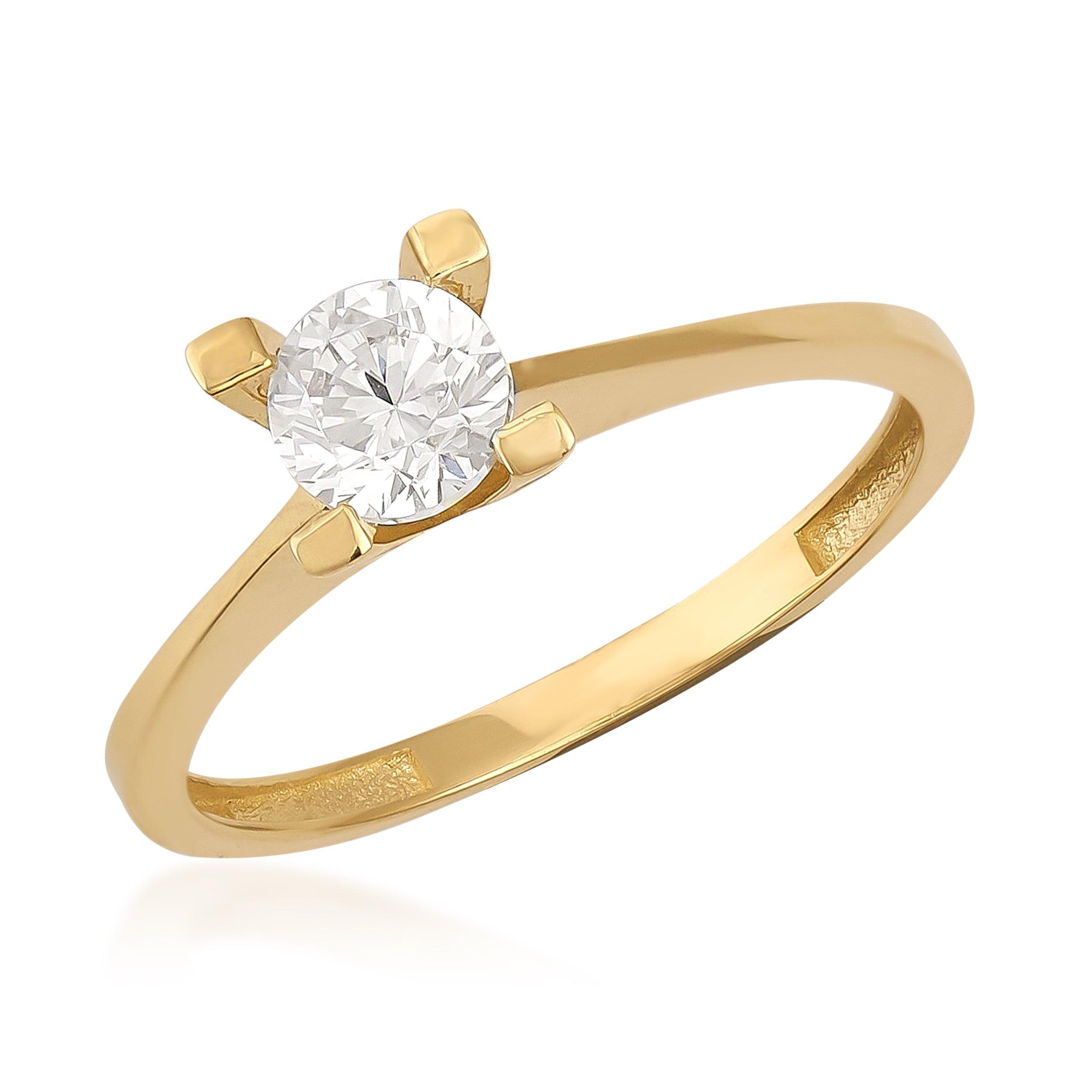
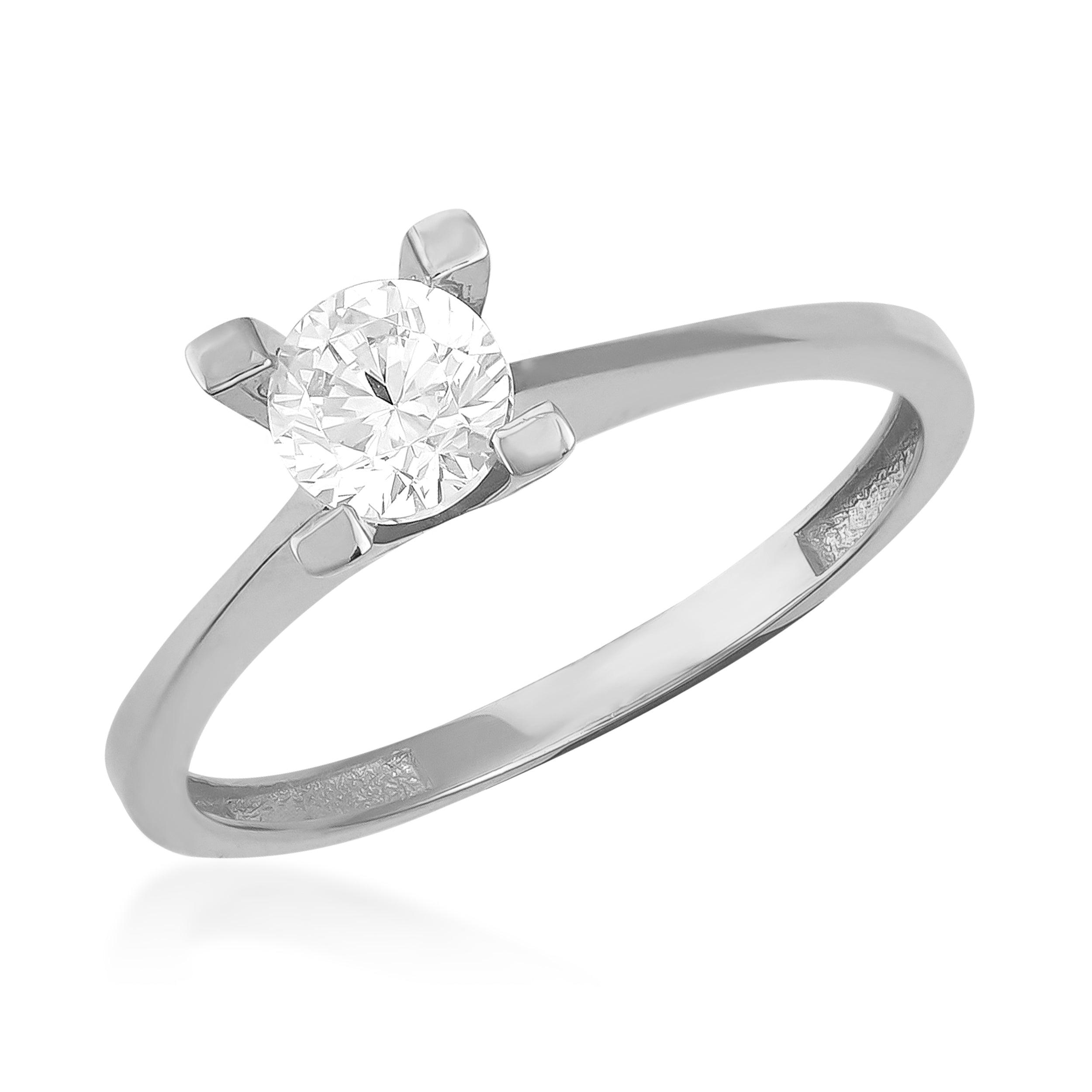
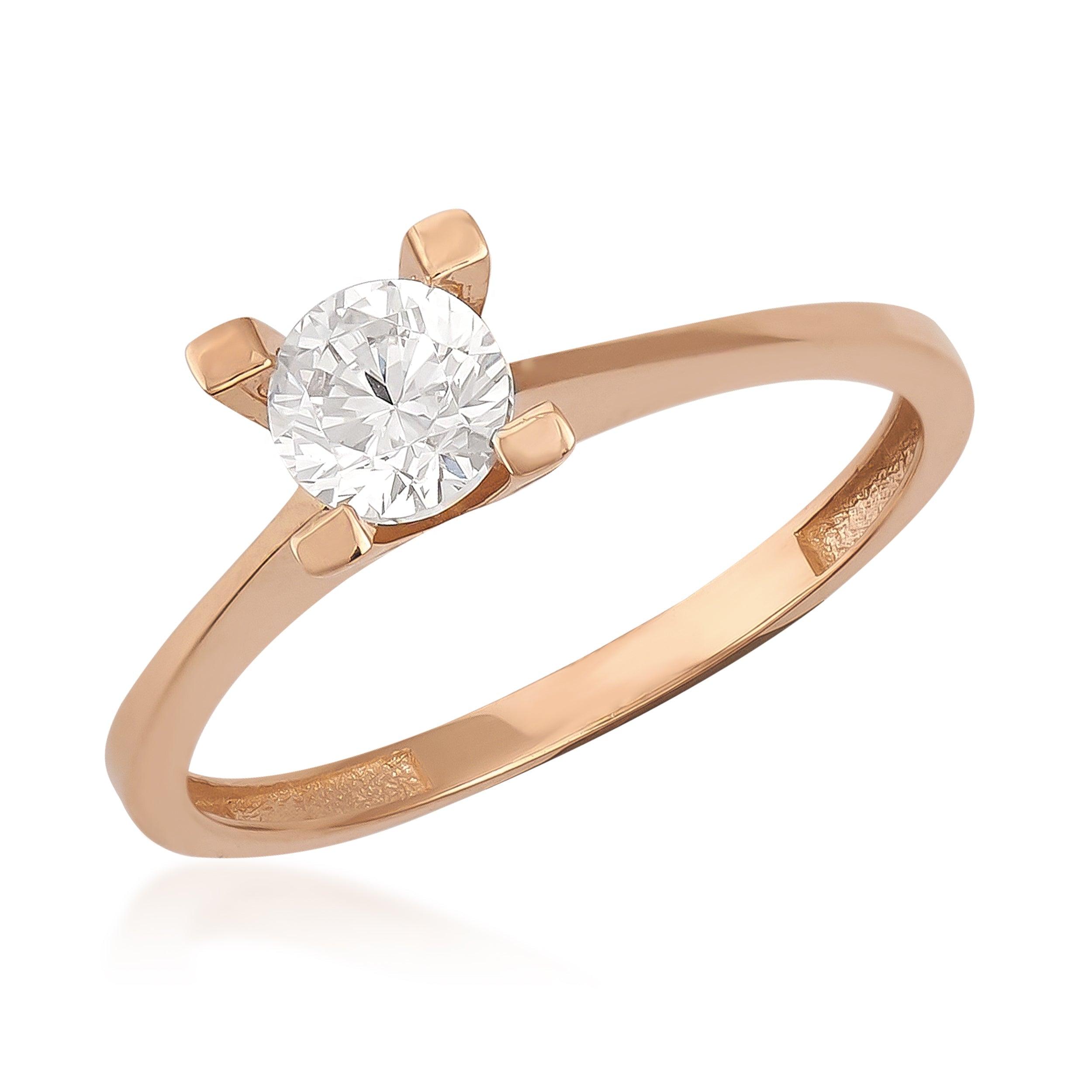
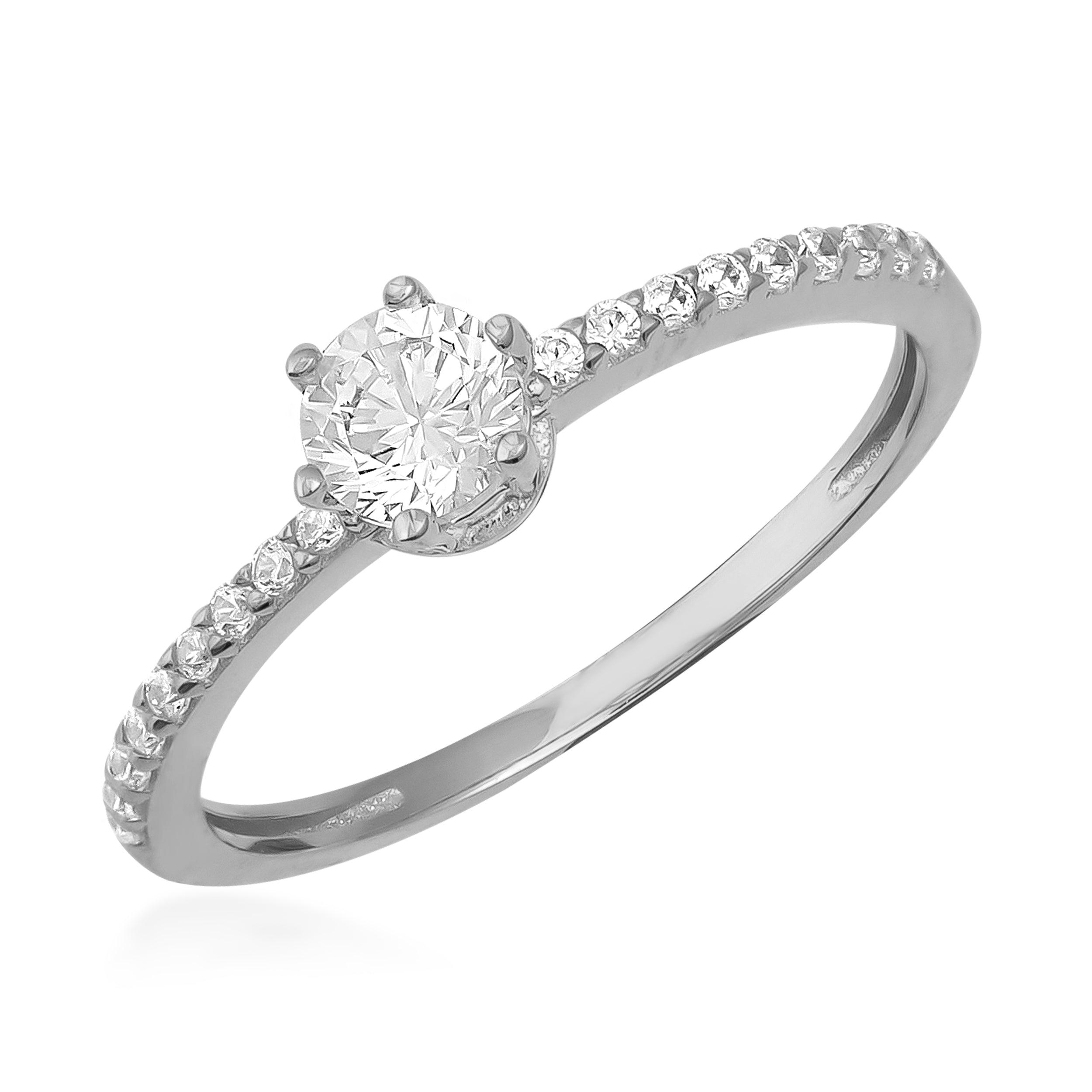
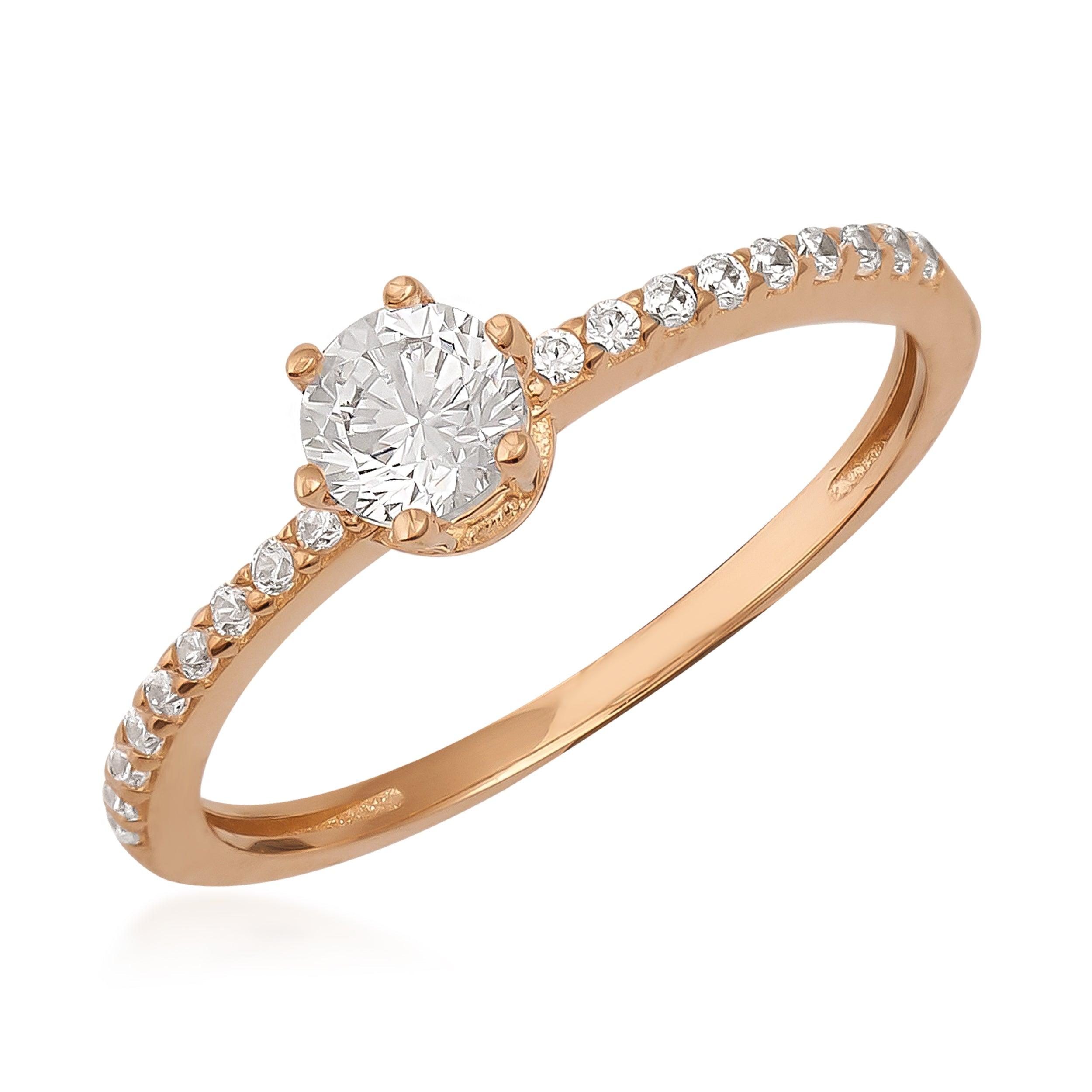
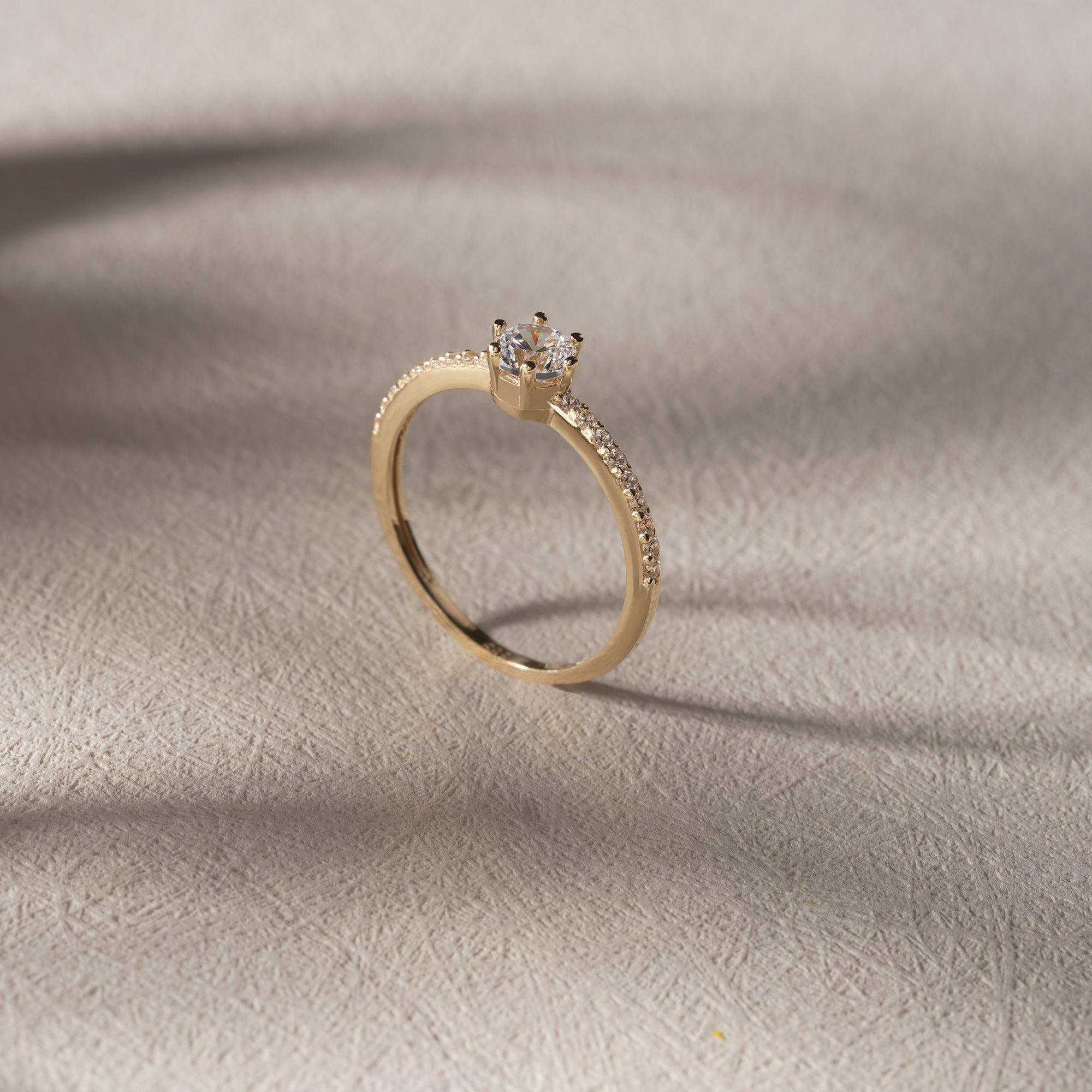
If you want to wear both rings together, plan the pair early. A band with a high setting can sit awkwardly against a flat wedding band. A simple 14K gold band next to a stone ring usually looks best when the two rings have a similar width and tone. Our guide to white vs yellow vs rose gold can help you match metals.
Engagement Finger for Men
Many men do not wear an engagement ring at all. Those who do usually follow the same custom. They wear it on the fourth finger of the left hand, just as women do.
Some men prefer the right hand, or a simple band that looks like a wedding ring. Others choose a signet-style ring or a plain gold band. The best choice is the one that suits daily life. If your hands are busy at work, a low, smooth band is easier to wear than a tall setting.
Men's fingers are often a little wider, but the shape matters more than the average. Measure the actual finger instead of guessing from a chart.

How to Size Your Engagement Finger
A ring that fits well sits snug but slides over the knuckle with a little effort. It should not spin freely, and it should not leave a deep dent.
Here is a simple way to measure at home:
- Wrap a thin strip of paper around the base of the finger.
- Mark where the end meets the paper.
- Measure that length in millimeters.
- Compare it to a ring size chart.
Measure at the end of the day, when fingers are at their largest. Cold hands run smaller and warm hands run larger. Repeat the measurement on two or three days, and use the middle result.
Your dominant hand is often a bit larger than the other one. If you are right-handed, your left ring finger may be a half size smaller than the right. Measure the exact finger that will wear the ring, not the other hand.
Weather and health can change the fit as well. Heat, salty food and long flights can make fingers swell for a day or two. Do not size on a day like that. Wait until your hands feel normal, then measure again.
A wide band fits tighter than a thin one. If you choose a band wider than about 6 mm, think about going up half a size. Check our 14K gold rings to see widths and styles side by side.
Choosing a Ring Style for the Engagement Finger
The ring finger works hard. It helps you grip, type and carry bags. A ring here should suit the way you live.
Low settings catch less on sleeves and gloves. Smooth, rounded bands feel more comfortable through the day. Tall settings look dramatic, but they snag more often. If you work with your hands, start low.
Metal matters too. Solid 14K gold is 58.5% pure gold, mixed with other metals for strength. That makes it tougher than higher-karat gold, so it holds up well to daily wear. It also keeps its color without a plated layer that can wear thin.
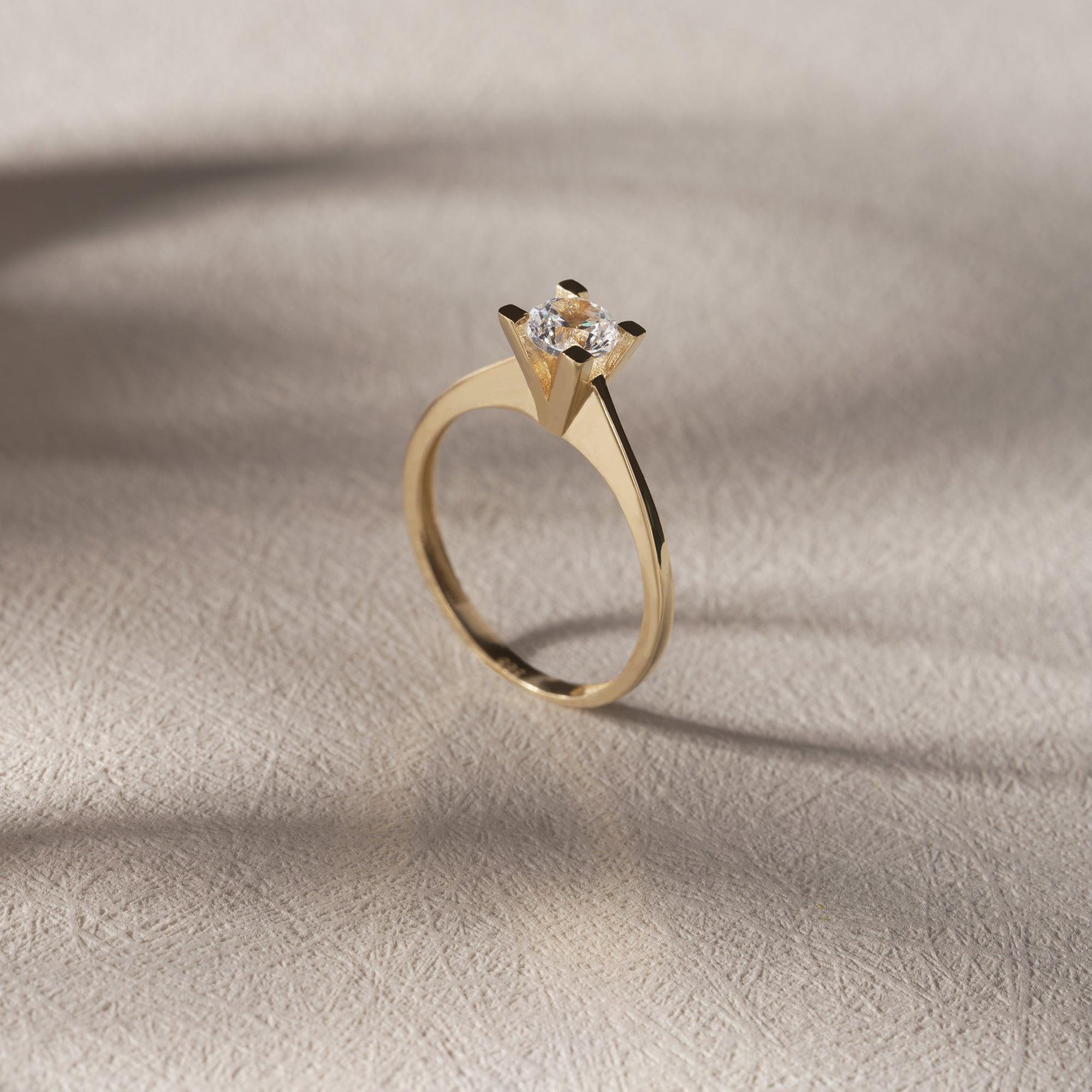
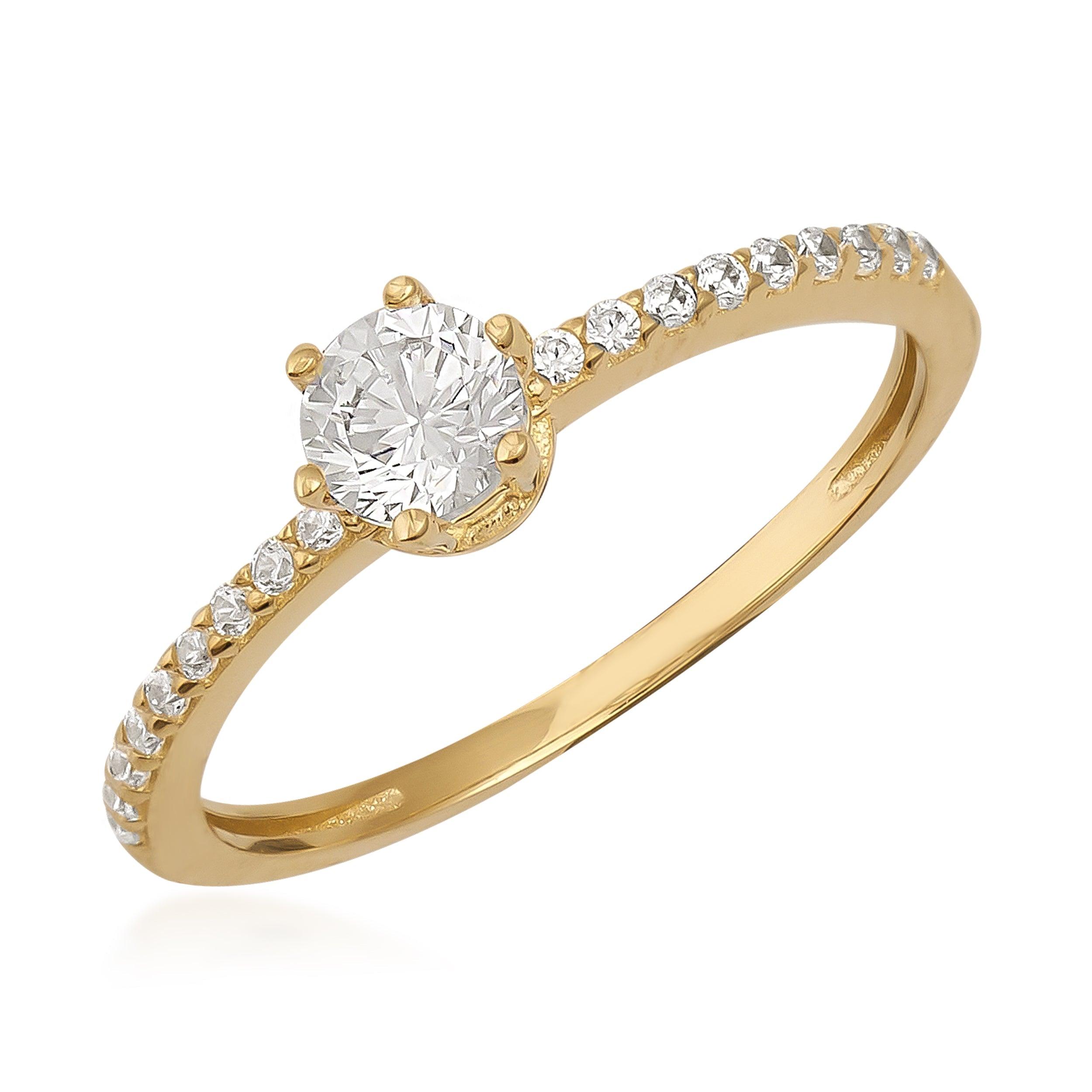
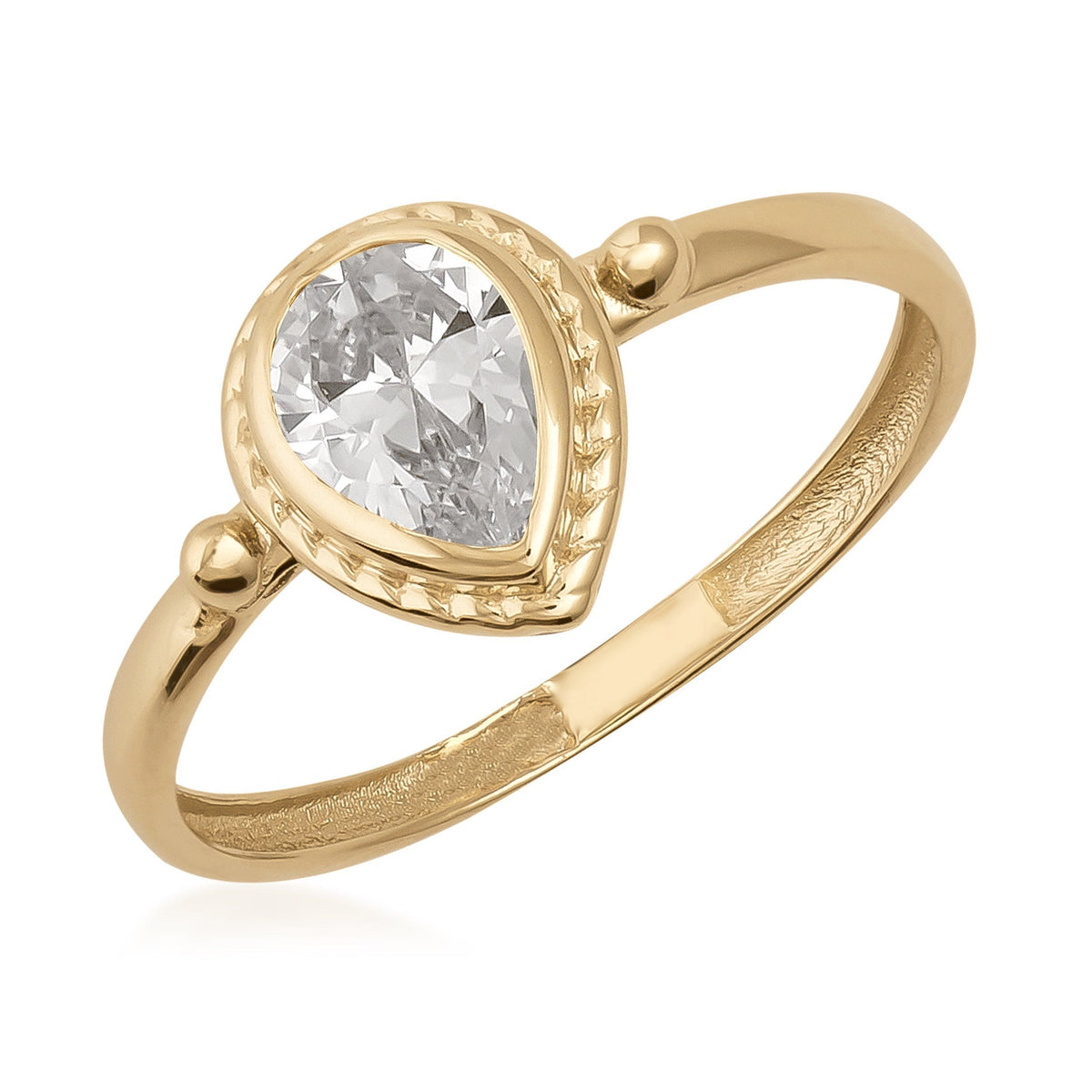
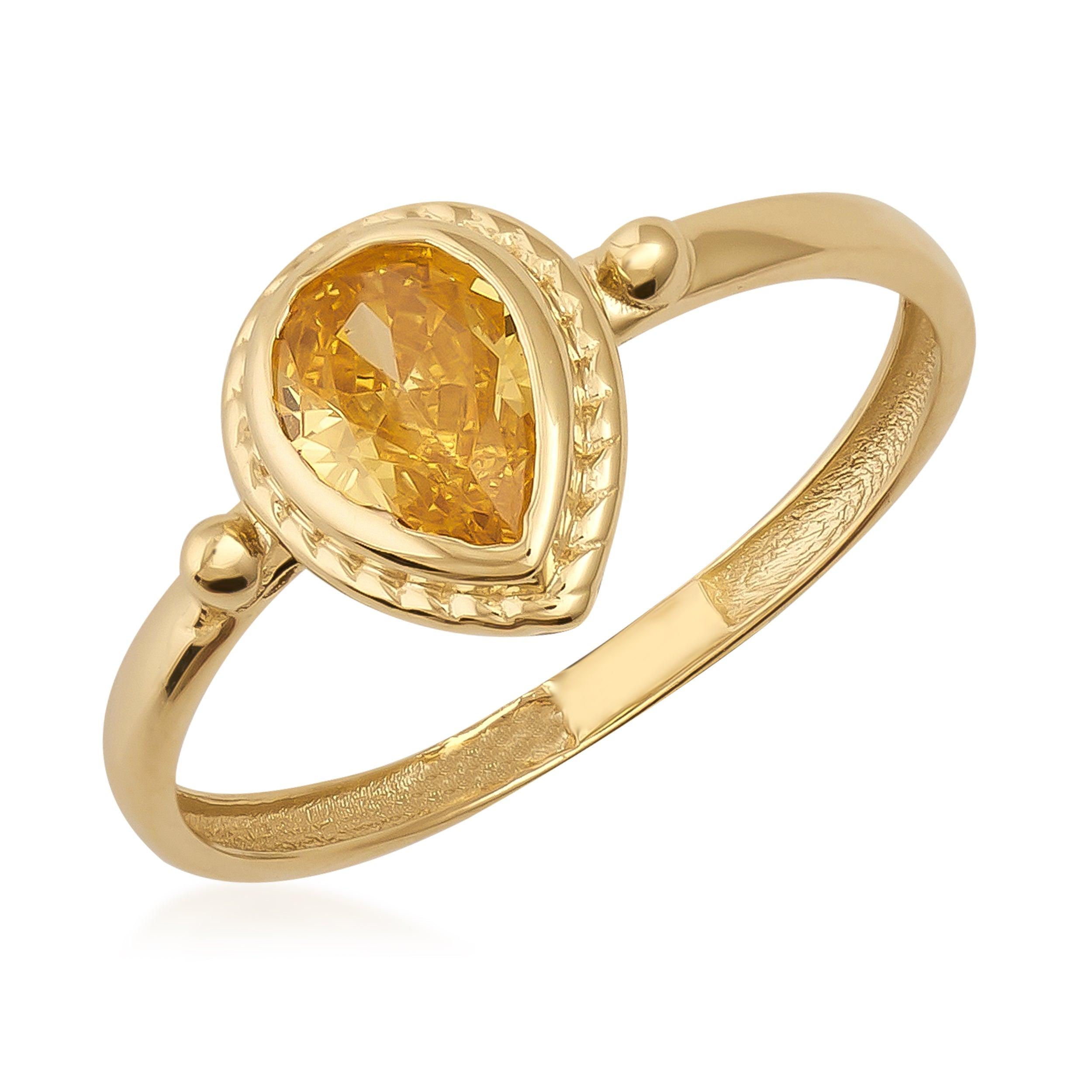
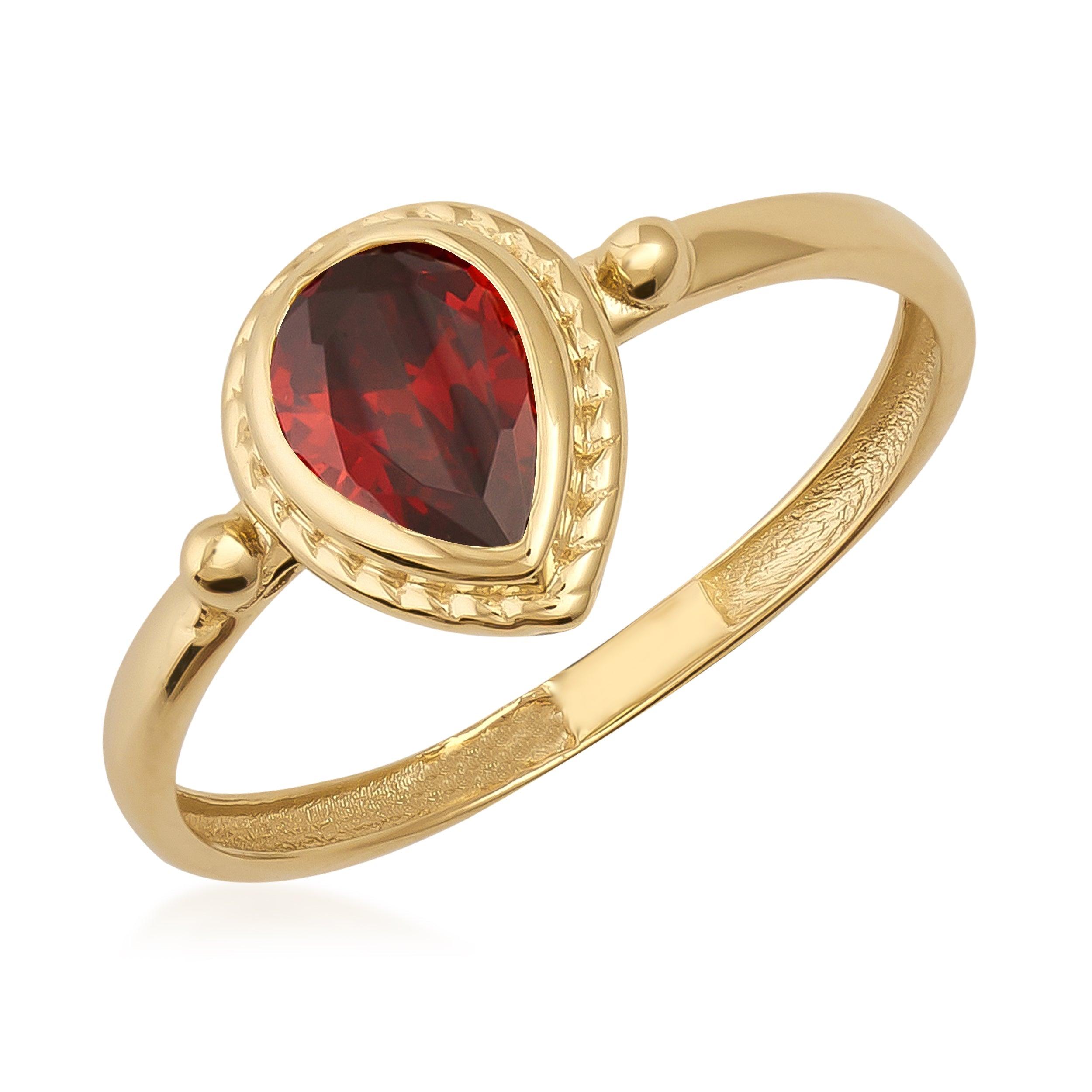
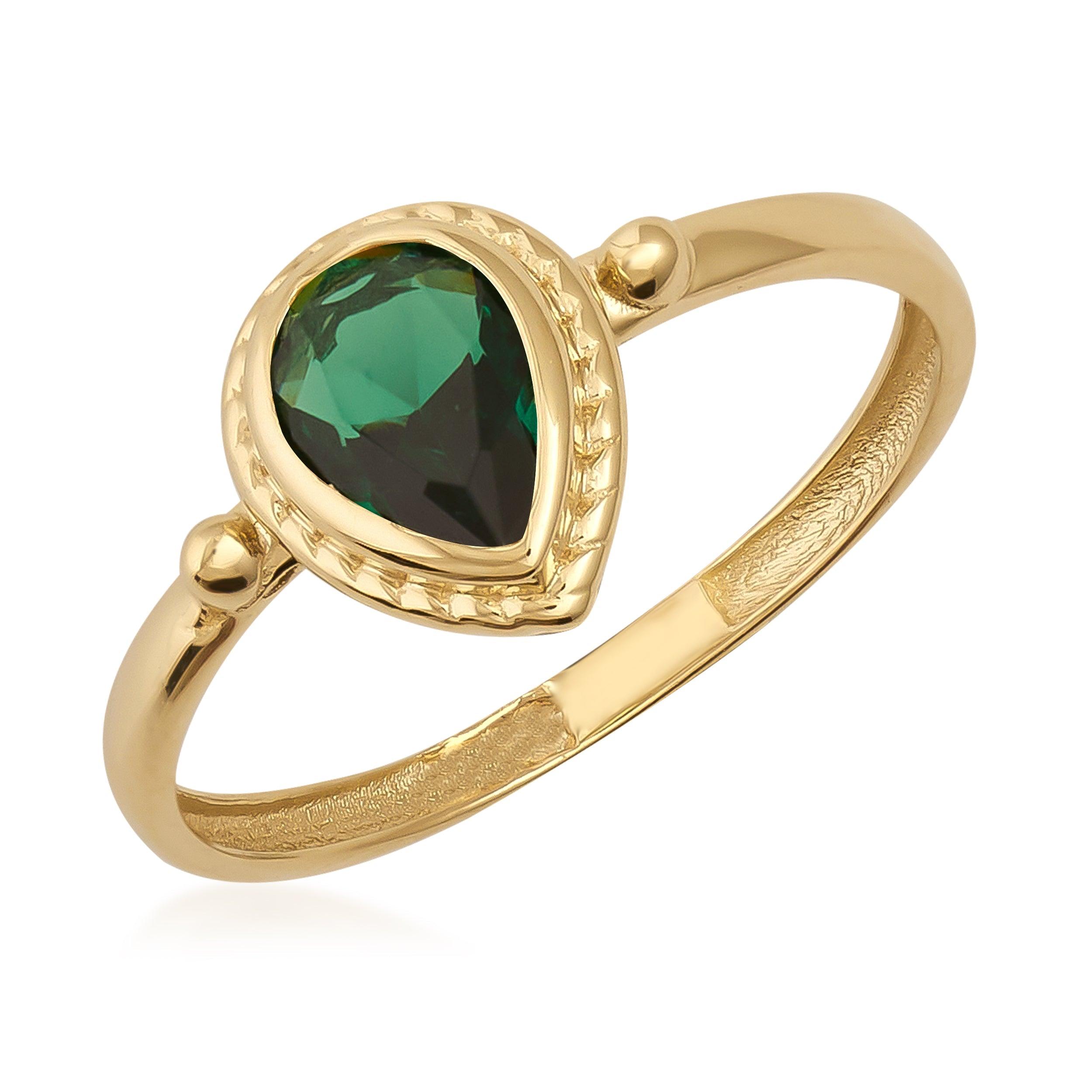
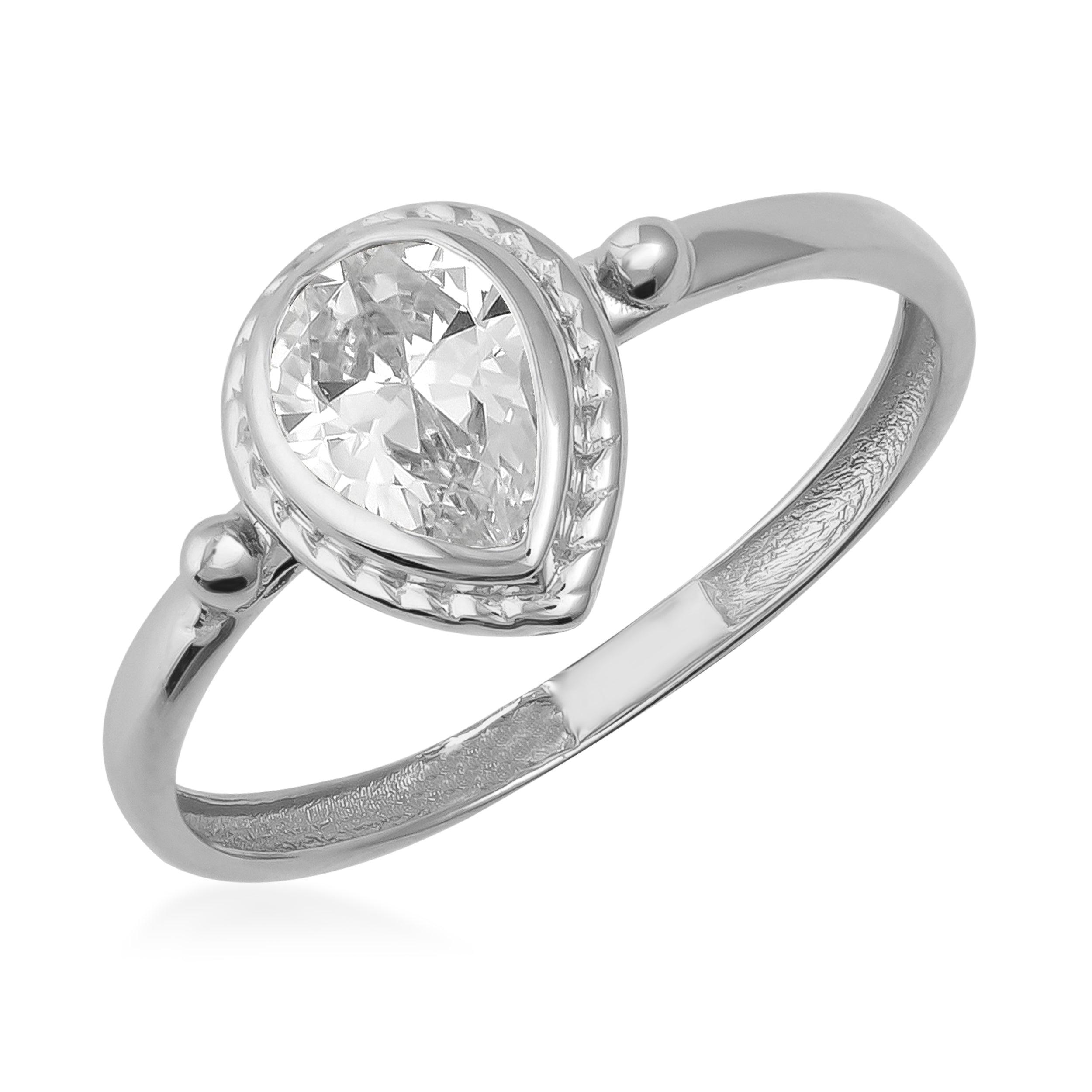
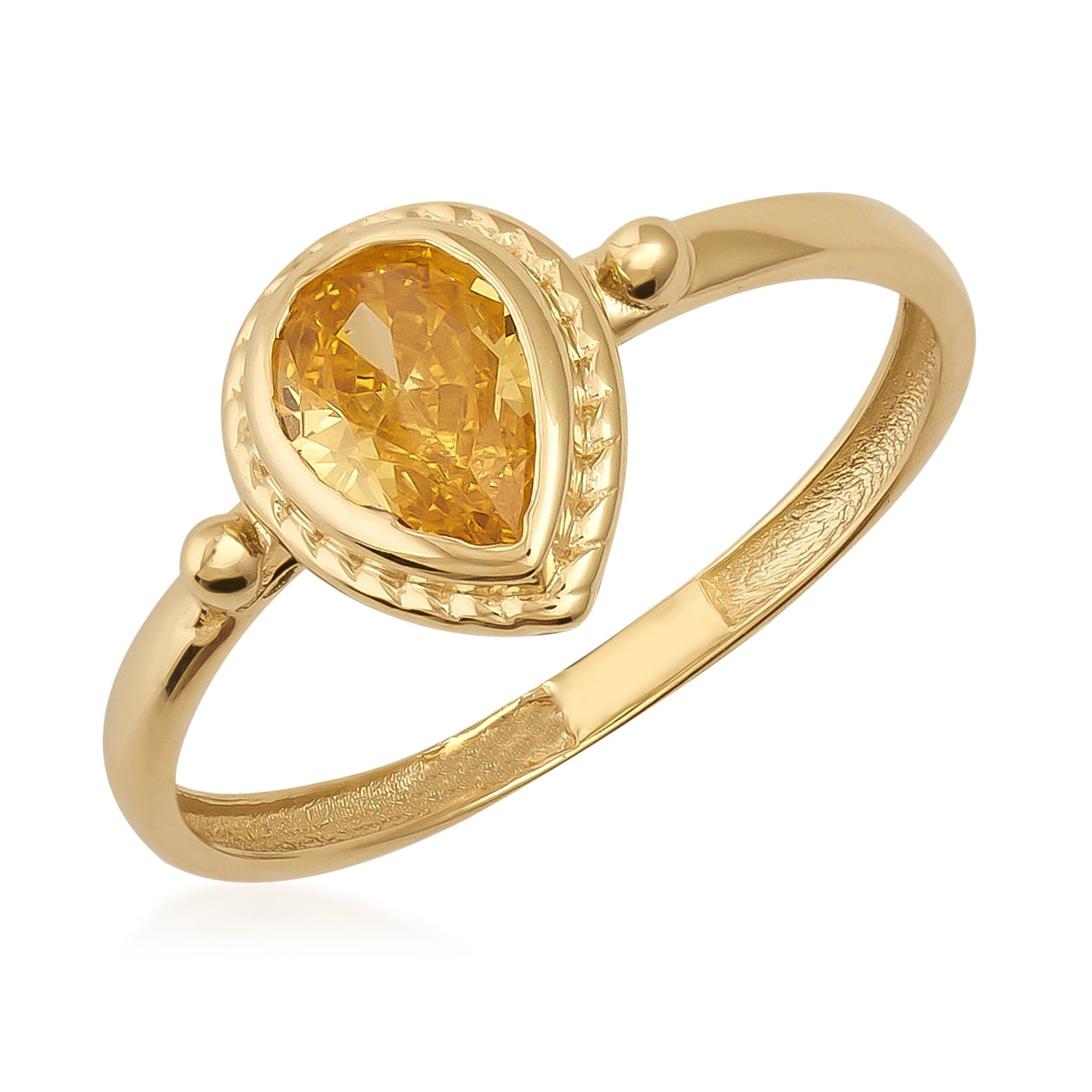
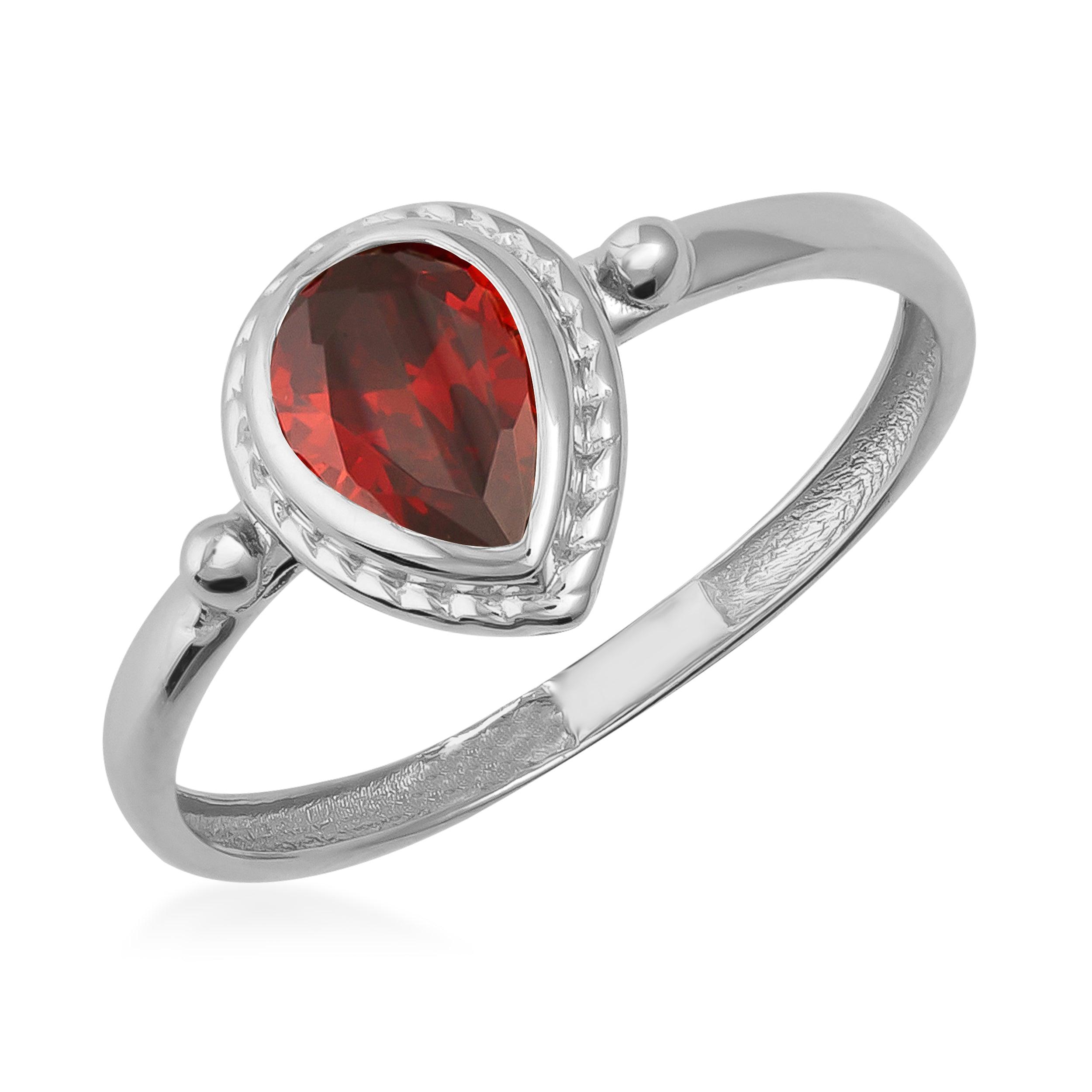
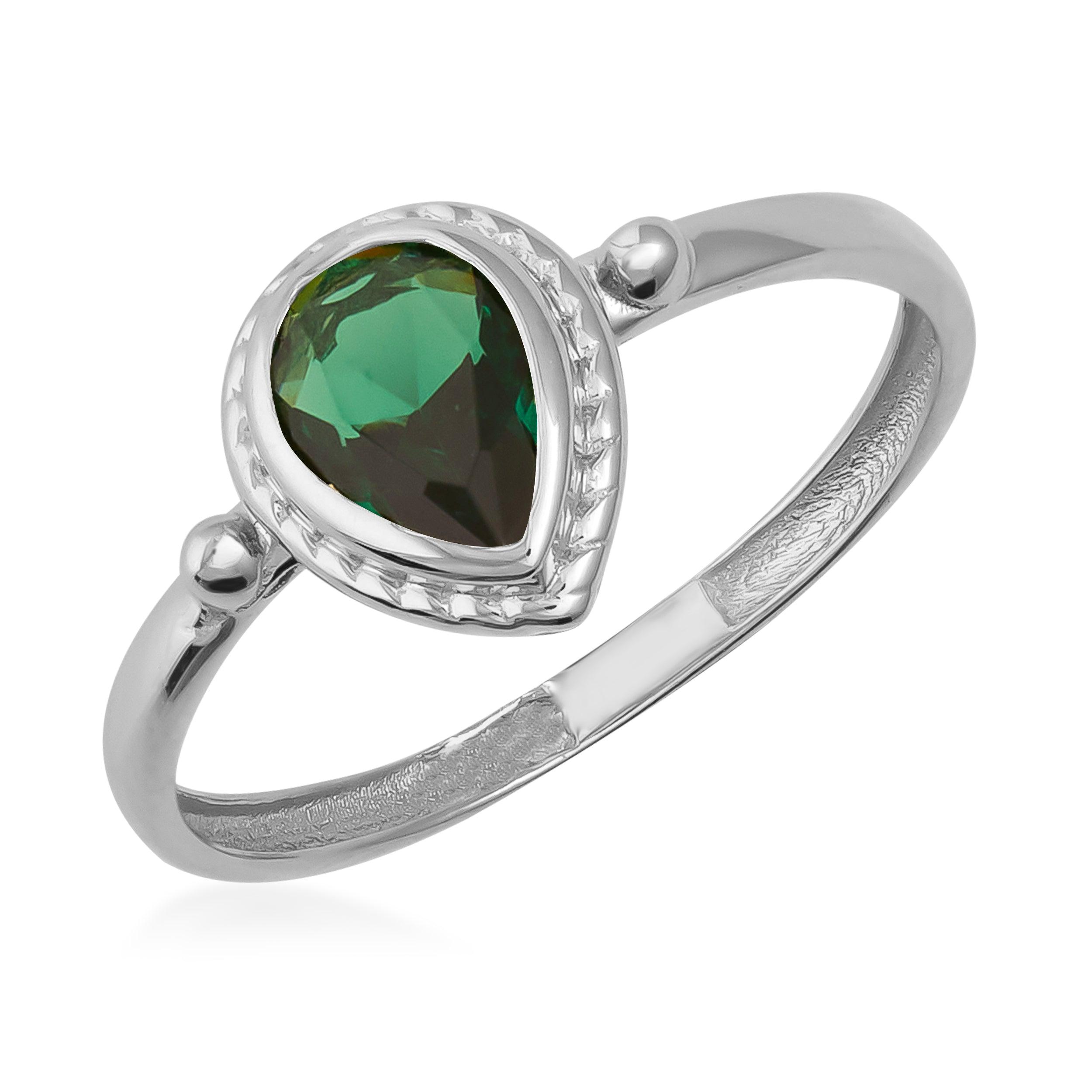
Stones are another choice. Our rings use cubic zirconia and other simulated stones, set in solid gold. They give the look of a bright center stone at a friendlier price. Choose a shape you will still like in ten years, such as round, oval or a simple solitaire.
Think about the hand, too. Long, slim fingers suit wide bands and bold shapes. Shorter fingers often look longer with an oval or a narrow band. Try a few shapes on before you decide.
Frequently Asked Questions
What ring do you put an engagement ring on?
In the US, you wear it on the fourth finger of the left hand, next to the pinky. Many other countries use the same finger on the right hand instead.
Can you resize an engagement ring?
Usually, yes. A jeweler can often make a plain gold band one or two sizes larger or smaller. Rings with stones all the way around can be harder to change, so it helps to get the size right at the start.
What is the 3 month rule for a ring?
It is an old rule of thumb that says to spend about three months of pay on an engagement ring. It is only a loose guide, not a real rule. Set a budget that fits your own finances.
How do you measure ring finger size?
Wrap a thin strip of paper around the base of the finger and mark where it meets. Measure the length in millimeters and compare it to a size chart. Do this late in the day, on more than one day.
Do you move the engagement ring after the wedding?
You can. Some people keep both rings on the same finger. Others move the engagement ring to the other hand. It is a matter of taste and comfort.
The Bottom Line
The engagement finger is the fourth finger of the left hand in the US, and the right hand in many other places. Wear the ring where it feels natural to you and your partner, and size it carefully. Browse our 14K gold rings collection to find a ring that fits that finger well.
Share:
Garnet Stone: Colors, Types, Price and Care Guide