


You're looking at a ring or chain marked "14K" and wondering what that number actually means. It's not a brand name or a style. It's a purity measurement that tells you exactly how much real gold is in the piece.
14K gold is 58.3% pure gold, mixed with other metals like copper, silver, and zinc. That blend is what gives most everyday gold jewelry its strength, its color, and its price. Below, we break down exactly what's in it, how it compares to other common karats, what drives the price, and how to tell if a piece is genuine before you buy it.
- 14K gold is 58.3% pure gold alloyed with metals like copper, silver, and zinc for strength.
- It sits between 10K and 18K gold, balancing durability, color, and price.
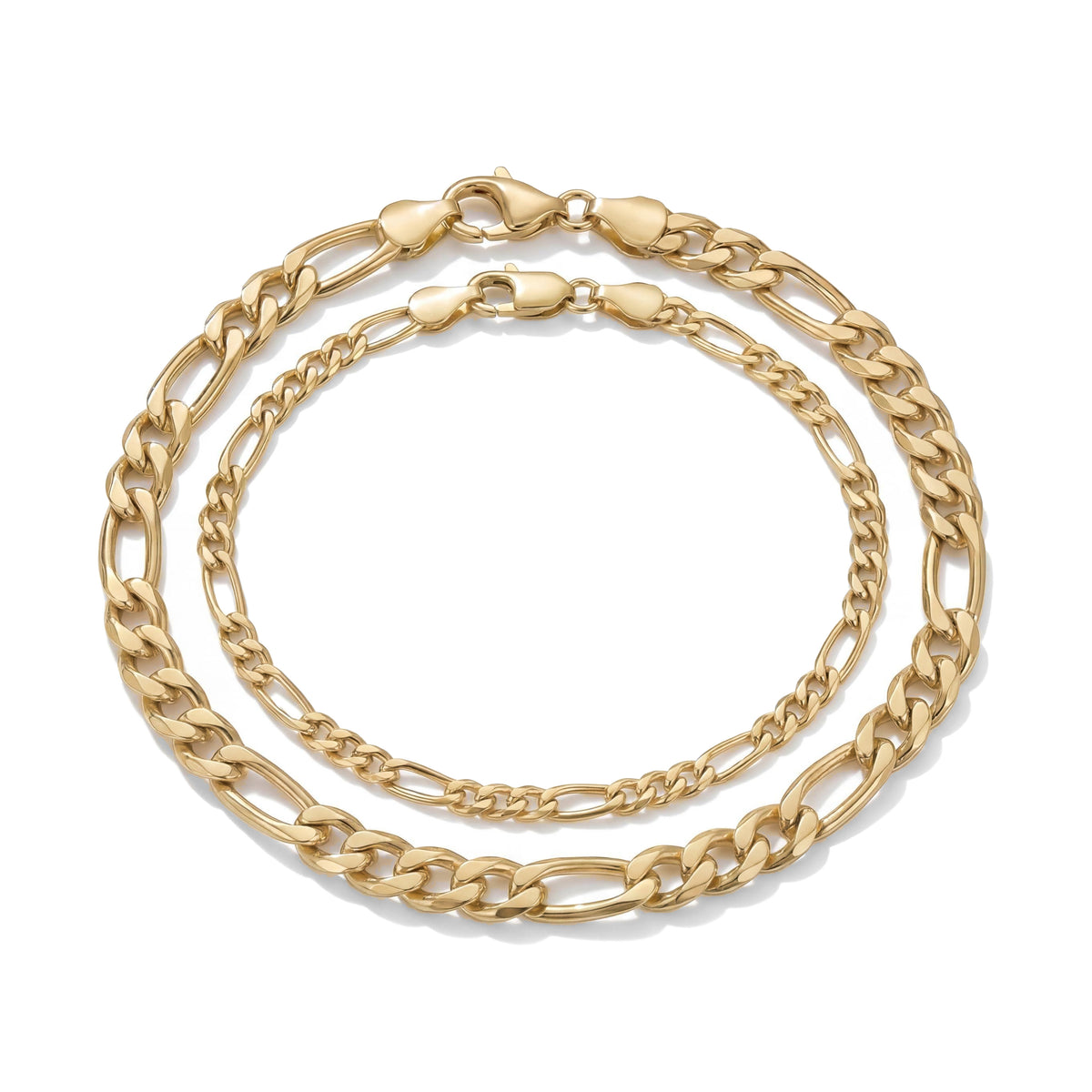
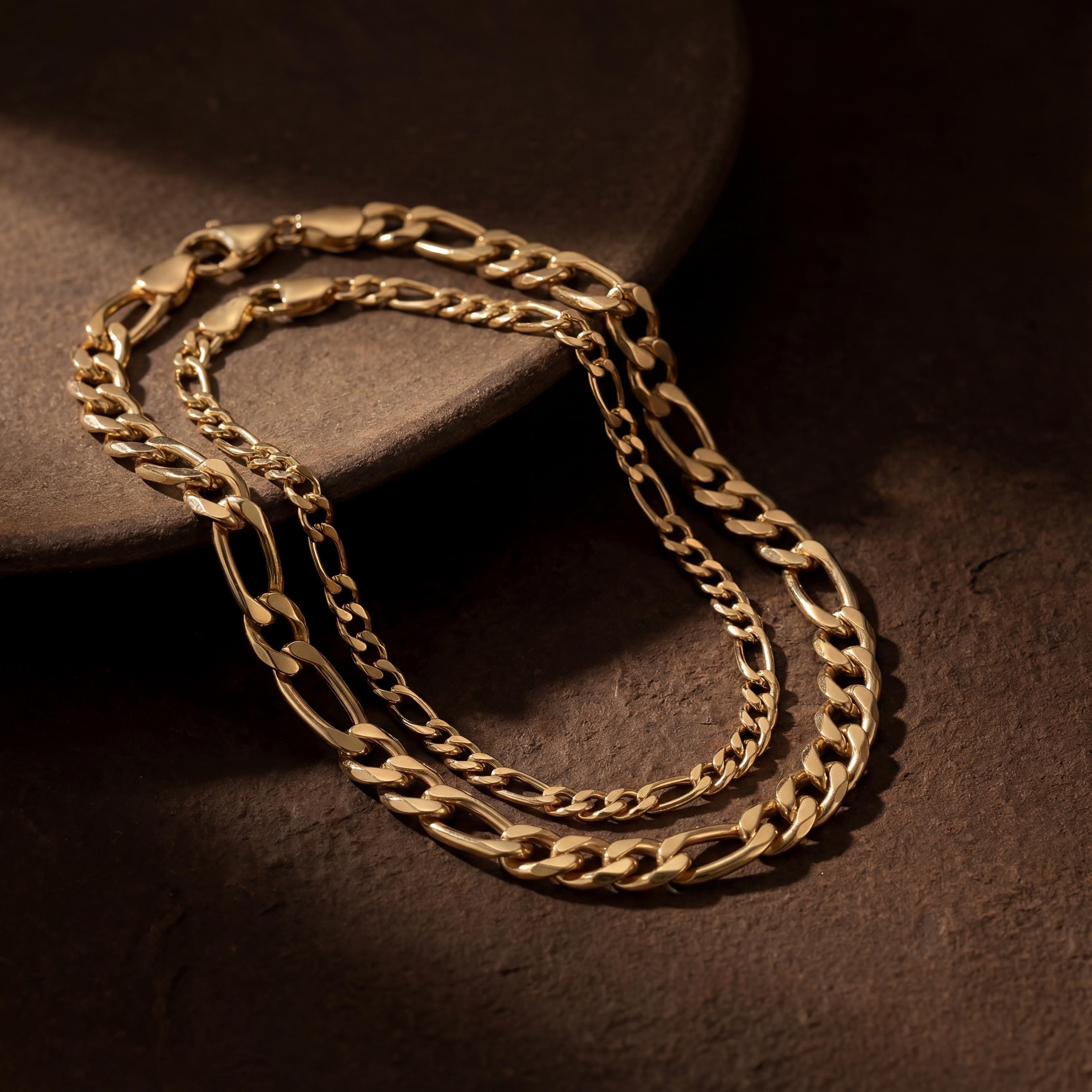
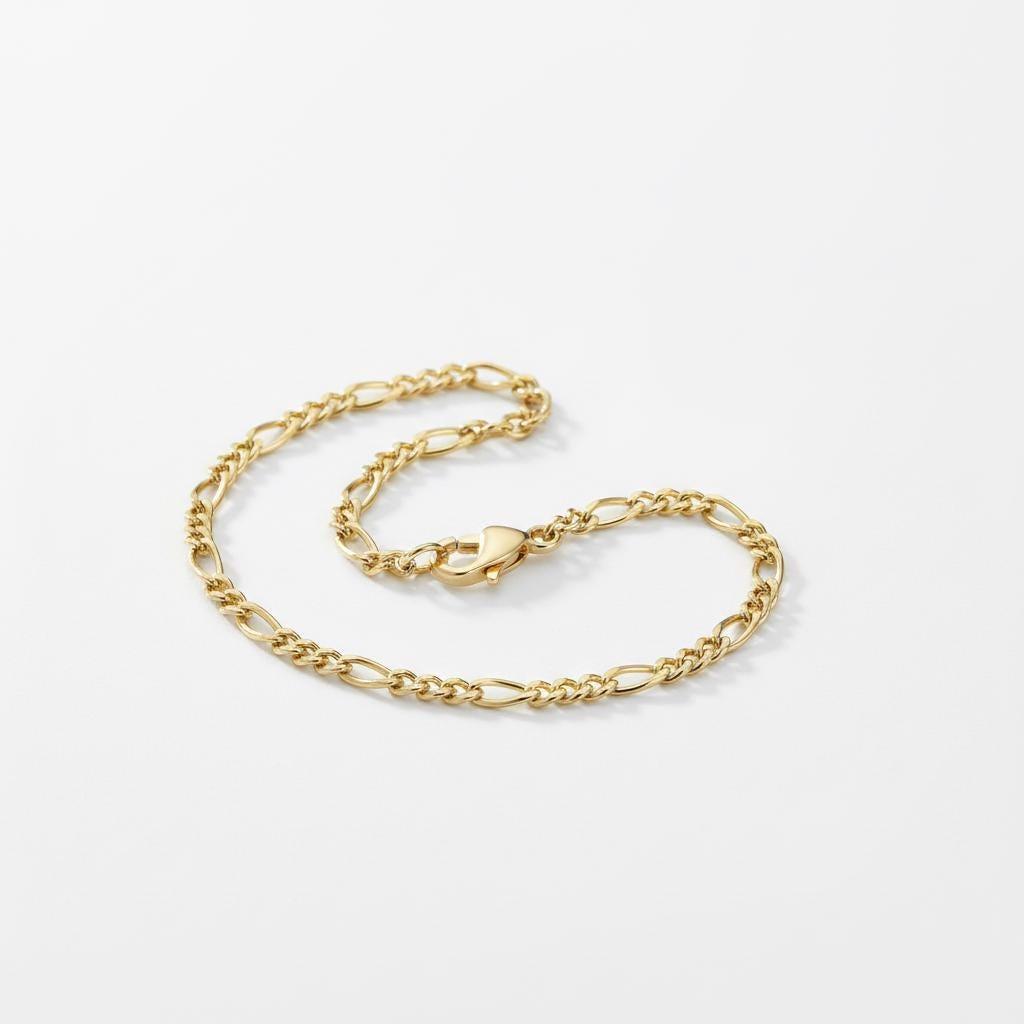
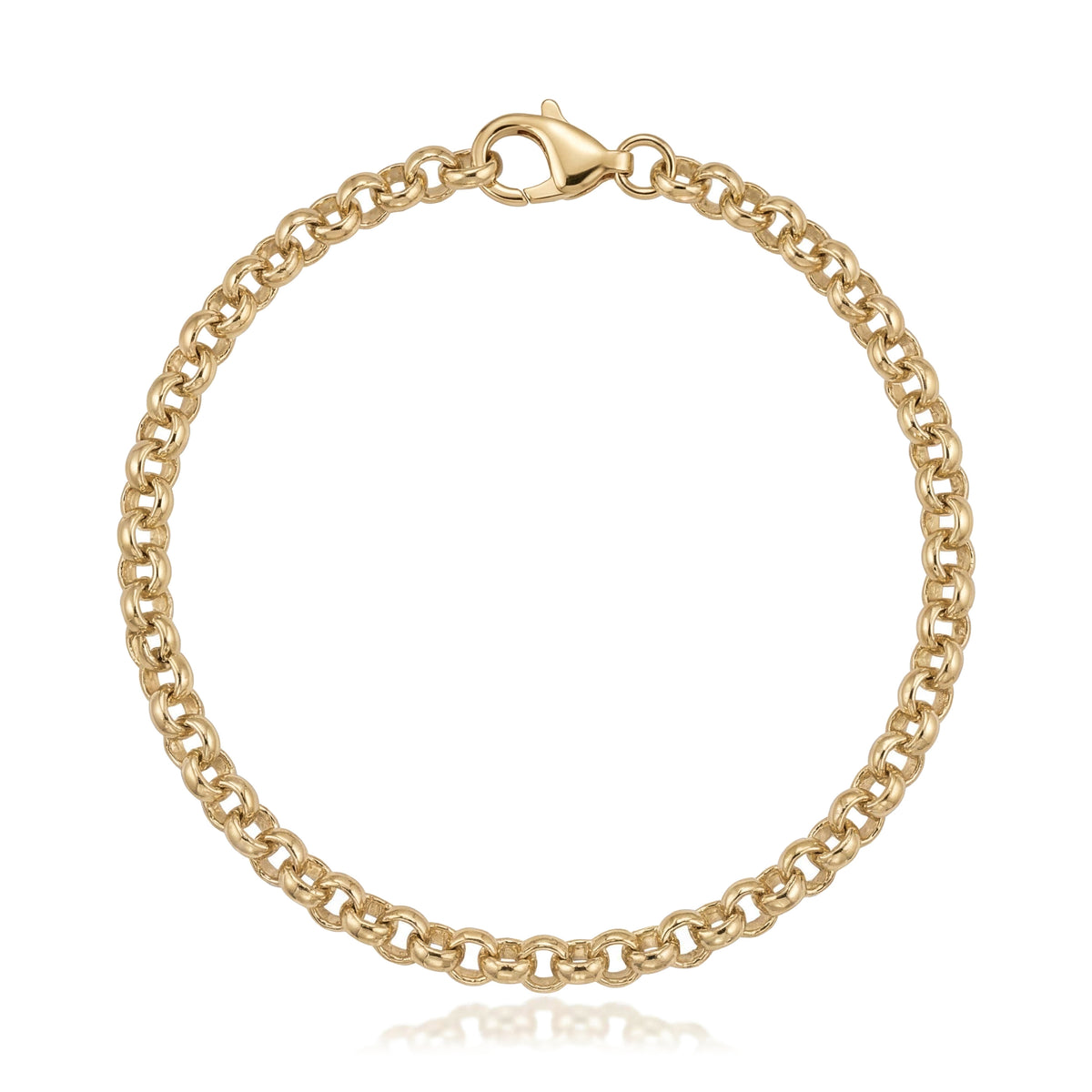
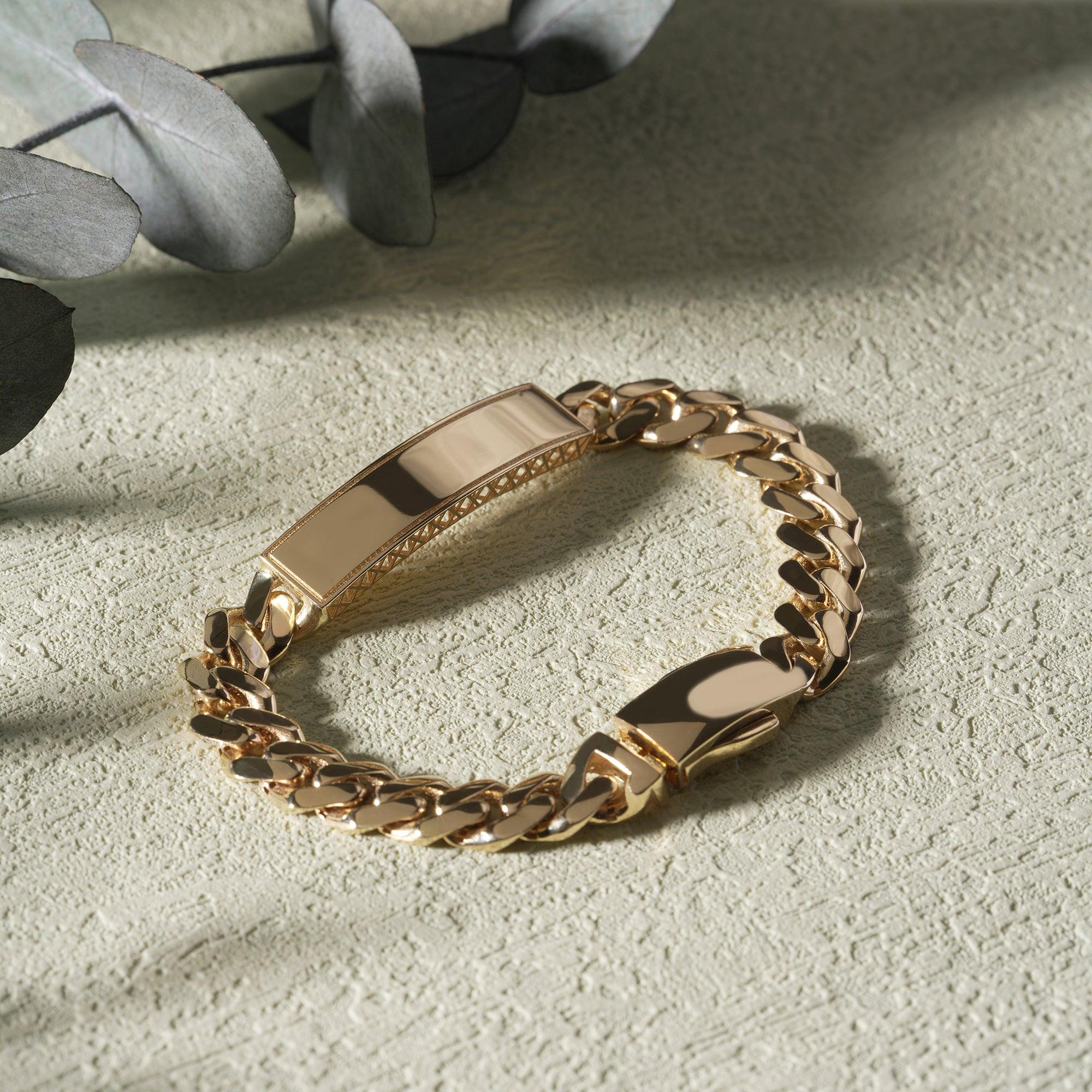
- Every Golden Planet Jewelry piece is solid 14K gold, made to order and shipped from New York for US orders, or from Istanbul, Turkey for all others.
What Is 14K Gold, Exactly?
"Karat" measures how much pure gold is in a piece, out of 24 total parts. 14K means 14 of those 24 parts are pure gold. The math works out to 58.3% gold by weight.
The other 41.7% is alloy: metals blended in during casting. Copper adds warmth and strength. Silver and zinc lighten the tone and help the metal hold its shape.
This is standard practice, not a shortcut. Pure gold alone is too soft for rings, chains, or bracelets that see daily wear. Jewelers have alloyed gold this way for centuries, long before karat stamps existed, simply because unalloyed gold jewelry wouldn't survive being worn.
You'll usually see 14K written as "14K," "14kt," or a hallmark reading "585," which is the metric version of the same 58.3% purity figure.
How 14K Compares to 10K, 18K, and 24K Gold
Karat numbers only go up from there in even steps: 10K, 14K, 18K, and 24K are the ones you'll see most often at a jeweler. Each has a different mix of gold and alloy, which changes color, strength, and cost.
| Karat | Gold Purity | Alloy Content | Best For |
|---|---|---|---|
| 10K | 41.7% gold | 58.3% other metals | Budget pieces, heavy daily wear |
| 14K | 58.3% gold | 41.7% other metals | Everyday jewelry, the value-and-durability middle ground |
| 18K | 75% gold | 25% other metals | Richer color, special-occasion pieces |
| 24K | 99.9% gold | trace metals | Bars and coins, rarely worn daily |
What is 18K gold like next to 14K? It's warmer in tone and softer, since it holds more pure gold. What is 24K gold like in comparison? It's the purest form, with almost no alloy, which makes it too soft for rings or bracelets that flex and knock against things all day.

Why 14K Gold Is a Smart Everyday Choice
14K gold holds up well to daily wear. The alloy metals add hardness that pure gold doesn't have, so rings resist bending and chains resist stretching under normal use.
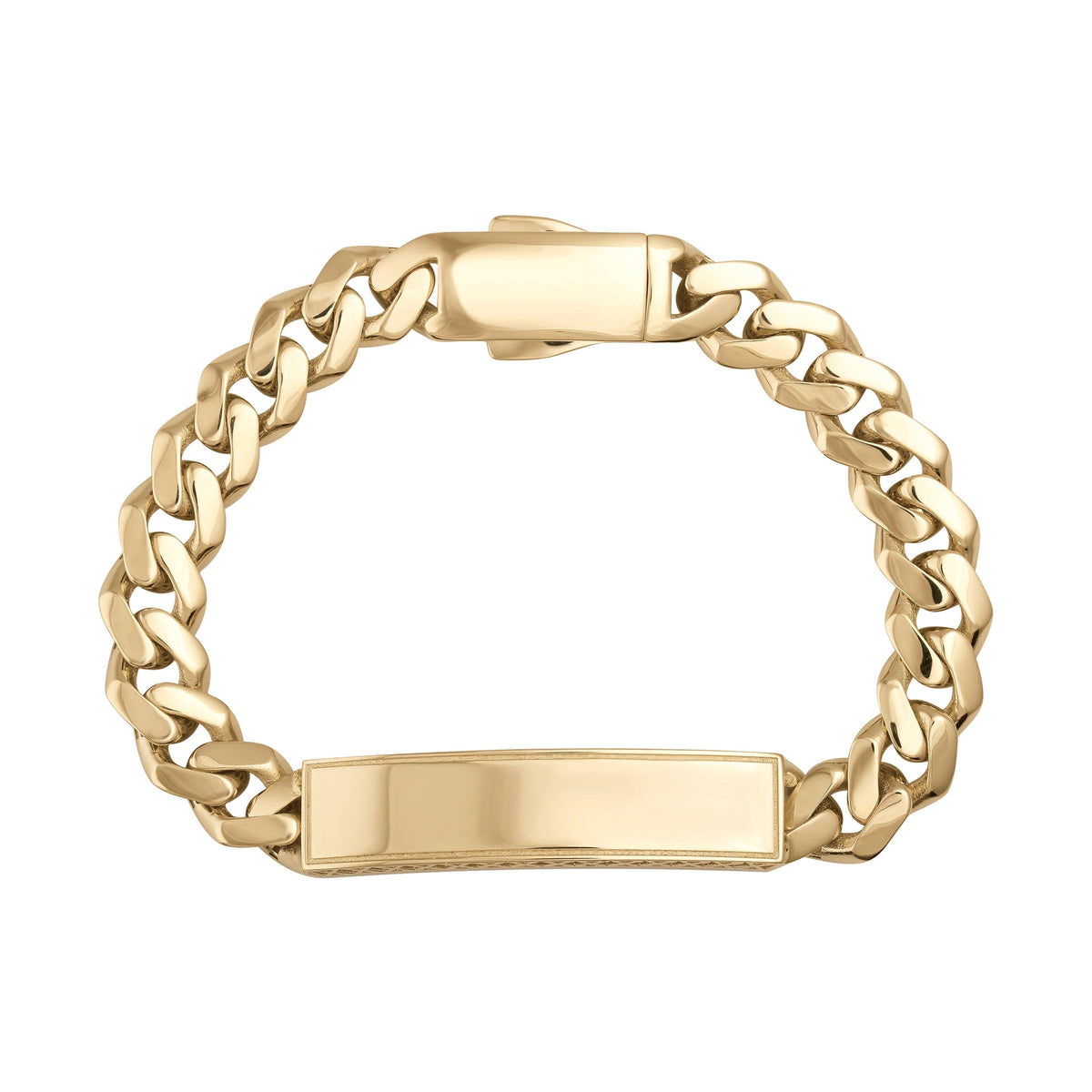
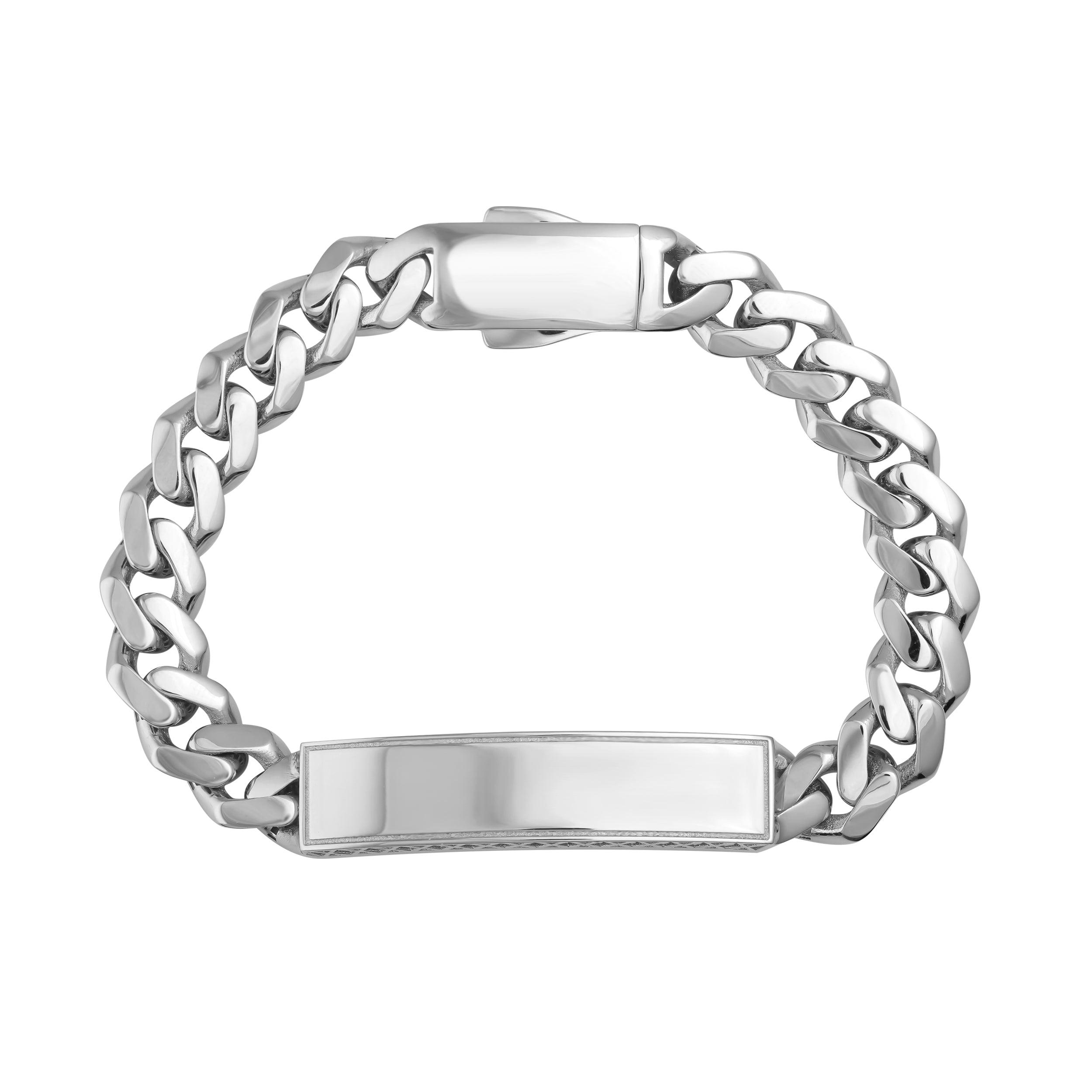
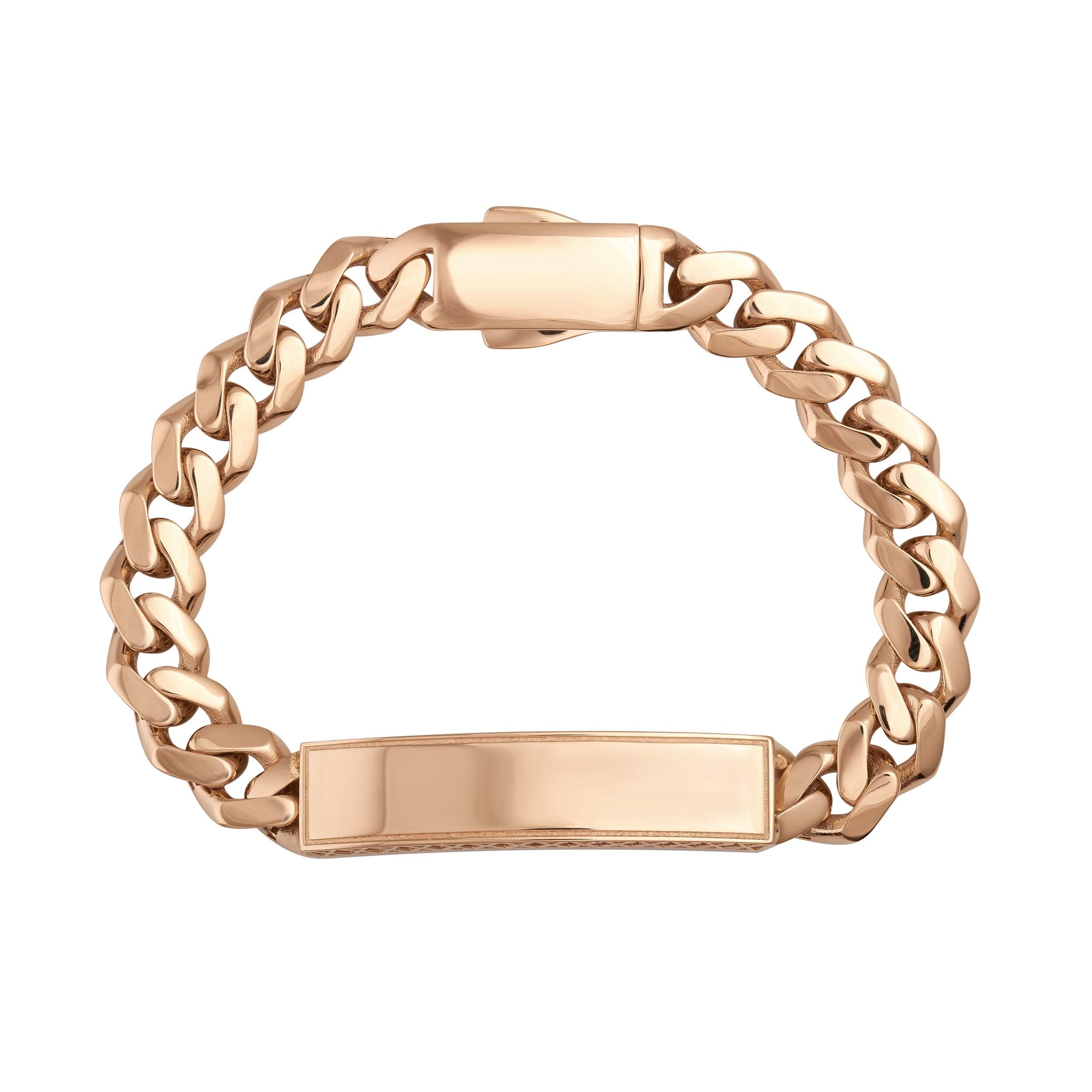
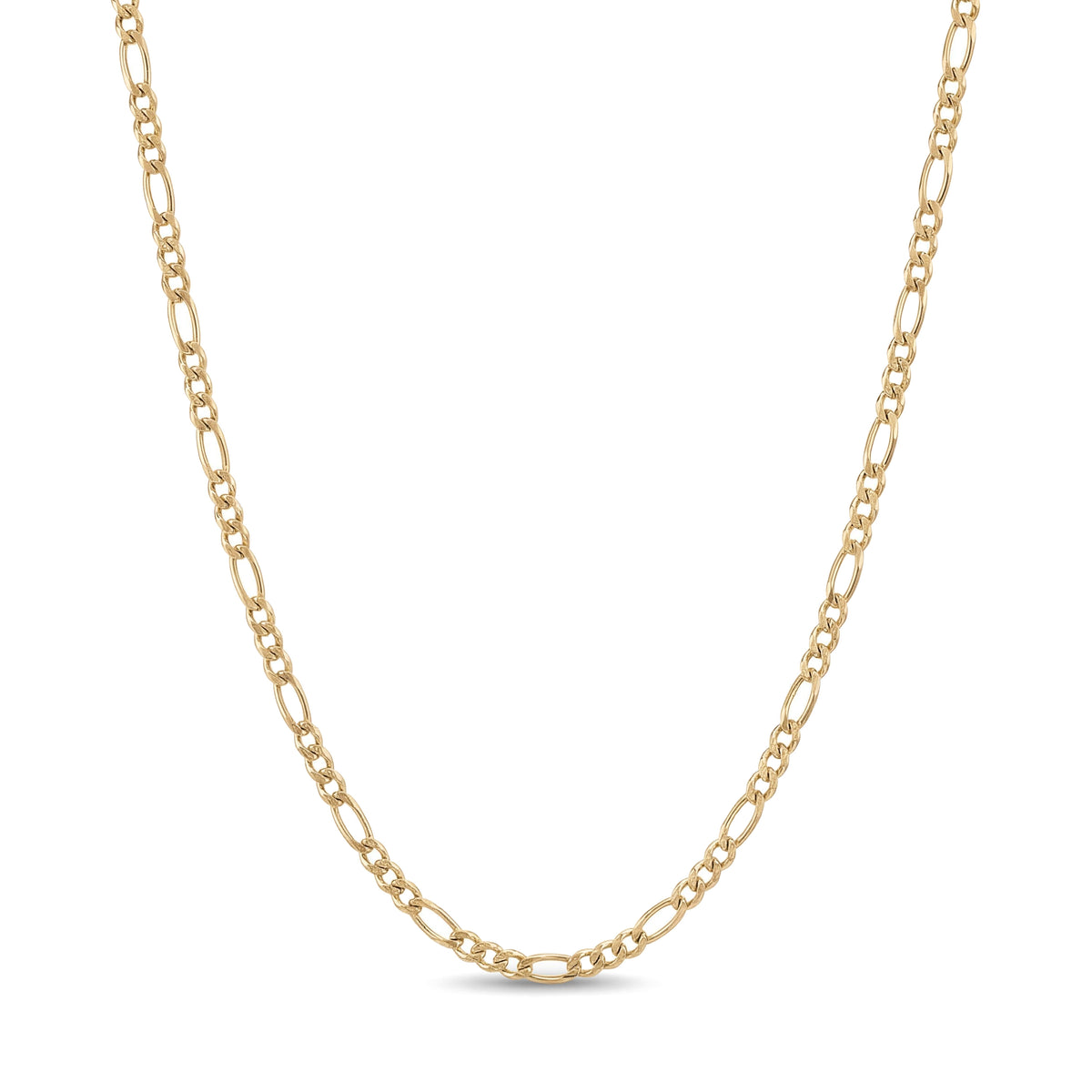
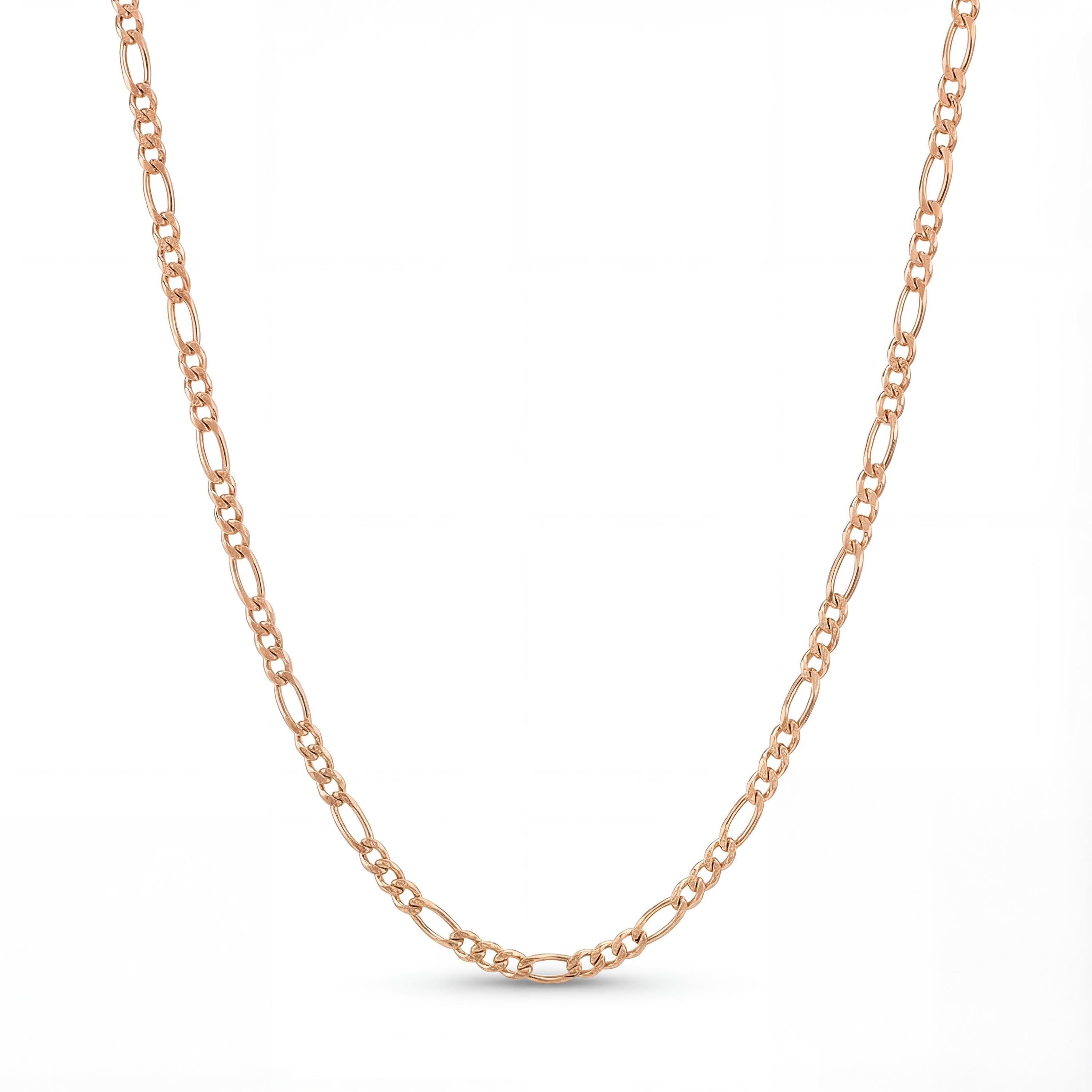
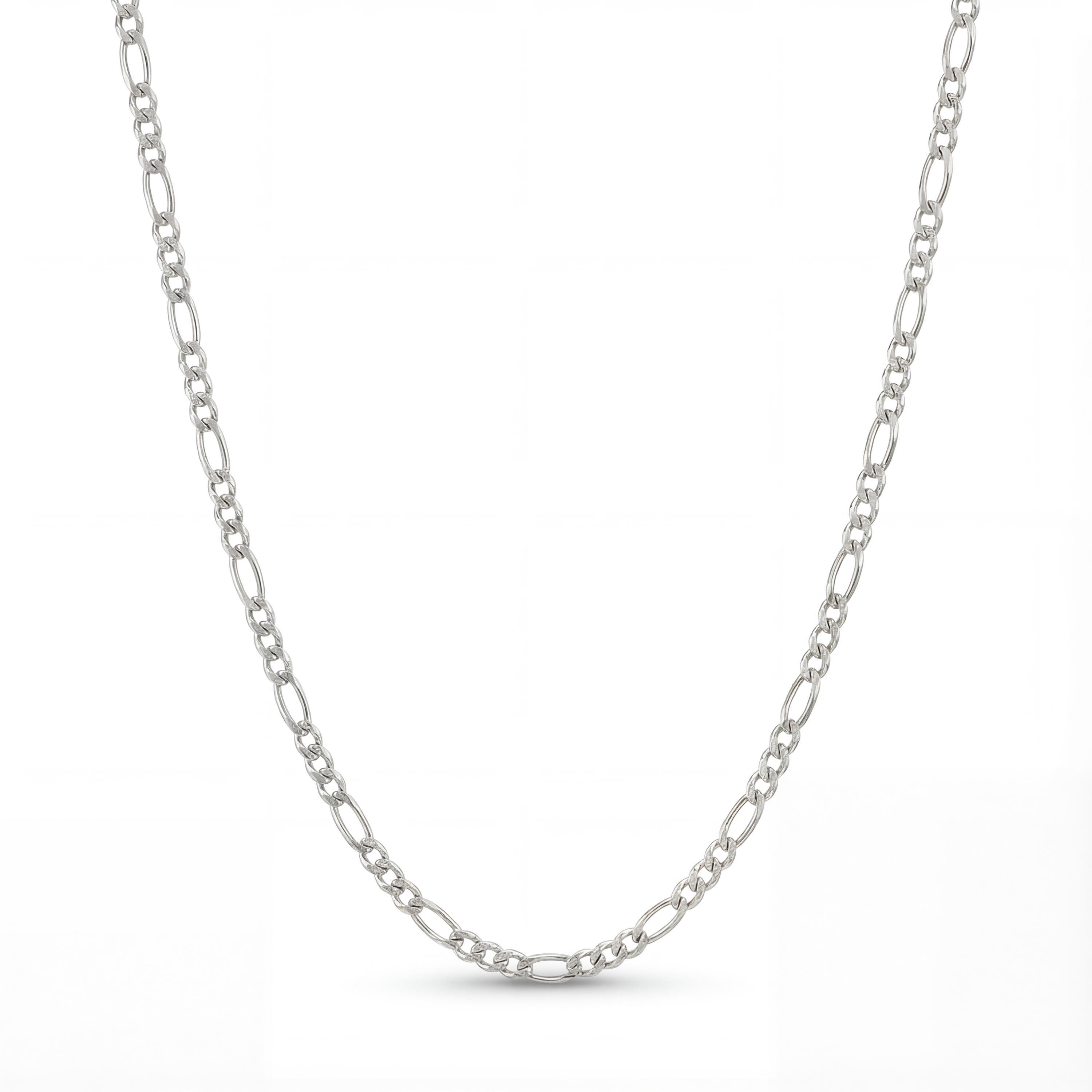
It also comes in more than one color. Mixing in different metals shifts the tone: more copper leans warm and rose-toned, more silver and palladium lean cool and white. That's how yellow gold, white gold, and rose gold all start from the same 14K purity. See our White vs Yellow vs Rose Gold guide for a closer look at each tone.
Price is the other reason it's the most common choice for fine jewelry. Is 14K gold expensive compared to 18K or 24K? Generally, no. Less pure gold means a lower material cost, so you get real, solid gold without paying 18K or 24K prices for a piece that would be too soft to wear daily anyway.
What Affects the Price of 14K Gold Jewelry?
Gold price moves with the daily market rate for pure gold, and 14K pieces track that rate at their 58.3% purity share. Heavier pieces use more gold, so a thick chain or a wide band costs more than a thin one in the same style.
Craftsmanship and design matter too. A simple band takes less work than a detailed setting or a chain with an intricate weave. Gemstone-look accents, like cubic zirconia, add a little on top of the metal cost.
Is 14K gold expensive next to other karats? Usually not. It costs less than 18K or 24K gold of the same weight, since it holds less pure gold per gram. Solid 14K gold also tends to hold its value better than plated jewelry, since the gold itself carries worth beyond the design.
Is 14K Gold Real Gold, and How Can You Tell?
Yes. 14K gold is real, solid gold, not a coating or an imitation. Gold-plated jewelry is a thin layer of gold over a base metal; solid 14K gold is gold all the way through, alloyed for strength rather than layered on top of something else.
Every piece at Golden Planet Jewelry is solid 14K gold, made to order and shipped from New York for US orders, or from Istanbul, Turkey for all others. Any gemstone-look accents are cubic zirconia or other simulated stones.
To check a piece you already own, look for a small stamp reading "14K," "14kt," or "585," usually inside a ring band or near a clasp. A jeweler can also confirm purity with a simple acid or electronic test if the stamp is worn away. Our guide to telling real gold from fake walks through more ways to check at home.

Caring for Your 14K Gold Jewelry
14K gold is durable, but it still deserves a little care. Wipe pieces with a soft cloth after wearing them to remove oils and lotion buildup. A mild soap and warm water clean most everyday pieces well — see our guide to cleaning 14K gold jewelry at home for the full routine.
Store rings, chains, and bracelets separately so they don't scratch each other. A lined jewelry box or a soft pouch works better than tossing everything into one drawer.
Take jewelry off before swimming, showering, or heavy exercise. Chlorine and prolonged moisture can dull the finish over time, even on solid gold.
Frequently Asked Questions
Is 14K gold good quality?
Yes. 14K gold is real, solid gold with enough alloy strength to handle daily wear without bending or stretching easily. It's the karat most fine jewelry brands use for exactly that reason.
Is 14K gold worth anything?
Yes. Since it's 58.3% pure gold by weight, 14K jewelry carries real material value based on its gold content and weight, on top of the design and craftsmanship.
What is better, 14K or 18K gold?
Neither is universally "better" — they suit different needs. 14K is harder and more affordable, which makes it a strong pick for everyday pieces. 18K has a richer, warmer color and higher gold content, which suits special-occasion jewelry more than daily wear.
Is 14K or 24K gold better?
For jewelry you actually wear, 14K is the more practical choice. 24K gold is nearly pure and very soft, so it scratches and bends easily. It's better suited to bars and coins than rings or bracelets.
How can I tell if my gold is really 14K?
Look for a stamp reading "14K," "14kt," or "585" inside the band or near the clasp. If it's worn or missing, a jeweler can confirm purity with a quick acid or electronic test.
The Bottom Line
14K gold is 58.3% pure gold, alloyed for the strength and color range that make it the go-to choice for jewelry you wear every day. It's the middle ground between the softness of 24K and the lower gold content of 10K.
Ready to see it in person? Browse our Best Sellers collection for solid 14K gold pieces made to order and shipped from New York for US orders, or from Istanbul, Turkey for all others.





Share:
Gold Necklace Guide: Karats, Styles & Cost
Alexandrite Stone: Meaning, Color Change & Price Guide