

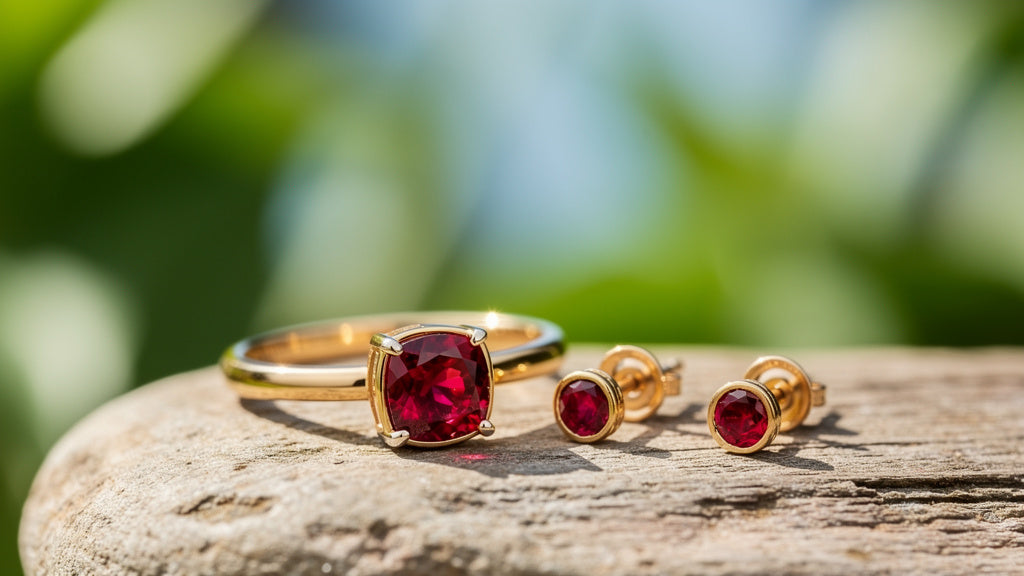
A ruby gemstone is a red stone prized for its deep color and hardness. It is the July birthstone, and it is the classic pick for a 40th anniversary. If you are shopping for ruby jewelry, the color of the stone matters more than almost anything else.
This guide covers what a ruby is, how to judge one, what drives the price, and how to wear it. You will also see how a simulated ruby set in solid 14K gold compares with a natural stone.
- Ruby is a red variety of the mineral corundum. It is very hard, so it suits daily wear.
- Color drives value. A rich, even red with few flaws costs the most.
- Simulated rubies give you the same look at a fraction of the cost, set in real 14K gold.
What Is a Ruby Gemstone?
Ruby is the red form of corundum, a mineral made of aluminum and oxygen. Trace amounts of chromium give it the red color. Without chromium, the same mineral is a sapphire.
Ruby scores 9 on the Mohs hardness scale, just below the hardest natural gem. That is why it resists scratches and holds a polish for years. It also means a ruby ring can handle daily wear better than softer stones like opal or pearl.
People have prized rubies for thousands of years. Stones from Myanmar, Mozambique, Thailand, and Sri Lanka have long been favorites. Today ruby is the birthstone for July and the traditional gift for a 15th and 40th anniversary.
Ruby Color and Quality
Jewelers judge a ruby on four things: color, clarity, cut, and carat weight. Color comes first. The best reds look vivid and slightly warm, neither too dark nor too pale.
Pale pink stones are usually sold as pink sapphire. Very dark stones look dull in low light. A ruby with an even color across the whole stone looks richer than one with pale patches.
Clarity works differently than in other gems. Most natural rubies have tiny internal marks called inclusions. A few are normal. Too many can cloud the stone or weaken it.
| Quality factor | What to look for | Why it matters |
|---|---|---|
| Color | Vivid, even red with a hint of warmth | Sets most of the value |
| Clarity | Few visible marks from a normal viewing distance | Affects shine and strength |
| Cut | Even shape, good symmetry, lively sparkle | Brings out the color |
| Carat weight | Size that suits the setting | Large fine stones are rare and costly |
Top buyers also look at the origin and any treatment. Those two facts can change the price a lot. Always ask for them in writing before you pay for a natural stone.

Natural, Treated and Simulated Rubies
There are three main kinds of ruby stones on the market. Knowing the difference keeps you from overpaying.
Most rubies on the market, especially the budget ones on big marketplaces, have been heated. Heating is a long-accepted practice, but it should always be disclosed. An untreated stone of fine color is far rarer and sells for much more.
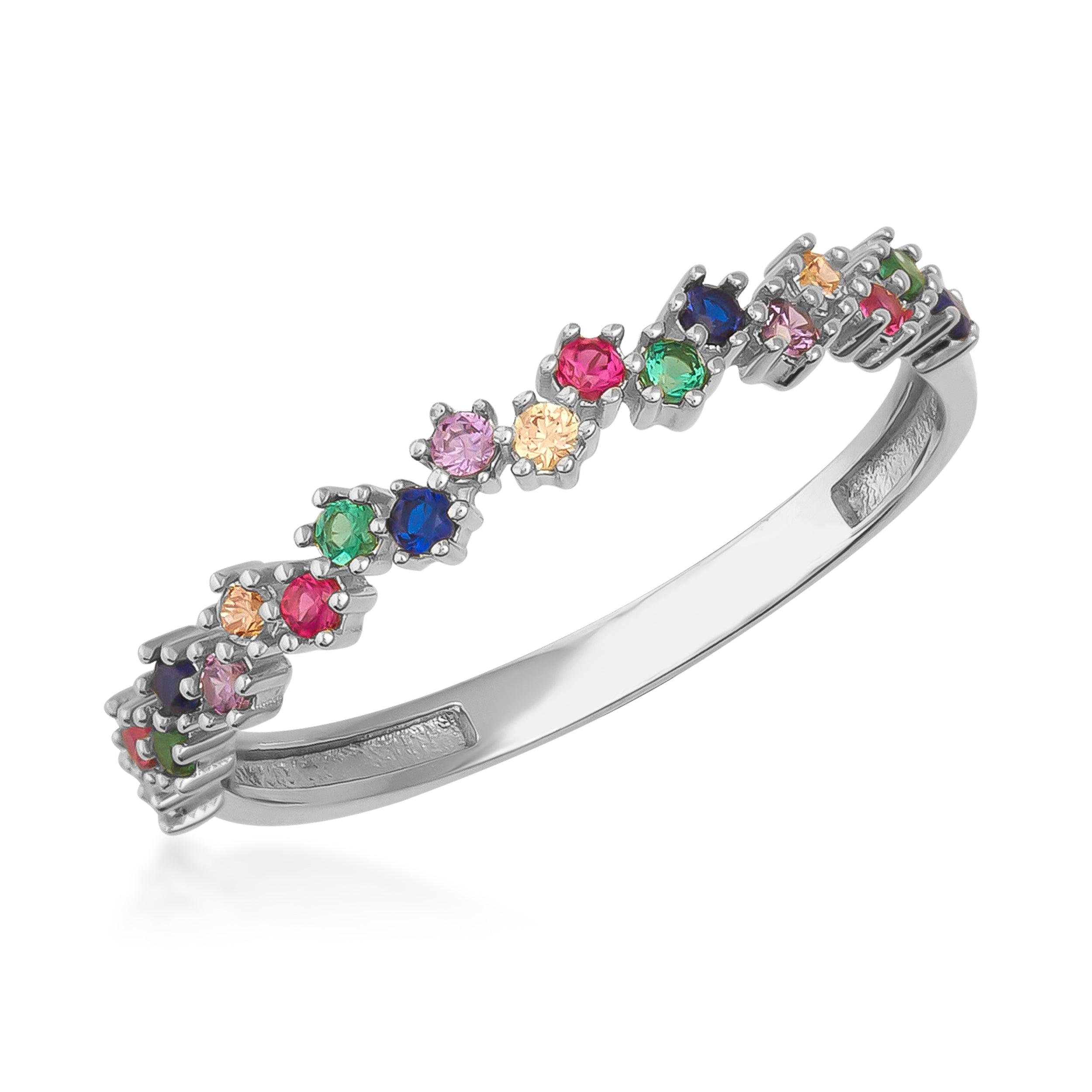
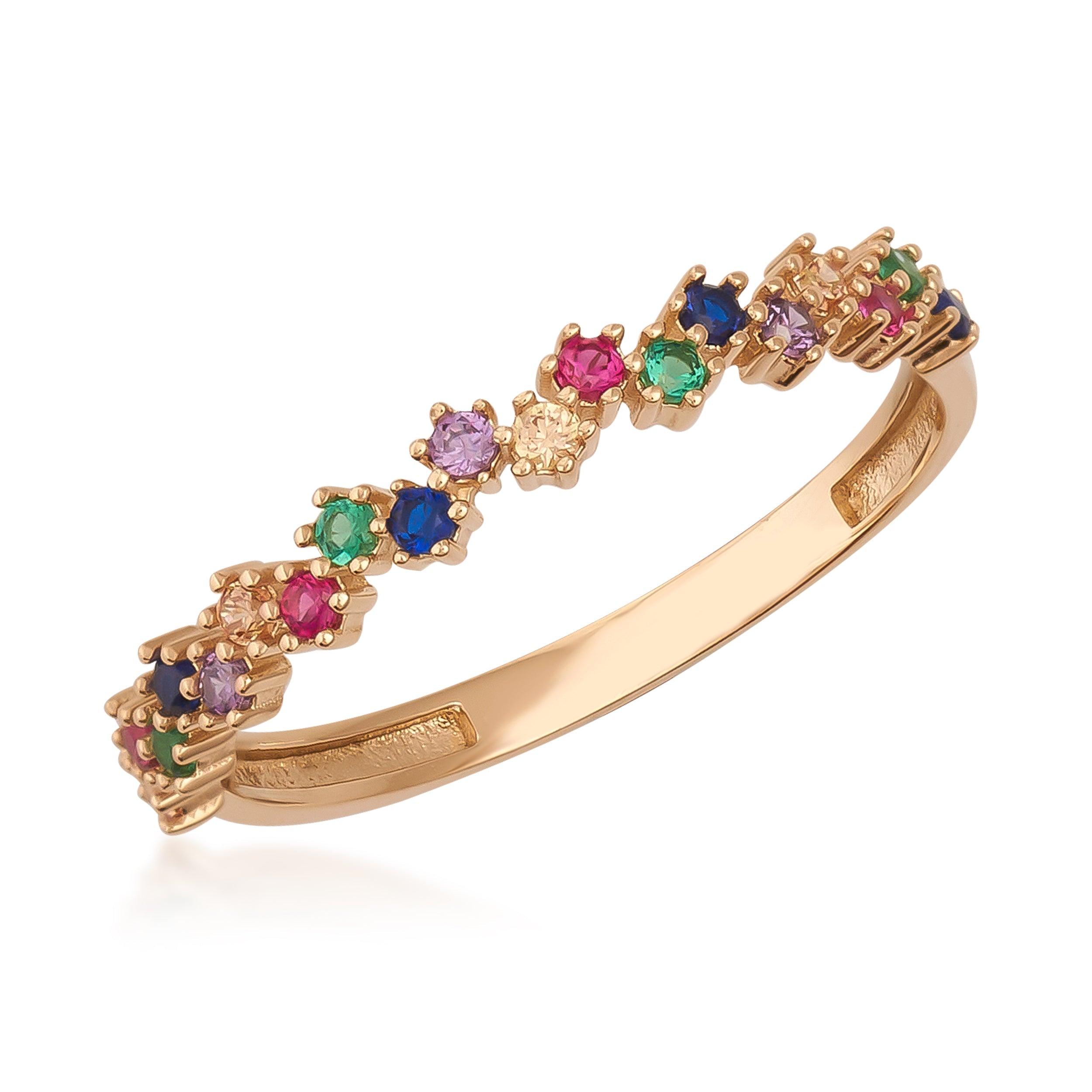
At Golden Planet Jewelry, our stones are cubic zirconia or other simulated stones. They are set in solid 14K gold, which is 58.5% pure gold. You get the look of a red gemstone and a real gold setting without a four-figure price.
Gold color matters for red stones too. Yellow gold gives a classic, rich frame. Rose gold softens the red. White gold makes it pop.
Our white vs yellow vs rose gold comparison can help you choose.
What Does a Ruby Cost?
The ruby gemstone price range is huge. A small heated stone can cost very little. A fine natural stone over one carat can cost thousands of dollars per carat.
Searches like "1 carat ruby price" show how many shoppers want a simple number. There is no single answer. Two stones of the same weight can differ by a factor of ten or more.
Small, heated or simulated stones
Good natural color, visible marks
Untreated, vivid red, larger sizes
If a listing for a large "natural" ruby looks too cheap, be careful. Glass-filled and dyed stones are sold at low prices. Ask the seller how the stone was treated.

One more angle most guides skip is the setting. A ruby needs a setting that shows the color without hiding it. Prong settings let in light and make the red glow. Bezel settings wrap the stone in metal and protect the edges, which suits active hands.
Shape changes the look too. Oval and cushion cuts are classic for red stones. Round cuts add more sparkle.
Pear and heart shapes feel softer and work well in pendants. Pick the shape you will enjoy seeing every day.
Who Wears Ruby and How to Style It
Anyone can wear ruby. There are no rules about who should or should not. Most people choose it because they love red, were born in July, or want a gift for a July birthday.
A red stone is a bold accent. One small piece is enough to lift a plain outfit. Here are a few easy ways to wear it:
- A ruby ring on the ring finger or index finger, as a daily statement.
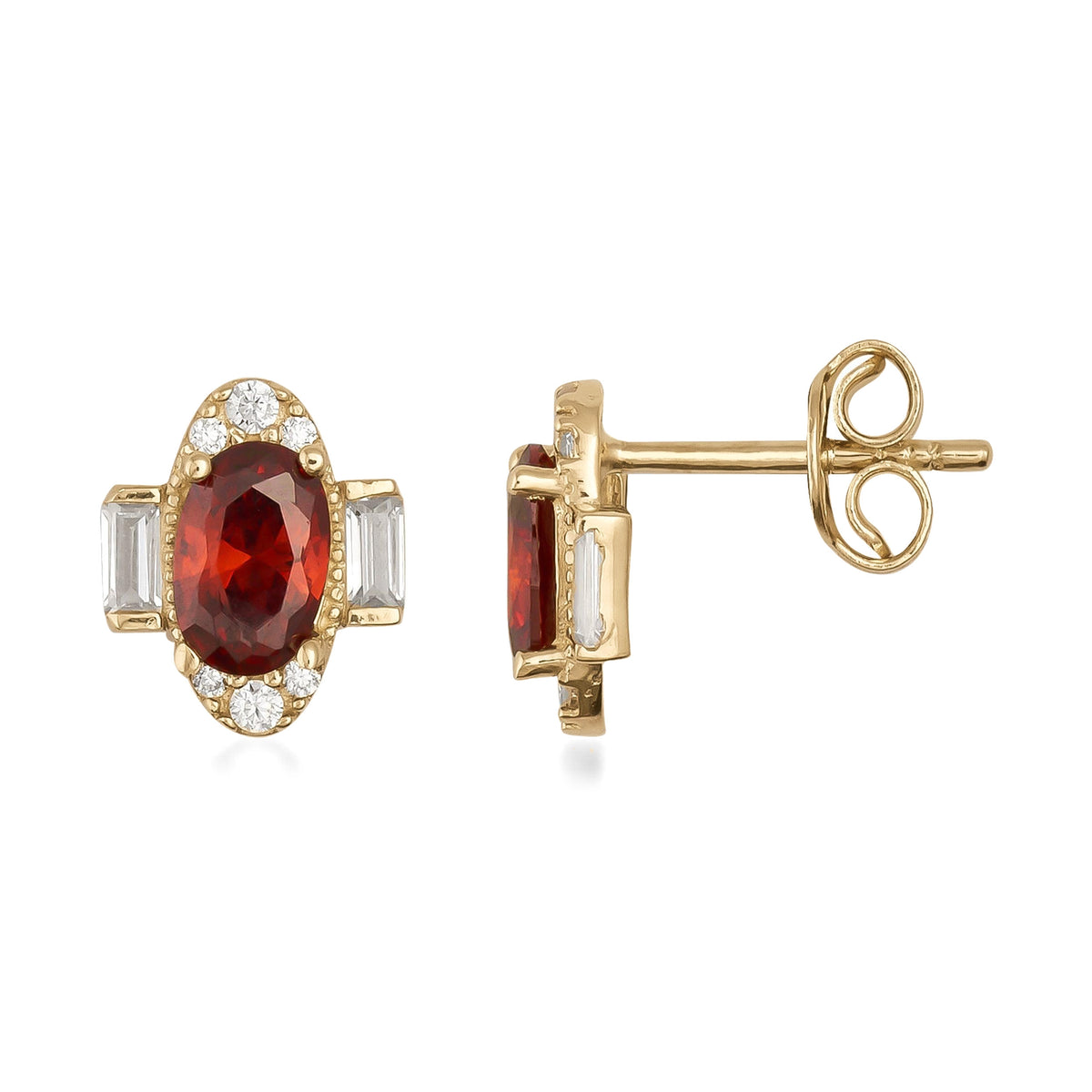
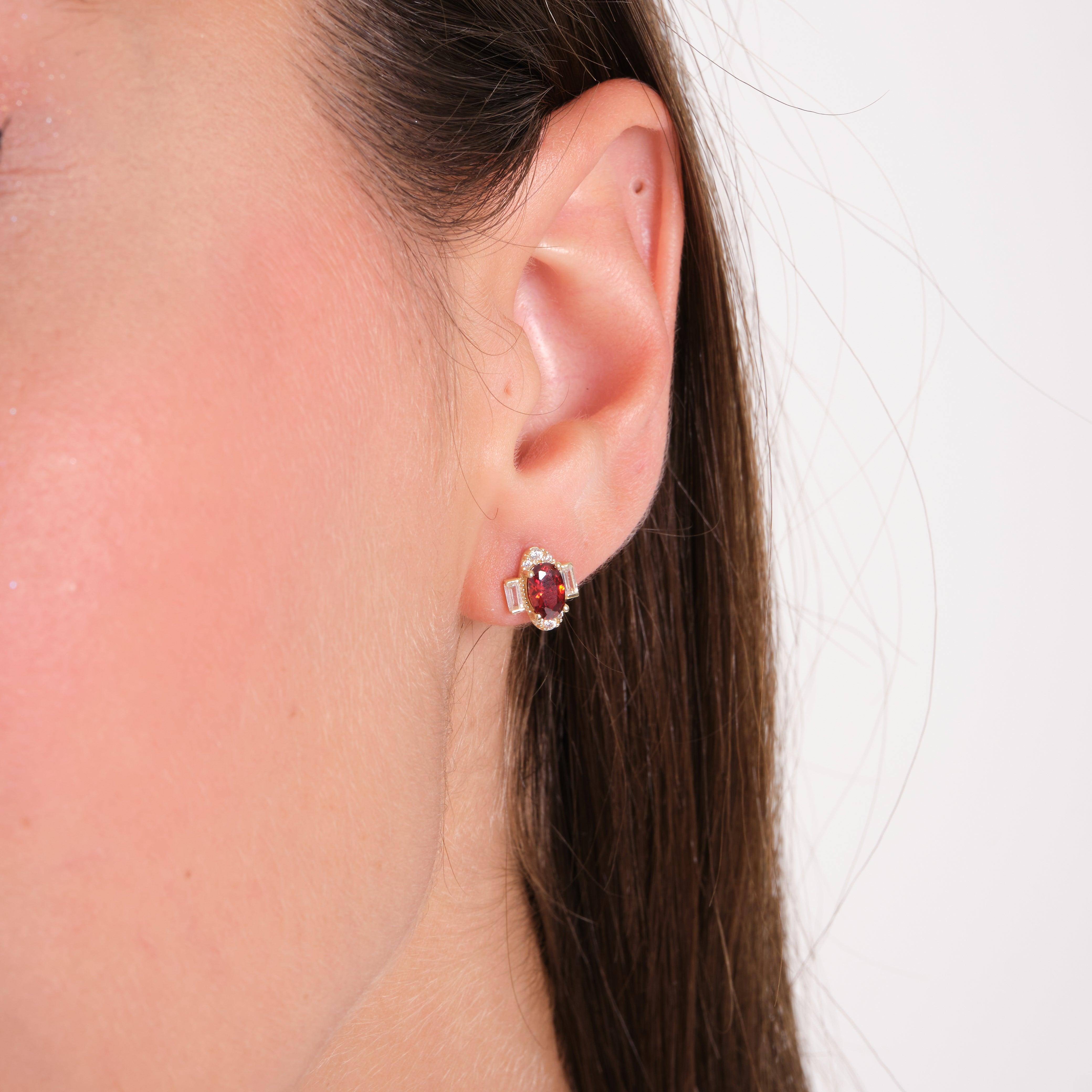
- Small ruby studs with a simple gold chain.
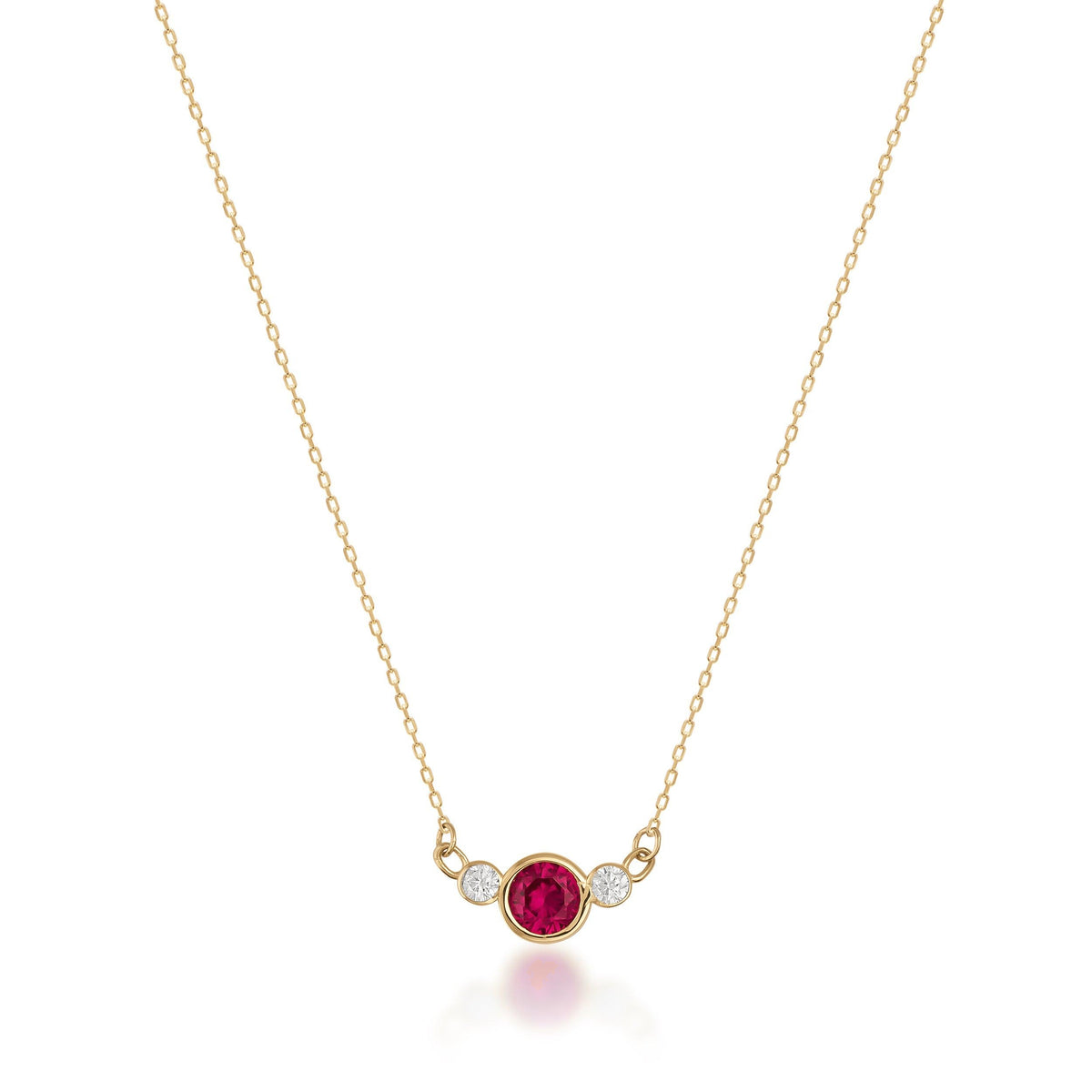
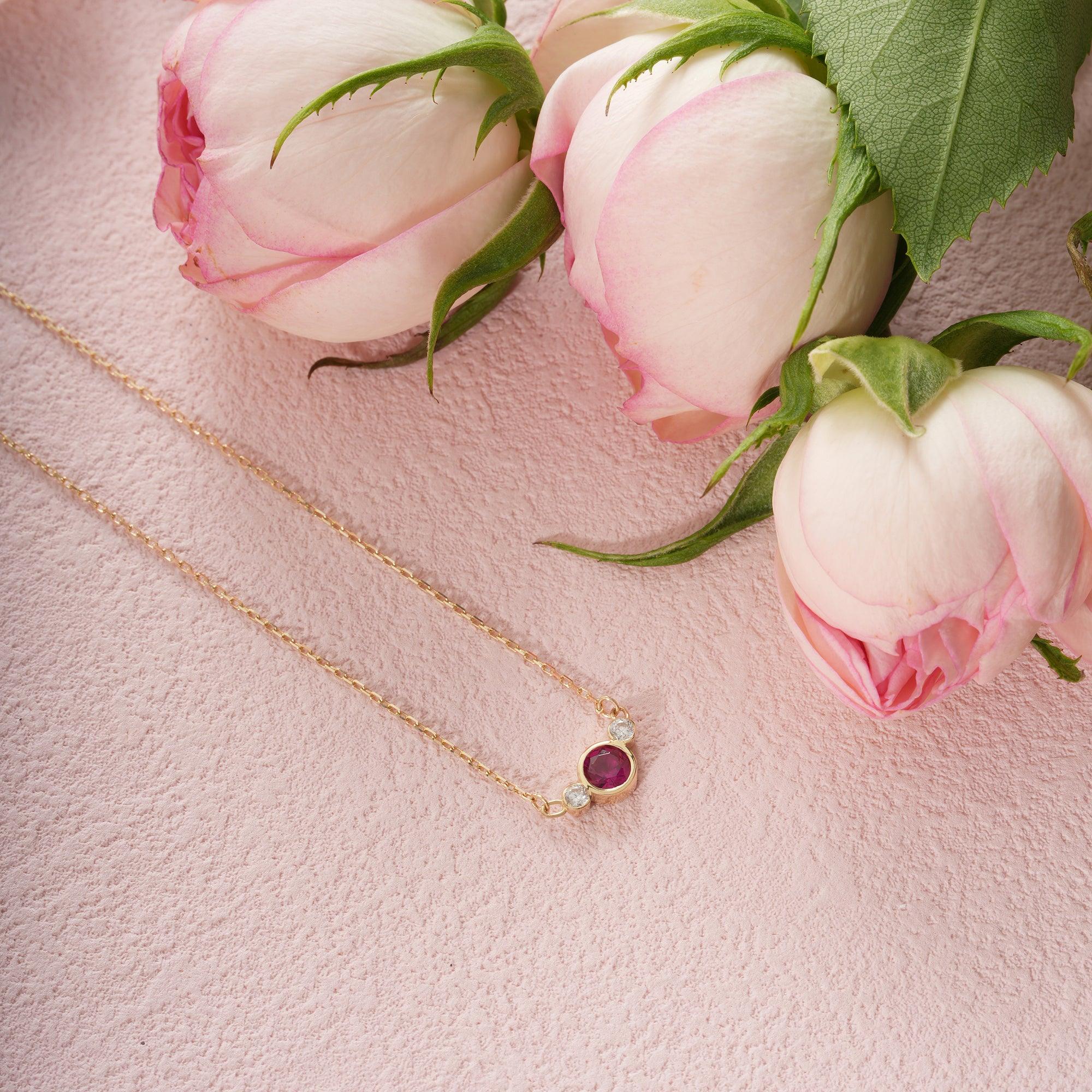
- A dainty pendant that sits just above a neckline.
- A gold bracelet with a single red stone for a quiet pop of color.
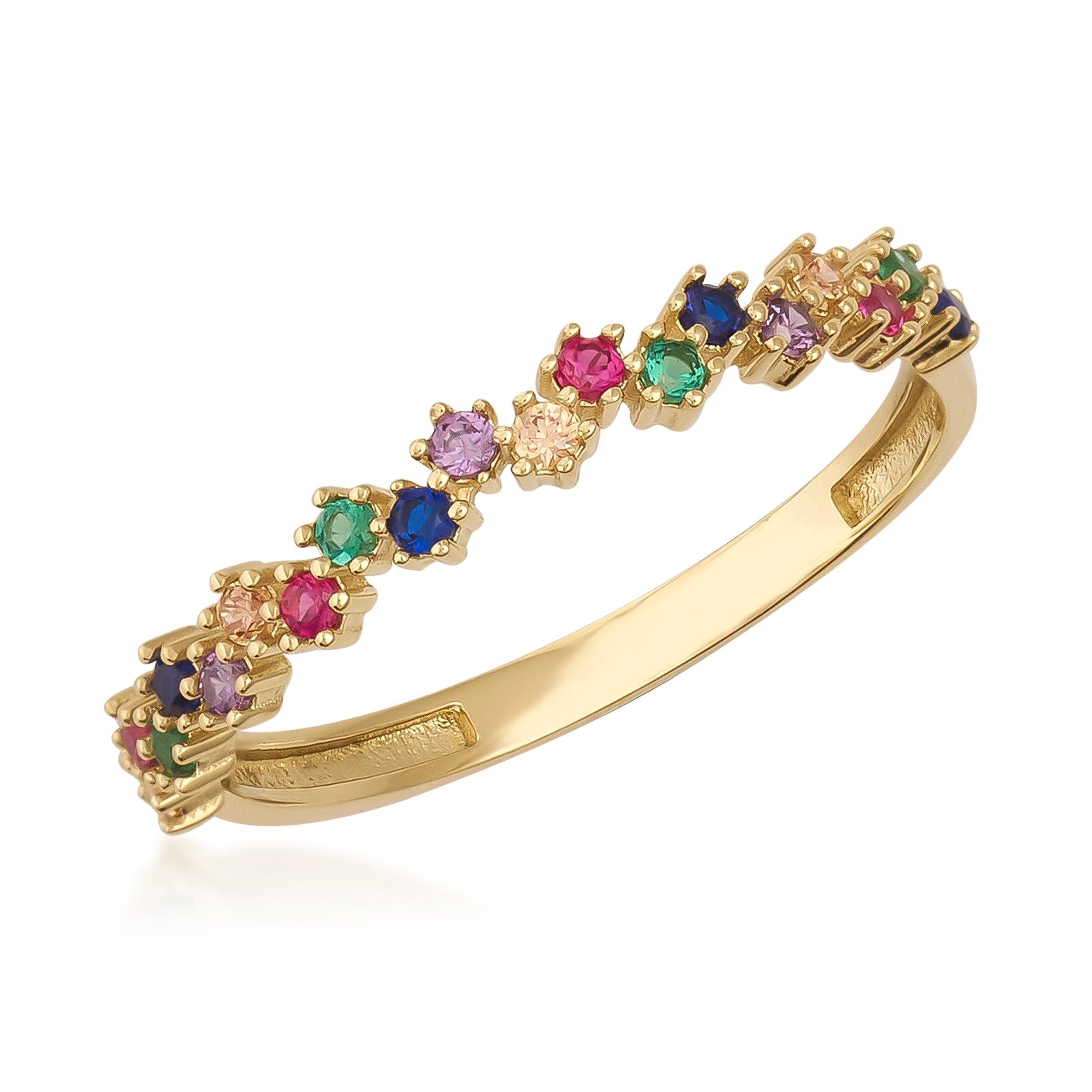
Red pairs well with black, white, navy, and denim. It also works with other stones. If you like mixing stones, try a red piece beside clear cubic zirconia for contrast.
Caring for Ruby Jewelry
Ruby is tough, but the metal around it can still scratch. Take rings off before gym work, gardening, or heavy cleaning. Store each piece in its own pouch so stones and metal do not rub together.
Clean your jewelry with warm water, a drop of mild soap, and a soft brush. Rinse and pat dry with a soft cloth. Our guide on how to clean 14K gold jewelry at home walks through each step.
Avoid harsh chemicals like bleach. They can damage the metal and some stone treatments. A quick wipe after wearing keeps the shine up for years.
Frequently Asked Questions
Is ruby an expensive stone?
It can be. Fine natural rubies with vivid color and few marks are among the costliest colored gems. Small, heated, or simulated stones cost much less.
What does a ruby stone symbolize?
Ruby has long stood for love and passion in jewelry tradition, largely because of its deep red color. It is also the July birthstone and the traditional 40th anniversary gem.
Who can wear ruby?
Anyone who likes the look. Many people wear it as a July birthstone or as an anniversary gift. Choose the color and style that you enjoy.
How can I tell a good ruby from a poor one?
Look at color first. A vivid, even red is best. Then check for cloudiness, cracks, and a clean cut. For a natural stone, ask for any treatment details in writing.
Is ruby hard enough for an everyday ring?
Yes. Ruby rates 9 on the Mohs scale, so it resists scratches well. Hard knocks can still chip any stone, so remove the ring for heavy work.
The Bottom Line
A ruby gemstone is a hard, vivid red stone with a long history and a place in July birthdays and anniversaries. Judge it by color first, ask about treatment, and pick the option that fits your budget. Browse our 14K gold rings collection to find a red-stone piece you will wear every day.








Share:
Gold Jewelry Repair: What Can Be Fixed and What It Costs
Star of David Jewelry: Styles, Gold, Size and Chain Guide