

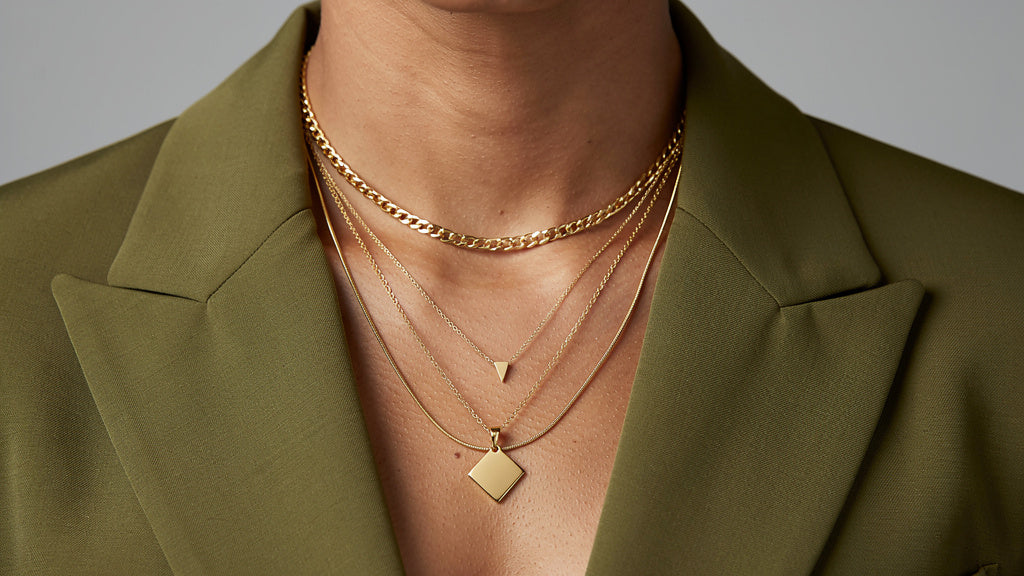
A gold necklace is one of the easiest pieces of jewelry to wear every day. It goes with a t-shirt or a blazer. One solid piece can last for decades with basic care.
Most people who search "necklace gold" want the same three answers: what karat to buy, what style suits them, and what a fair price looks like. This guide covers all three. It also covers how to spot real gold and keep it looking new.
- Karat tells you how much real gold is in the piece. 14k (58.5% gold) is the everyday sweet spot of color, durability, and price.
- Chain style and length matter as much as karat. A short chain sits at the throat. A longer one layers well with a pendant.
- Solid gold costs more than gold-plated or vermeil. It holds its color and doesn't wear thin with daily use.
What "Gold Necklace" Really Means
Not every necklace labeled "gold" has the same amount of gold in it. The karat number is the key detail. It tells you what share of the metal is pure gold. The rest is other metal, mixed in for strength.
Solid gold means the whole piece, chain and clasp included, is that karat all the way through. Gold-plated pieces use a base metal with a thin gold layer on top. They wear thinner over time. Vermeil is sterling silver plated with a thicker layer of gold.
| Karat | Gold content | Color | Best for |
|---|---|---|---|
| 10k | 41.7% | Pale, slightly muted | Tight budgets, heavy daily wear |
| 14k | 58.5% | Warm, classic gold | Everyday necklaces, most popular choice |
| 18k | 75% | Rich, deep gold | Statement pieces, special occasions |
| 24k | 99.9% | Deep yellow, very soft | Rarely worn daily, easily bent |
A 14k gold necklace is the most common pick for daily wear. The metal is hard enough to survive a gym bag or a toddler's grip. The color still reads as real gold, not brass.
A gold necklace 24k in weight looks stunning but scratches easily. Most people save it for special pieces, not everyday chains.
Popular Gold Necklace Styles
Once you know the karat, the next choice is style. Most shoppers land in one of four categories.
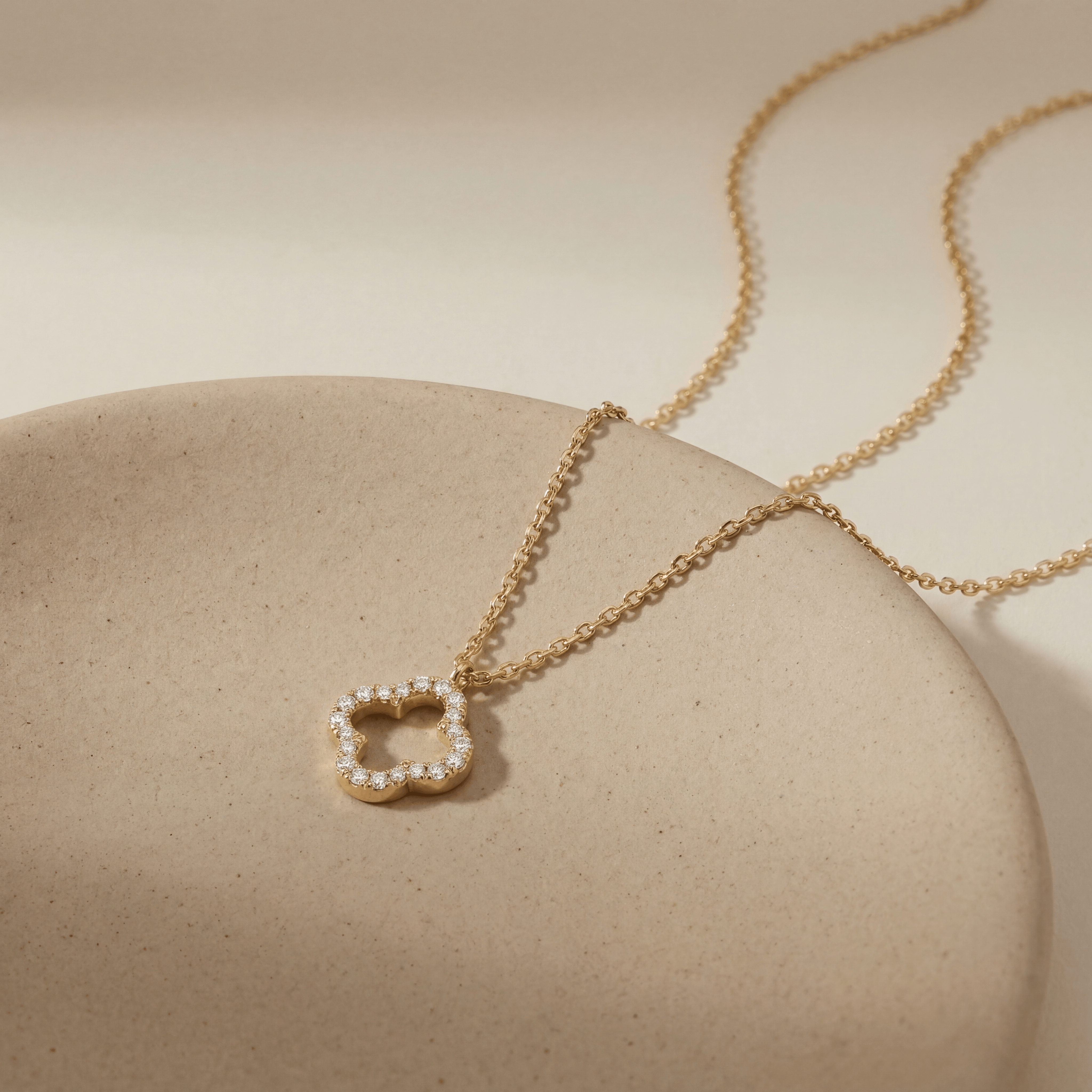
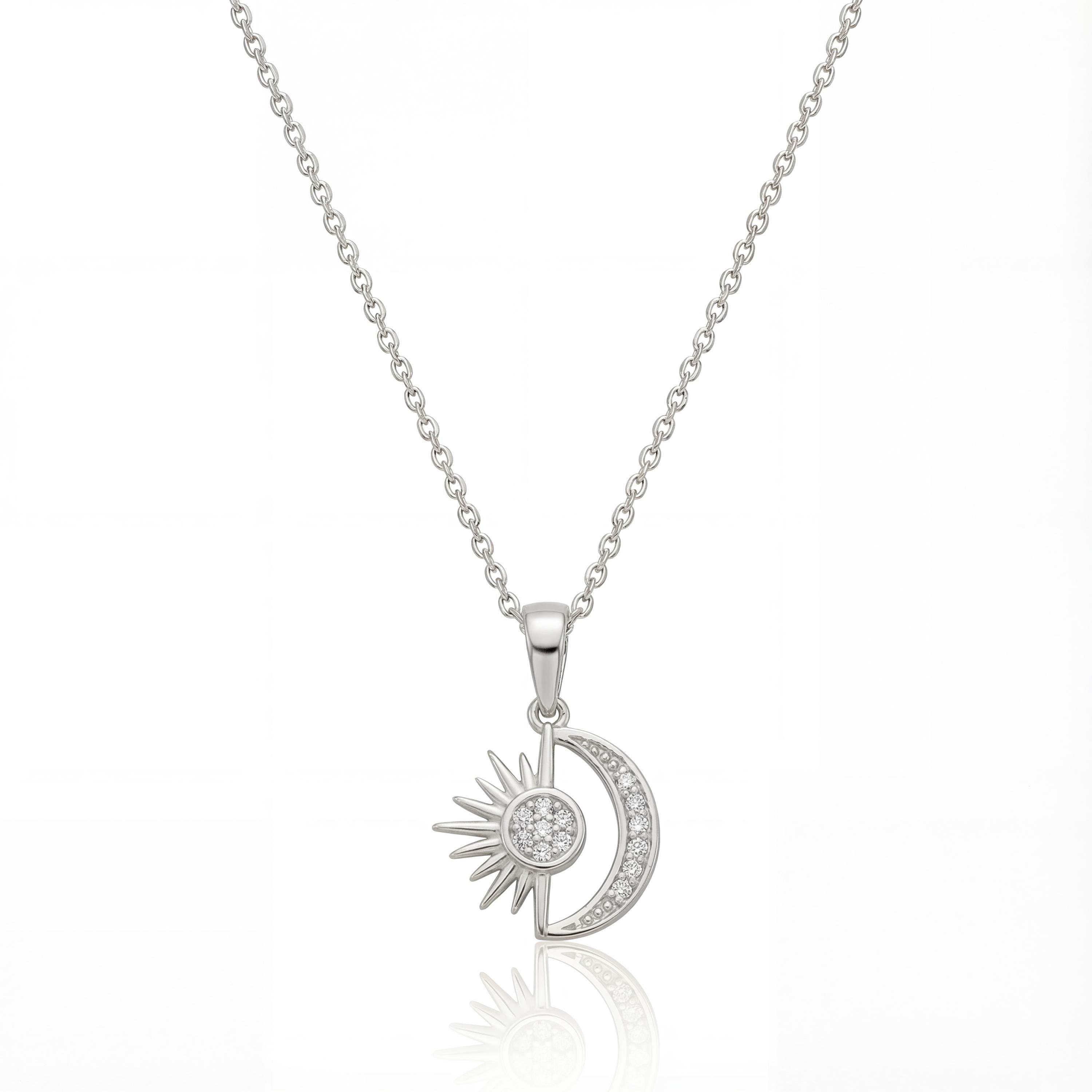
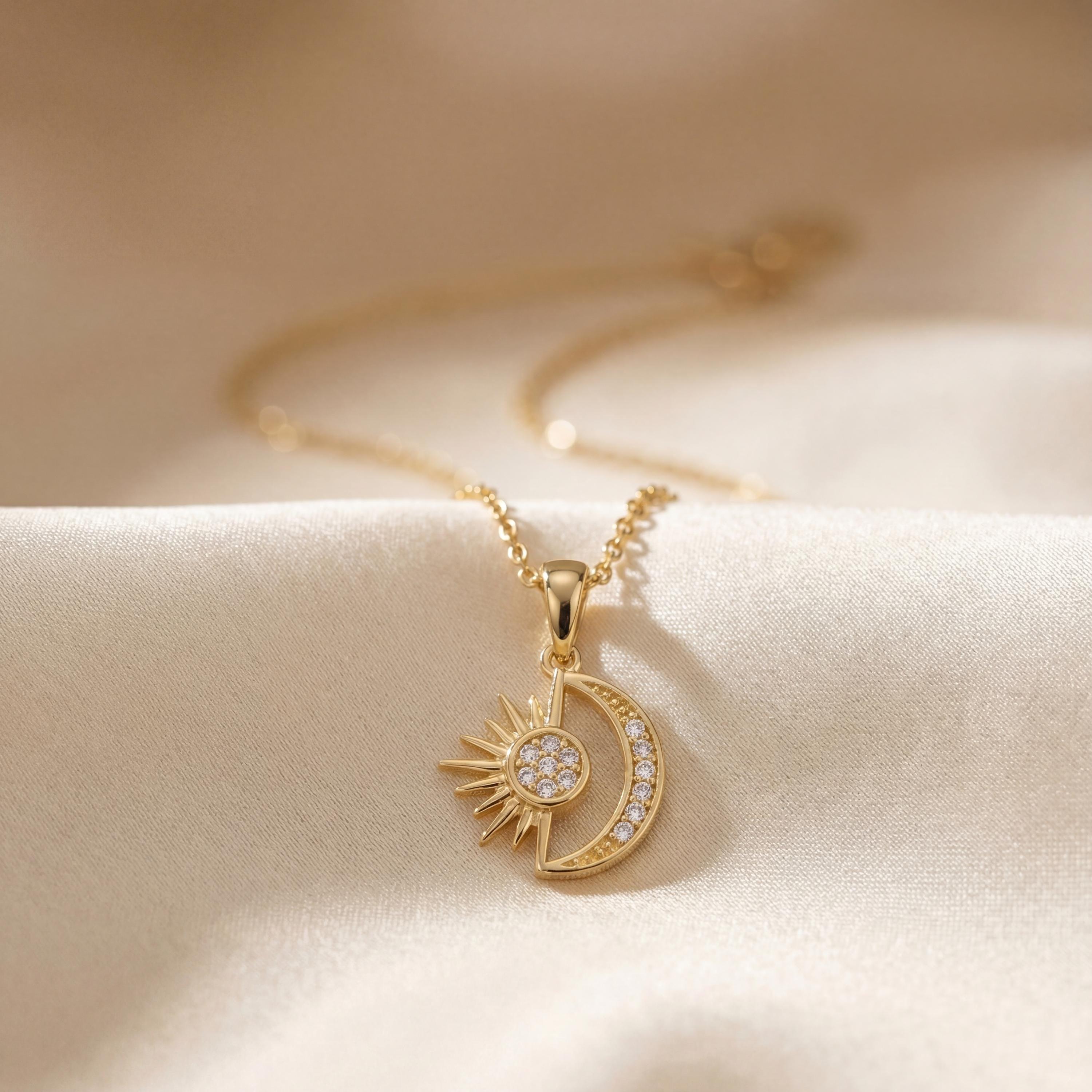
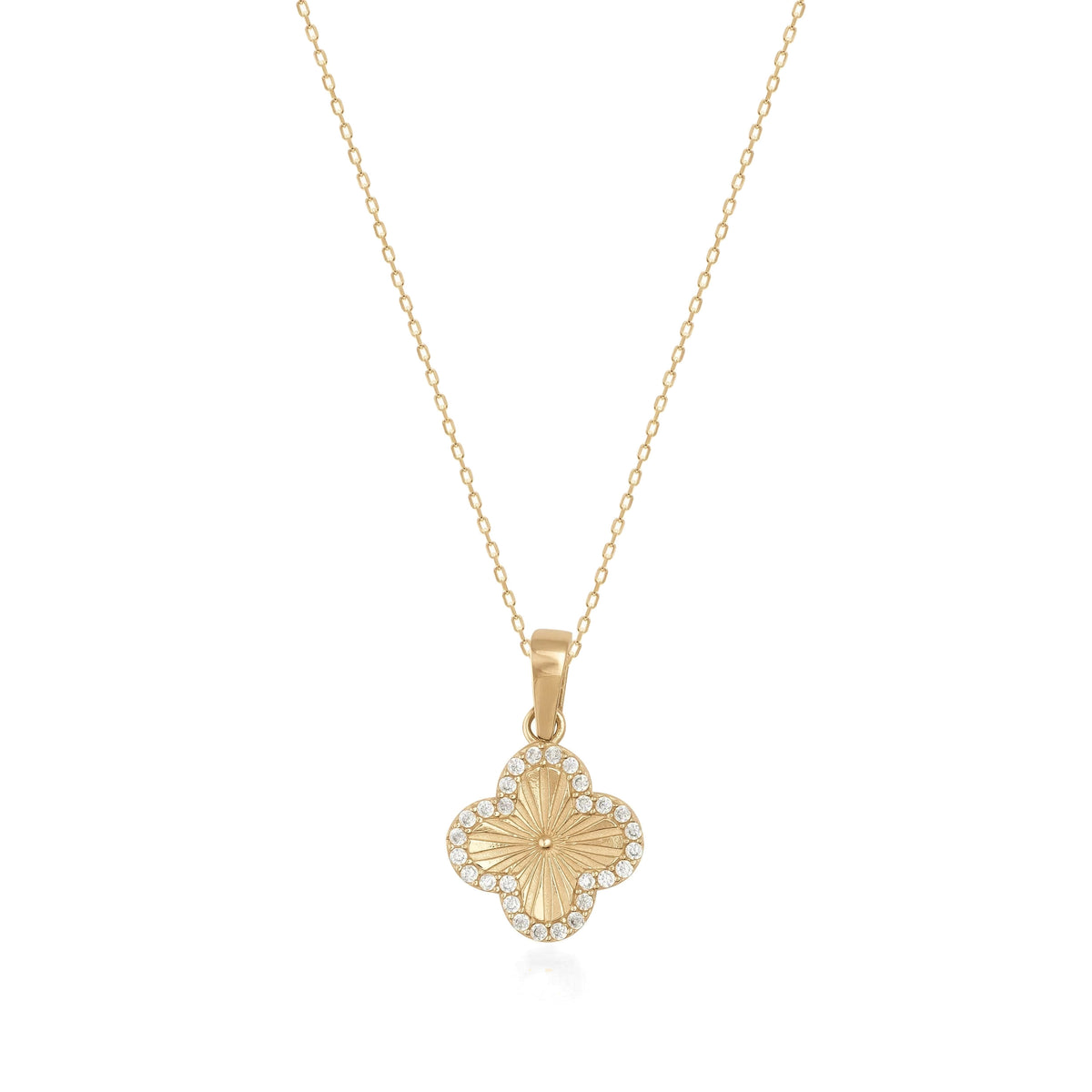
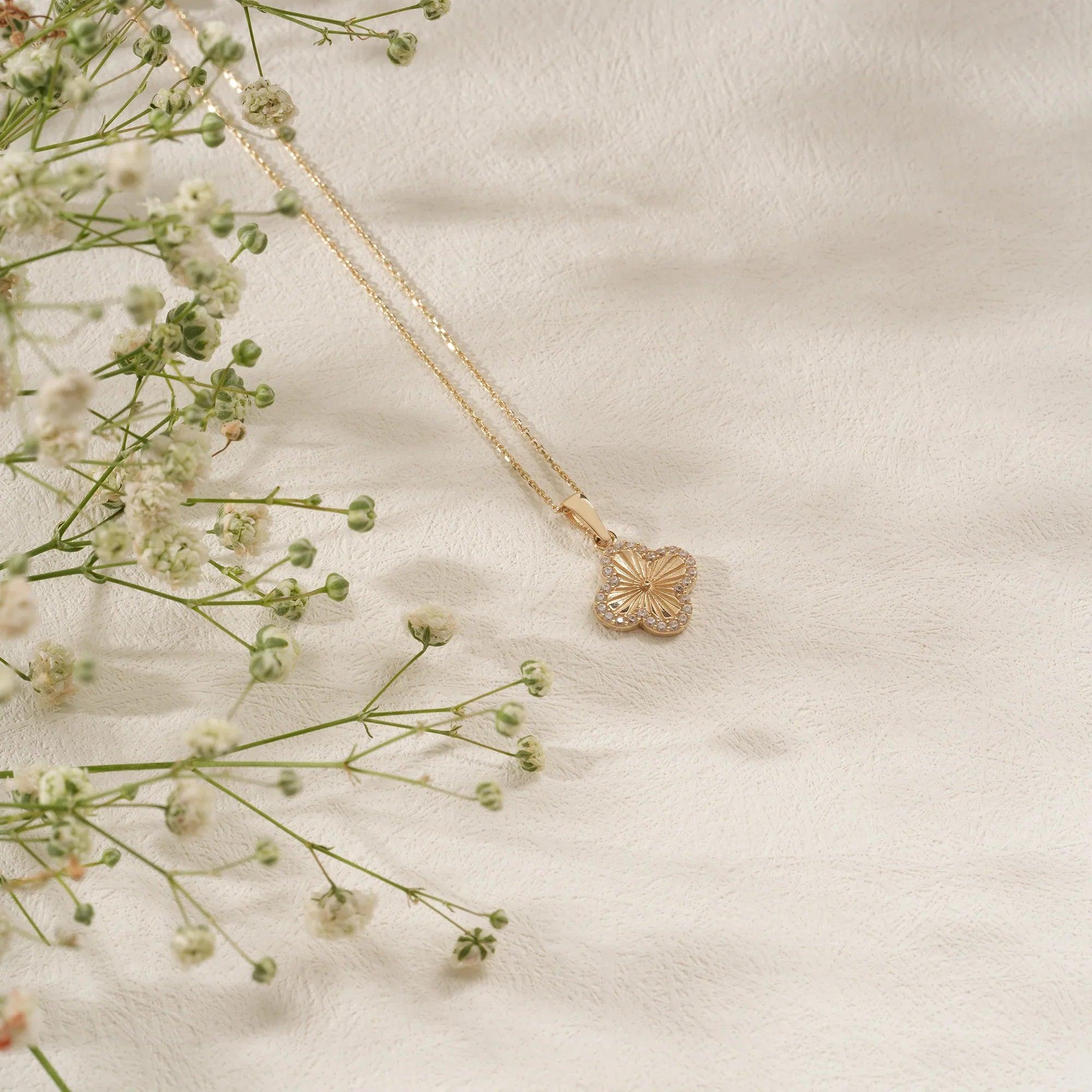
A pendant necklace gold design is the easiest place to start. It's one piece that does the work of an outfit. A women's gold necklace with a small pendant sits at the collarbone and pairs with almost any neckline. A men's gold necklace tends to run heavier and shorter.

Layering is the biggest style trend inside this category right now. It's simple to build. Two thin chains at different lengths make an easy layered look. Add one pendant piece for more depth.
Choosing the Right Necklace Length
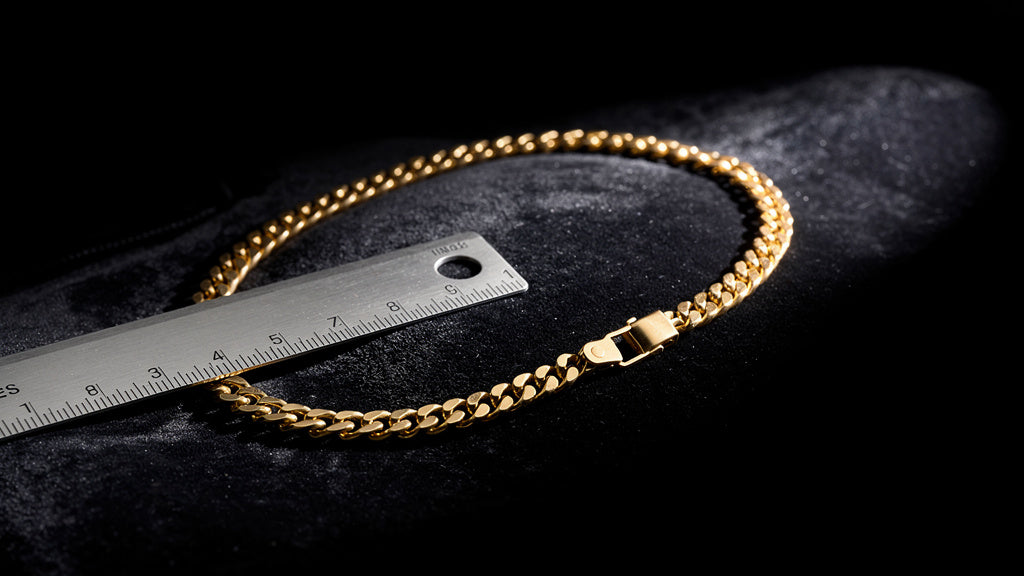
Length changes how a necklace reads on the body just as much as the chain style does. A short chain sits close to the throat and works well worn alone. A longer chain drops past the collarbone and layers more easily with a pendant.
As a rough guide, a short chain sits at the base of the neck. A mid-length chain falls at the collarbone. Anything longer works well for layering, or for a pendant worn lower on the chest. Our Necklace Length Chart guide has exact measurements for every style.
Neckline matters too. A higher neckline usually calls for a slightly longer chain. That way the necklace shows above the collar, instead of disappearing underneath it.
How Much Should a Gold Necklace Cost?
Price comes down to three things: karat, weight, and craftsmanship. A heavier chain in a higher karat costs more, simply because it holds more actual gold.
Gold-plated pieces cost far less because they use only a thin layer of gold over another metal. That's fine for a trend piece you'll wear for a season. It's still a different purchase than solid gold. The color won't hold up the same way over years of wear.
A useful gut check: gold has a real market value. That value moves with the daily gold price. A necklace priced far below its weight and karat is usually plated, not solid. That's true even if the listing doesn't say so directly.
Made-to-order pieces often cost a little more than mass-produced ones. Each necklace is made for that order, not pulled off a warehouse shelf.
Necklace Trends Right Now
Layering is the necklace trend right now, and it isn't slowing down. Instead of one statement piece, people are stacking two or three thin chains at slightly different lengths.
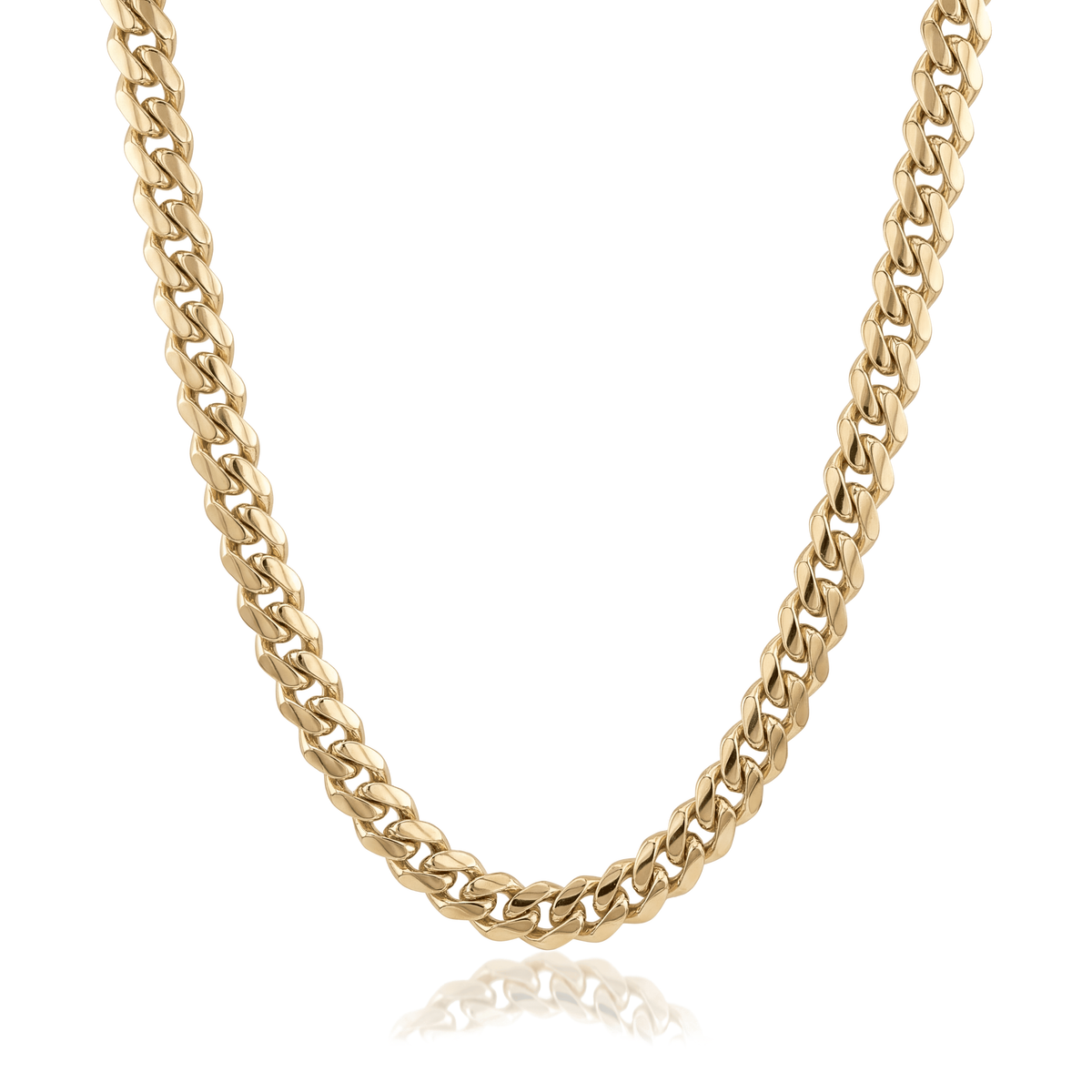
Dainty, minimalist chains lead for everyday wear, from paperclip to a simple cable link in 14k gold. Bolder pieces, like chunkier curb chains, show up more for evening looks and gifting. That's especially true heading into the winter holidays.
Personalized pieces are steady sellers too. Initial pendants and zodiac charms let a plain chain carry more meaning. No text on the piece is needed.

Caring for a Gold Necklace
Solid gold doesn't rust, but it can pick up a dull film from lotion, perfume, and everyday oils. A quick wipe with a soft cloth after wearing keeps the shine.
Store each necklace flat or hanging, not tangled in a pile with other pieces. Chains knot easily. Constant friction between two pieces of gold can leave fine scratches over time.
Take necklaces off before swimming, showering, or a workout. Chlorine and sweat build up in the clasp and links. That residue is what makes gold look dull, faster than the metal itself would. For the full routine, see our guide on How to Clean 14K Gold Jewelry at Home.
If you're deciding between metal colors, we have a guide for that. Our White vs Yellow vs Rose Gold comparison breaks down how each tone wears, and who it suits.
Frequently Asked Questions
How much should a gold necklace cost?
Price depends on karat and weight, since those determine how much real gold is in the piece. Solid gold tracks the daily gold price. A heavier, higher-karat necklace always costs more than a light plated one. If a "solid gold" price looks unusually low for its weight and karat, the piece probably isn't solid.
What's the necklace trend right now?
Layering thin chains at different lengths is the biggest necklace trend right now. It's often mixed with one small pendant. Dainty 14k chains lead for everyday wear. Chunkier curb chains show up more for evening looks and gifts.
What's the best brand for a gold necklace?
The best choice depends less on a brand name and more on three things. Check for solid gold versus plated, a clear karat hallmark, and craftsmanship you can see and feel. A good maker states the karat plainly, and makes each piece to order instead of mass-producing from a catalog.
Who sells the cheapest gold necklace?
The lowest price almost always points to gold-plated or gold-filled jewelry, not solid gold. That's not a bad option for a trend piece, but it's worth knowing which one you're buying. Solid gold costs more because it contains more actual gold, not because of markup alone.
What karat gold is best for an everyday necklace?
14k gold is the most common choice for daily wear. It has enough pure gold to keep a warm, real gold color. It also has enough alloy mixed in to resist bending and scratching, better than 18k or 24k.
The Bottom Line
A gold necklace is a simple buy once you know what to look for. Check karat for gold content, style for how you'll wear it, and a clear hallmark to confirm it's real. Solid 14k gold is the safest everyday choice. Save 18k for pieces you want to feel a little richer.
Ready to find yours? Browse our 14K Gold Necklaces collection for made-to-order pieces in classic chains, pendants, and layered sets.





Share:
Citrine Stone: Meaning, Price & How to Wear It
What Is 14K Gold? Purity, Price, and Durability Explained