

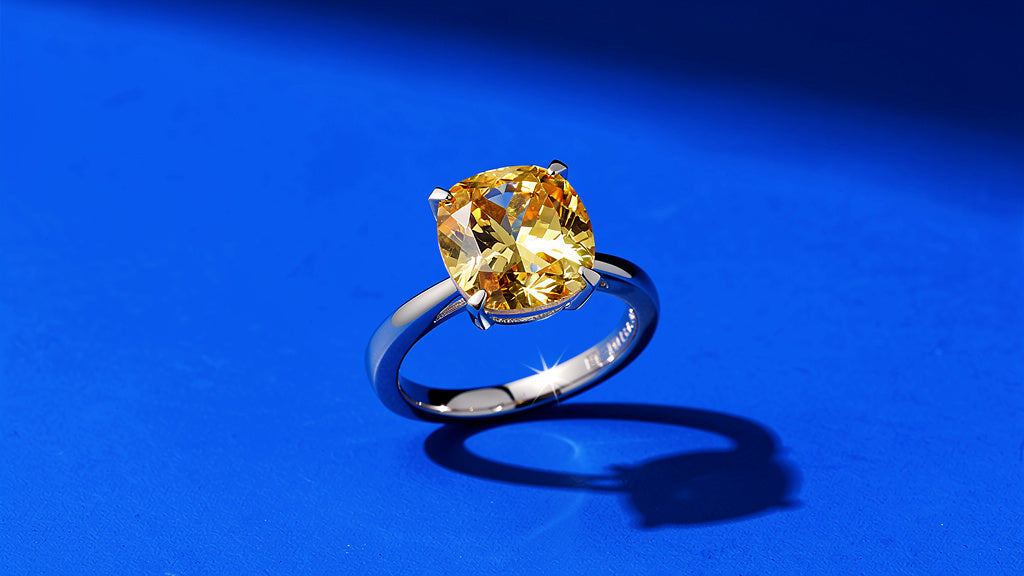
If you searched "citrine stone," you probably want to know what it is, what it means, and whether it's worth buying. Citrine is a golden-yellow quartz that ranges from pale lemon to deep honey brown. It's one of the most affordable, wearable gemstone colors out there.
Below, you'll get the short version of citrine's meaning, its price range, who traditionally wears it, and how to style it in real jewelry. We'll also cover the simulated version we set in solid 14K gold, for anyone who wants the color without the natural-stone price tag.
- Citrine is a golden-yellow quartz and one of two birthstones for November.
- Most citrine on the market is heat-treated amethyst; natural, untreated citrine is rare and pricier.
- Golden Planet's citrine-inspired pieces use cubic zirconia set in solid 14K gold, so the color costs far less than the mined stone.
What Is Citrine Stone?
Citrine is the golden-yellow variety of quartz. Its color comes from trace iron inside the crystal, and it can range from pale straw to a deep, almost brown gold called "Madeira" citrine.
Natural, untreated citrine is genuinely rare. Most citrine stone sold today is amethyst or smoky quartz that's been heat-treated to turn it yellow. This isn't a trick; it's standard practice and it's why citrine stone jewelry stays so affordable compared to other gems.
Most of the world's citrine comes from Brazil, with smaller amounts mined in Bolivia, Zambia, and Madagascar. Brazilian material tends to be lighter and lemon-colored, while some Bolivian stones show a natural amber tone without any heat treatment at all.
Citrine sits at 7 on the Mohs hardness scale, the same as most quartz. That makes it tough enough for daily wear in a ring or bracelet, as long as you avoid hard knocks against stone or metal.
Because quartz is so common, citrine never carries the scarcity of a sapphire or emerald. That's good news for anyone who wants a large, eye-catching stone without paying a large-stone price.
What Does Citrine Mean?
Citrine has been worn since ancient Egypt, often carried as a good-luck charm for traders. That history earned it the nickname "the merchant's stone," tied to success, wealth, and prosperity.
The name itself comes from the French word "citron," meaning lemon, a nod to its brightest shade. Ancient Greeks and Romans also carved citrine into jewelry and decorative objects, drawn to its clear, sunny color.
Today, most people buy citrine stone jewelry simply for the color. Warm gold pairs well with every skin tone, and it reads as sunny and confident without being loud like a bright red or green stone.
Citrine is one of two official birthstones for November, alongside topaz. It's also the accepted gift for a 13th wedding anniversary, which is why you'll see citrine stone rings and pendants marketed around both occasions.
Around the December holidays, citrine stone gifts also pick up interest: it's an easy choice for anyone who loves warm gold tones but doesn't have a November birthday to justify buying it.

Citrine vs. Other Yellow Gemstones
Citrine isn't the only golden-yellow option. Here's how it compares to the gems it's most often confused with, plus the simulated option we use in-house.
| Stone | Color | Hardness | Typical Price |
|---|---|---|---|
| Citrine (natural) | Pale lemon to deep gold | 7 | $10–$30 per carat |
| Yellow topaz | Golden yellow to sherry | 8 | $50–$150 per carat |
| Yellow sapphire | Bright yellow to gold | 9 | $400+ per carat |
| Cubic zirconia (citrine-inspired) | Consistent golden yellow | 8–8.5 | Set into finished jewelry, not sold by carat |
Citrine's biggest advantage is value: you get real quartz in a rich gold tone for a fraction of what sapphire or topaz costs. Cubic zirconia goes a step further, giving you a uniform color with zero grading questions.
Citrine Stone Price Guide
Is citrine an expensive stone? Not really. Commercial-grade heat-treated citrine typically runs $10 to $30 per carat, making it one of the most budget-friendly colored gems around.
Rare natural citrine, especially deep Madeira tones with no treatment history, can climb higher. Even then, it stays well below what you'd pay for topaz or sapphire in the same shade.
A few factors move the price: color depth, clarity, and cut. Deeper, more saturated gold tones cost more than pale lemon shades, and a clean, eye-clear stone always beats one with visible inclusions.
Carat size matters less with citrine than with rarer gems. Because large clean pieces of rough are common, a bold, statement-size citrine costs far less than a same-size sapphire or ruby.
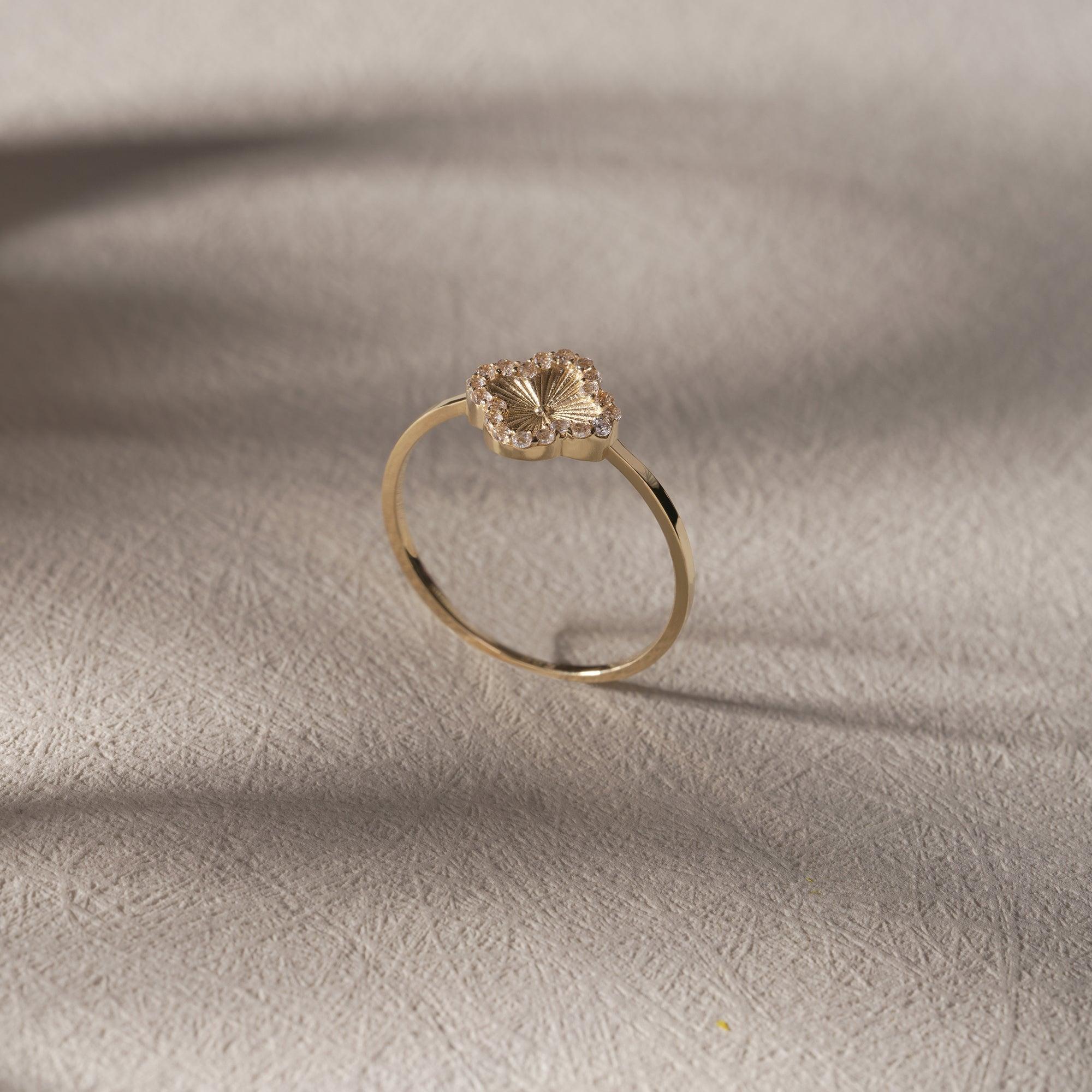
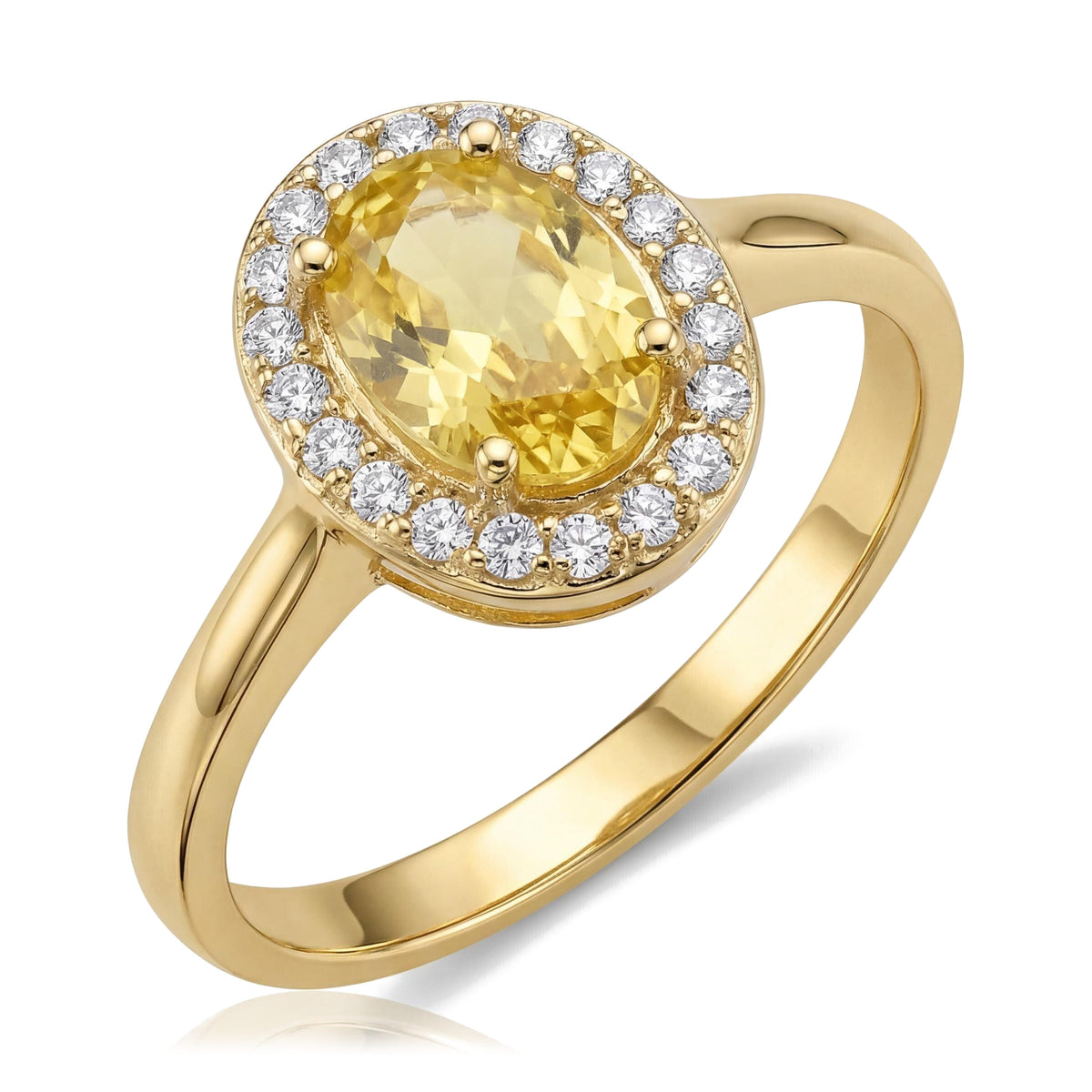
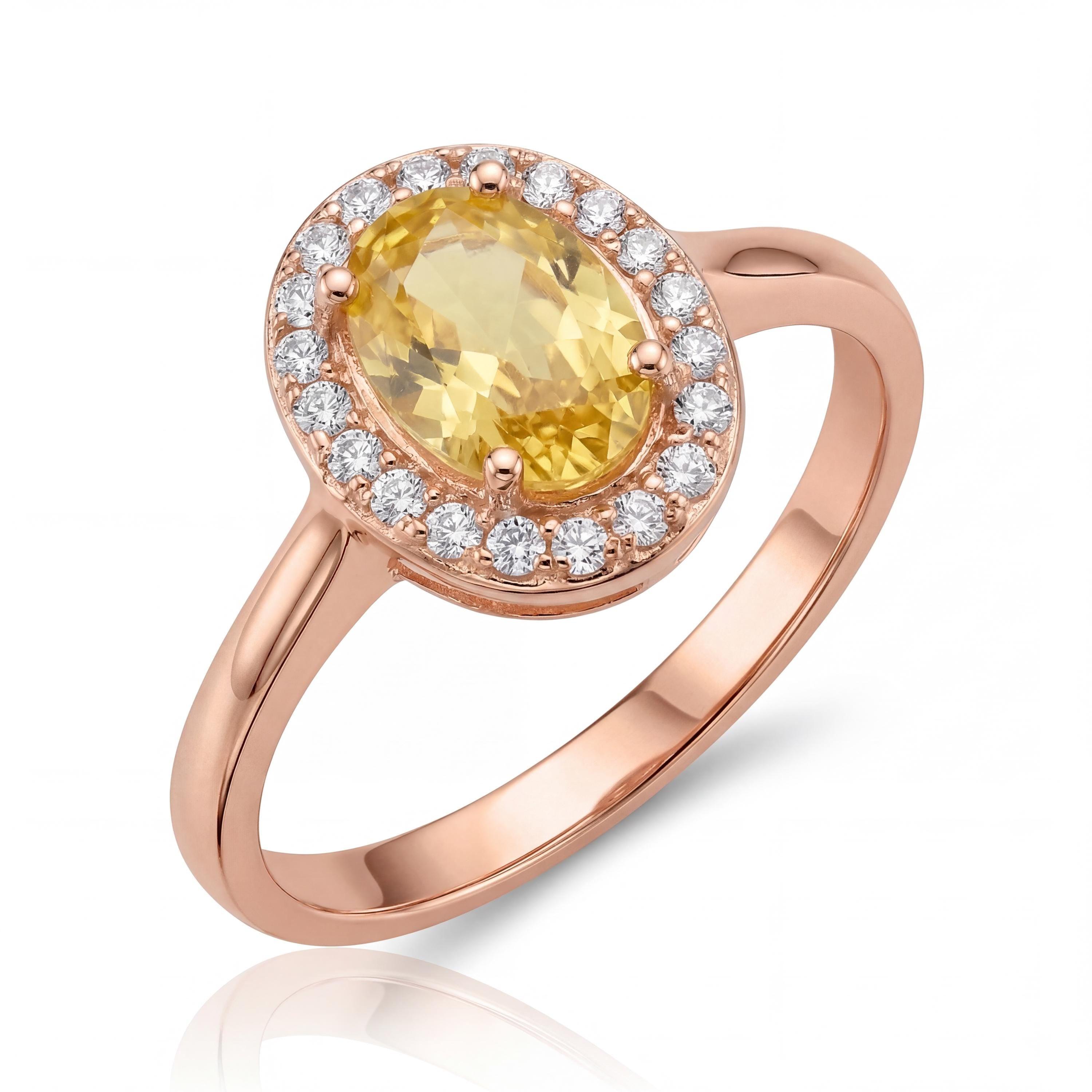
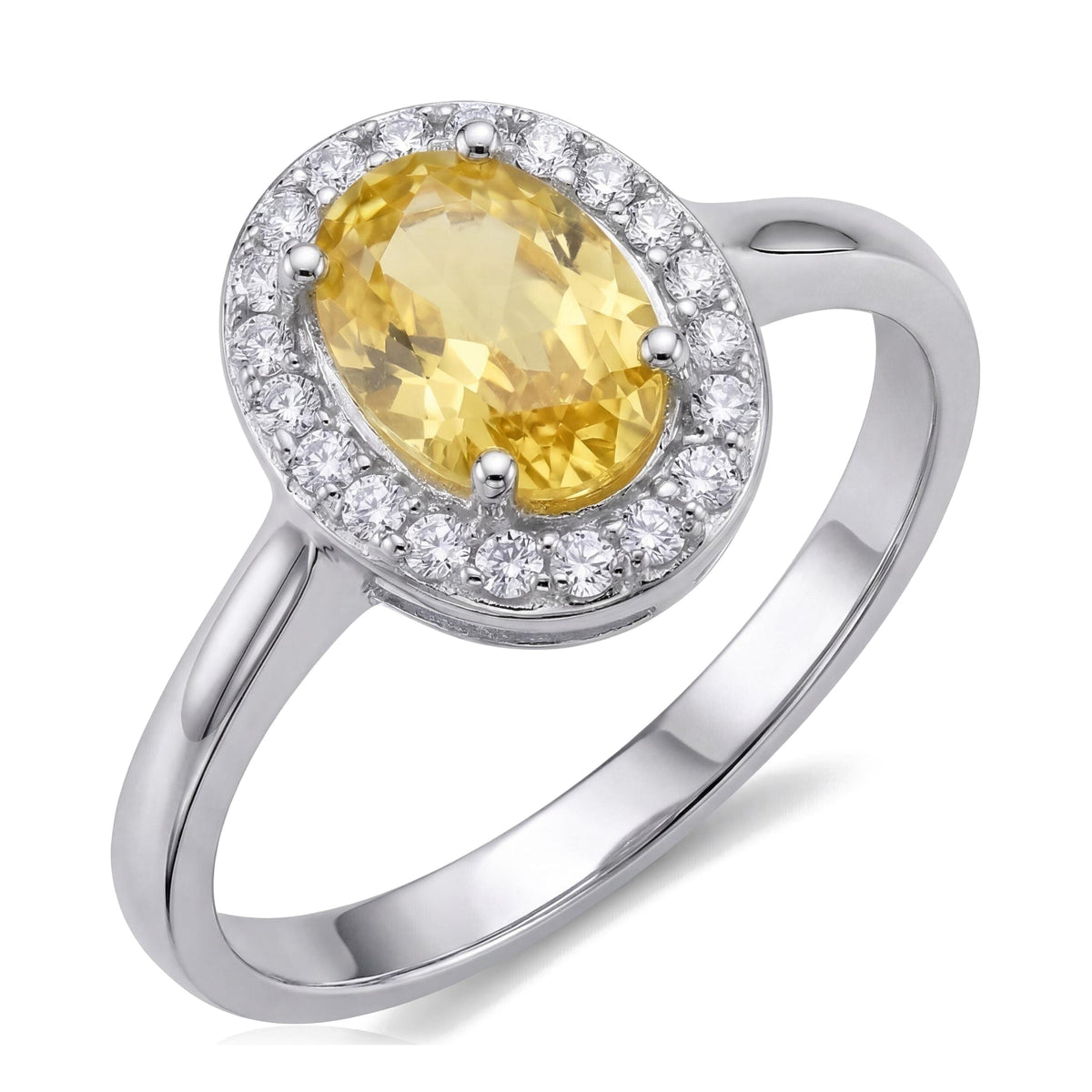
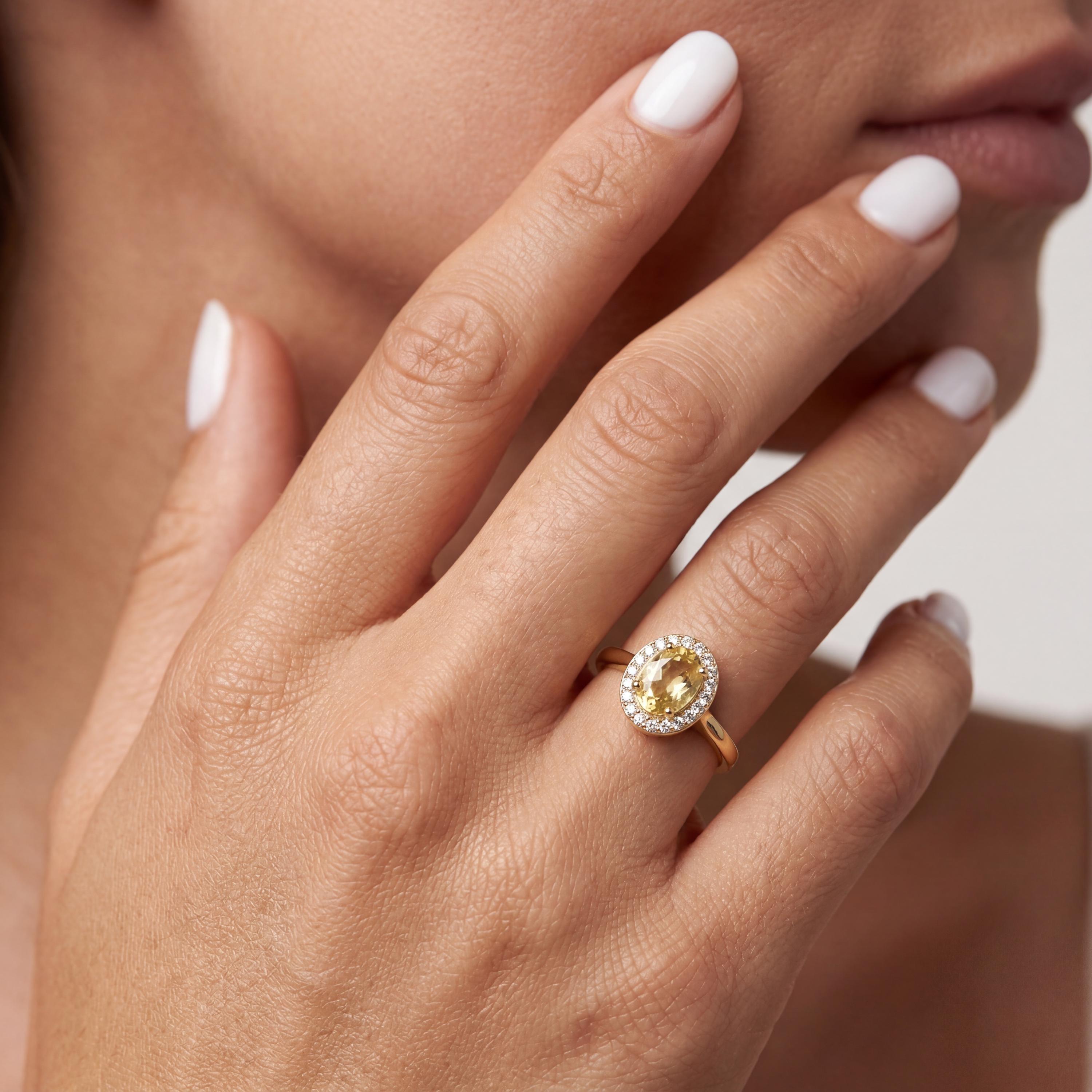
That's the approach behind our citrine-inspired pieces. Each one uses cubic zirconia cut to mimic citrine's golden tone, set in solid 14K gold rather than plated metal.
Who Should Wear Citrine?
Which zodiac should wear citrine? Modern birthstone charts link citrine to Sagittarius, and some older traditions also connect it to Gemini and Libra.
Who cannot wear citrine stone? In astrology traditions, citrine is tied to the planet Jupiter, and some practitioners suggest skipping it if your chart already leans heavily on certain signs. There's no test for this, so treat it as personal taste rather than a rule.
In practical terms, anyone can wear citrine. It's a durable, easy-care stone that suits warm and cool skin tones alike, and it works in everyday pieces as easily as in a special-occasion ring.
If you tend toward cooler-toned jewelry, pair citrine with white gold accents to balance the warmth. If you already lean warm, yellow or rose gold will make the stone's color feel even richer.

How to Wear Citrine
Citrine's warm gold tone pairs best with yellow or rose gold rather than white metal, since white gold can mute the color. Here are the easiest ways to work it into your rotation.
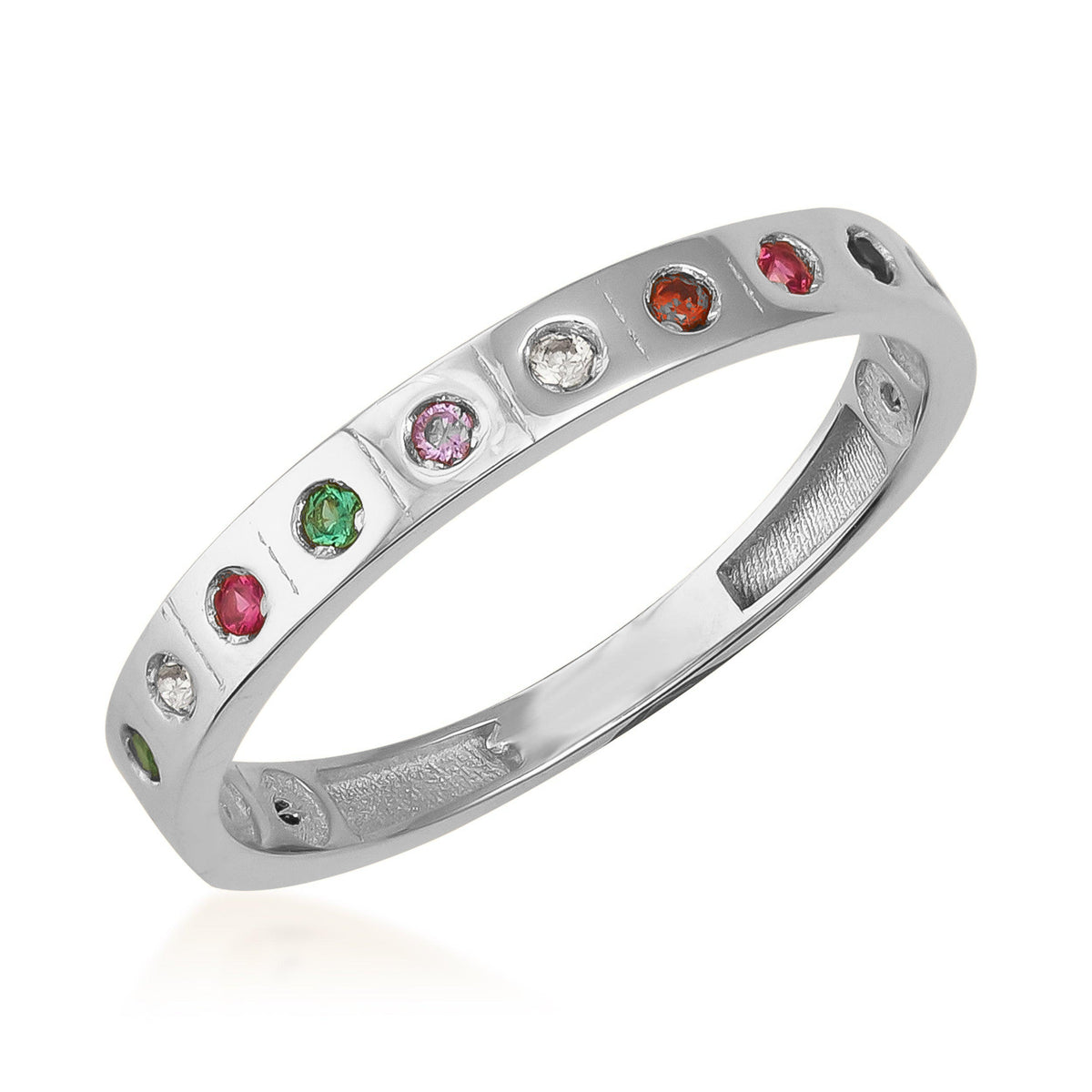
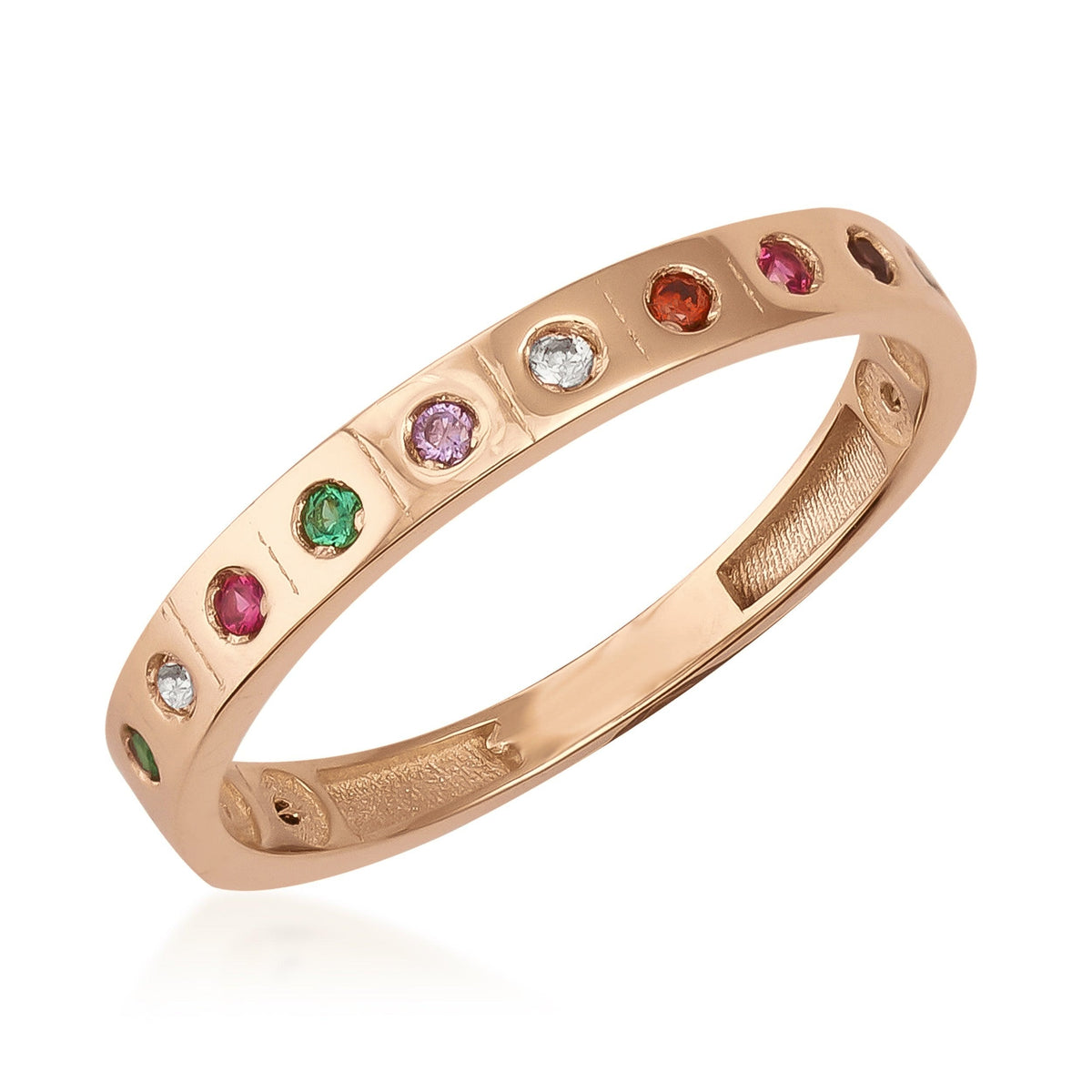
Not sure which gold tone to pick? Our guide to white vs. yellow vs. rose gold breaks down how each one reads against a warm stone like citrine.
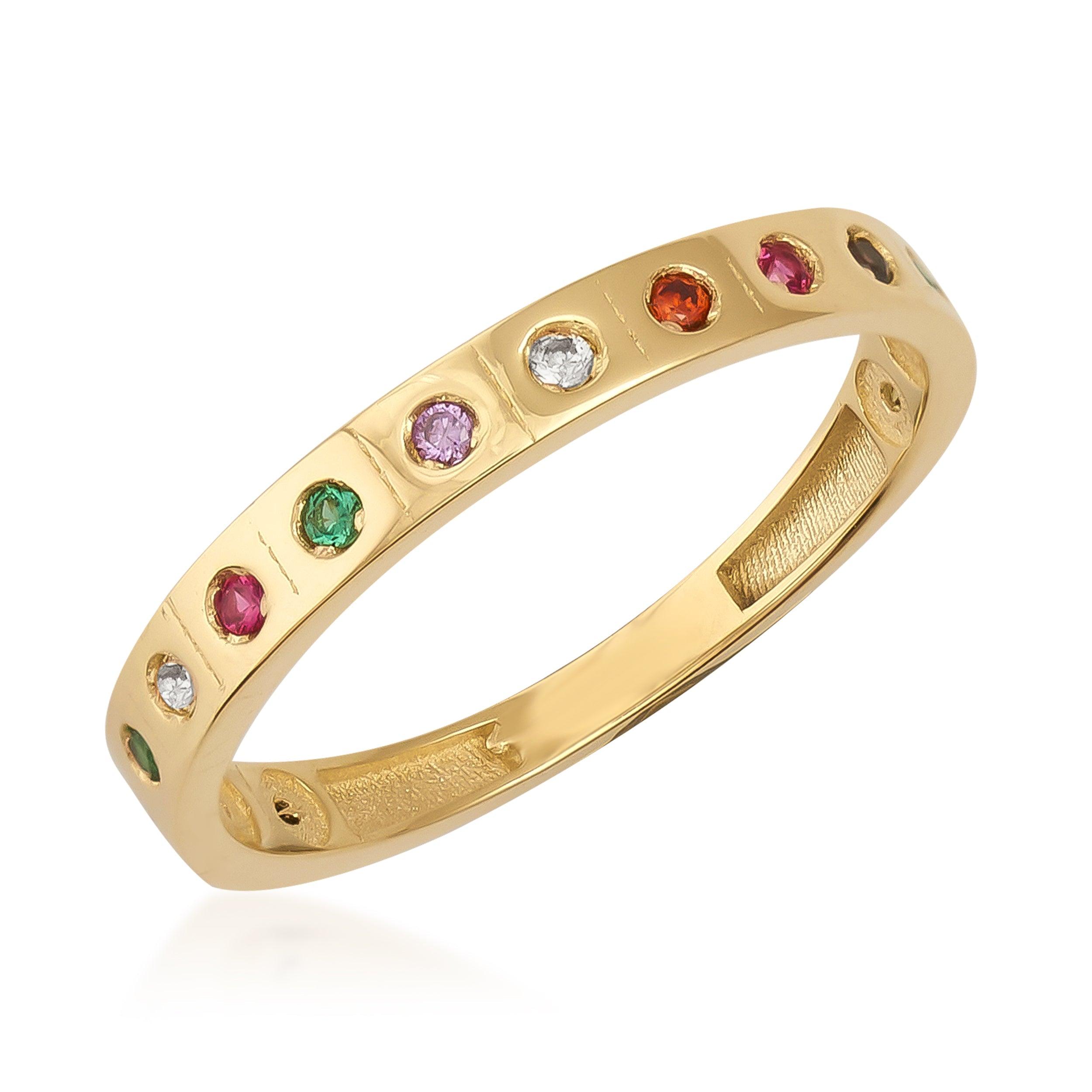
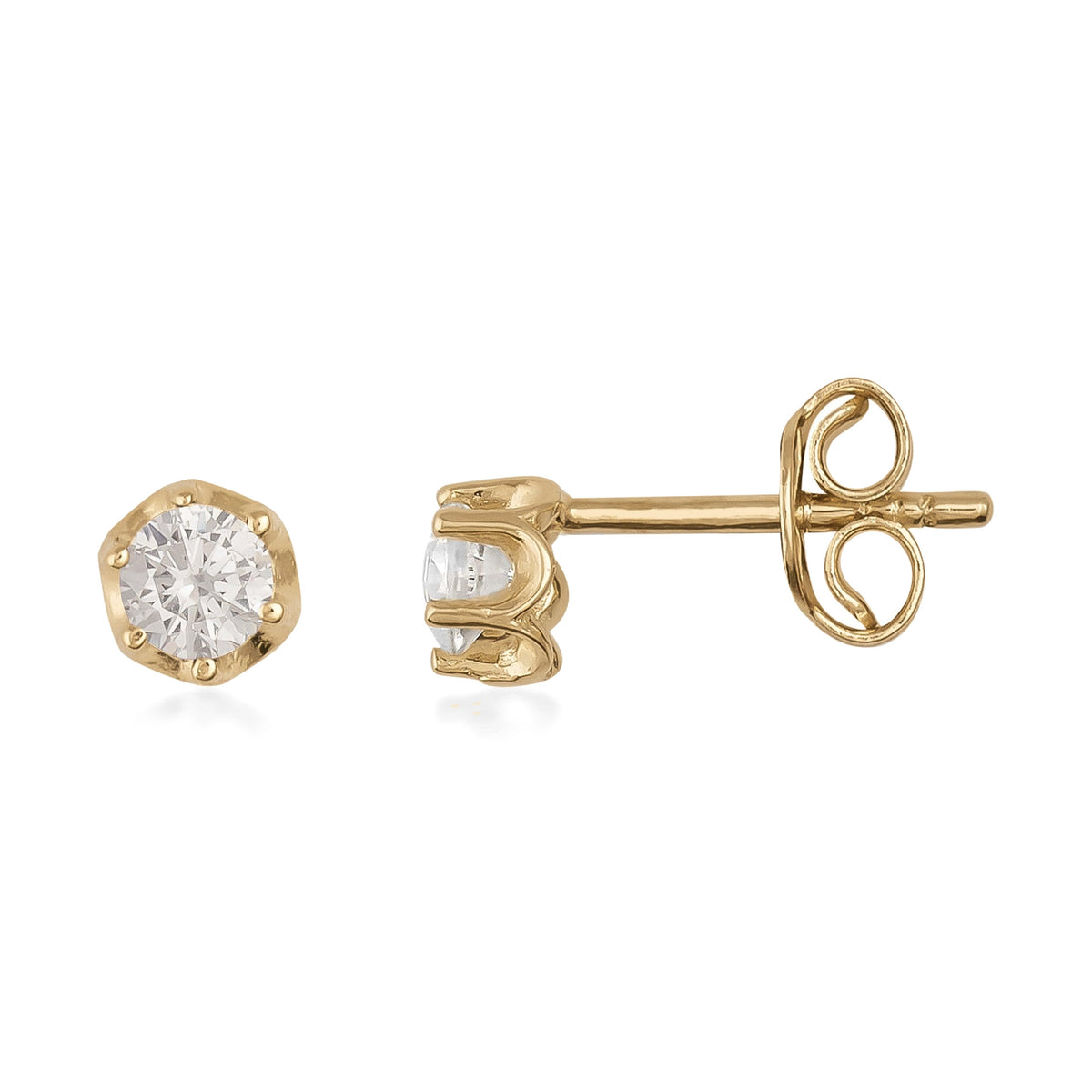
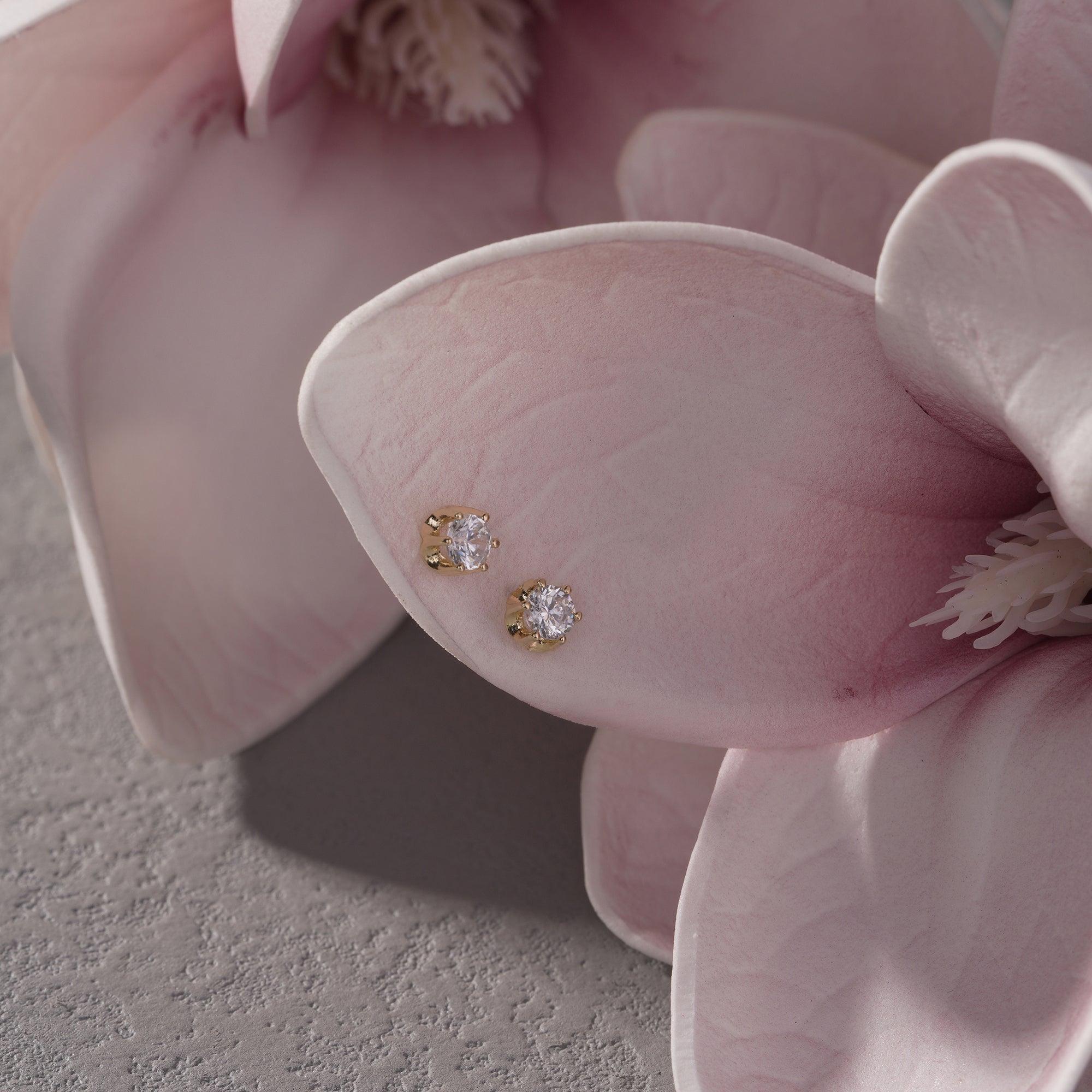
If you're shopping for a ring specifically, browse our 14K Gold Rings collection to see current citrine-inspired settings, or check the Gold Earrings collection for stud and drop styles.
Frequently Asked Questions
What is the stone citrine good for?
Citrine is mainly worn for its warm golden color and its history as a symbol of success and prosperity. It's also a durable, affordable everyday gemstone that suits rings, earrings, and pendants.
Who cannot wear citrine stone?
There's no rule against anyone wearing citrine. Some astrology traditions suggest checking your chart first, but that's a matter of personal preference, not a fixed guideline.
Is citrine an expensive stone?
No. Most citrine stone jewelry uses heat-treated quartz priced around $10 to $30 per carat, which makes it one of the more affordable colored gemstones on the market.
Which zodiac should wear citrine?
Modern birthstone charts most often link citrine to Sagittarius, though some older traditions also connect it to Gemini and Libra.
Is citrine the same as yellow topaz?
No. Citrine is quartz and topaz is a different mineral entirely. They can look similar in a golden-yellow shade, but topaz is harder and usually costs more per carat.
The Bottom Line
Citrine stone is a warm, affordable way to wear gold-toned gemstone color, whether you go with the mined quartz or a cubic zirconia version set in solid 14K gold. Either way, it's a low-maintenance stone that works for daily wear.
Ready to see it in person? Browse our 14K Gold Rings collection for citrine-inspired settings in solid gold.



Share:
Best Ultrasonic Jewelry Cleaner: A Buyer's Guide
Gold Necklace Guide: Karats, Styles & Cost