

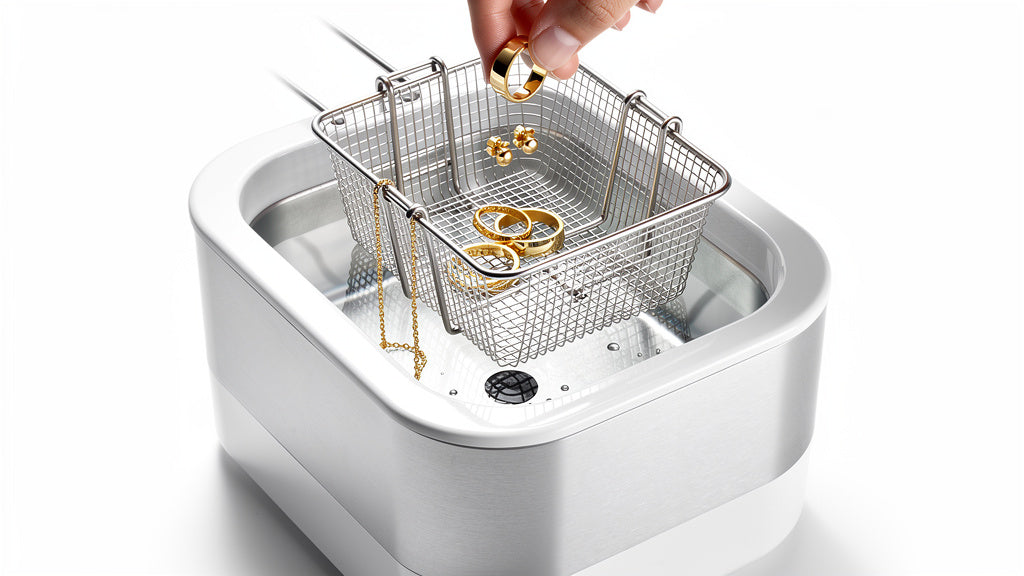
The best ultrasonic jewelry cleaner isn't one specific machine. It's whichever tank matches your jewelry, your patience, and how often you actually clean rings and chains at home. A bigger tank with a real timer beats a tiny gadget that quits halfway through a cycle.
Ultrasonic cleaners use sound waves to shake loose dirt, lotion, and soap film. That grime likes to hide in tight settings and clasp links. These machines work fast and need almost no scrubbing.
But not every stone or setting likes the vibration. The right pick depends on what you're cleaning, not just the price tag. A quick check before you buy saves you a returned box later.
- A countertop ultrasonic cleaner uses sound waves in water to shake dirt out of tight settings in minutes, no scrubbing needed.
- Tank size, cycle timer, and frequency matter more than price — look for a 20oz-plus tank and a 3-8 minute timer.
- Solid 14k gold handles ultrasonic cycles well; glued stones, pearls, and opals do not.
What an Ultrasonic Cleaner Actually Does
Inside the tank, sound waves at a very high frequency pass through water. That motion creates thousands of tiny bubbles. Each bubble collapses against the metal surface. Jewelers call this cavitation.
Every collapse knocks loose a speck of dirt, lotion, or soap film. None of that touches the jewelry with force. So the cleaner reaches spots a cloth or brush can't: under a prong, inside a hollow link, along the back of a setting.
A full cycle usually runs three to eight minutes. Most home tanks hold enough water for several rings or a chain at once.
Solid 14k gold is about 58.5% gold. It's alloyed with harder metals for strength. That's part of why it shrugs off repeated cycles better than a thin plated piece. A ring you wear every day is exactly the kind of piece that benefits most.
Gold-plated jewelry can survive occasional ultrasonic cleaning too, but the plating layer is thin. Frequent cycles wear it down faster than they would a solid piece. Save the machine for the pieces you wear most, and hand-clean the rest.
What to Look for in the Best Ultrasonic Jewelry Cleaner
Skip the long feature list on the box. Four things actually decide whether a tank fits your jewelry box.
Even the best ultrasonic jewelry cleaner for gold doesn't need every extra mode a box advertises. Heated tanks and multi-mode dials help a jeweler running dozens of pieces a day. For a home routine of a few rings and a chain, that's overkill. A simple timer and a basket cover almost everything you'll ever clean.
The basket matters more than people expect. Without one, small studs and charms settle to the tank floor. They rattle against the metal during the cycle. Over time, that can leave tiny scratches.

Ultrasonic vs. Ionic vs. Cleaning by Hand
An ionic jewelry cleaner works differently. It passes a mild electric charge through a cleaning solution instead of using sound waves. It's gentler and quieter, but slower on heavy grime than an ultrasonic cycle.
| Method | Best for | Skip it if | Time |
|---|---|---|---|
| Ultrasonic cleaner | Solid gold rings and chains, cubic zirconia in prong settings | Glued stones, pearls, opals | 3-8 min |
| Ionic cleaner | Daily touch-ups and a quick shine between deep cleans | Heavy, caked-on residue | 2-5 min |
| Warm water and mild soap | Every piece, every stone, every setting, every time | Never — always safe as a first step | 5-10 min |
Plenty of people search for the best jewelry cleaner at home. Honestly, warm water with a drop of dish soap handles most everyday grime. Add a soft toothbrush for tight spots.
For step-by-step instructions, see our guide on how to clean 14k gold jewelry at home. An ultrasonic cleaner earns its spot once soap alone stops working on a piece you wear daily. Reach for the tank when the shine just won't come back by hand.
Jewelry That's Safe (and Not Safe) in an Ultrasonic Cleaner
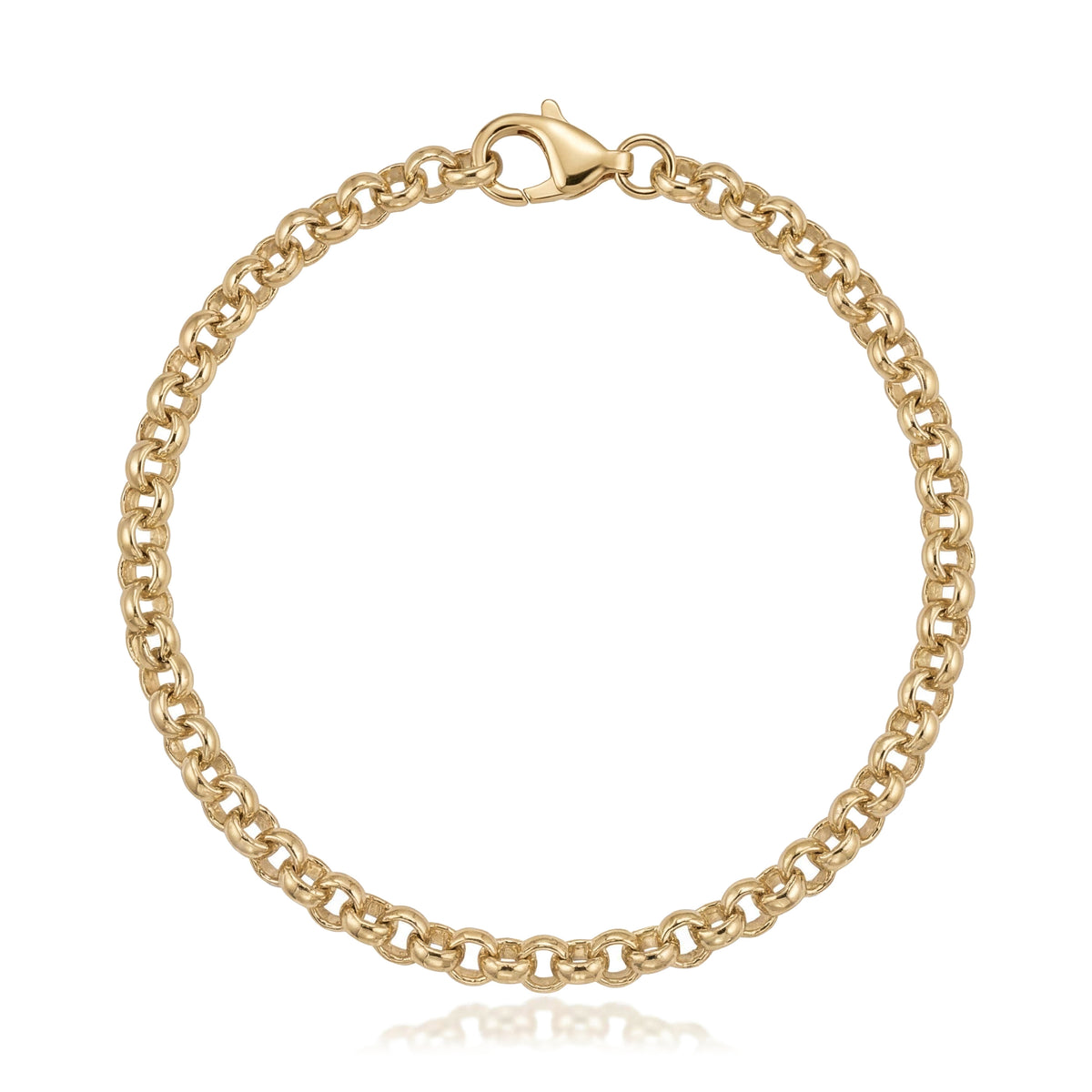
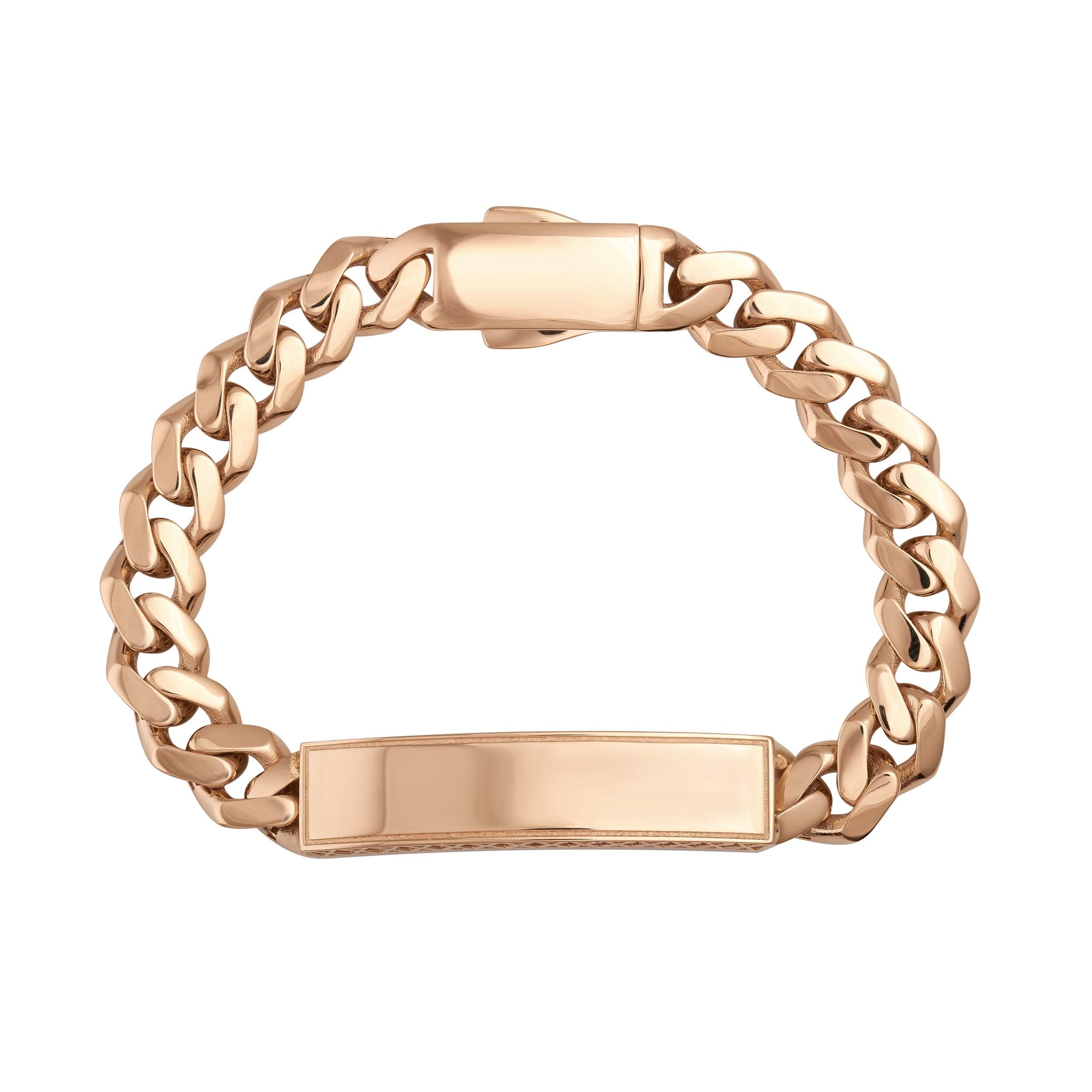
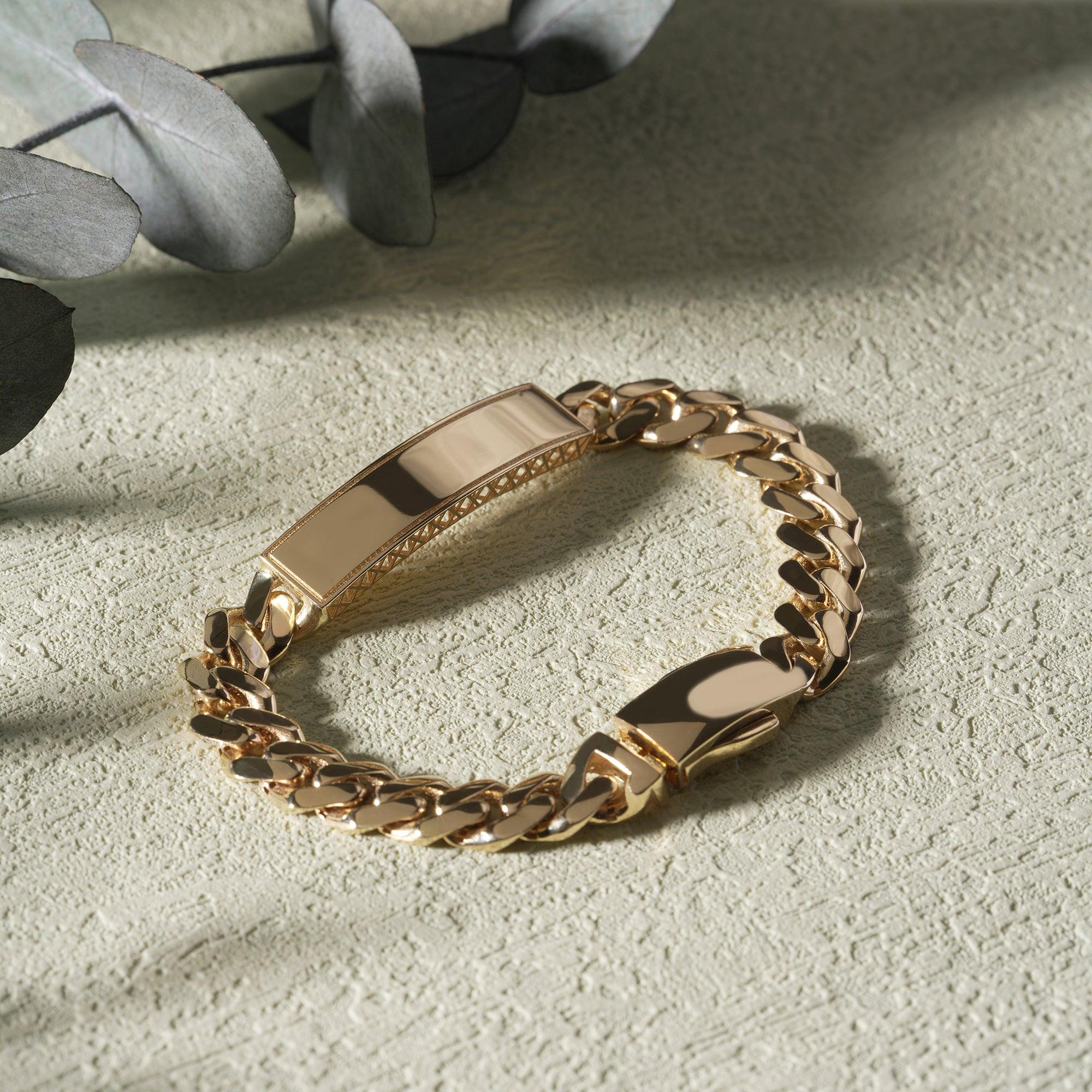
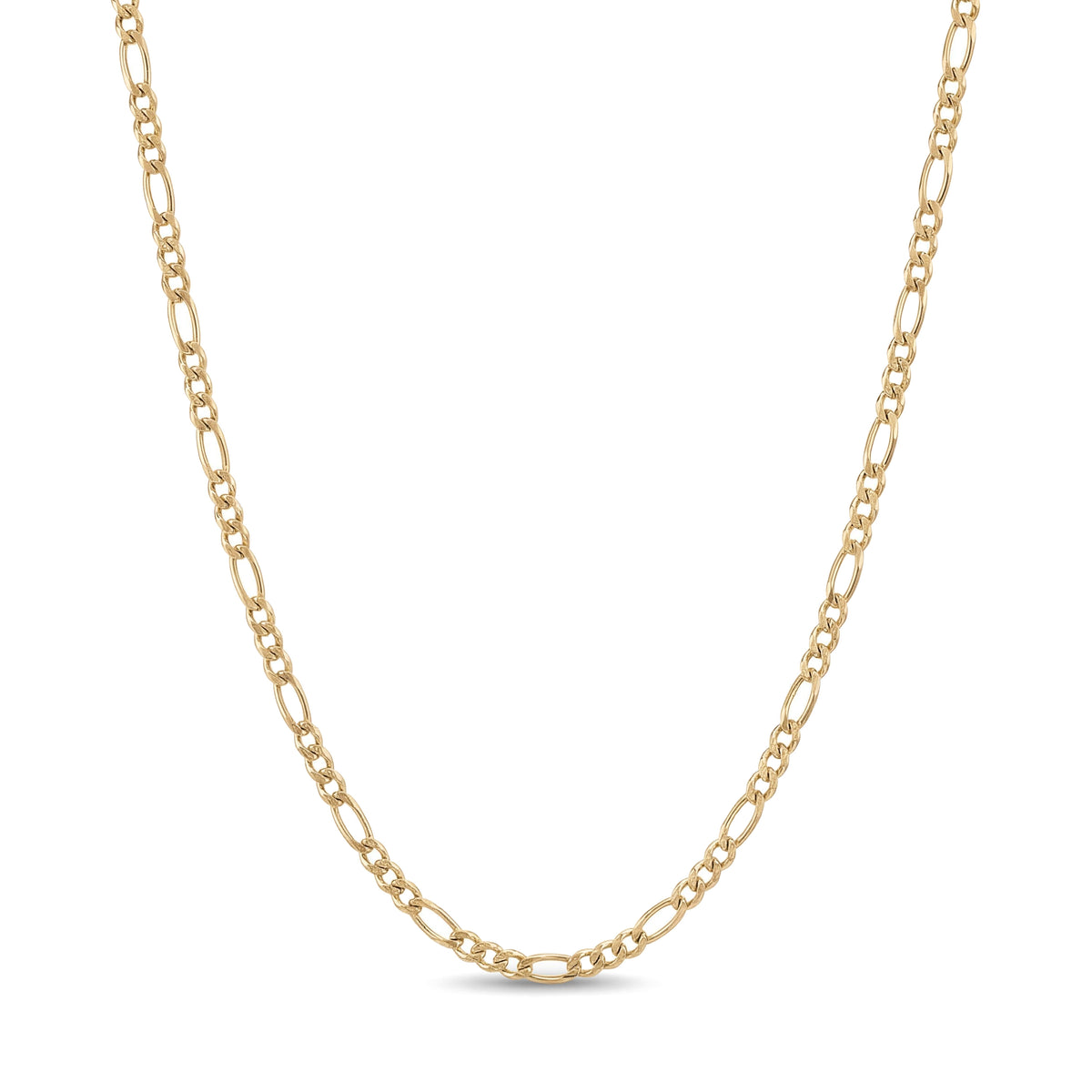
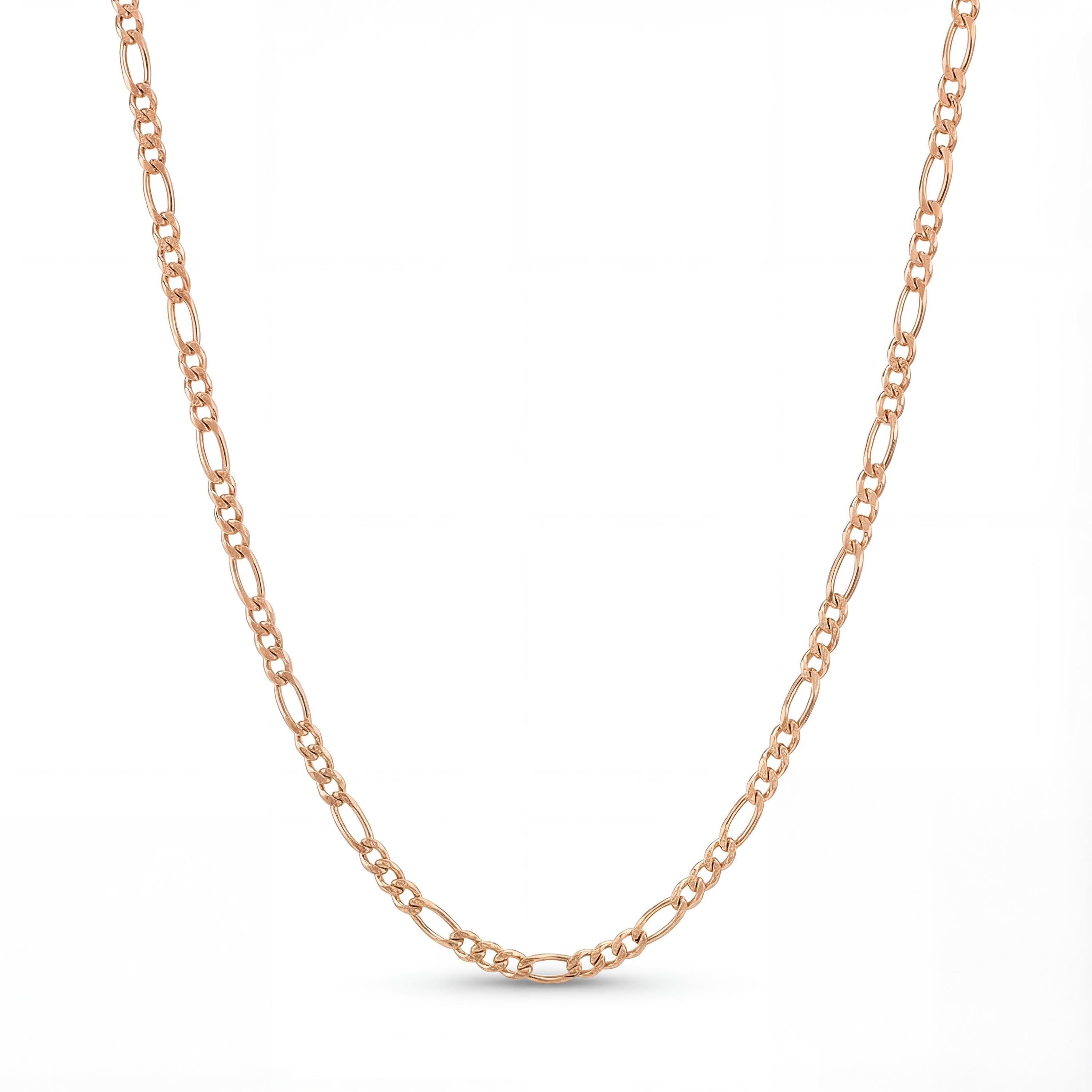
Solid 14k gold is tough. Rings, chains, huggies, and studs made from solid gold hold up to repeated ultrasonic cycles. Cubic zirconia set with prongs is generally fine too. The stone is locked in mechanically, not glued, so the vibration doesn't disturb it.
Skip the ultrasonic cleaner for pearls, opals, and any stone set with glue rather than prongs. Vibration can loosen a glued bond. It can also dull a soft stone's surface over time.
If you're not sure how a piece is set, hand-wash it instead. Save the machine for solid metal. A quick look with a loupe or a jeweler's opinion clears up most doubts.
Not sure why a piece looks dull even after a good cleaning? Our guide on why gold jewelry fades covers the most common causes, from lotion buildup to worn plating.
Jewelry stores with a professional cleaning counter often run a best professional ultrasonic jewelry cleaner next to a steam unit. They switch tools based on the piece. A home tank doesn't need to do both jobs. The ultrasonic side alone covers most solid gold jewelry.

How to Clean Gold Jewelry in an Ultrasonic Cleaner
Once you know a piece is safe for the machine, the process itself is quick. Most people run a cycle once every few weeks. Some run one whenever a ring starts looking dull under normal light.
- Fill the tank with warm water and one drop of mild dish soap.
- Lay pieces flat with space between them so they don't knock together.
- Run one short cycle, three to five minutes for everyday-wear pieces.
- Lift the basket out and rinse each piece under warm running water.
- Dry immediately with a soft cloth so no water spots form.
Frequently Asked Questions
Do ultrasonic jewelry cleaners really work?
Yes, for the right jewelry. The sound waves reach into settings and links a cloth can't. Most solid gold pieces come out visibly brighter after one short cycle. They work less well on heavy, caked-on residue that needs a soak first.
What is the best ultrasonic jewelry cleaner machine?
The best machine is the one sized for what you actually clean. Look for a 20oz-plus tank, a timer between three and eight minutes, and a removable basket. Beyond that, extra modes matter less than a good fit for your jewelry box.
What is the best at-home ultrasonic jewellery cleaner?
For home use, a compact countertop tank with a digital timer and a stainless steel basin is enough. A professional-size unit isn't necessary unless you're cleaning jewelry for other people.
Can you clean cubic zirconia in an ultrasonic cleaner?
Cubic zirconia set with prongs typically handles ultrasonic cleaning well. The stone is held mechanically, not glued. If the stone is glued into place, hand-wash it with soap and water instead.
How often should you run an ultrasonic cleaner on gold jewelry?
Every few weeks is plenty for pieces you wear daily. Cleaning more often adds wear without adding shine. That's especially true on gold-plated pieces, since their surface layer is thinner.
The Bottom Line
An ultrasonic cleaner is worth it if you wear solid gold jewelry often. It's a fast way to keep pieces bright between wears. Pick one sized for your jewelry box.
Skip it for glued or delicate stones. Rinse and dry every piece right after. That last step matters as much as the cycle itself.
Want jewelry that's easy to keep clean in the first place? Browse our Best Sellers collection for solid 14k gold pieces made to hold up to everyday wear.




Share:
How to Polish Copper Jewelry: Easy At-Home Method
Citrine Stone: Meaning, Price & How to Wear It