


Shopping for an engagement ring usually starts with one question. What style is actually "you"? The word "type" can mean the setting, the band, or the stone shape. That mix of terms is what makes the search feel confusing.
This guide breaks down the most requested types of engagement rings in plain terms. You'll learn what each style actually is, how it wears day to day, and why it costs what it costs.
- Ring "type" almost always means the setting style, like solitaire, halo, three-stone, vintage, or bezel, not just the center stone.
- A halo setting makes a smaller center stone look bigger, while a bezel setting wraps metal around the stone to protect it during daily wear.
- The right style depends on how the ring gets worn every day, not just how it looks in a photo.
How "Type" Breaks Down
When people search for types of engagement rings, they're usually mixing up three different choices. Those are the setting, the stone shape, and the band. Each one changes the look on its own.
The setting is how the metal holds the center stone in place. This is where names like solitaire, halo, and pavé come from. It's the part most engagement ring style names actually describe.
The stone shape is separate from the setting. Round, oval, cushion, pear, and emerald-cut are shapes, not settings. Any of them can sit inside almost any setting, so a cushion-cut stone works in a halo just as well as a round one does.
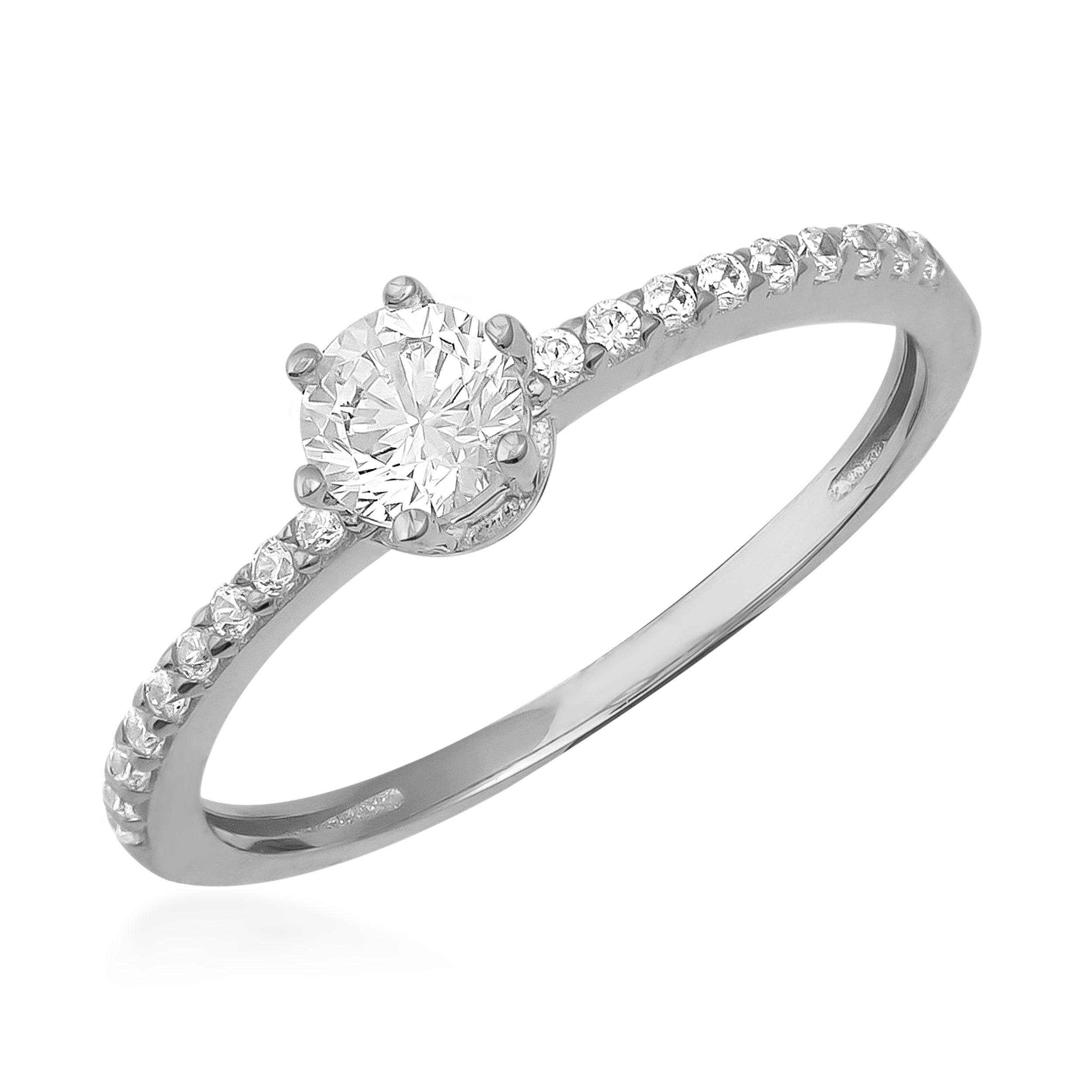
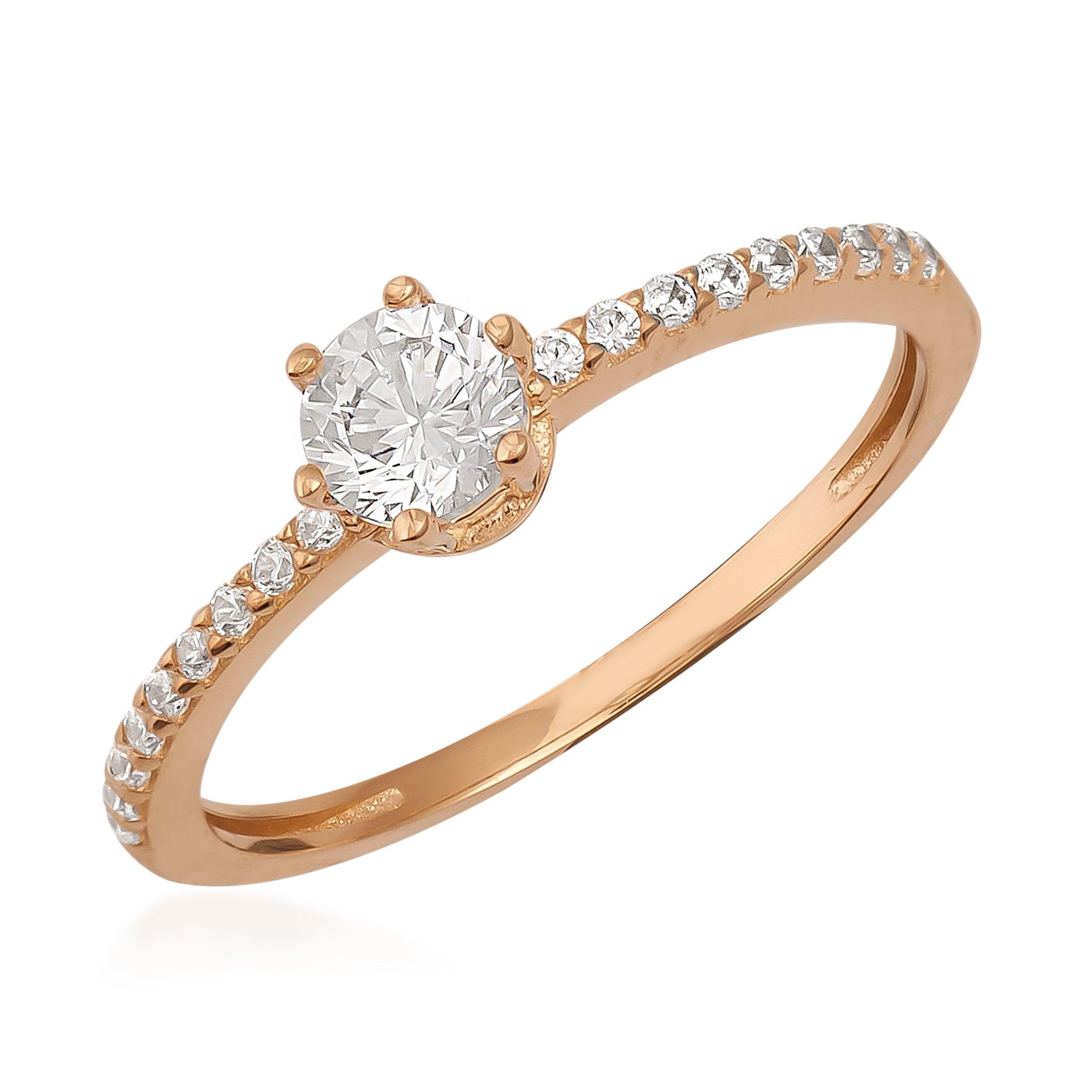
The band is the third piece. It can be a plain solid band, a pavé band lined with tiny accent stones, or a split shank that divides into two thinner strips near the setting. Metal color layers on top of all three choices, usually yellow, white, or rose 14K gold. If you're torn between tones, our guide to white, yellow, and rose gold breaks down how each one wears over time.
Once you know these three parts, every style name on this list will make a lot more sense.
Solitaire Rings
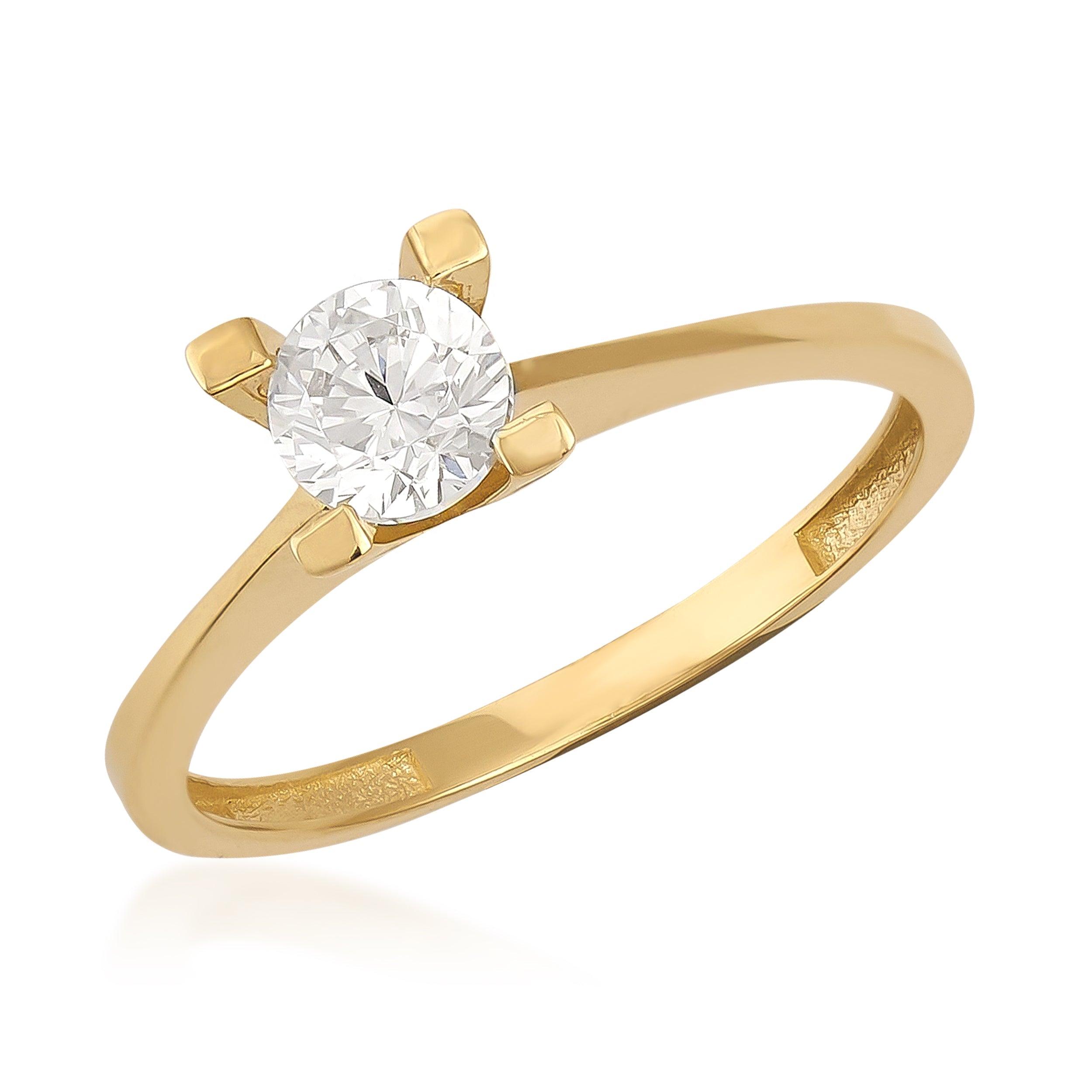
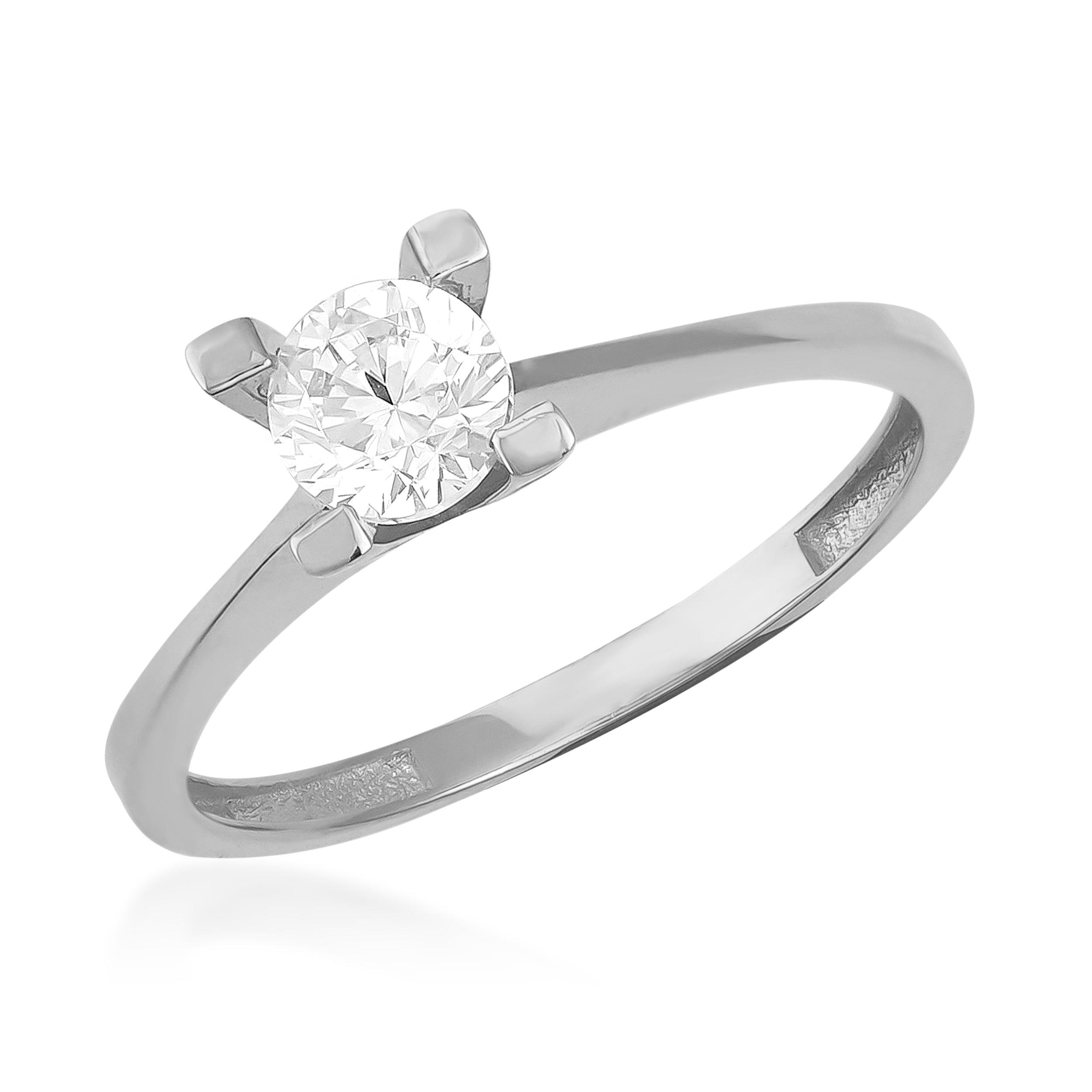
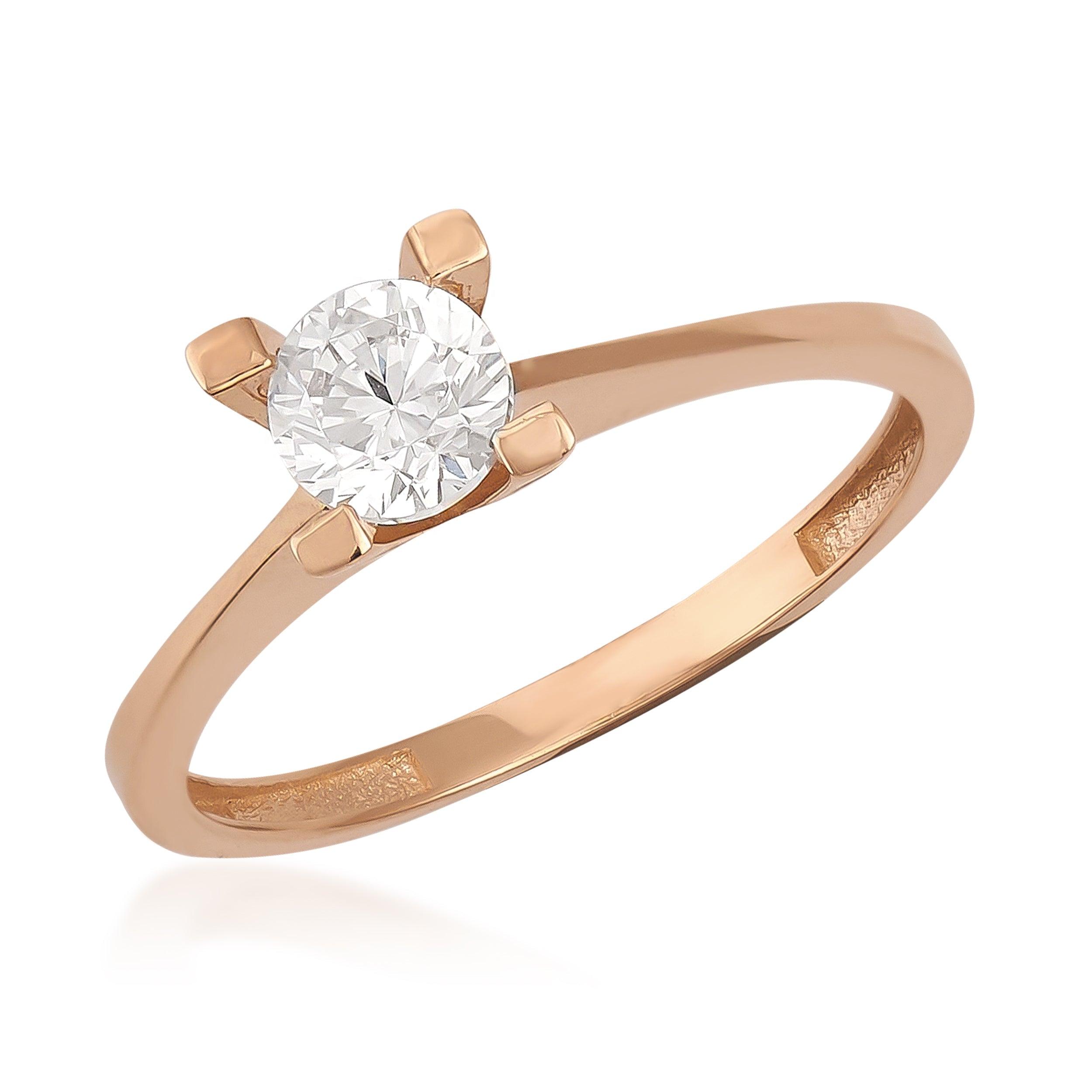
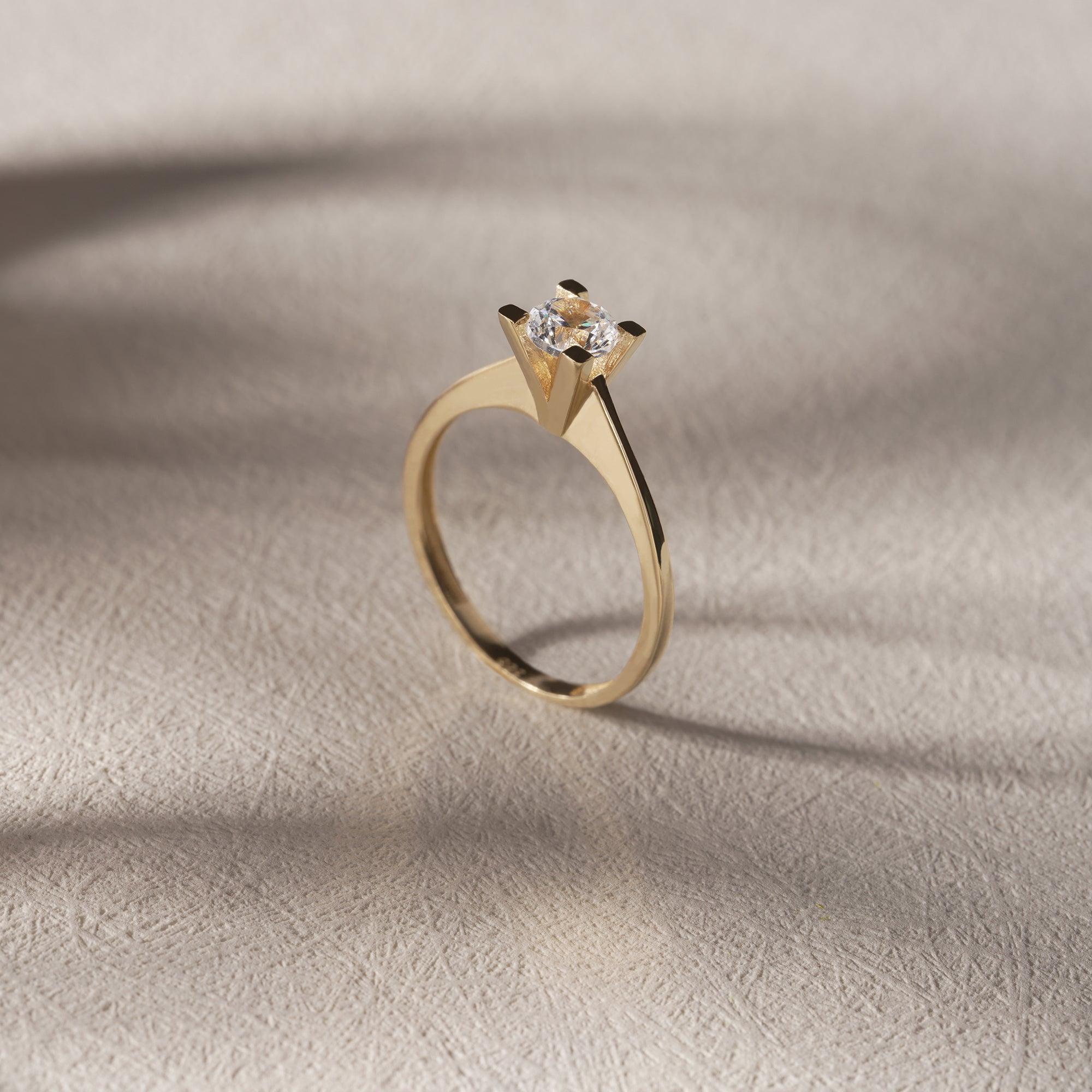
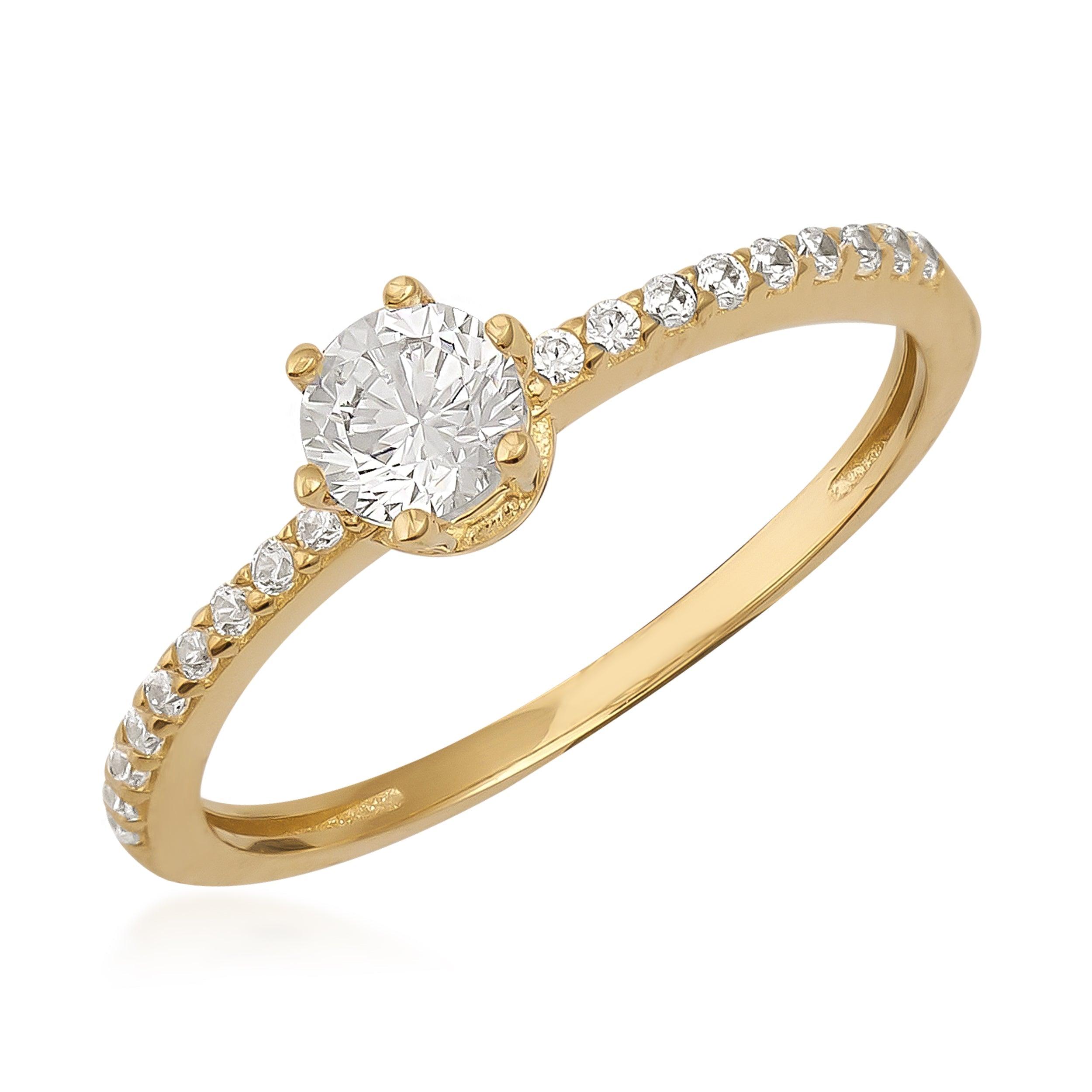
A solitaire is the simplest and most requested style. One center stone sits alone on a plain or lightly detailed band, with nothing pulling focus away from it.
People choose solitaires because they age well. The look doesn't tie itself to a passing trend. It also pairs cleanly with almost any wedding band later on.
Solitaires tend to be easy to clean and inspect. There's only one stone and a small number of prongs to check for wear over time. Our guide to spotting real gold covers what to check on any solid gold ring, solitaire or not.
Halo Rings
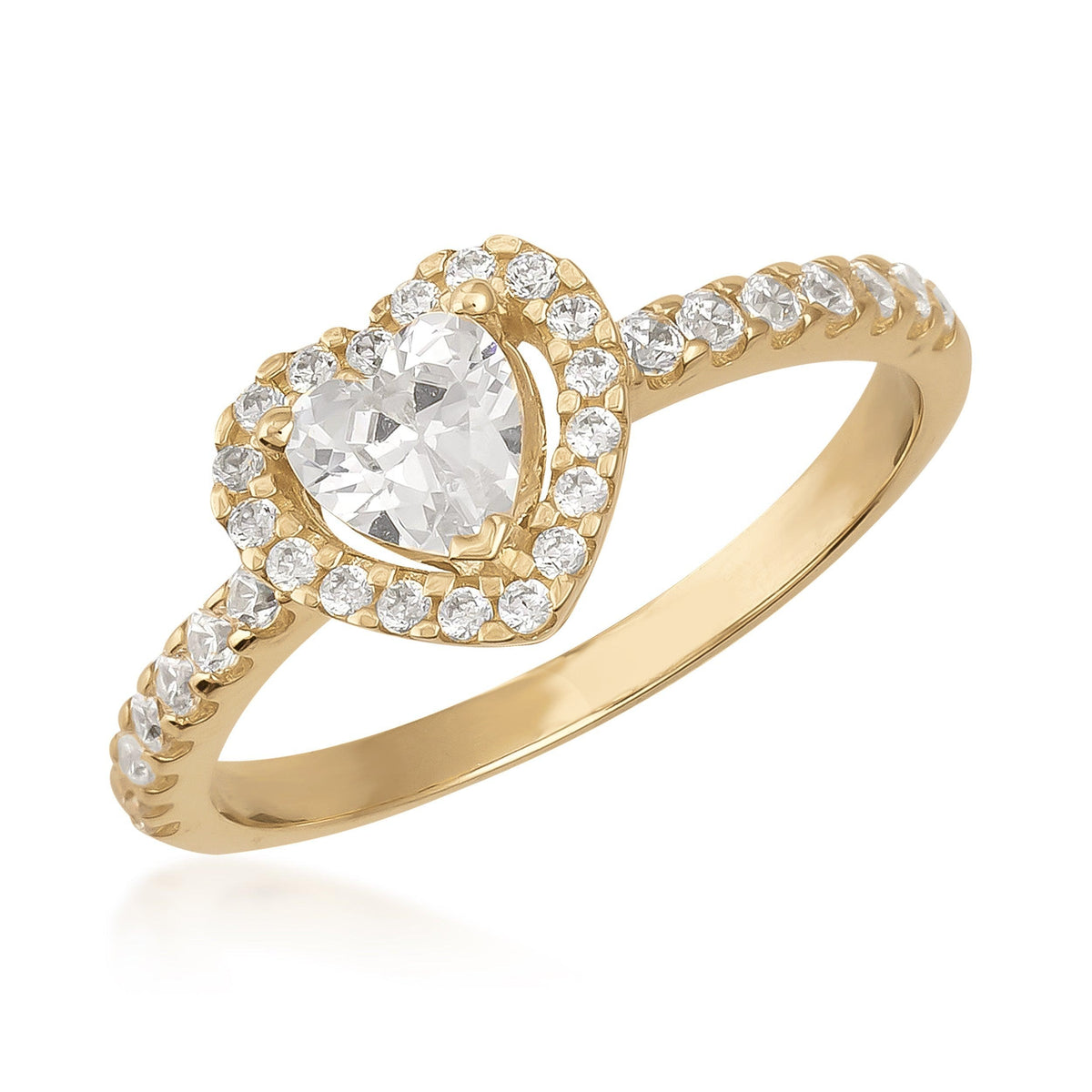
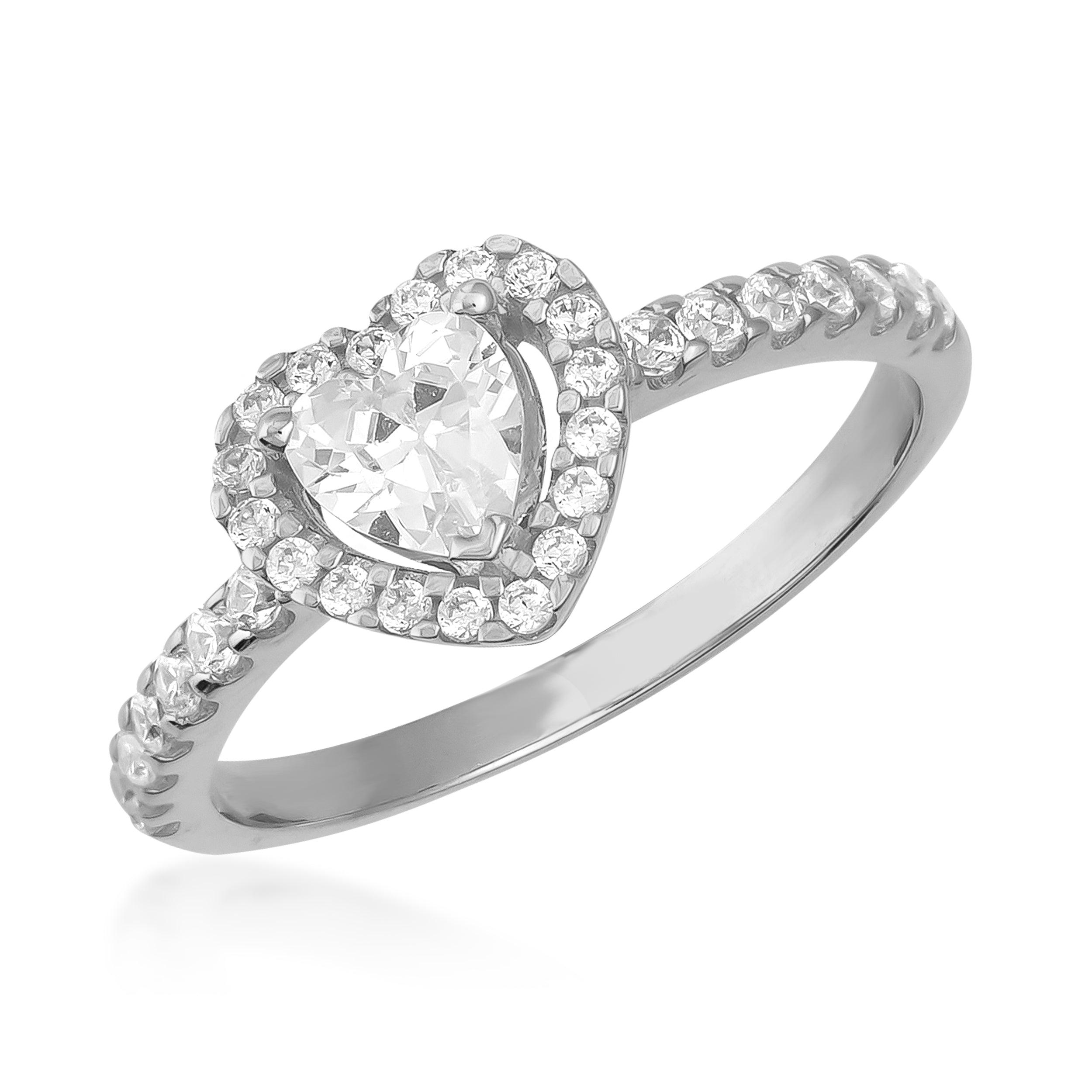
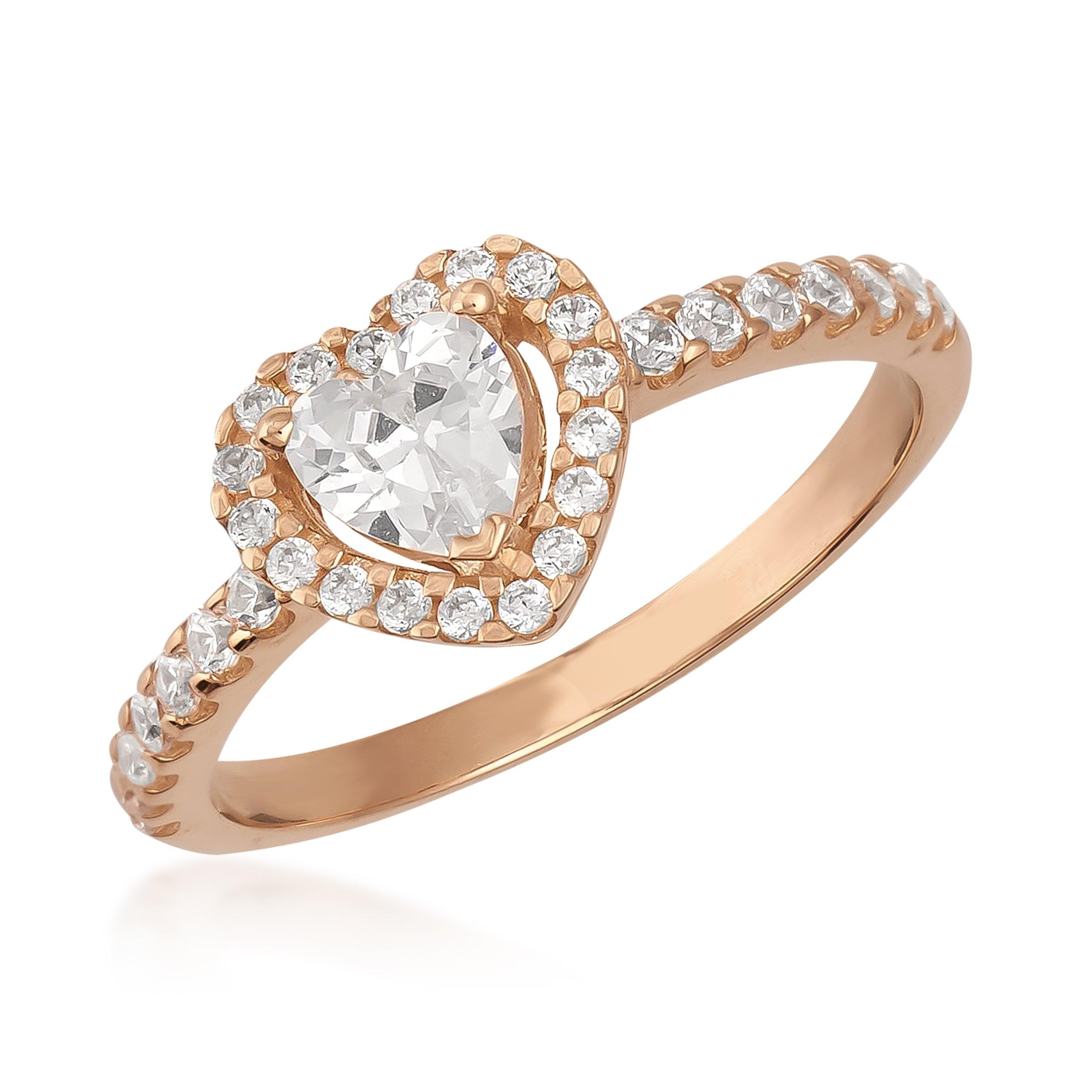
A halo setting surrounds the center stone with a ring of smaller accent stones. From a few feet away, the two blend into one larger shape.
This is the go-to pick when someone wants a bigger look without the size or cost of a large single stone. The accent stones do a lot of visual work for their size.
Halo rings also catch more light than a plain solitaire. Every small stone around the edge adds its own sparkle, so the whole ring looks livelier under indoor light.

Three-Stone Rings
A three-stone ring sets a larger center stone between two smaller side stones. The arrangement is one of the oldest engagement ring style names still in wide use today.
Many couples like the built-in symbolism of three stones side by side. It's often read as past, present, and future, a meaningful layout without needing any added detail.
Side stones can be round, baguette, or trillion-cut. Each shape changes how formal or modern the ring reads, so it's worth trying a few combinations before deciding.
Vintage, Pavé, and Bezel Styles
Vintage-inspired rings borrow details from earlier decades. Think milgrain edging, filigree metalwork, or a slightly cushioned band shape. They suit anyone who wants a ring that feels collected rather than brand new.
Pavé rings line the band with small stones set close together, so the metal barely shows between them. This adds sparkle along the whole ring, not just at the center.
A bezel setting wraps a thin rim of metal fully around the stone's edge, instead of holding it up with prongs. It sits lower against the finger. That lower profile shields the stone's edge from daily knocks, which makes it a strong pick for hands-on work or an active routine.

Engagement Ring Types at a Glance
Here's a quick engagement ring styles chart to compare the options side by side before you shop.
| Style | Best for | Everyday wear |
|---|---|---|
| Solitaire | Timeless, low-maintenance look | Easy to clean and inspect |
| Halo | A bigger look for less | Slightly more surface to catch on fabric |
| Three-stone | Meaningful, symmetrical design | Moderate, depends on side-stone shape |
| Vintage / pavé | Detailed, collected style | Needs regular cleaning between stones |
| Bezel | Active hands, hands-on work | Very durable, low-snag profile |
There's no single best answer among these types of engagement ring stones and settings. The right pick just matches your daily routine and your taste.
Choosing the Right Type for You
Start with your hands, not the catalog. If you work with your hands often, a bezel or a low solitaire will survive daily bumps better than a tall halo.
Think about your existing jewelry, too. Someone who already wears vintage-style pieces will likely gravitate toward milgrain and filigree details, while a minimalist wardrobe usually points toward a clean solitaire.
Budget matters, but it doesn't have to dictate style. A halo can make a smaller stone read larger, and pavé accents add sparkle without needing a bigger center stone at all.
Finally, picture the ring next to a wedding band. Some settings, like a wide halo or an ornate vintage design, need a plain band beside them so the pairing doesn't look too busy.
Frequently Asked Questions
Is $4000 a lot for an engagement ring?
It depends entirely on your own budget, not a fixed rule. A made-to-order solid 14K gold ring set with cubic zirconia costs far less than a mined-stone ring of the same look. That budget can go a long way toward the exact style you want.
What is the 3 month ring rule?
It's an old marketing phrase suggesting you spend three months of salary on a ring. It isn't a real requirement. Most couples today pick a number that fits their own budget instead.
What is the 2:1:1 rule in jewelry?
There's no standard, industry-wide "2:1:1 rule" for engagement rings. If you've seen it somewhere, treat it as one shopper's personal formula, not an official guideline. Focus on setting style, comfort, and budget instead.
What are the top 10 engagement rings?
There's no official top-10 list, since taste and budget vary so much. Solitaire, halo, three-stone, vintage-inspired, and bezel are the styles requested most often. Each one covers a wide range of looks on its own.
Can I get these ring styles with cubic zirconia instead of a mined stone?
Yes. Every style covered here, solitaire, halo, three-stone, vintage, pavé, and bezel, works just as well with a cubic zirconia center stone set in solid 14K gold.
The Bottom Line
Most types of engagement rings come down to three layered choices. That's the setting, the stone shape, and the band. Once you separate those, picking a style gets a lot simpler.
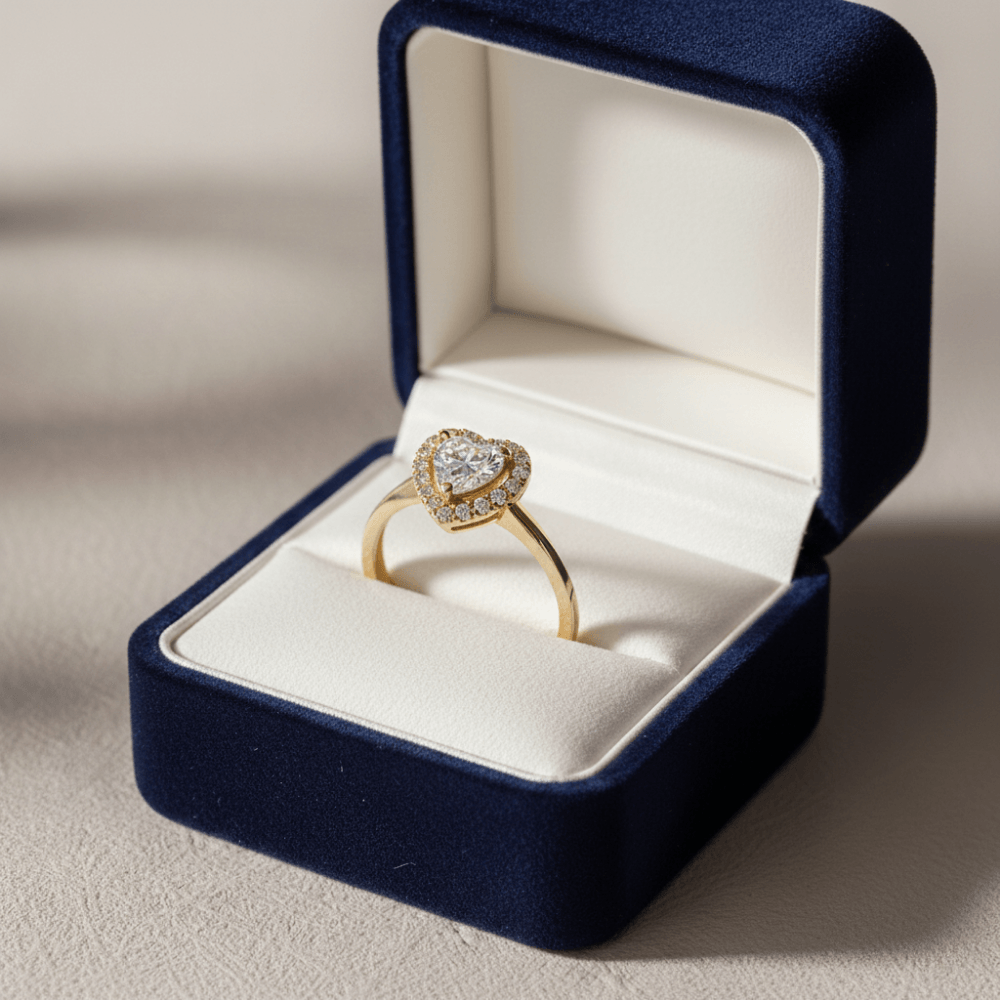
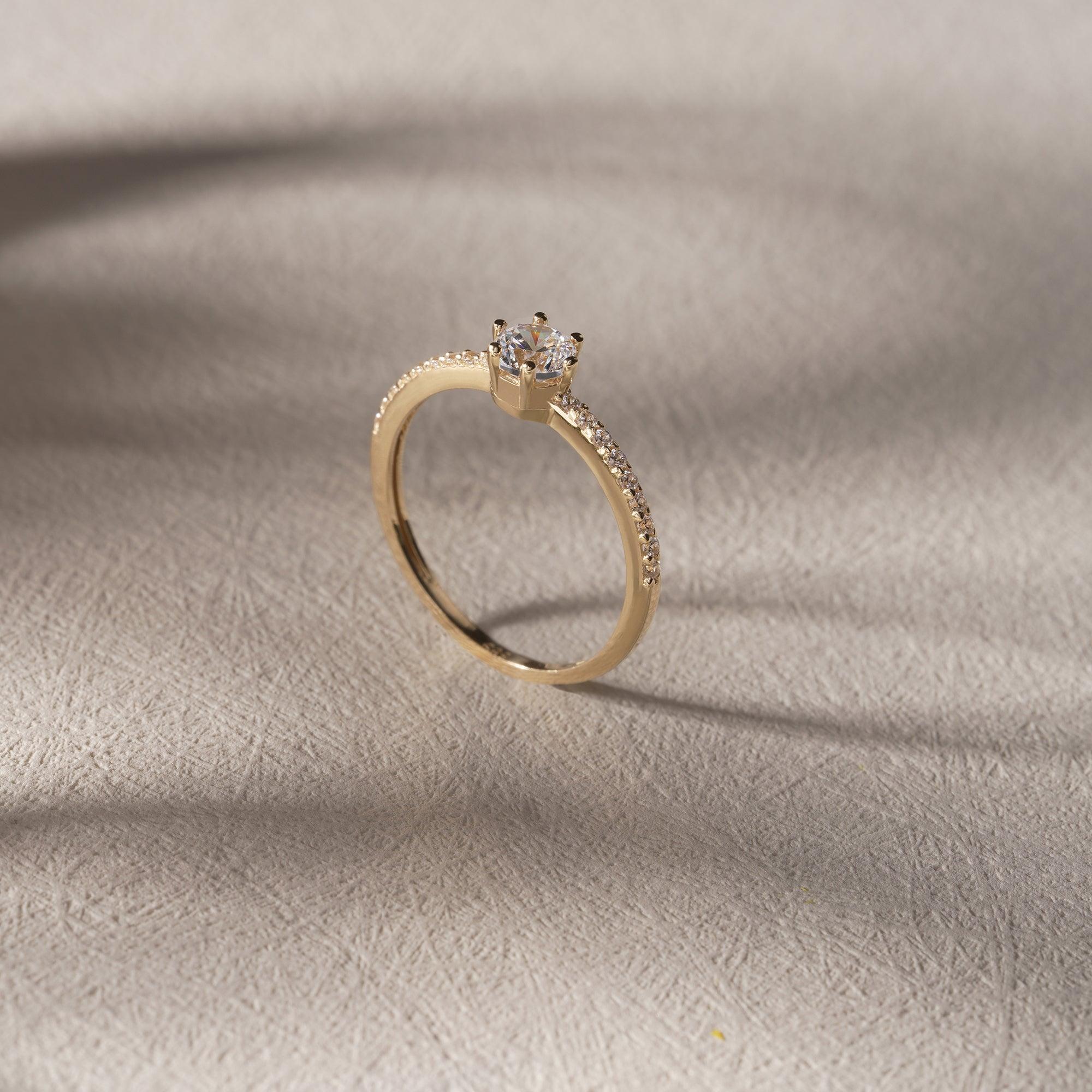
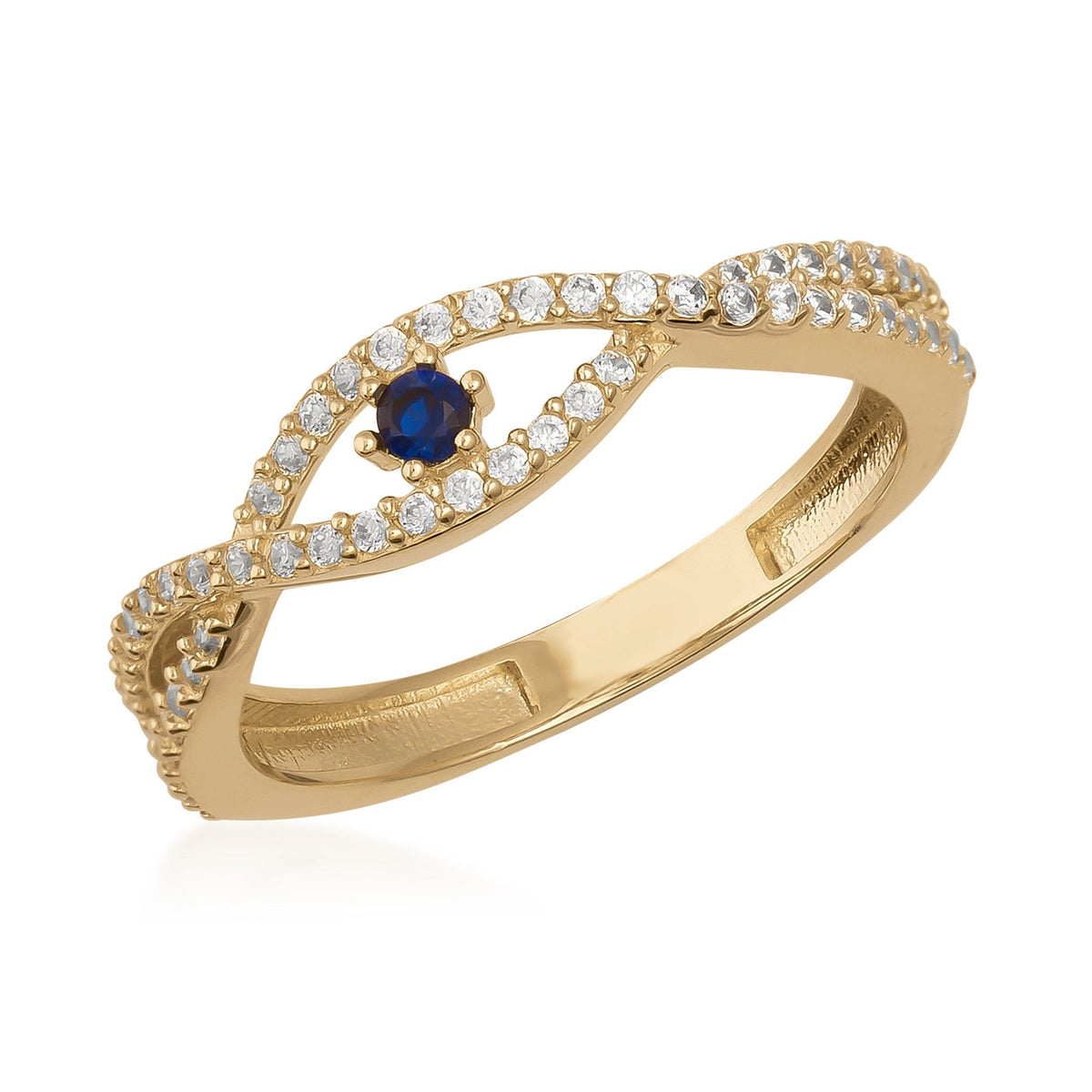
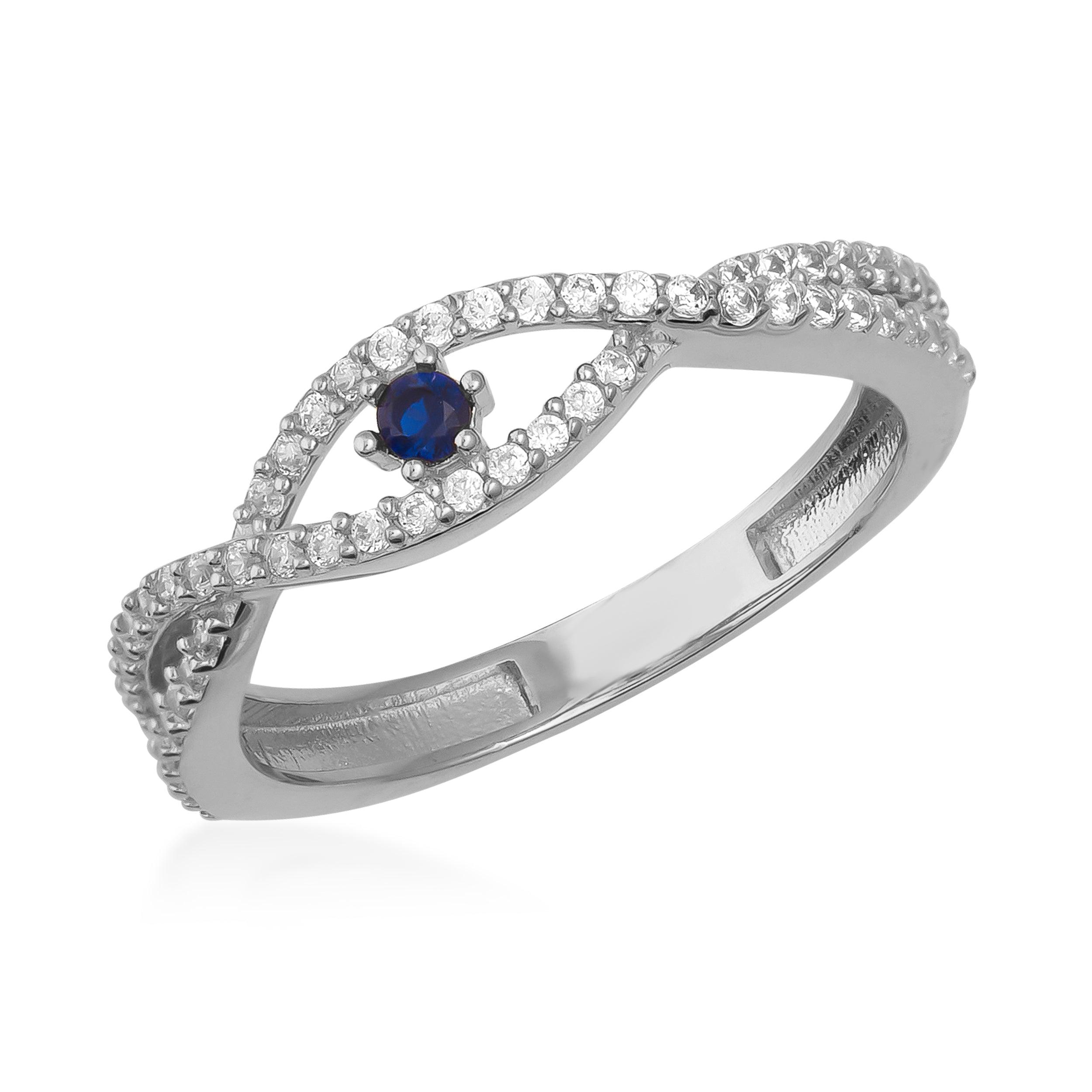
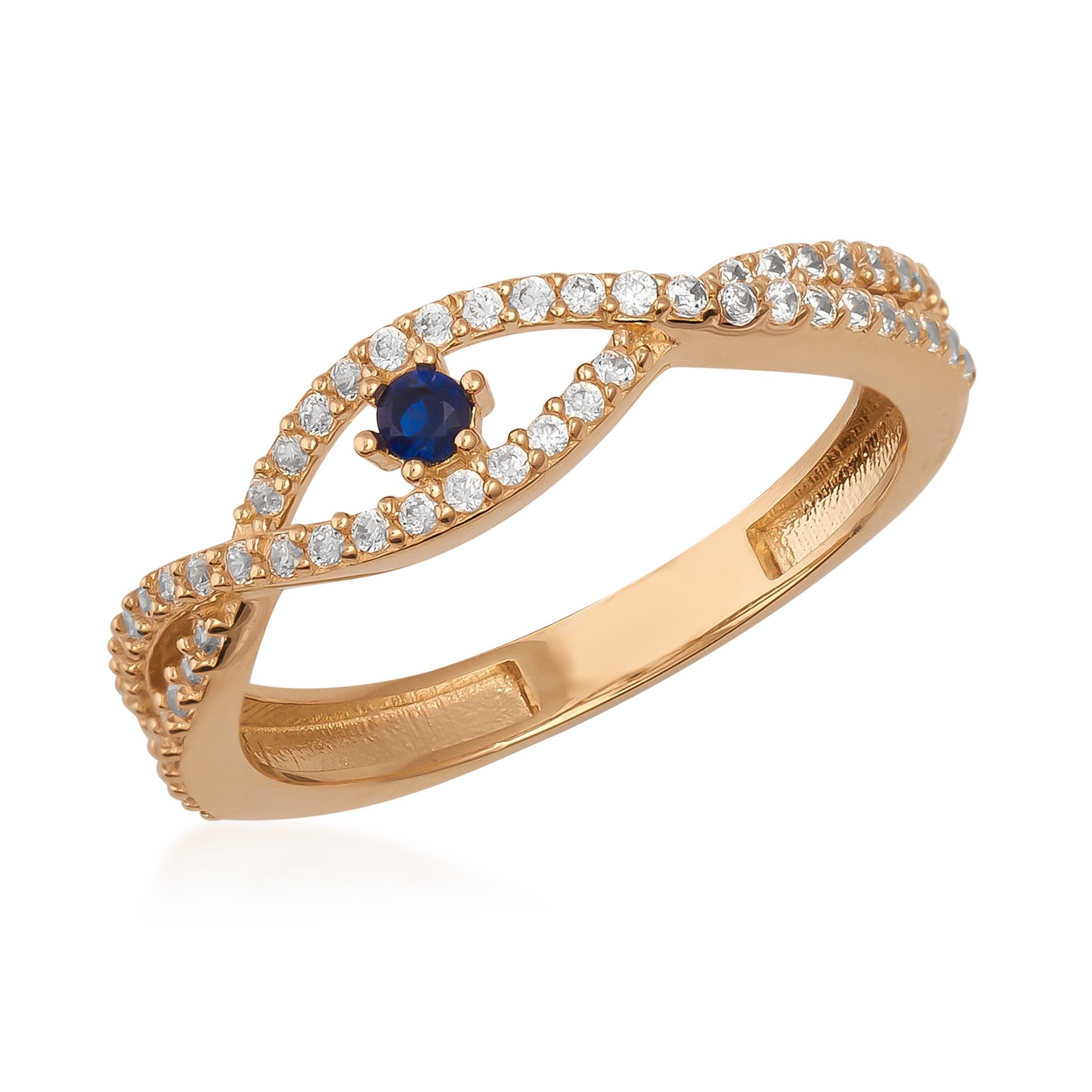
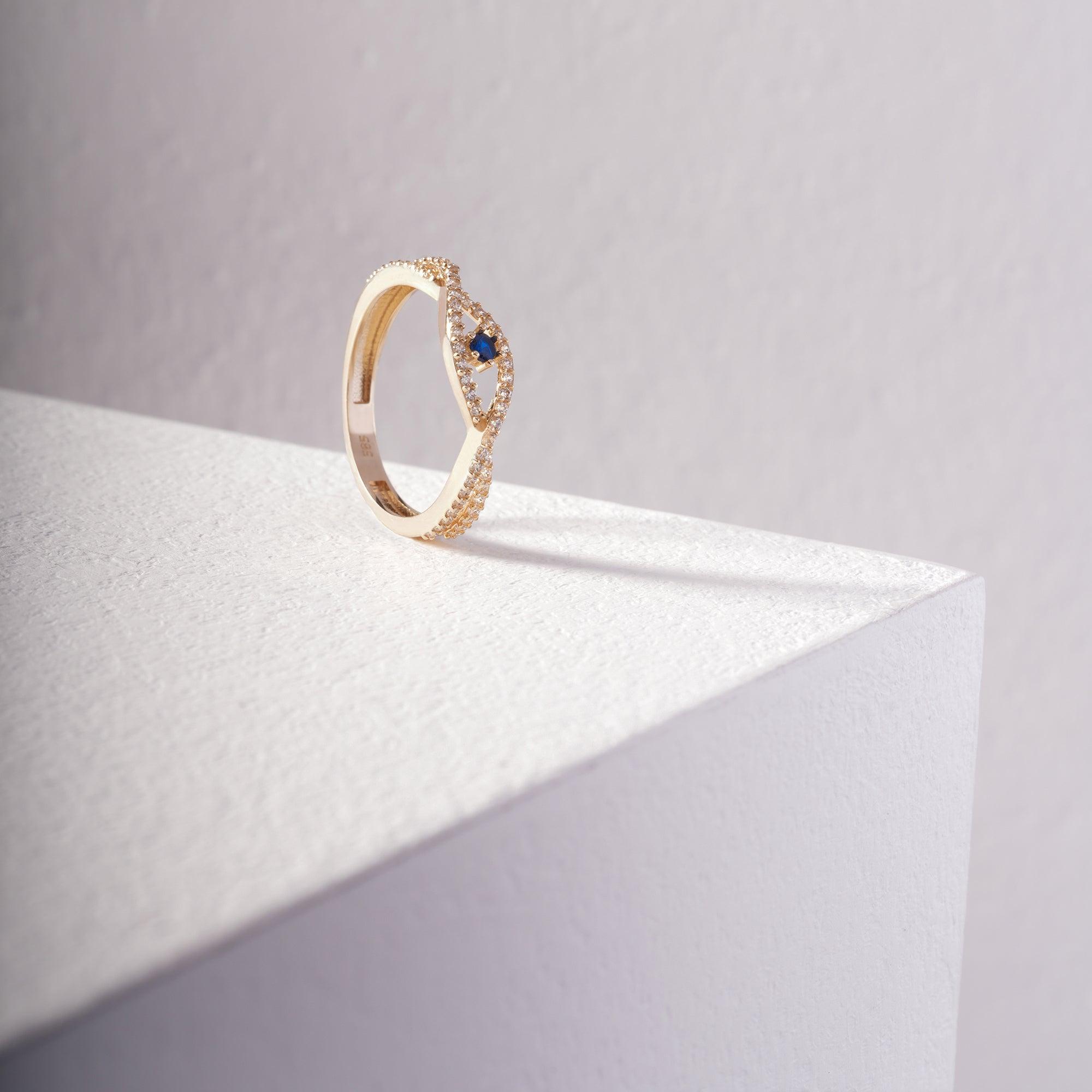
Every ring here can be made to order in solid 14K gold with a cubic zirconia center stone. Orders ship from New York for the US, or from Istanbul, Turkey for everywhere else. Browse the 14K Gold Rings collection to see these settings in person.


Share:
Earring Findings: Types, Materials, and How to Choose
How to Tie a Bracelet: A Simple Step-by-Step Guide