


Look at any pair of earrings and the "finding" is the small metal part that holds it to your ear. It is the post, the hook, the lever, or the wire. It is not the gem or the charm. It is just the working piece that does the job.
Earring findings decide how comfortable a pair feels. They decide how secure it stays. They decide whether it suits a fresh piercing or a stretched one. This guide covers every common type, what each is made of, and how to pick the right one for your ear.
- The finding is the post, hook, or wire that attaches an earring to your ear, separate from the design itself.
- Posts and butterfly backs suit studs. French hooks suit dangles. Leverbacks and huggie hinges hold heavier pieces securely.
- Solid 14K gold findings resist bending and fading far better than plated or base-metal ones.
What Earring Findings Are
A finding is any small functional part used to build a piece of jewelry. On a necklace, the clasp is a finding. On an earring, it is whatever passes through or hooks onto your earlobe.
Jewelry makers use the word "finding" for a simple reason. These are the parts you buy separately and "find" to complete a design. For someone who just buys earrings to wear, the term matters less. Knowing the names still helps you compare styles and understand what you are paying for.
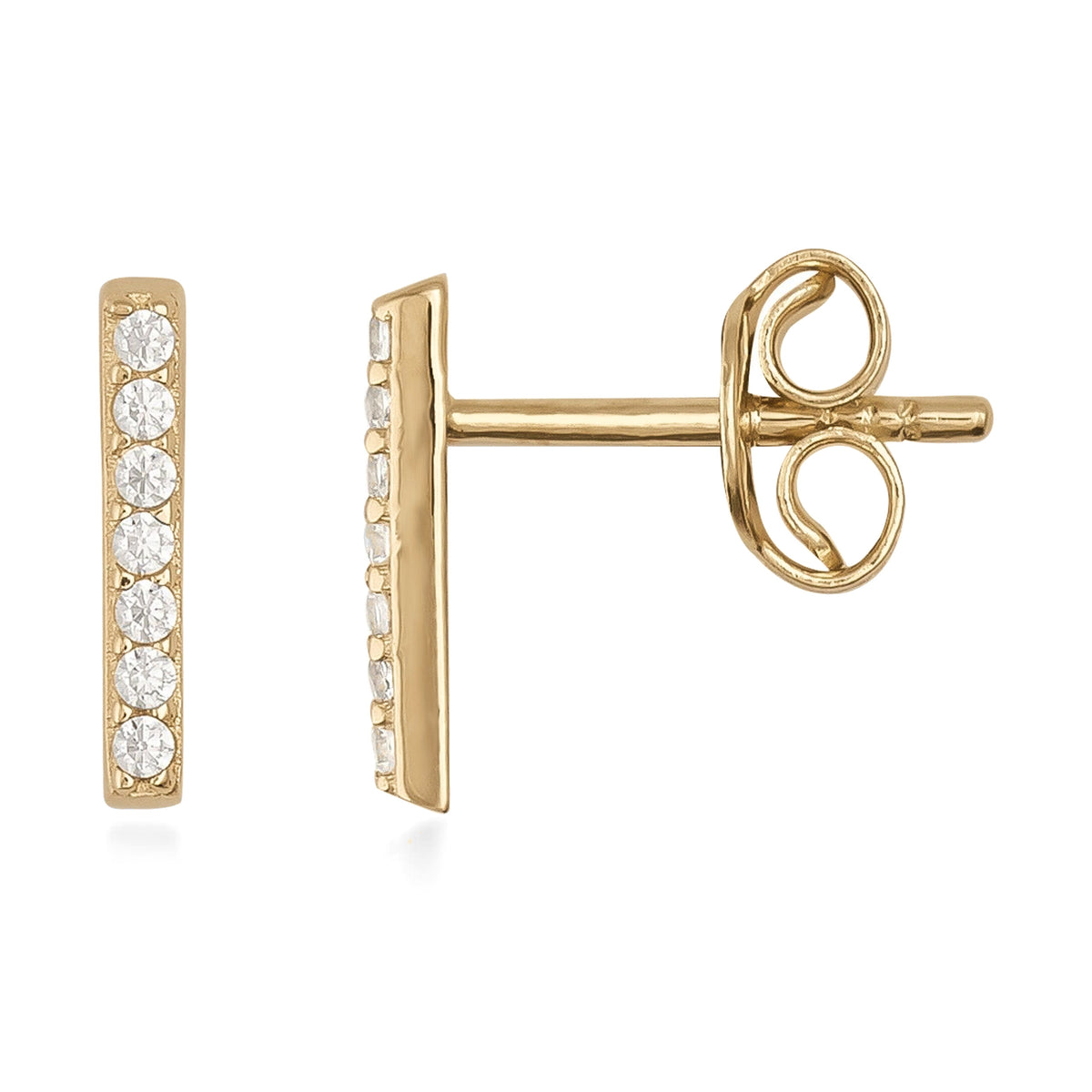
Every stud, hoop, or dangle earring you own relies on a finding. The gem or charm gets the attention. The finding is what actually keeps the earring on your ear all day.
Findings are not new. Jewelers have used posts, wires, and hooks for centuries, long before the word "finding" became common in supply catalogs. What has changed is the range of styles now available for everyday wear, from simple posts to hinged hoops that click shut in one motion.

Types of Earring Findings
Most earrings use one of a handful of standard finding types. Each suits a different earring style and piercing.
| Finding type | How it works | Best for |
|---|---|---|
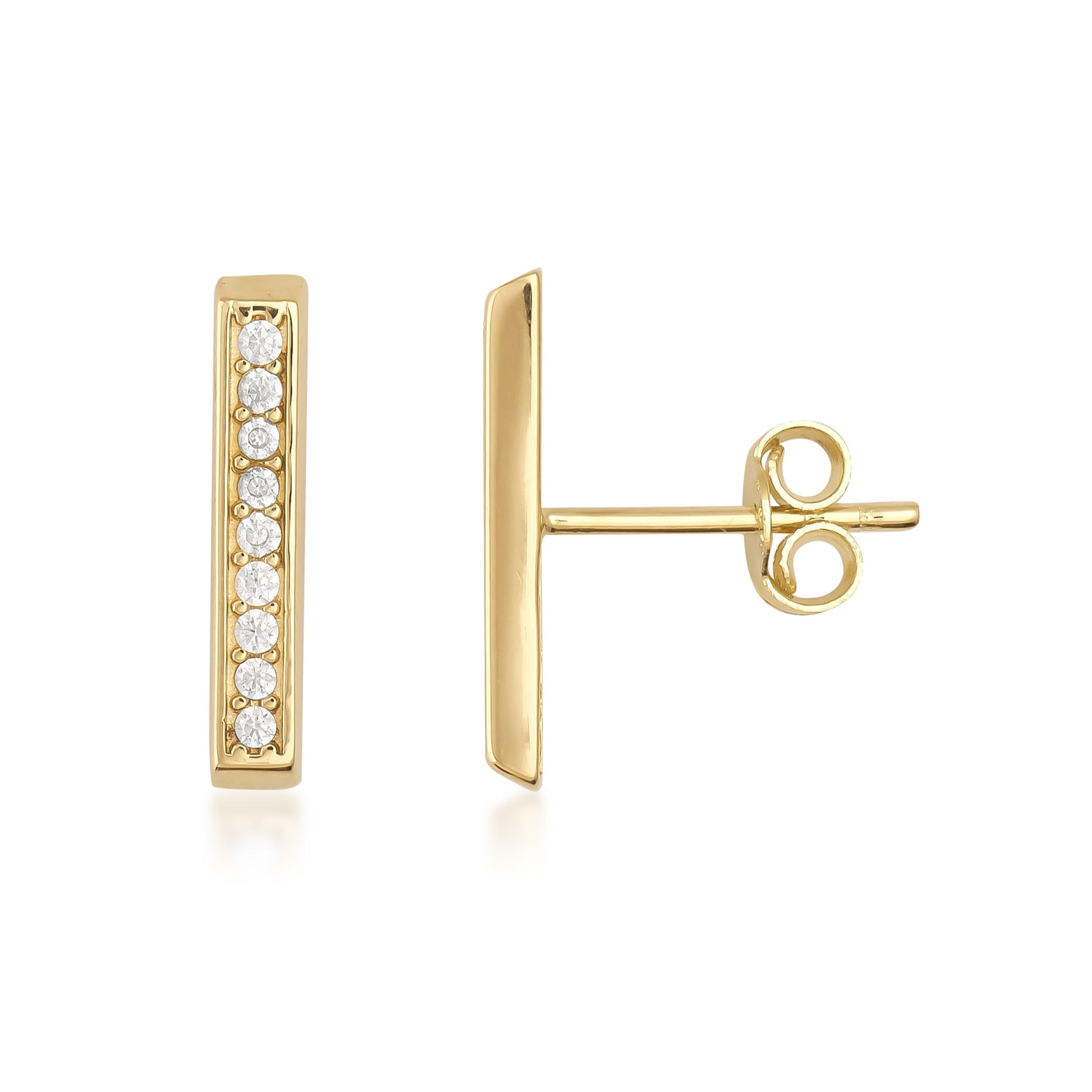
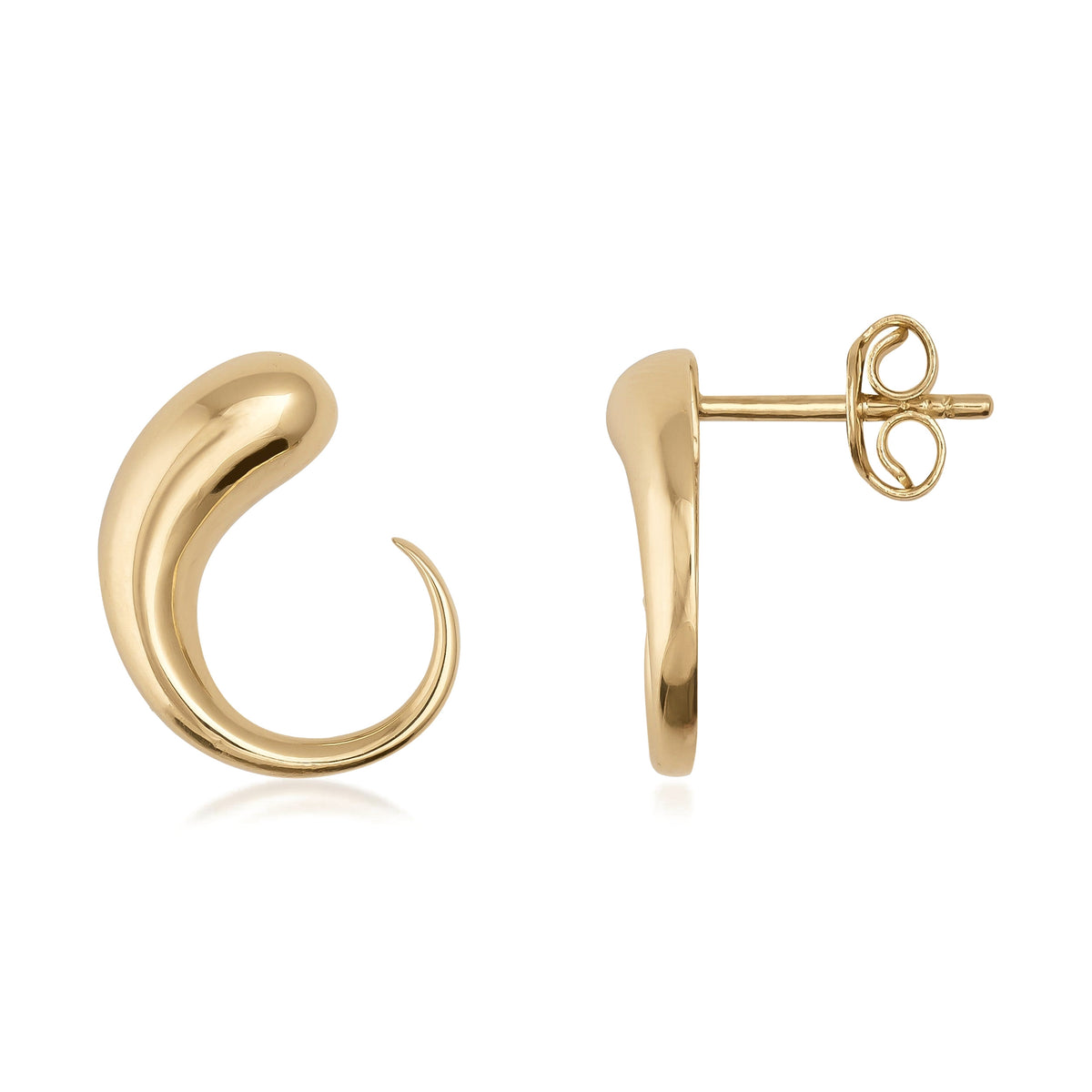
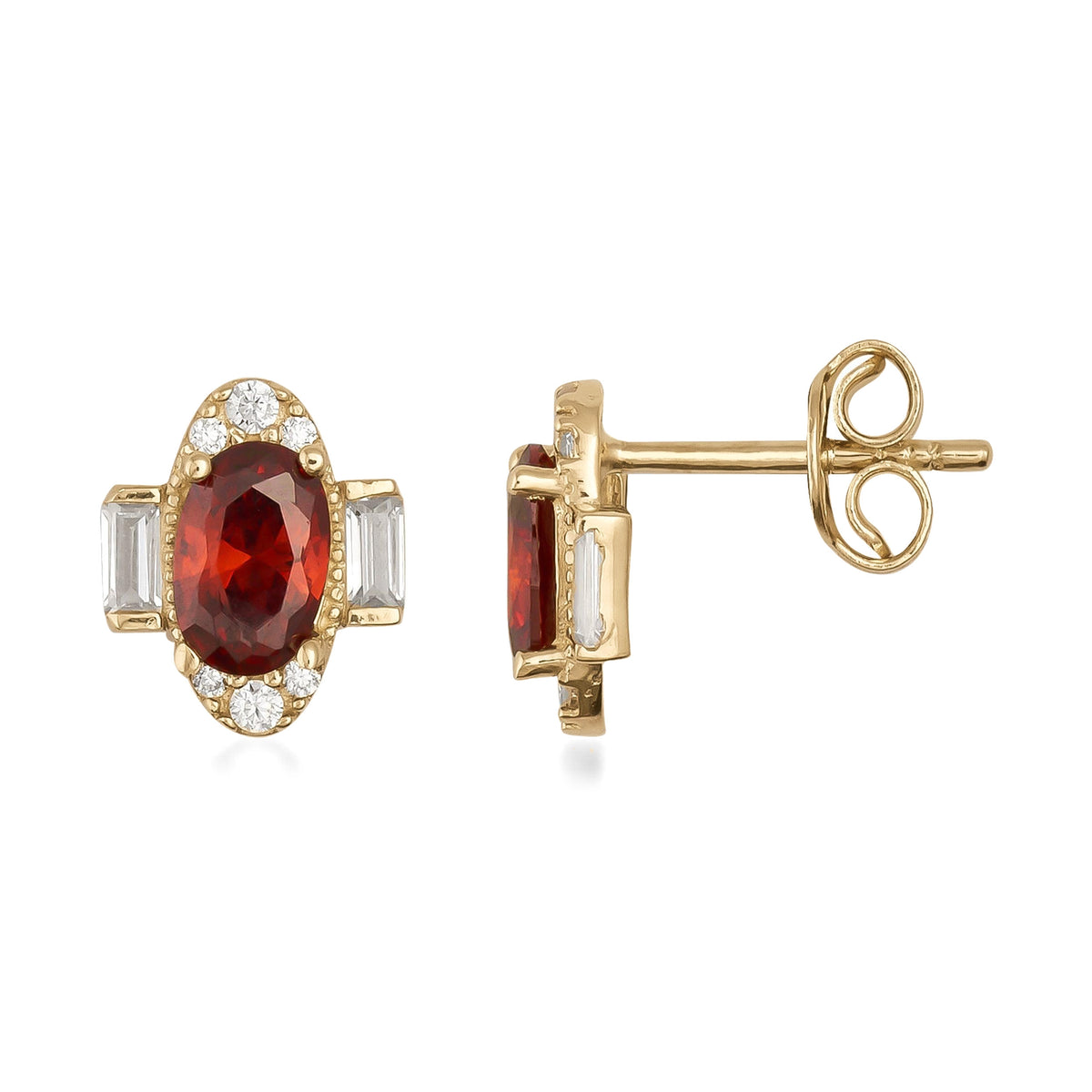
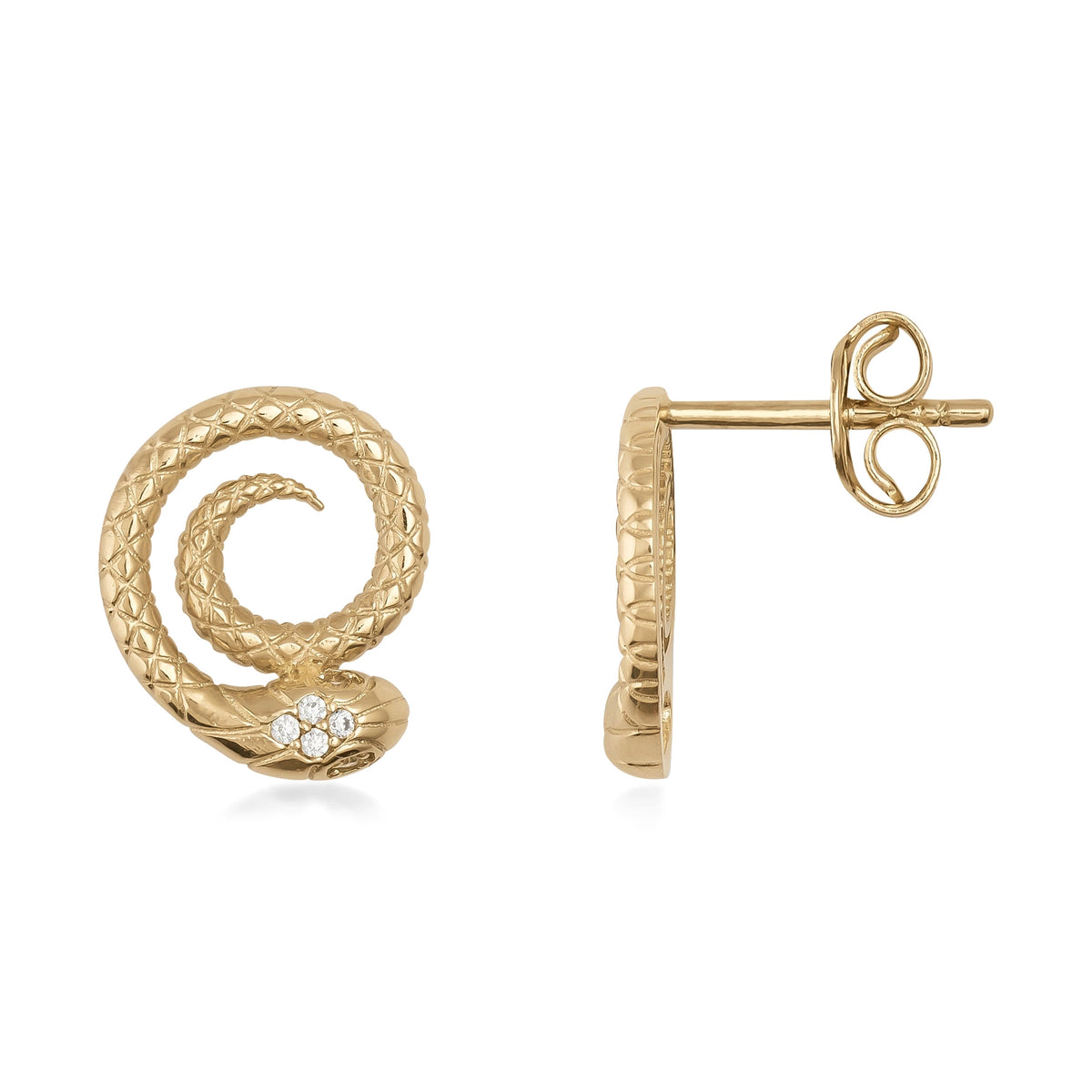
| Post and back | A straight post pushes through the lobe; a small disc or butterfly back snaps or screws on behind it | Stud earrings, everyday wear |
| French hook (ear wire) | A curved wire hangs through the piercing, open at the back | Dangle and drop earrings |
| Leverback | A hinged lever locks the wire closed behind the ear | Dangles that need extra security |
| Hoop wire (huggie or hinge) | A hinged or latch hoop clicks shut through the lobe | Hoops and huggies |
| Screw back | A threaded post twists into a matching back | Studs worn during sports or by kids |
| Clip-on | A spring or screw clamps onto the lobe with no piercing needed | Non-pierced ears |
Threader and jacket styles exist too, but they show up less often outside of fashion pieces. The six types above cover almost every earring you will find in a jewelry store.
Some earrings combine two finding types in one design. A dangle earring might use a post at the top and a small hinge lower down to keep the drop from swinging too far. This is common on longer statement pieces, where extra stability matters as much as style.
Materials and Why They Matter
Findings take more daily friction than any other part of an earring. They rub against skin. They catch on scarves. They get twisted every time you take earrings on and off.
Base-metal findings tarnish over time. They can turn skin dark and bend out of shape within months. Gold-plated findings wear thin at the exact points that touch your skin the most: the post and the back of the hook.
Solid 14K gold findings avoid this problem. The gold runs all the way through the metal, not just on the surface. At Golden Planet, every earring is made to order in solid 14K gold, including the post, hook, or hinge, so the finding ages the same way the rest of the piece does.
If you are ever unsure whether a piece is solid gold or plated, our guide on how to tell real gold from fake walks through simple checks you can do at home, including how the finding itself often gives it away first.

How to Choose the Right Finding
Start with how you plan to wear the earring. Studs for daily wear do best with a simple post and a secure butterfly or screw back. Statement dangles look better and stay put with a leverback instead of a plain hook.
Hoops and huggies need a finding built into the hoop itself. A hinged huggie clicks shut and sits close to the lobe. That is why the huggie style has become a daily-wear favorite alongside classic gold hoop earrings.
If you are active, choose screw backs or leverbacks over open French hooks. Open hooks can slip out during exercise or while pulling on a sweater. A locking finding stays closed until you open it on purpose.
Think about how often you change earrings, too. A screw back takes a few extra seconds to put on, which is a fair trade for a piece you rarely want to lose. A plain post is faster for earrings you swap daily.
Comfort, Fit, and Sensitive Ears
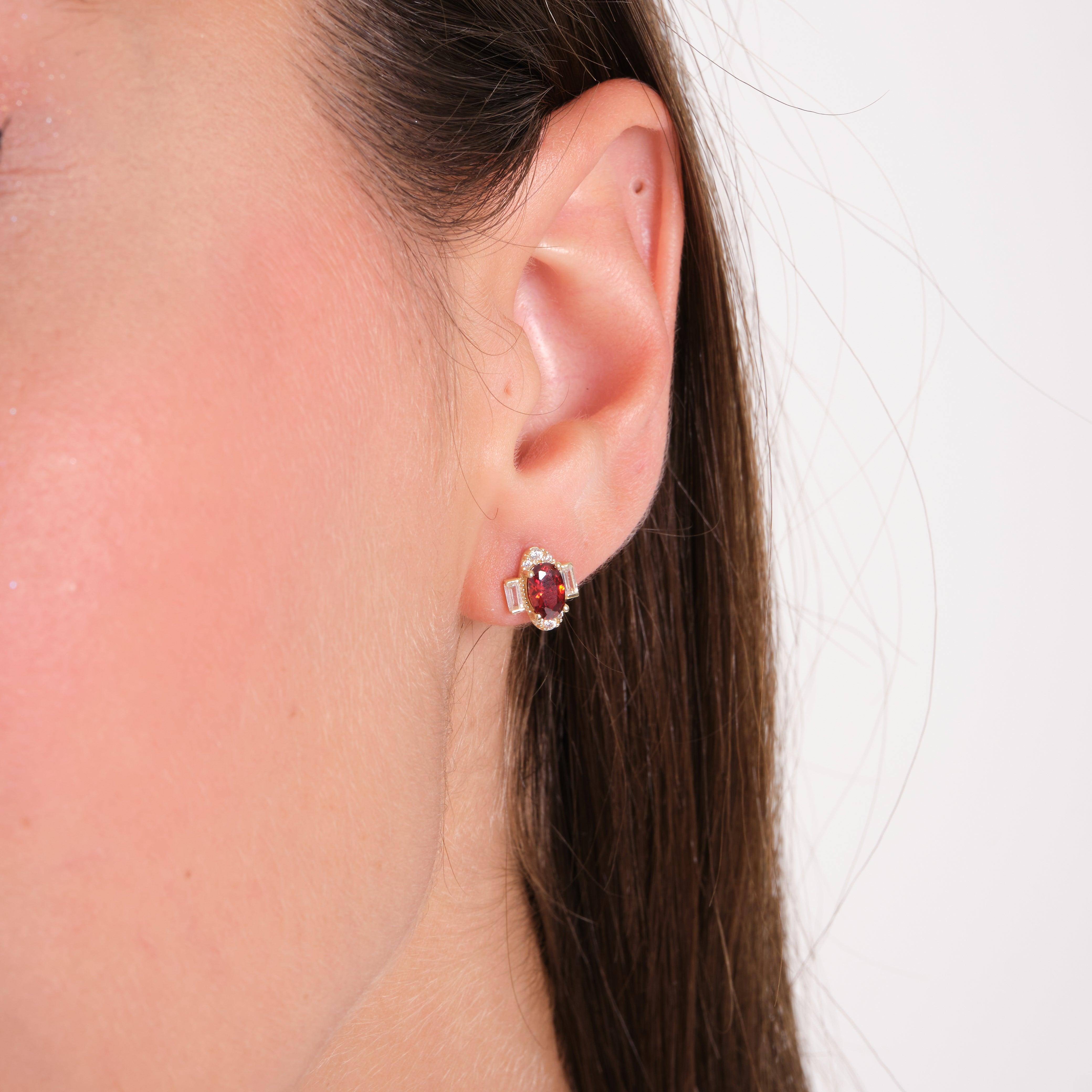
A finding that fits your lobe well should sit flush. It should not pinch or press at an odd angle. Thicker posts can feel more secure, but they need a slightly larger piercing to sit comfortably.
If your ears react to certain metals, solid gold is a safer bet than plated pieces. There is no base metal exposed underneath a thin gold layer. Anyone with ongoing skin irritation from earrings should still check with a doctor, since reactions vary from person to person.
New piercings usually heal best with a plain post and a simple back. They add the least pressure while the skin is still settling. Once healed, you can move on to hoops, huggies, or leverbacks without trouble.
Caring for Earring Findings
Findings sit closer to skin, oils, and lotion than almost any other part of your jewelry box. A quick wipe after wearing keeps posts and hooks from building up residue that can make them feel sticky or look dull.
Store earrings flat or hanging, rather than tossed loose in a drawer. Loose hooks and hoops tangle easily, and constant tangling can bend a delicate wire out of shape over time.
For a full routine, our guide on how to clean 14K gold jewelry at home covers safe cleaning steps that work well for findings, chains, and settings alike.
Frequently Asked Questions
What are earring findings called?
The main types are posts, French hooks, leverbacks, hoop wires, screw backs, and clip-ons. Each one is named for how it attaches to your ear.
What are some common jewelry findings?
Beyond earring parts, common jewelry findings include clasps for necklaces and bracelets, jump rings that connect pieces together, and pin backs for brooches. They are the small connector parts behind almost every piece of jewelry.
Why are they called findings?
The name comes from jewelry making, where these small parts are bought separately and "found" to complete a design, rather than being made from scratch each time.
Do all earrings use the same type of finding?
No. Studs use posts and backs, dangles usually use hooks or leverbacks, and hoops or huggies use a hinged wire built into the hoop itself. The right finding depends on the earring's style and weight.
Are solid gold findings better than gold-plated ones?
Yes, for daily wear. Solid gold keeps its color all the way through, while plated findings can wear thin at the post or hook after months of regular use.
The Bottom Line
The finding is the small working part that makes an earring wearable: the post, the hook, the leverback, or the hoop wire. Match the finding to how you actually wear your earrings. Choose simple posts for everyday studs, leverbacks for dangles, and hinged wires for hoops and huggies.
Browse our Gold Earrings collection to see these findings in solid 14K gold, made to order.










Share:
Alexandrite Stone: Meaning, Color Change & Price Guide
Types of Engagement Rings: A Complete Style Guide