


A luxury jewelry brand isn't defined by its price tag or its name recognition. It comes down to three things: the metal, the craftsmanship, and how honestly the brand prices what it sells.
If you're shopping for a luxury jewelry brand for the first time, skip the marketing and check the metal stamp first. A solid 14K or 18K gold piece, cut and set by hand, will outlast a mass-produced plated one, no matter how big the logo is.
- Real luxury jewelry starts with the metal: look for a 10K, 14K, or 18K stamp, not just a shiny finish.
- Made-to-order craftsmanship and clear pricing matter more than a famous name.
- Cubic zirconia and other simulated stones can sit in genuinely luxury settings — the metal and setting define the quality, not the stone.
What Makes a Jewelry Brand "Luxury"
"Luxury" gets used loosely in jewelry marketing, so it helps to break it into parts you can actually check.
First is the metal. Luxury jewelry is made from solid precious metal, not a thin layer over brass. Second is the work: pieces are designed and finished by hand, not stamped out by the thousand. Third is honesty in pricing, so you can see what you're paying for, whether that's gold weight, labor, or design.
Affordable luxury jewelry brands prove that price alone doesn't decide the category. A $60 pair of earrings can pass every check on this list. A $600 pair can fail all three.
A brand can have every trait without a famous name. A famous name doesn't promise any of them either.
None of this is about snobbery. It's about knowing what you're actually buying. Two rings can look identical in a photo. Once you check the metal and the maker, they can turn out to be completely different products.
Solid Gold vs. Gold-Plated: The Metal Test
The fastest way to check a piece's quality is the karat stamp. It's usually a tiny engraving inside a ring band or on a clasp. Look for 10K, 14K, 18K, or 24K.
Gold-plated jewelry has a thin layer of gold over a base metal like brass. It looks fine on day one, but the plating wears through within months of regular wear, especially at the edges. Solid gold is the same color and quality all the way through, so it doesn't fade, flake, or turn a different color underneath.
| Karat | Gold Purity | Best For |
|---|---|---|
| 10K | 41.7% | Everyday pieces, extra durability |
| 14K | 58.5% | The standard for fine jewelry |
| 18K | 75% | Deeper color, higher gold content |
| 24K | 99.9% | Pure gold, too soft for daily wear |
Most jewelers use 14K gold because it holds the color and durability of gold without bending out of shape. It's the karat you'll see most in daily-wear rings, chains, and earrings.
Some pieces use numbers instead of letters. A "585" stamp means the same thing as 14K. A "750" stamp means 18K. Either way, the stamp is your proof, not the price tag.
For a full walkthrough, see our guide on how to tell real gold from fake.

Craftsmanship, Design, and Made-to-Order Pieces
Mass-produced jewelry is cast in bulk from the same mold, then boxed and shipped to hundreds of stores at once. A luxury jewelry brand works differently: each piece is made to order, cut and set for the person who bought it.
That changes the pace, not just the polish. A made-to-order chain or ring takes a little longer to arrive, because it doesn't exist yet when you order it. Someone builds it for you, so sizing, clasp style, and small details can be adjusted before the piece ever ships.
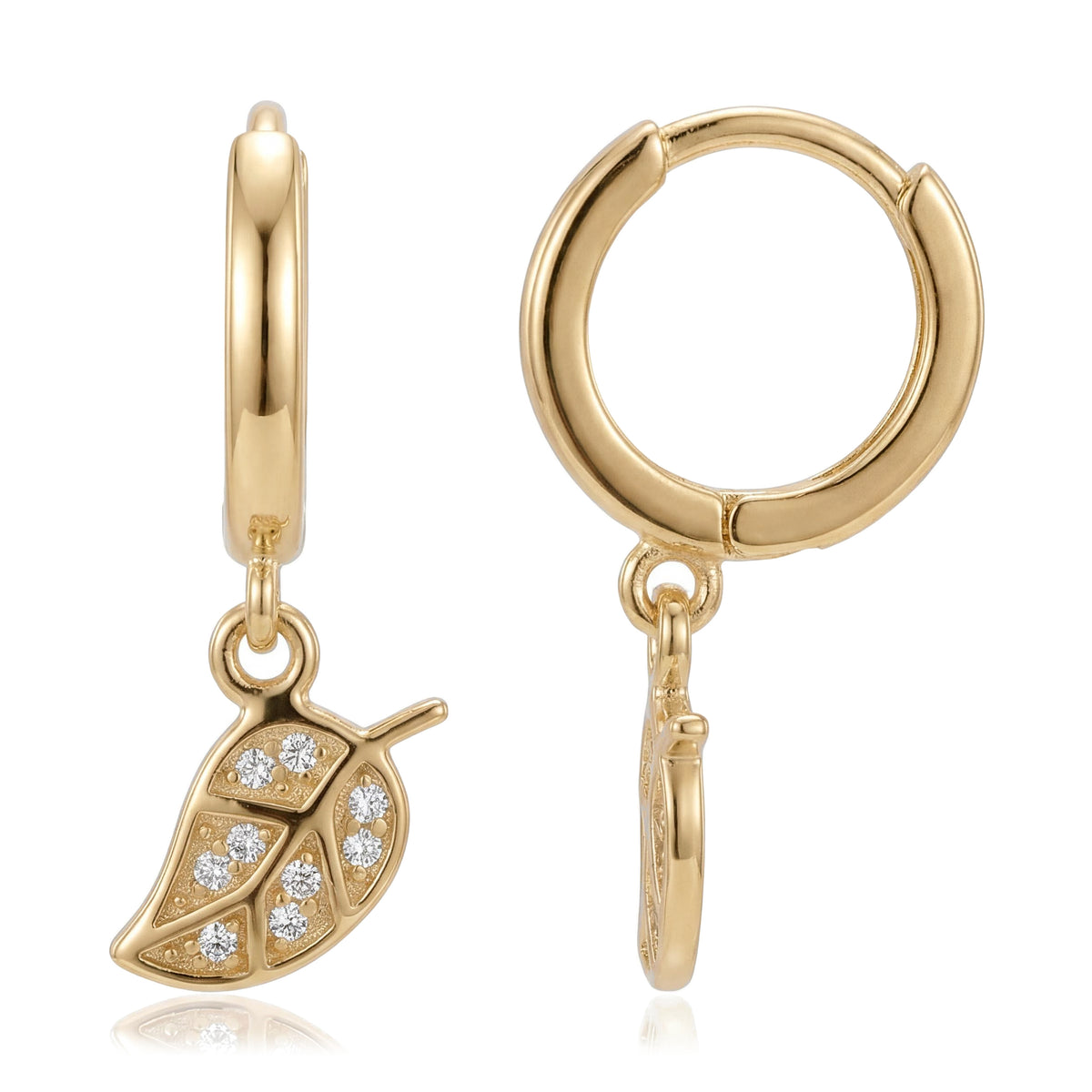
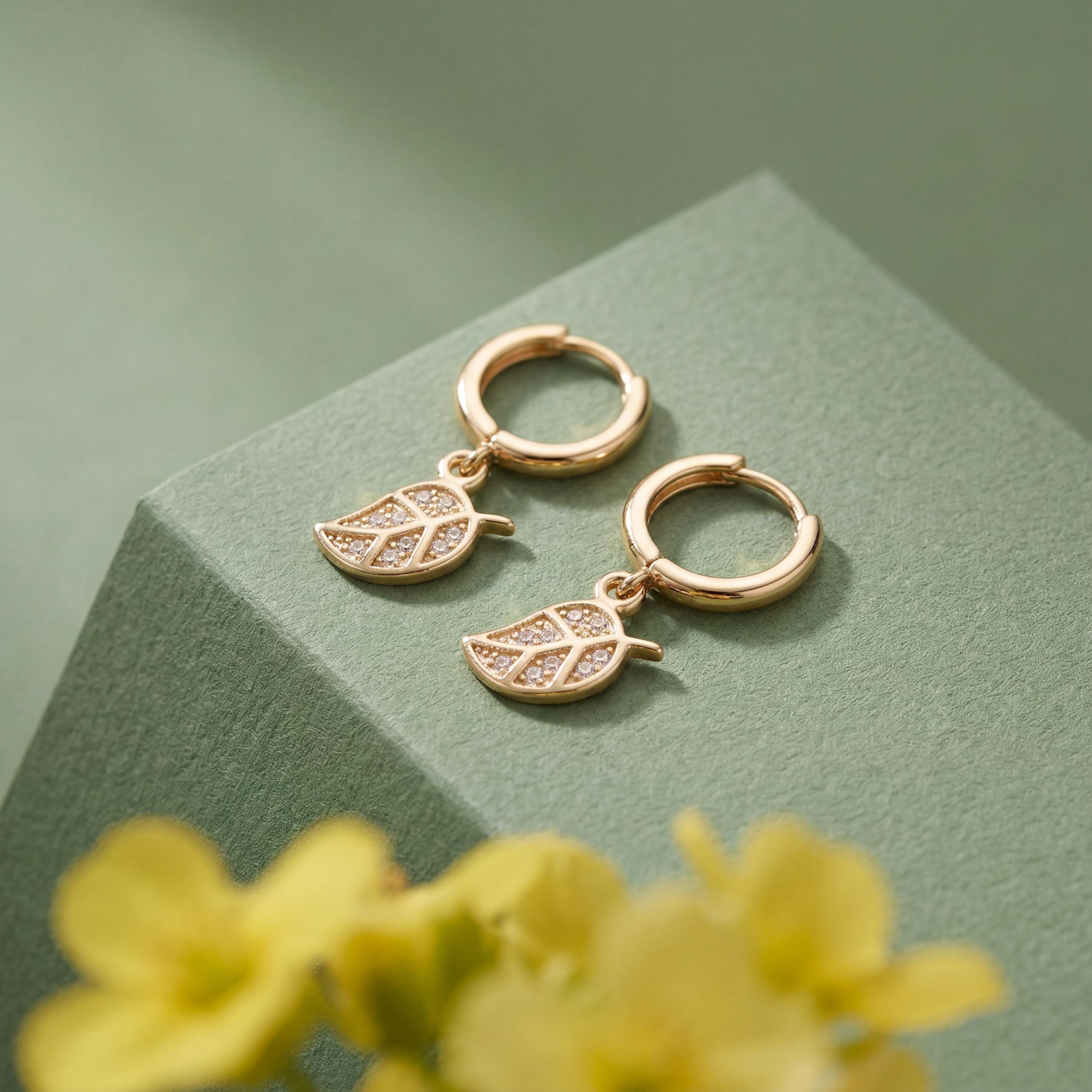
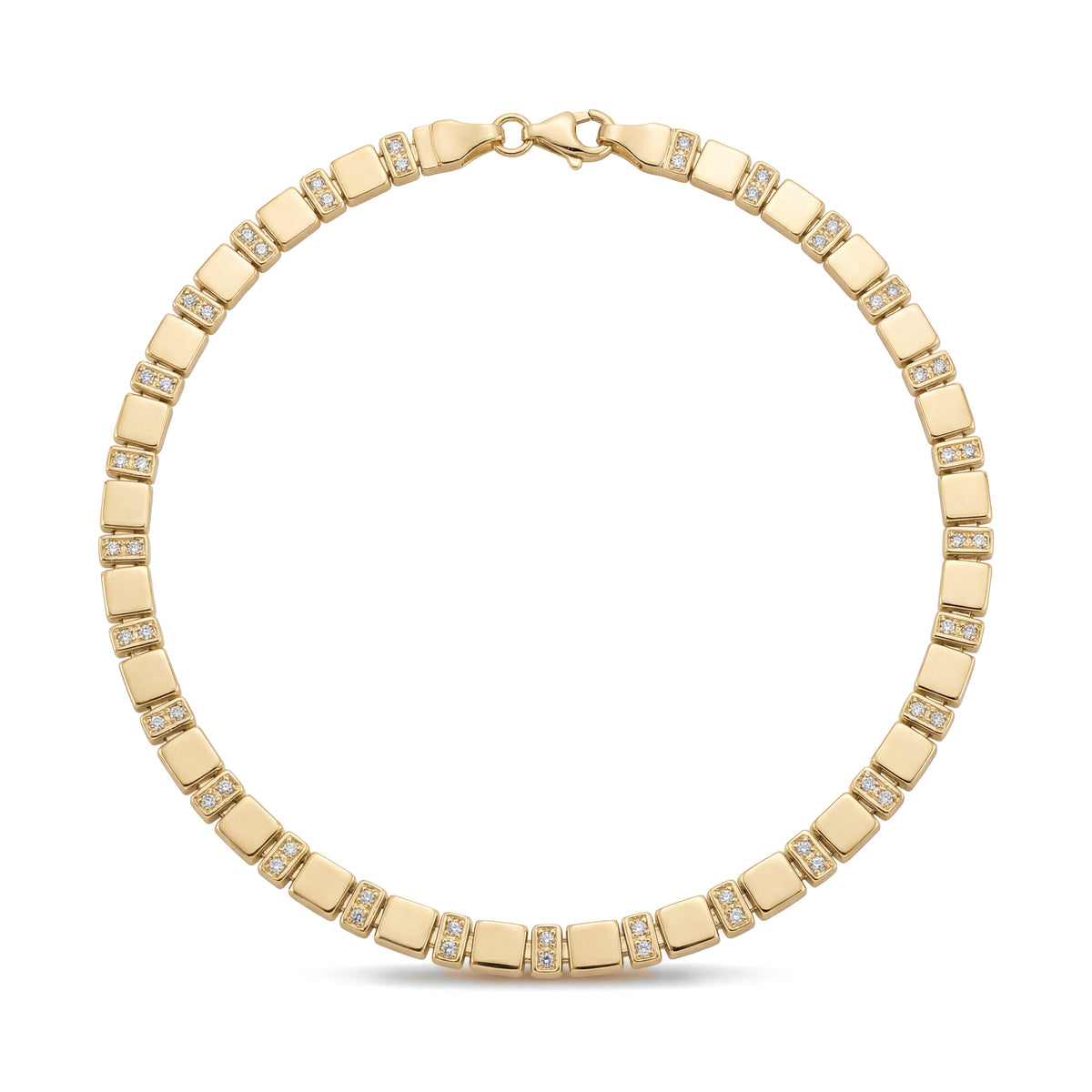
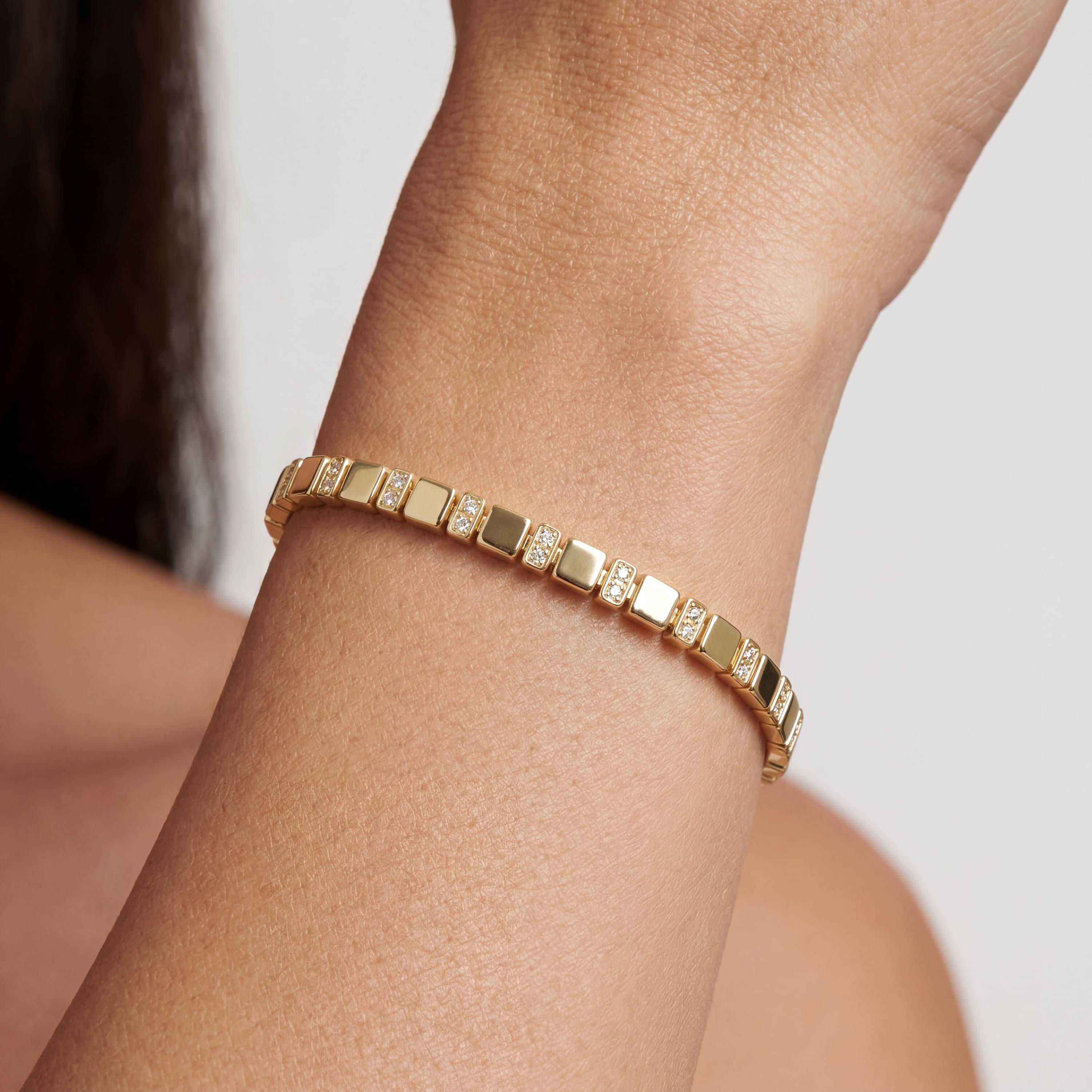
Hand-finishing shows up in small details. Look for smooth backs on earrings, evenly soldered links, and clasps that snap shut with a solid click. Machine-stamped pieces often skip these steps to save time.
Design matters too. The best pieces lean toward shapes that still look right in ten years: a clean hoop, a classic curb chain, a simple pendant. Trend-chasing pieces date fast; timeless ones don't.
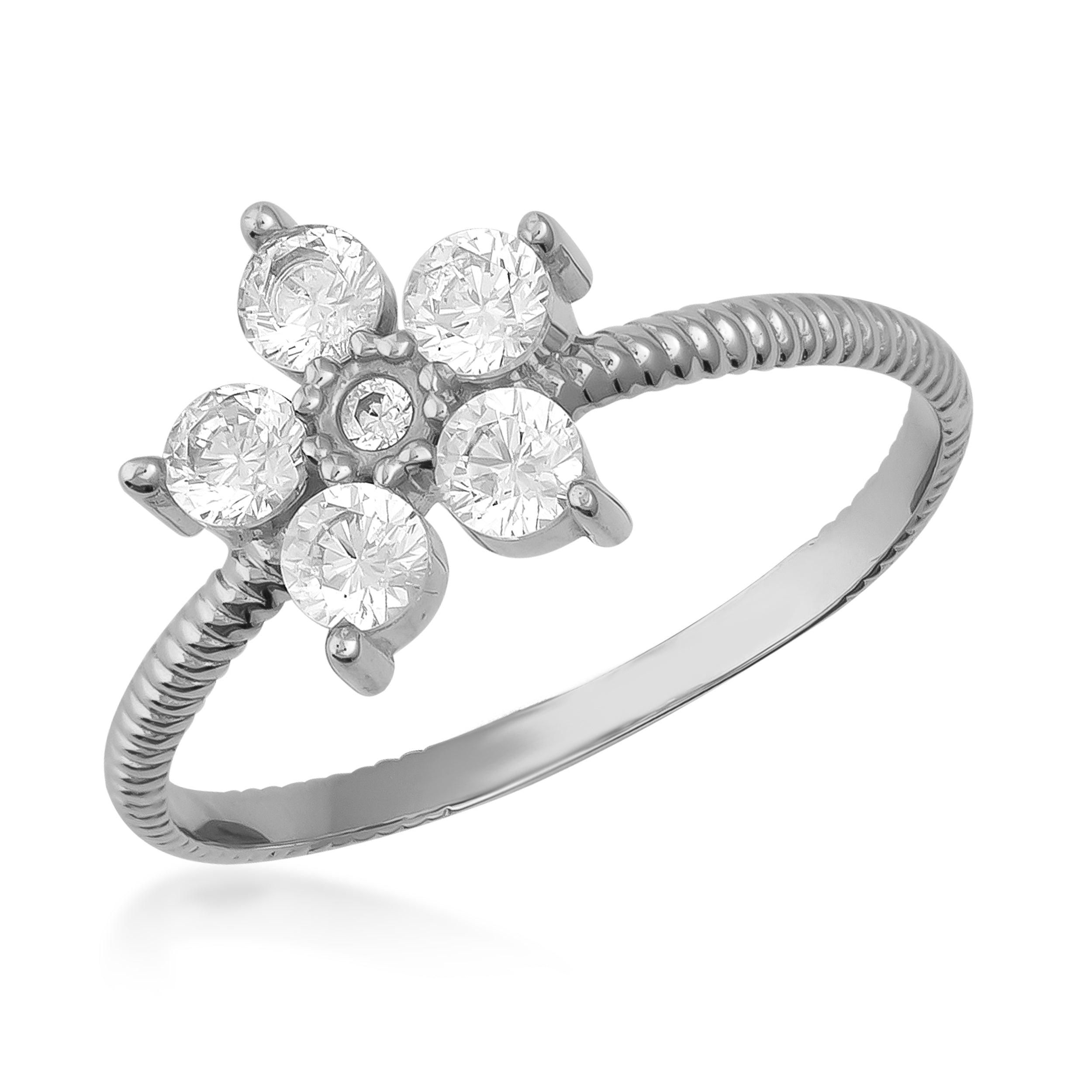
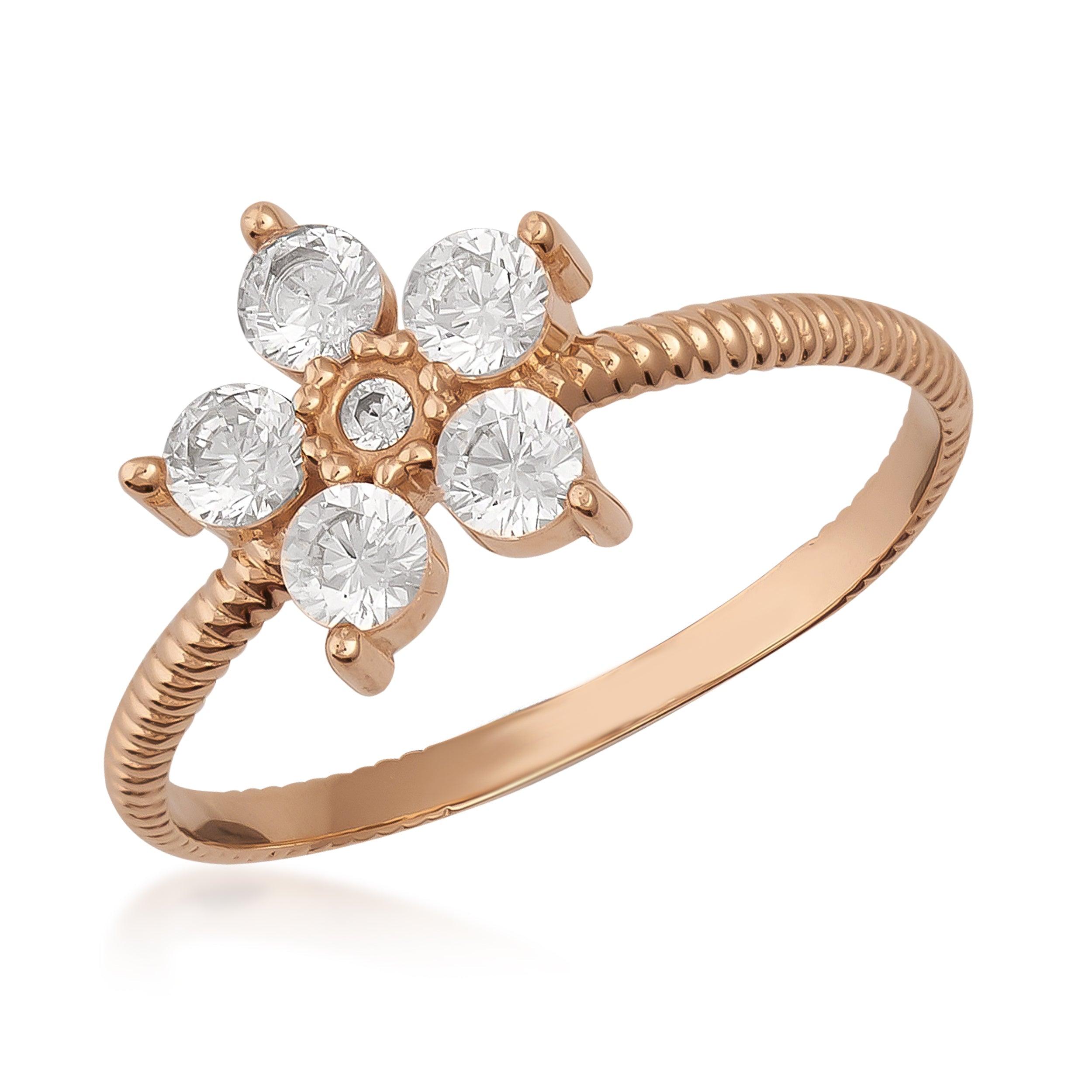
Color is part of that choice. If you're weighing warm tones against cool ones, our guide on white, yellow, and rose gold breaks down the difference.
Stones: Cubic Zirconia and the Simulated-Stone Question
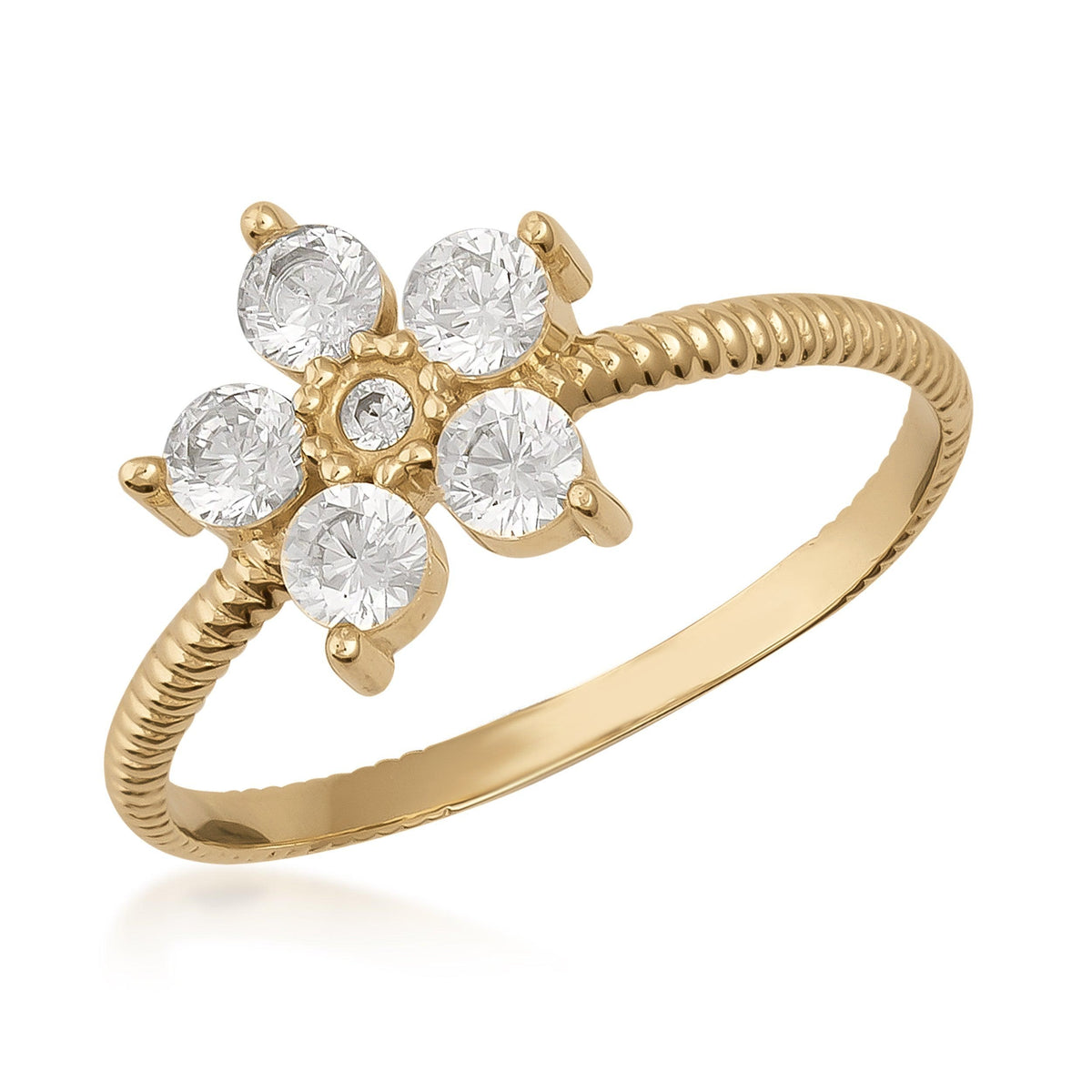
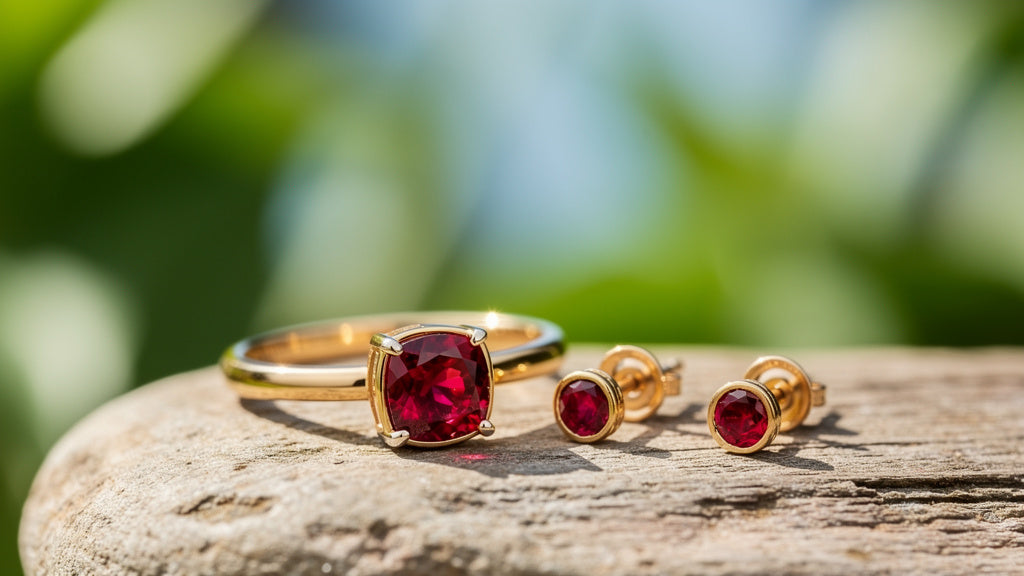
A lot of shoppers assume "luxury" always means a rare natural stone, but that's not the whole story. Cubic zirconia and other simulated stones are cut to the same faceting standards as fine gems. Set in solid gold, they read as bright, clear, and well-made.
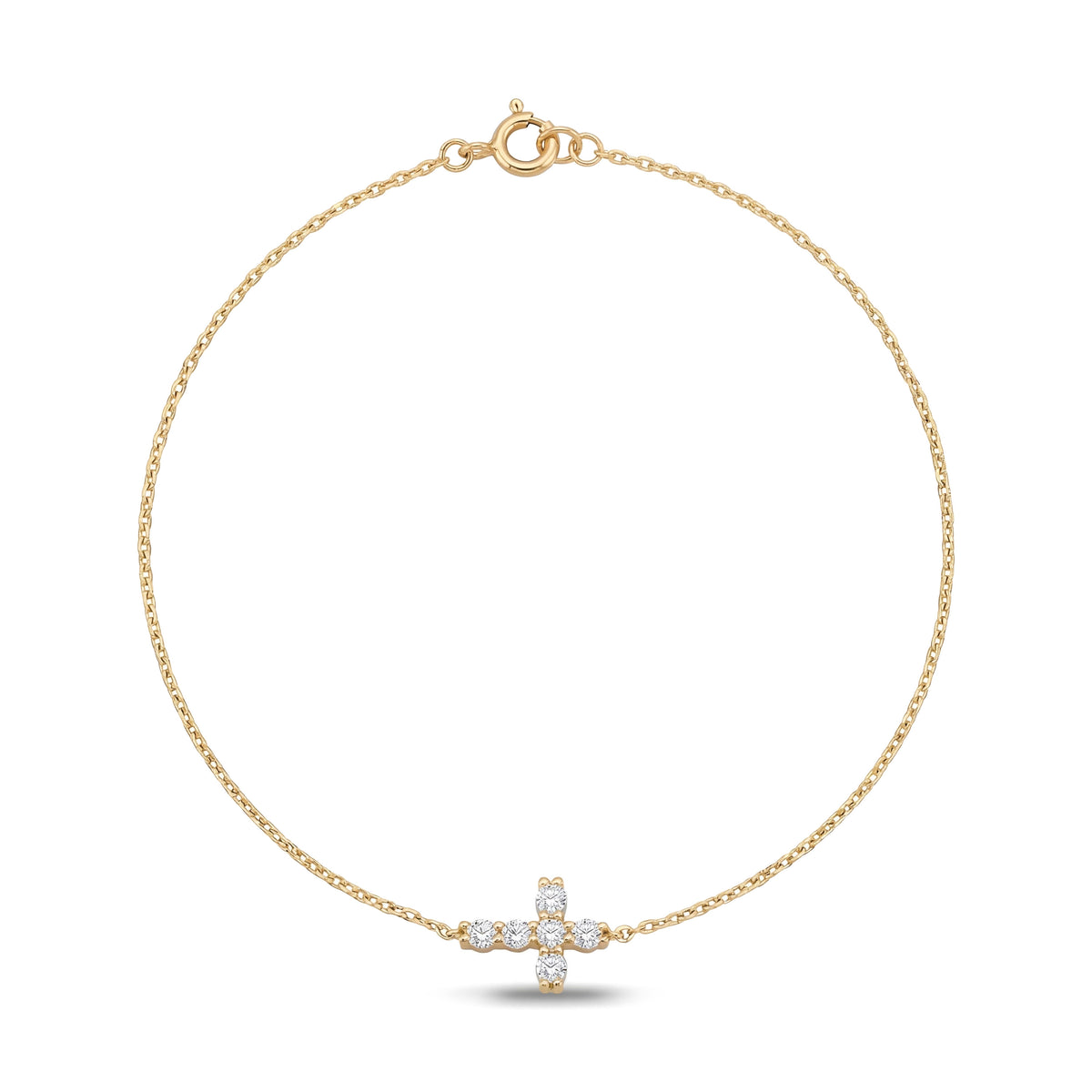
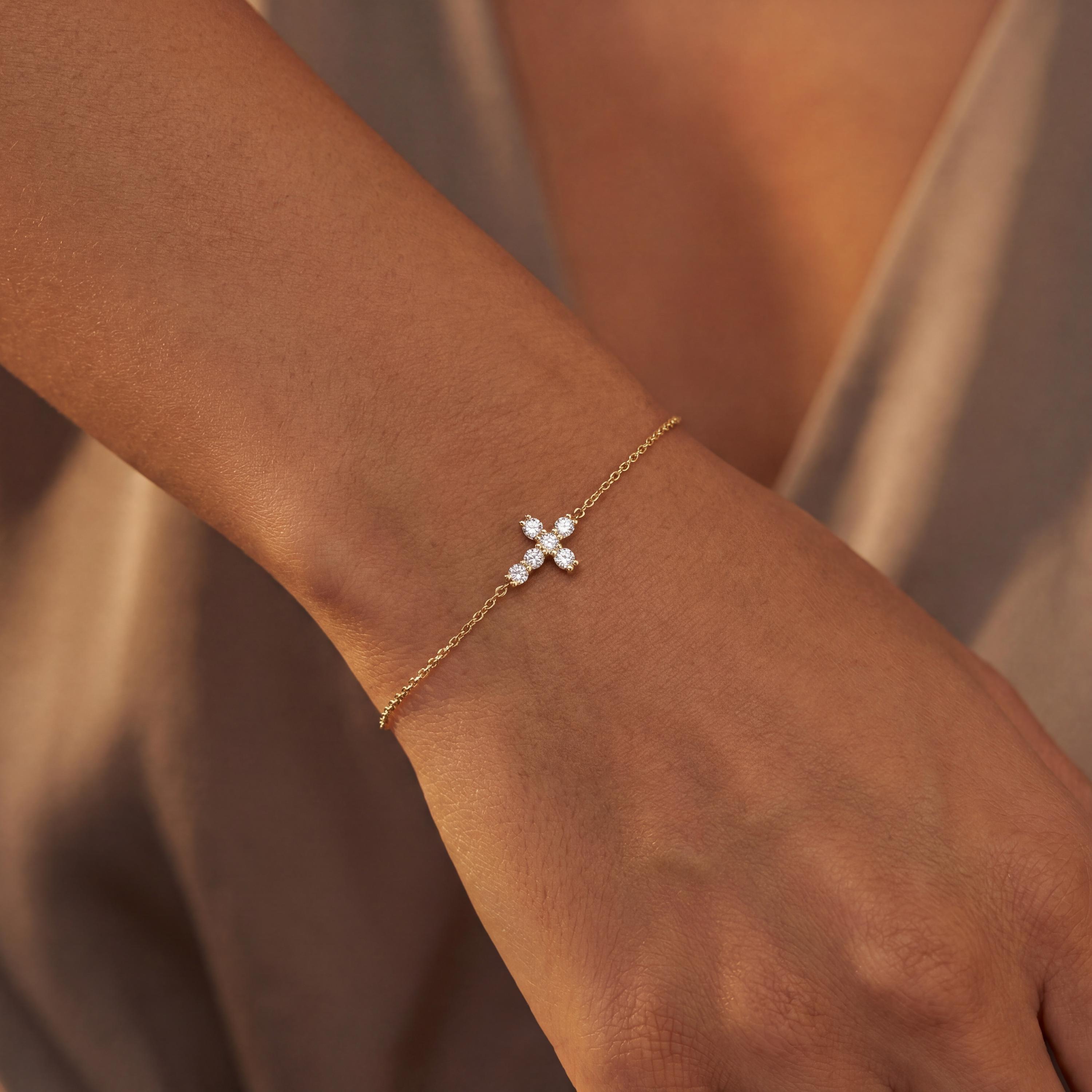
The stone isn't what makes a piece luxury or not. The setting is. A simulated stone in a solid 14K gold setting, prong-set by hand, is a completely different product from a stone glued into plated metal. Ask what the stone is set in before you ask what the stone is.
Clarity and sparkle come from the cut, not the origin of the stone. A well-cut cubic zirconia catches light just as sharply as a well-cut natural stone in the same setting. That's why the setting deserves your attention first.
How to Choose a Luxury Jewelry Brand
Once you know what to look for, comparing brands gets a lot simpler. You don't need a top 20 luxury jewelry brands list to make a smart purchase. You need these five checks.
Lists like the top 10 luxury jewelry brands change every year. They're built on opinion, not on a fixed standard. The five checks below don't change.
Run any brand through those five checks, and you won't need someone else's definition of the best luxury jewelry brand. You'll have your own.

Frequently Asked Questions
What is the top luxury jewelry brand?
There's no single official "top" brand, and a luxury jewelry brand list changes depending on who's ranking it. What stays consistent is the criteria: solid precious metal, hand-finished craftsmanship, and pricing you can actually understand.
What are the best high-end jewelry brands?
The best high-end brands share the same traits no matter the name: solid gold or platinum, made-to-order or small-batch production, and design that doesn't chase short-term trends.
Is 14K solid gold considered luxury?
Yes. 14K gold is 58.5% pure gold mixed with stronger metals for durability, and it's the karat most fine jewelry brands use for everyday rings, chains, and earrings.
What's the difference between fine jewelry and luxury jewelry?
Fine jewelry usually just means solid precious metal and real or simulated gemstones, as opposed to costume jewelry. Luxury adds craftsmanship, design, and a stronger brand experience on top of that same fine-jewelry foundation.
Are simulated stones like cubic zirconia used in luxury jewelry?
Yes. Cubic zirconia is cut and faceted to the same standards as fine gemstones. Set in solid gold, it looks bright and clear, and the quality comes from the setting, not just the stone.
The Bottom Line
A luxury jewelry brand comes down to the same three things every time: solid metal, real craftsmanship, and pricing that makes sense. Check the stamp, ask how the piece is made, and you'll know what you're buying no matter whose name is on the box.
Browse our Best Sellers collection to see solid 14K gold, made-to-order pieces built on exactly those standards.








Share:
Different Chain Links Styles: A Complete Guide
Men's Jewelry: A Complete Guide to Chains, Rings & More