

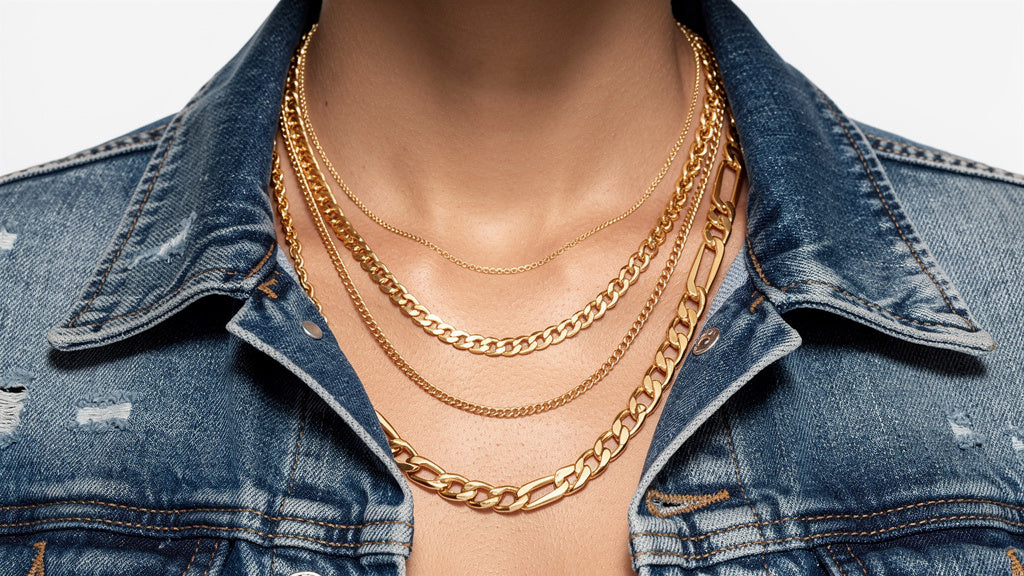
Stand in front of a chain display and every necklace can look the same at first glance. Look closer and each one is built from a different link.
That link shape decides a lot. It decides how the chain catches light. It decides how the chain drapes, and how long it lasts. This guide walks through the different chain links styles you'll see in stores today, in plain terms, so you know what you're actually choosing between.
- Chain link styles differ in link shape and how the links connect, and that changes strength, shine, and how the chain sits on the body.
- Curb, Cuban, and box links are the toughest choices for daily wear. Rope and herringbone links are built more for shine than heavy use.
- Flat, wide links like figaro and curb hold a pendant's weight without twisting. Thin cable or paperclip links are better for layering.
What Makes Chain Link Styles Different
Every chain starts with one small piece: the link. That single shape repeats hundreds of times to build the whole chain.
The different chain links styles you see in stores all come down to three things: the shape of the link, how it connects to the next link, and how thick the wire is.
A round or oval link, soldered shut and left plain, gives you a simple cable chain. Twist that same link, flatten it, or braid several together, and you get a completely different look. Diamond-cut links have tiny angled facets that catch light. Smooth links give a softer, more even shine instead.
Thickness matters just as much as shape. A thin chain in any style will always feel more delicate than a thick one in that same style. Link shape and gauge work together to decide how a chain holds up over years of wear.
Cable, Rope, and Wheat Chains
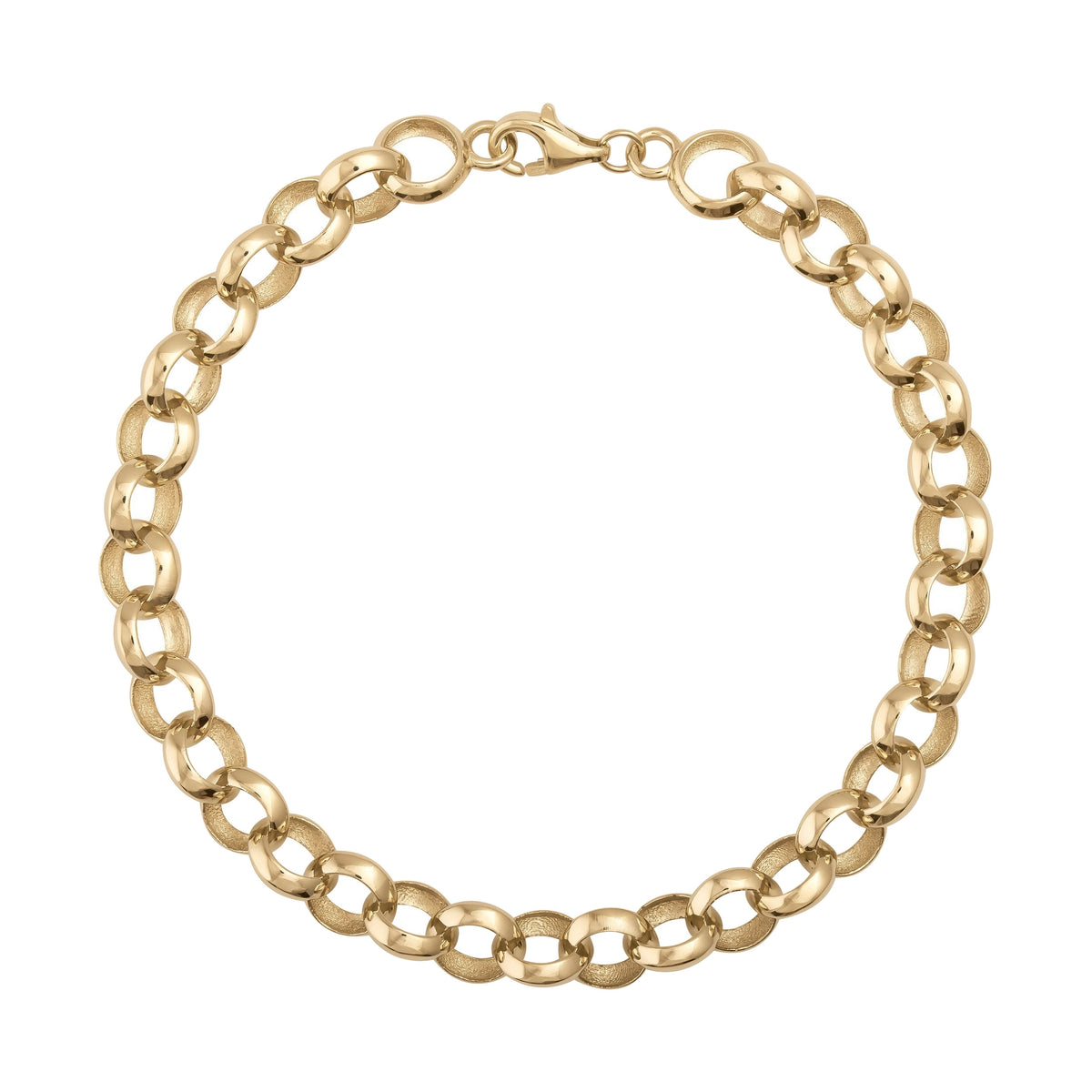
Cable chain is the starting point for most other chain styles names you'll hear. It's made of simple oval links, each one connected the same way. That gives it a clean, classic look that works with almost anything you wear.
Rope chain takes small links and twists them tightly into a spiral. It ends up looking like a thin, sparkling rope. The diamond-cut facets throw light from every angle, which is why rope chains photograph so well next to a single pendant.
Wheat chain, sometimes called spiga chain, braids oval links together in a tight pattern. The pattern looks like a stalk of wheat, hence the name. It's dense, flexible, and sits flat against the skin, which makes it a solid everyday option with real texture.
Curb, Cuban, and Figaro Links
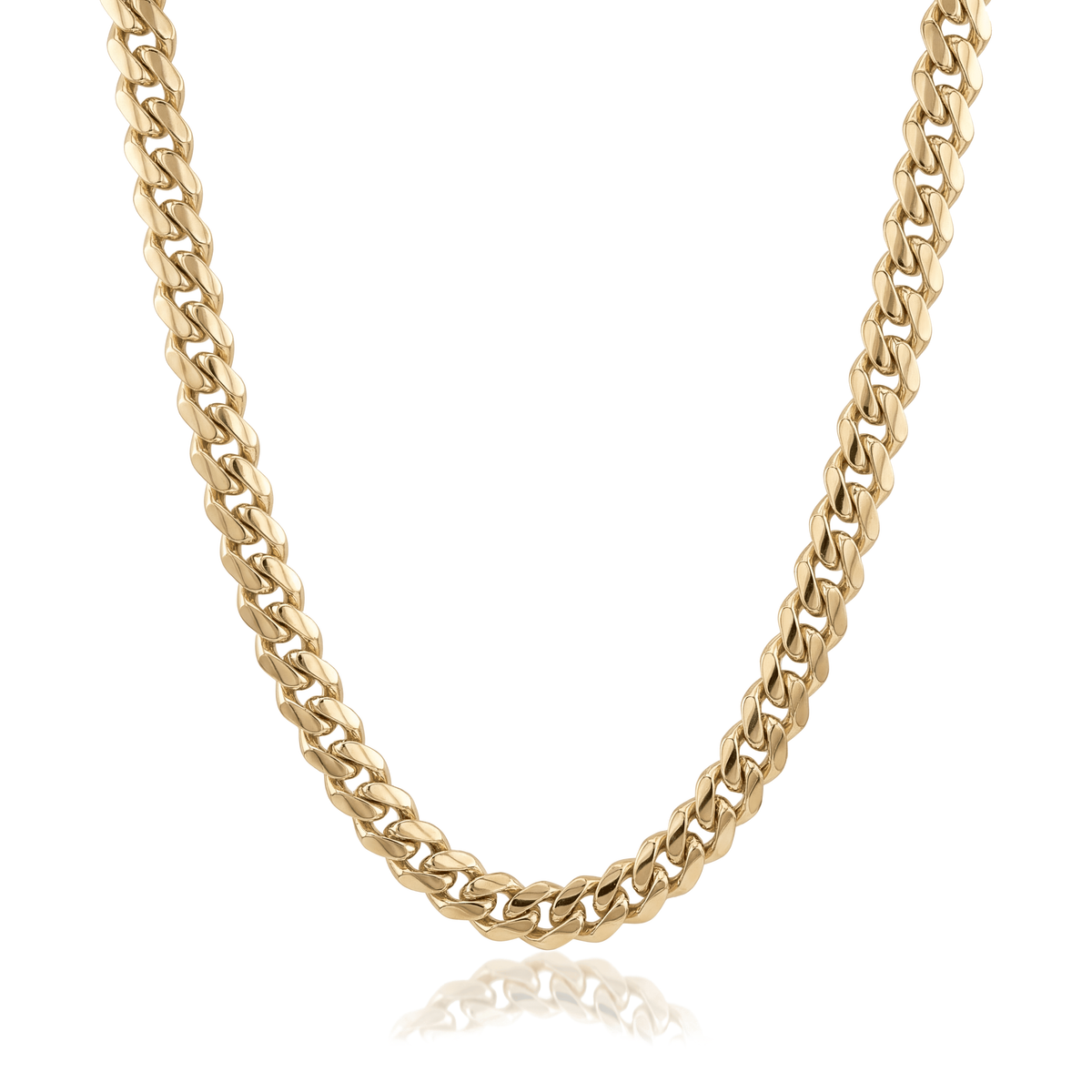
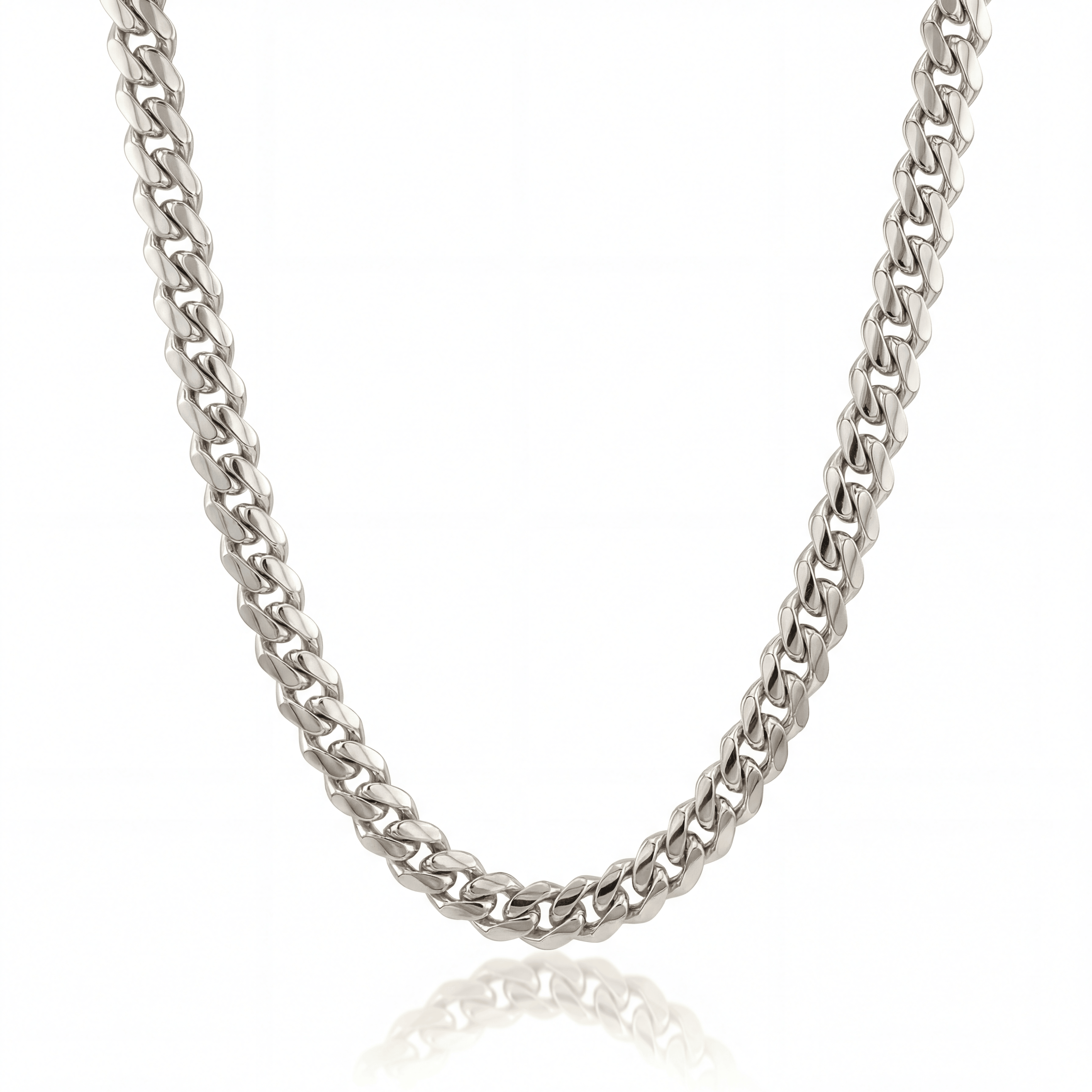
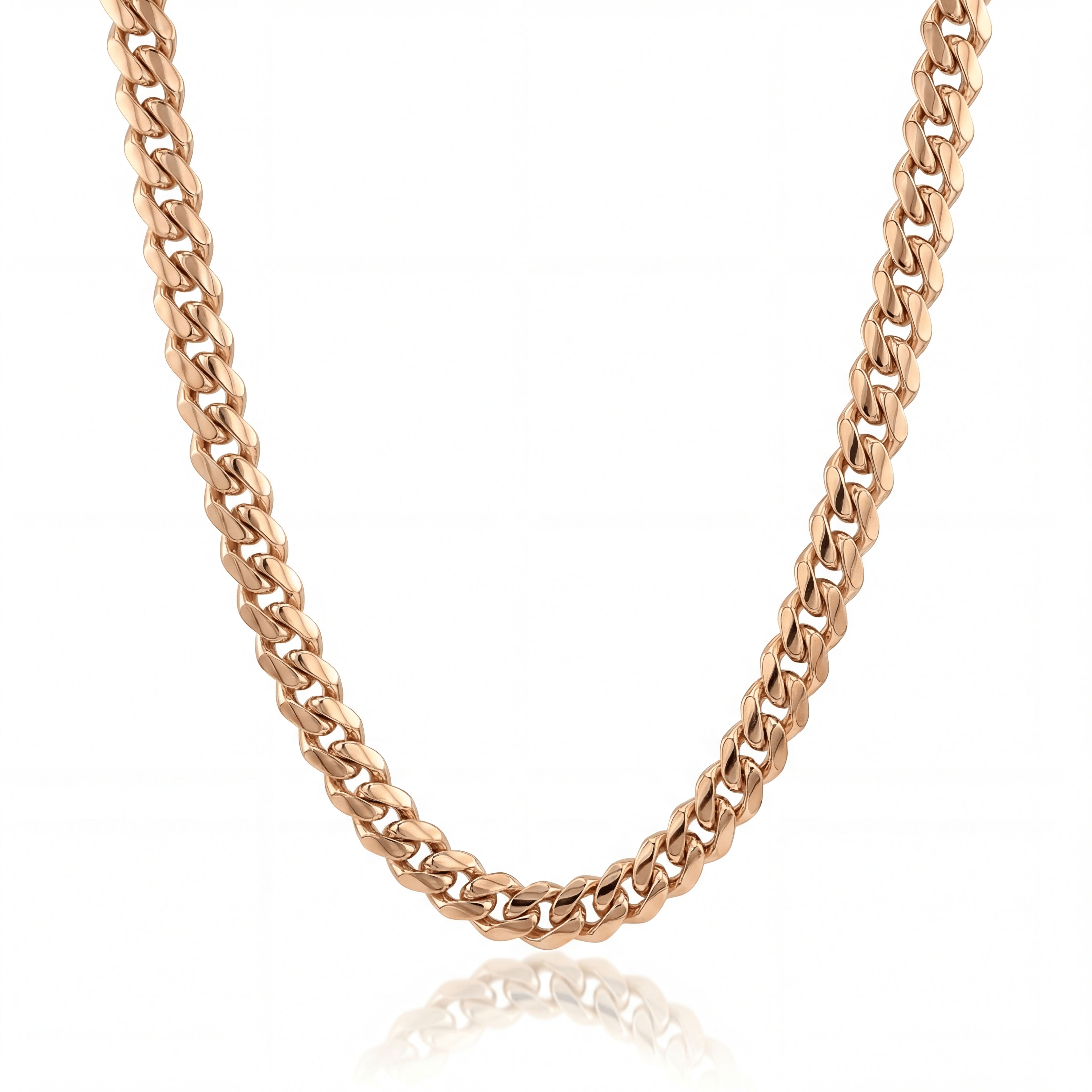
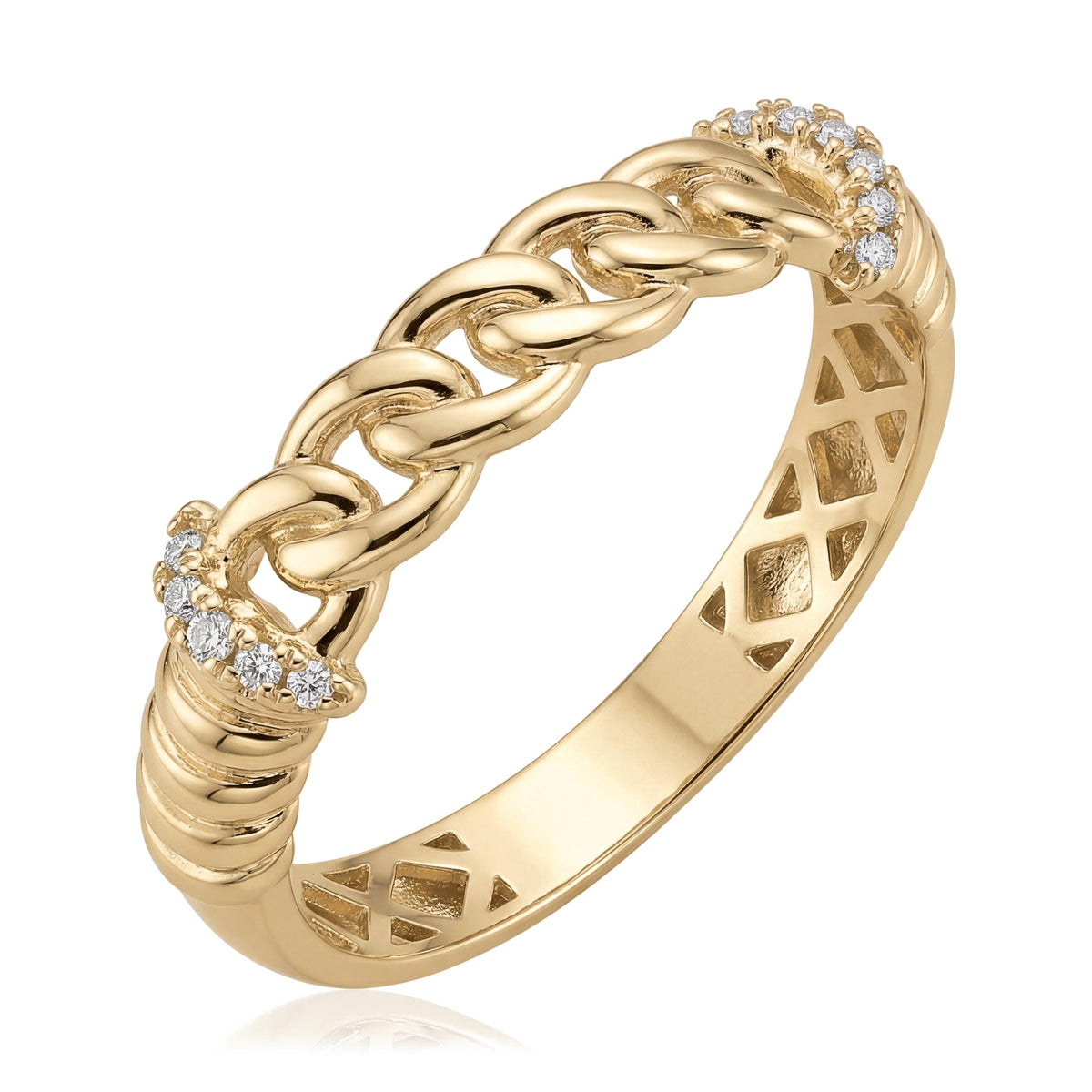
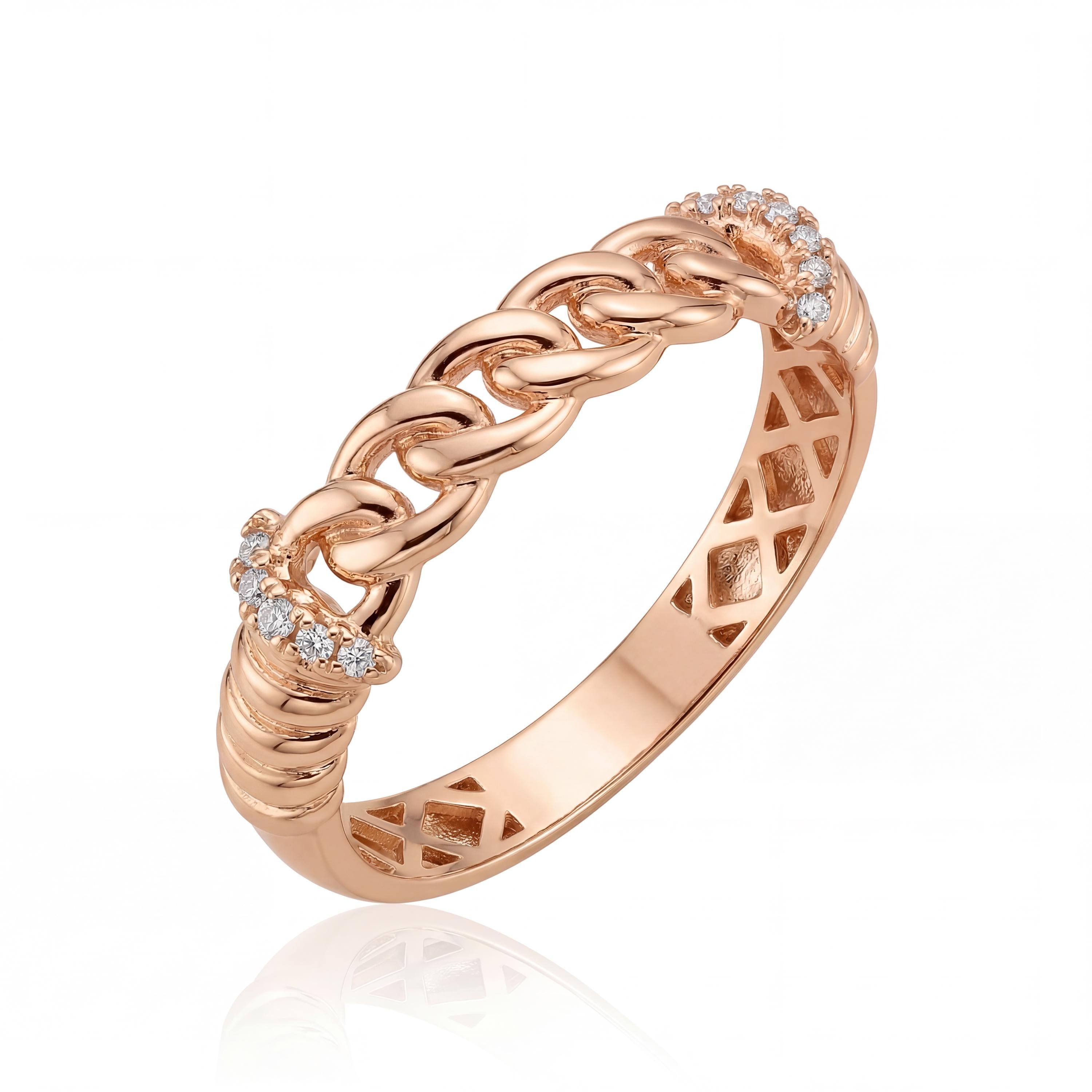
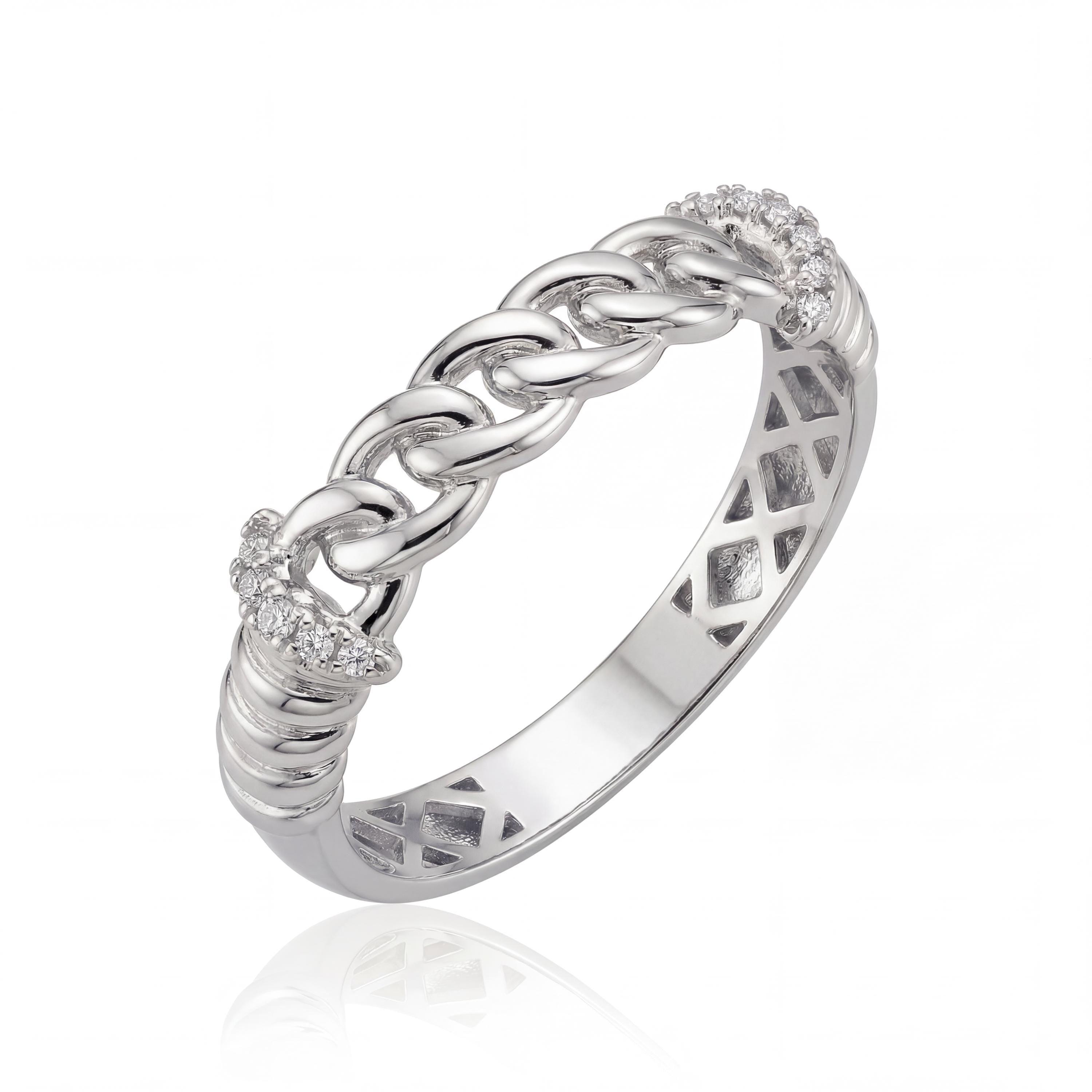
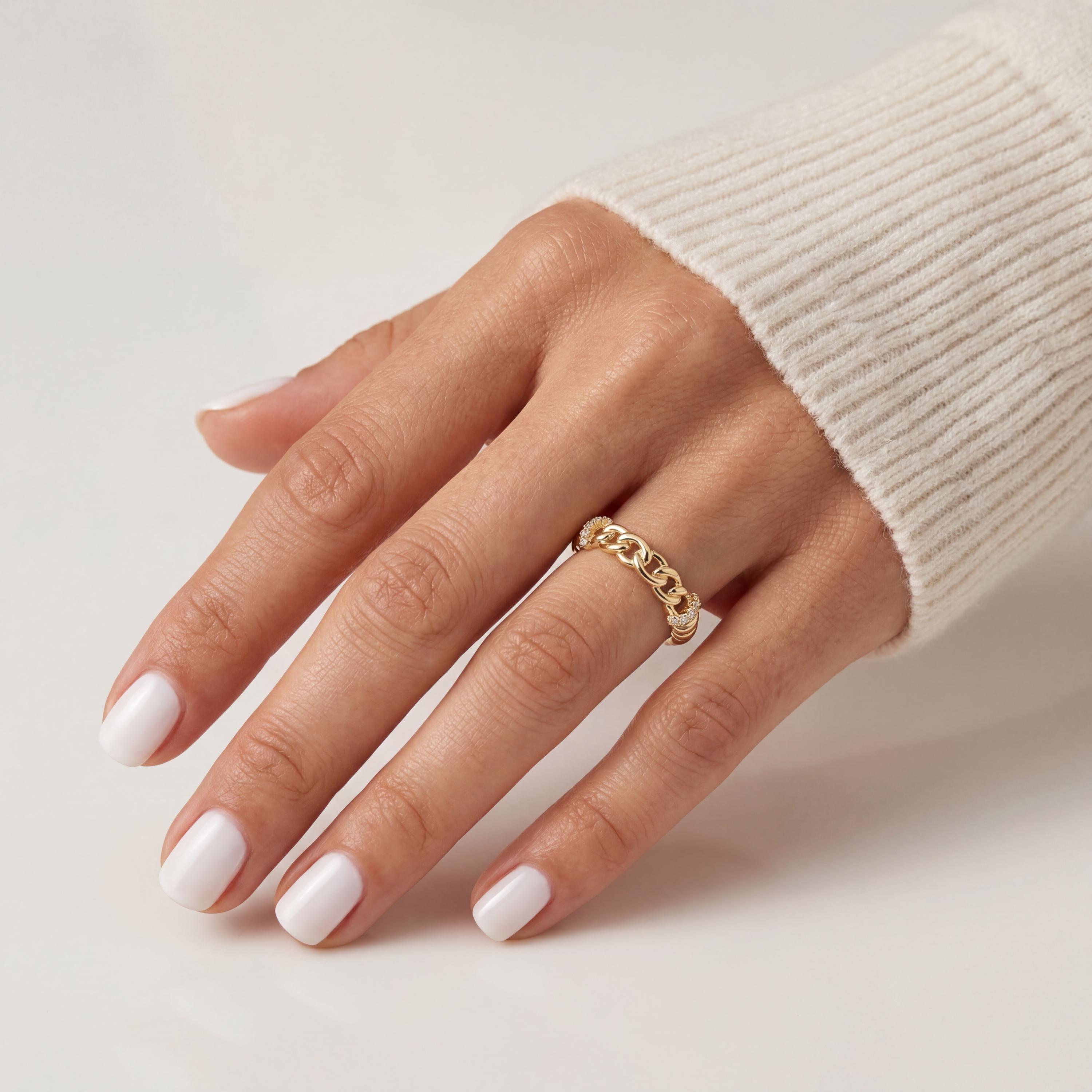
Curb chain uses flattened, twisted links that interlock and lie flush against each other. That flat profile makes curb one of the strongest, most scratch-resistant styles around. It's a big reason curb shows up so often in men's chains.
Cuban link is a bolder, more rounded version of curb chain, with thicker, more polished links. It has become the go-to choice for statement pieces. The wider links catch plenty of light without needing much faceting at all.
Figaro chain alternates one long oval link with two or three short round links, and repeats that pattern down the chain. The rhythm gives it a distinctive, slightly vintage look. The flat long links also make figaro a solid pick for holding a pendant steady.

Box, Herringbone, and Snake Chains
Box chain is built from small square links, each one set at a right angle to the last. The result looks almost like a tiny, continuous cube. That sturdy, geometric build resists twisting far better than a rounder link.
Herringbone chain uses flat, angled links packed tightly side by side. The chain lies completely smooth against the neck or wrist, with a mirror-like shine. It's beautiful, but the flat links can kink if pulled or knotted, so it needs gentler handling.
Snake chain hides its links almost entirely. Tiny overlapping plates form a smooth, rounded tube instead of visible links. It moves like liquid metal and pairs especially well with one small pendant.
Anchor and Paperclip Links
Anchor link chain takes its name from real boat anchor chains. Each oval link alternates direction from the one before it. That gives the chain a chunky, textured look, more casual than a polished curb chain.
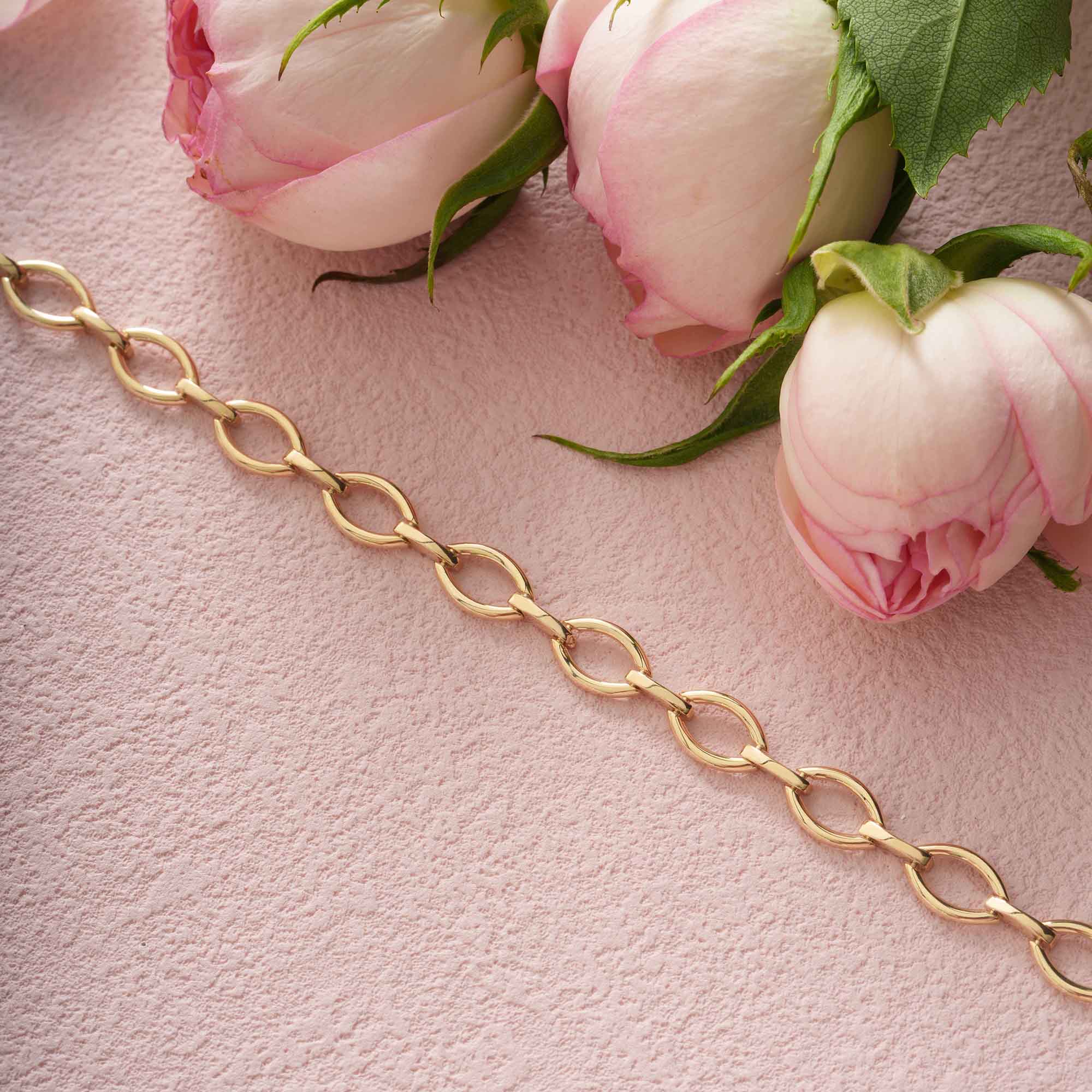
Paperclip chain is one of the more unique chain link styles to gain popularity recently. It uses elongated, rectangular links that look just like an unfolded office paperclip. Each link is spaced out and clearly visible on its own.
Both styles lean into a bigger, more graphic link shape rather than dense faceting. They tend to look best worn alone, or layered with something noticeably thinner beside them.

How to Choose the Right Chain Style
Start with how you plan to wear it. A chain that will carry a pendant every day needs flat, wide links, like curb, figaro, or box. Those flat links keep the pendant hanging straight instead of twisting the chain over time.
If you want to layer two or three chains together, go thinner and simpler. Cable, thin rope, or paperclip links stack without tangling as easily as bulky links do. Pick a shorter length to layer close to the collarbone, and a longer one to sit beneath it; our necklace length chart guide covers the exact inches for each look.
For a chain that survives gym bags, seatbelts, and sleeping in it, curb, Cuban, and box links are the toughest picks. Herringbone and snake chains ask for a bit more care, but they pay it back in shine. Either way, a quick rinse and a soft cloth keep any gold necklace looking new for years.
| Chain style | Link shape | Strength | Best for |
|---|---|---|---|
| Cable | Simple oval | Good | Everyday, layering |
| Rope | Twisted, diamond-cut | Good | Shine, single pendant |
| Curb | Flattened, twisted | Excellent | Daily wear, pendants |
| Cuban | Rounded curb | Excellent | Statement pieces |
| Figaro | Long oval + round | Very good | Pendants, classic look |
| Box | Square links | Excellent | Daily wear |
| Herringbone | Flat, angled | Fair | Shine, occasion wear |
| Snake | Overlapping plates | Good | Small pendants |
| Anchor | Alternating oval | Very good | Casual, textured look |
| Paperclip | Elongated rectangle | Good | Layering, minimalist look |
Frequently Asked Questions
What is the strongest chain link style?
Curb, Cuban, and box link chains are generally the strongest. Their links are flat or square and interlock tightly. That helps them resist twisting, catching, and stretching better than open, rounded links.
What are the different links called in necklaces?
The most common names are cable, curb, Cuban, figaro, box, rope, herringbone, snake, anchor, and paperclip. Each name describes the link's shape, or how it connects to the next link.
What's the most popular chain style?
Curb and Cuban link chains are consistently the most popular. They're strong enough for daily wear, and bold enough to work as a standalone piece without any pendant at all.
Which chain link style is best for a pendant?
Figaro and curb chains work best under a pendant. Their links lie flat, so the pendant hangs centered instead of sliding around or twisting the chain over time.
Can different chain link styles be layered together?
Yes, as long as the links vary in scale. Pair a thin cable or paperclip chain with a slightly thicker figaro or curb chain. That way the links won't hook onto each other.
The Bottom Line
The different chain links styles out there aren't just about looks. Link shape decides how a chain holds a pendant, how it layers, and how well it survives daily wear. The "best" style really just depends on how you plan to use it.
Ready to see these link styles in solid 14K gold? Browse our Gold Chains collection and find the one that fits how you actually wear jewelry.

Share:
Semicolon Necklace Meaning, Styles, and How to Choose