
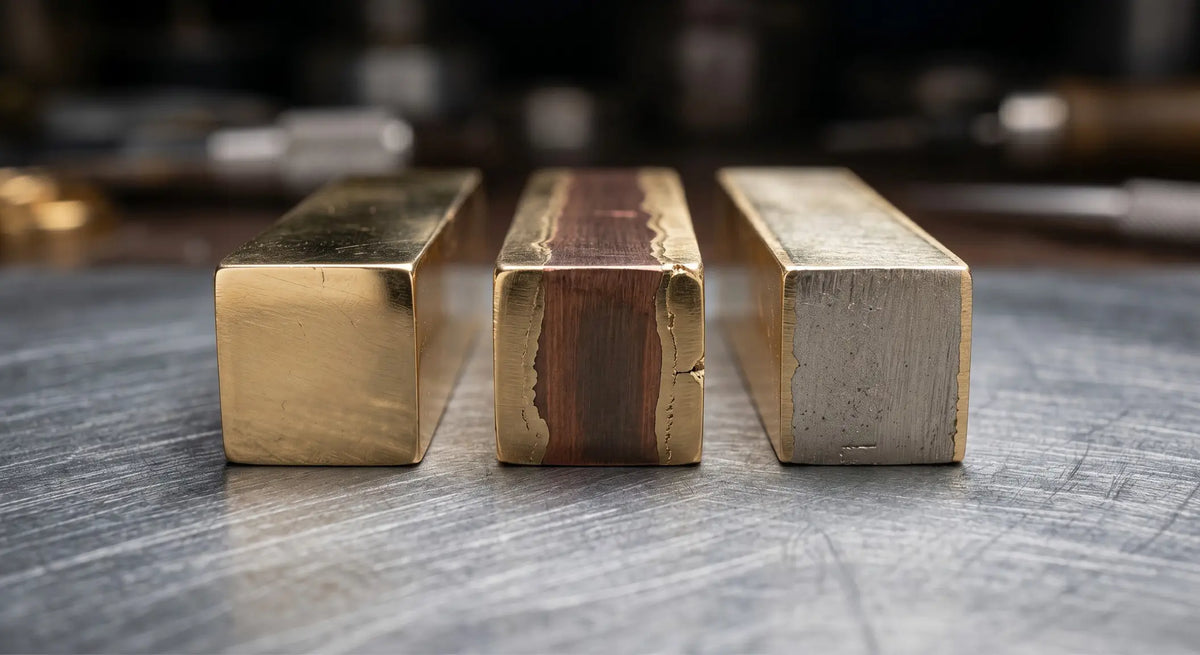
You've found the perfect gold necklace online. The photos look stunning. The price seems reasonable. You add it to your cart, and then you notice the fine print: "gold plated over brass."
Suddenly, you're wondering — is this actually gold? Will it last? Will it turn my skin green? And what's the difference between "gold plated," "gold filled," and "solid gold" anyway?
You're not alone. These terms are some of the most confusing — and most misleading — in the entire jewelry industry. Many shoppers end up paying too much for jewelry that looks like gold but contains almost none of it, or worse, they assume all gold jewelry is overpriced when the real thing is actually worth every penny.
In this guide, we're cutting through the confusion once and for all. By the end, you'll know exactly what each gold type means, how long it lasts, and whether it's safe for your skin.
The Four Types of "Gold" Jewelry — At a Glance
Before we dive deep into each category, here's a quick overview of the four main types of gold jewelry you'll encounter when shopping:
- Solid Gold — Made entirely of gold alloy (e.g., 14K = 58.3% pure gold). The real deal. Lasts forever.
- Gold Filled — A thick layer of gold mechanically bonded to a base metal. Decent quality. Lasts years, not decades.
- Gold Vermeil — A layer of gold electroplated over sterling silver. Mid-range. Wears off over time.
- Gold Plated — An ultra-thin layer of gold electroplated over a cheap base metal like brass or copper. The least durable option.
Now let's break down each one in detail — because the differences matter far more than most people realize.
Solid Gold: The Standard Everything Else Is Measured Against
When we say "solid gold," we're talking about jewelry that is made entirely from a gold alloy — meaning the gold goes all the way through the metal, not just on the surface. There's no base metal hiding underneath. What you see is what you get, inside and out.
Pure gold (24K) is too soft for jewelry — it would bend and scratch with everyday wear. That's why jewelers mix gold with strengthening metals like copper, silver, palladium, or zinc to create alloys. The karat number tells you exactly how much pure gold is in the mix:
- 24K — 99.9% pure gold. Beautiful but far too soft for wearable jewelry.
- 18K — 75% pure gold. Rich color, but softer and more prone to scratching.
- 14K — 58.3% pure gold. The sweet spot. Durable enough for daily wear while still delivering a warm, luxurious gold tone.
- 10K — 41.7% pure gold. The legal minimum to be called "gold" in the United States. More durable but noticeably less warm in color.
If you've ever wondered why 14K gold is the most popular choice for everyday jewelry, it comes down to that perfect balance — enough gold content for a rich, beautiful color, with enough alloy strength to handle the demands of daily life.
Why Solid Gold Lasts
Solid gold doesn't tarnish. It doesn't fade. It doesn't flake, peel, or reveal a different metal underneath — because there is no different metal underneath. The color you see on day one is the same color you'll see in 10, 20, or 50 years.
And here's something many people don't consider: if solid gold jewelry ever gets scratched or dull, a jeweler can polish it back to its original shine. The gold isn't a coating that wears away — it's the actual material. There's always more gold to polish.
Gold Filled: The Middle Ground
Gold filled jewelry is made by mechanically bonding a thick layer of solid gold to a base metal core, usually brass. By U.S. Federal Trade Commission standards, the gold layer must account for at least 5% of the item's total metal weight — which makes it roughly 100 times thicker than standard gold plating.
You'll often see gold filled jewelry stamped with markings like "1/20 14K GF," which means one-twentieth of the total weight is 14K gold.
Gold filled is a significant step up from gold plated. The thick gold layer means it resists tarnishing far better, can be worn daily for years without visible wear, and is generally safe for sensitive skin. Many people consider gold filled the best alternative to solid gold when budget is a primary concern.
The Limitations of Gold Filled
However, gold filled jewelry has real limitations that are important to understand. Despite the thick gold layer, it's still a layer — and eventually, with years of wear, it will begin to thin and expose the base metal underneath. Exposure to chemicals, chlorine, sweat, and friction speeds up this process.

Gold filled jewelry also cannot be resized, repaired, or polished the same way solid gold can. Once the gold layer wears through in a spot, there's no bringing it back — the only option is replacement.
For trendy pieces you plan to enjoy for a few years? Gold filled can be a reasonable choice.
Gold Vermeil: The Sterling Silver Hybrid
Gold vermeil (pronounced "ver-MAY") is a specific type of gold plating where the base metal must be sterling silver, and the gold layer must be at least 2.5 microns thick. In the United States, these two requirements — sterling silver base and minimum gold thickness — are what legally distinguish vermeil from standard gold plating.
Because the base metal is sterling silver rather than brass or copper, gold vermeil is generally more skin-friendly than standard gold plated jewelry.
The Vermeil Reality Check
Despite its premium positioning, gold vermeil is still a plated product — and the gold layer will wear away with regular use. The 2.5-micron minimum is thicker than standard plating but still microscopically thin compared to solid gold or even gold filled construction.
How long does it last? With careful wear — removing before showering, swimming, exercising, and sleeping — gold vermeil can maintain its appearance for 1 to 3 years. With daily, all-conditions wear, expect the gold layer to begin showing wear within 6 to 12 months.
Vermeil occupies an interesting middle space: better than gold plated, not as durable as gold filled, and nowhere close to solid gold in terms of longevity.
Gold Plated: The Affordable but Short-Lived Option
Gold plated jewelry is created through electroplating — a process that uses an electrical current to deposit an extremely thin layer of gold onto a base metal, typically brass, copper, or nickel. The gold layer on plated jewelry is usually between 0.5 and 2.5 microns thick. To put that in perspective: a single sheet of paper is about 100 microns thick. The gold layer on plated jewelry is thinner than you can possibly imagine.
The appeal of gold plated jewelry is obvious — it looks like gold and costs a fraction of the price. For costume jewelry, fashion pieces you'll wear a handful of times, or trend-driven accessories that you don't expect to last, gold plating serves its purpose.
Why Gold Plating Fails as an Everyday Solution
The problems with gold plated jewelry become apparent quickly with regular wear. That ultra-thin gold layer is incredibly vulnerable to friction, moisture, chemicals, body oils, perfume, and even sweat. Within weeks to months of daily wear, the gold begins to wear away — revealing the base metal underneath.
This is where the green or black skin discoloration comes from. It's not the gold causing it — it's the exposed copper or brass reacting with your skin's natural chemistry. For people with metal sensitivities or nickel allergies, plated jewelry can cause itching, redness, and rashes once the protective gold layer breaks down.
Gold plated jewelry cannot be meaningfully repaired once the plating wears off. While re-plating is technically possible, the cost often exceeds the price of the original piece — making it impractical for most items.
Side-by-Side: How the Four Types Really Compare
Here's how solid gold, gold filled, gold vermeil, and gold plated jewelry stack up across the factors that matter most:
Gold Content
Solid gold contains 41.7% to 99.9% pure gold depending on karat. Gold filled contains approximately 5% gold by weight. Gold vermeil has a thin gold layer over sterling silver. Gold plated contains less than 0.05% gold — essentially a microscopic coating.
Durability and Lifespan
Solid gold lasts a lifetime and beyond — it's genuinely a forever material. Gold filled jewelry can last 10 to 30 years with careful wear. Gold vermeil typically lasts 1 to 3 years. Gold plated jewelry begins to show wear within weeks to months of regular use.

Tarnish Resistance
Solid gold does not tarnish. Gold filled resists tarnish well for years. Gold vermeil can tarnish as the gold layer wears. Gold plated jewelry tarnishes quickly with regular exposure to moisture and chemicals.
Repairability
Solid gold can be polished, resized, soldered, and fully restored by a jeweler. Gold filled, vermeil, and plated jewelry have very limited repair options — once the gold layer is compromised, the damage is essentially permanent.
Cost
Solid gold has the highest upfront cost. Gold filled is moderately priced. Gold vermeil ranges from affordable to mid-range. Gold plated is the cheapest option — but also the one you'll need to replace most often.
How to Tell What You're Actually Buying
The jewelry industry isn't always transparent, and misleading descriptions are more common than you'd think. Here's how to protect yourself when shopping:
Check for hallmark stamps. Genuine solid gold jewelry will be stamped with its karat marking — 10K, 14K, 18K, or the European equivalent (585 for 14K, 750 for 18K). Gold filled items are typically stamped "GF" along with the karat. Gold plated pieces may be marked "GP," "GEP" (gold electroplated), or "HGE" (heavy gold electroplate). If you want a deeper understanding of what these stamps mean, we've covered it in our complete hallmarks guide.
Be skeptical of vague language. Terms like "gold tone," "gold color," "gold finish," or just "gold" without a karat number are red flags. Legitimate solid gold jewelry will always specify the karat. If a listing doesn't clearly state the material, assume it's plated.
Consider the price. If a "14K gold necklace" is selling for $30, it's not 14K solid gold — the raw gold content alone would cost more than that. Unrealistically low prices for supposedly solid gold jewelry almost always indicate plating or misleading descriptions.
Buy from trusted sources. Reputable jewelers will clearly disclose the exact materials used in every piece.
So, Which Type of Gold Jewelry Should You Buy?
The honest answer depends on your priorities:
Choose gold plated if you want a cheap, disposable fashion accessory for occasional wear. Just go in with realistic expectations — it won't last, and it will need to be replaced.
Choose gold vermeil if you want something slightly better than plated, you have sensitive skin, and you're okay with limited longevity.
Choose gold filled if you want decent quality at a mid-range price and you understand it's still not the real thing.
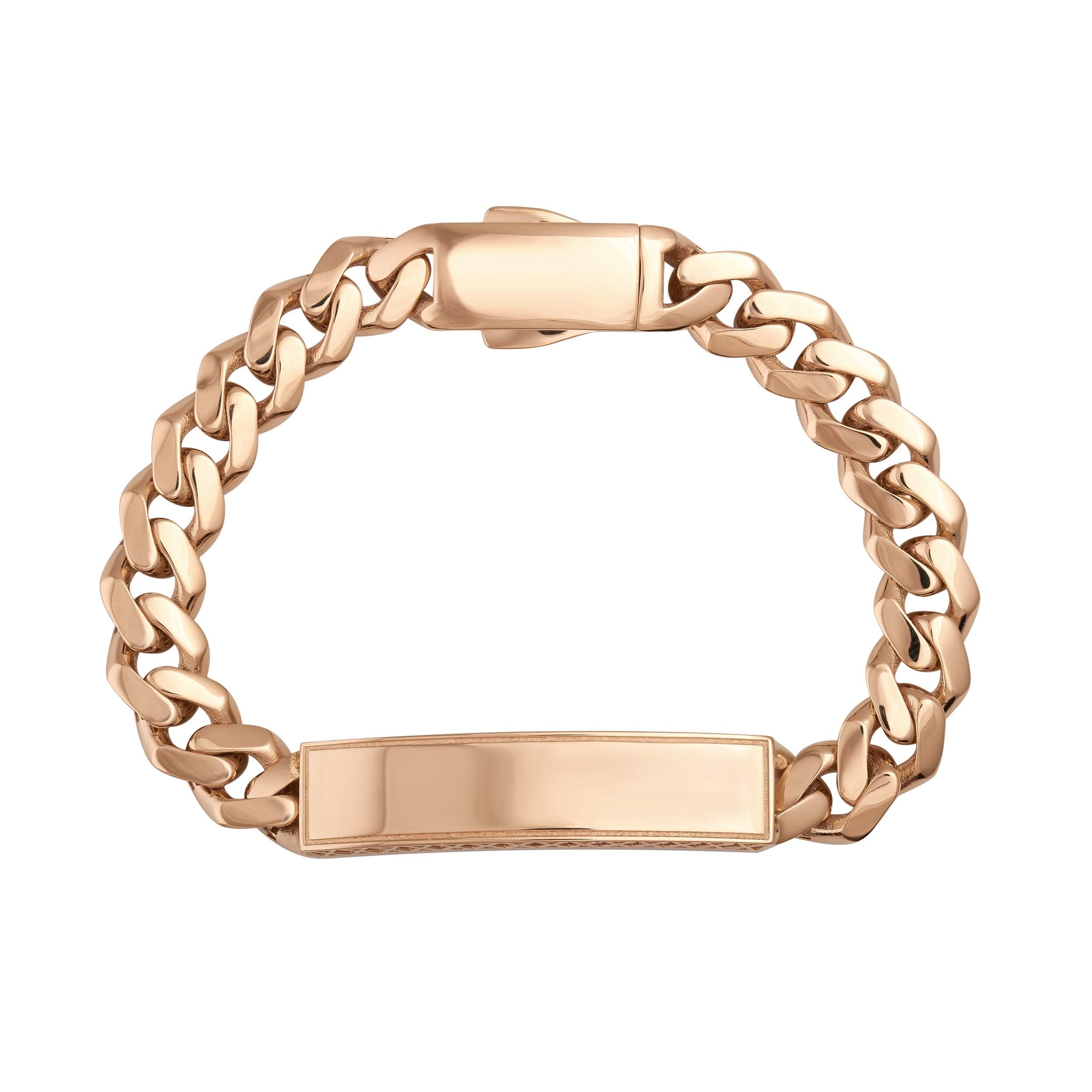
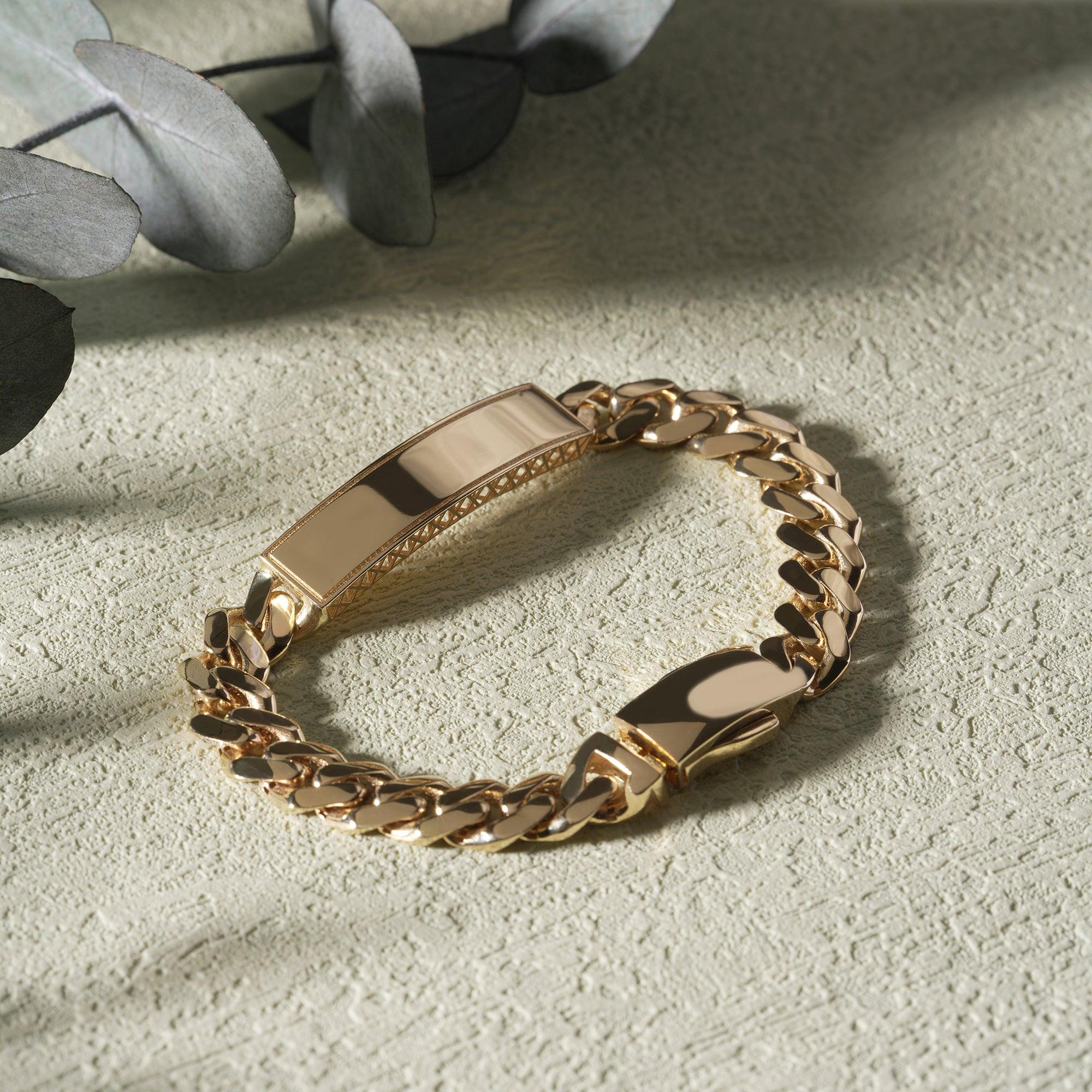
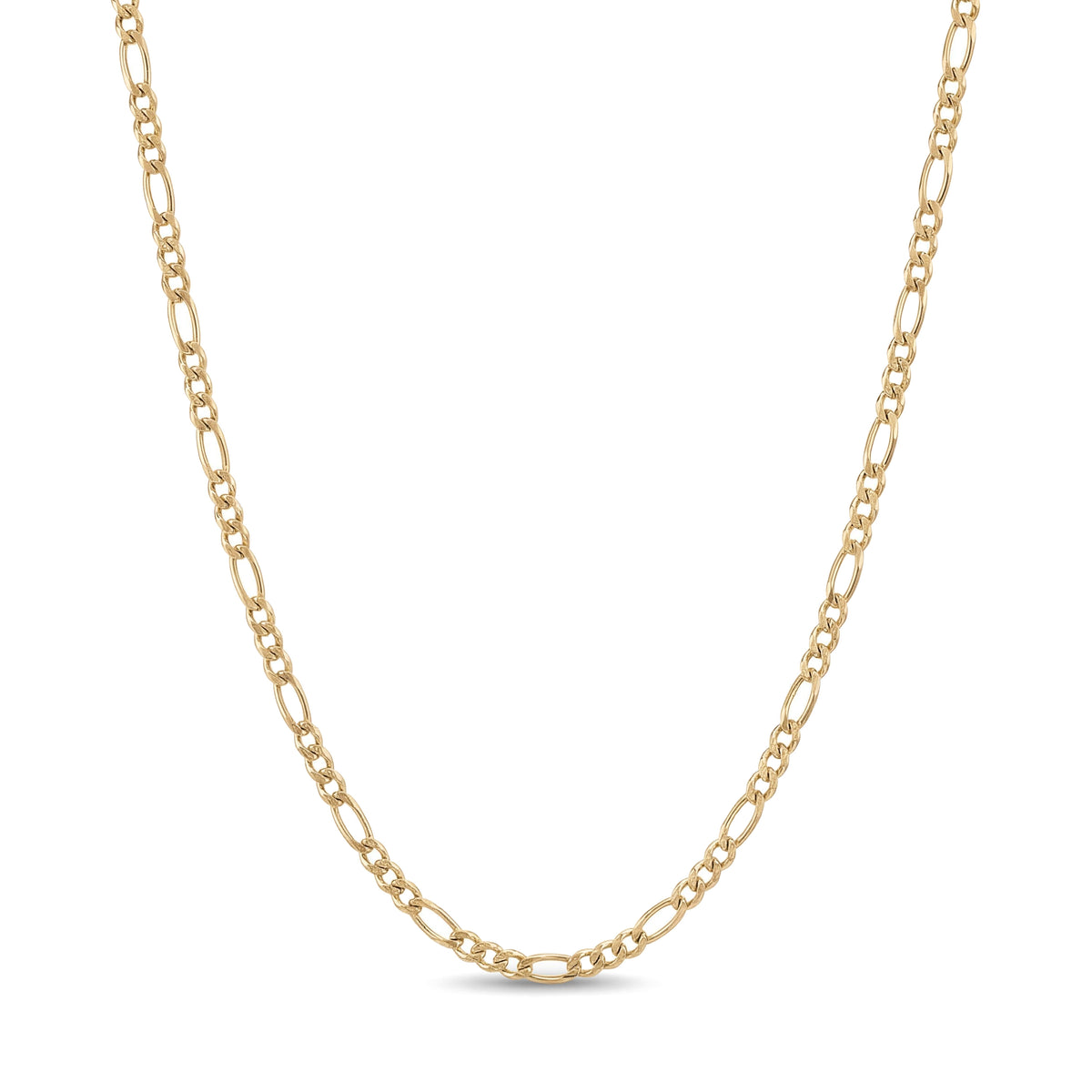
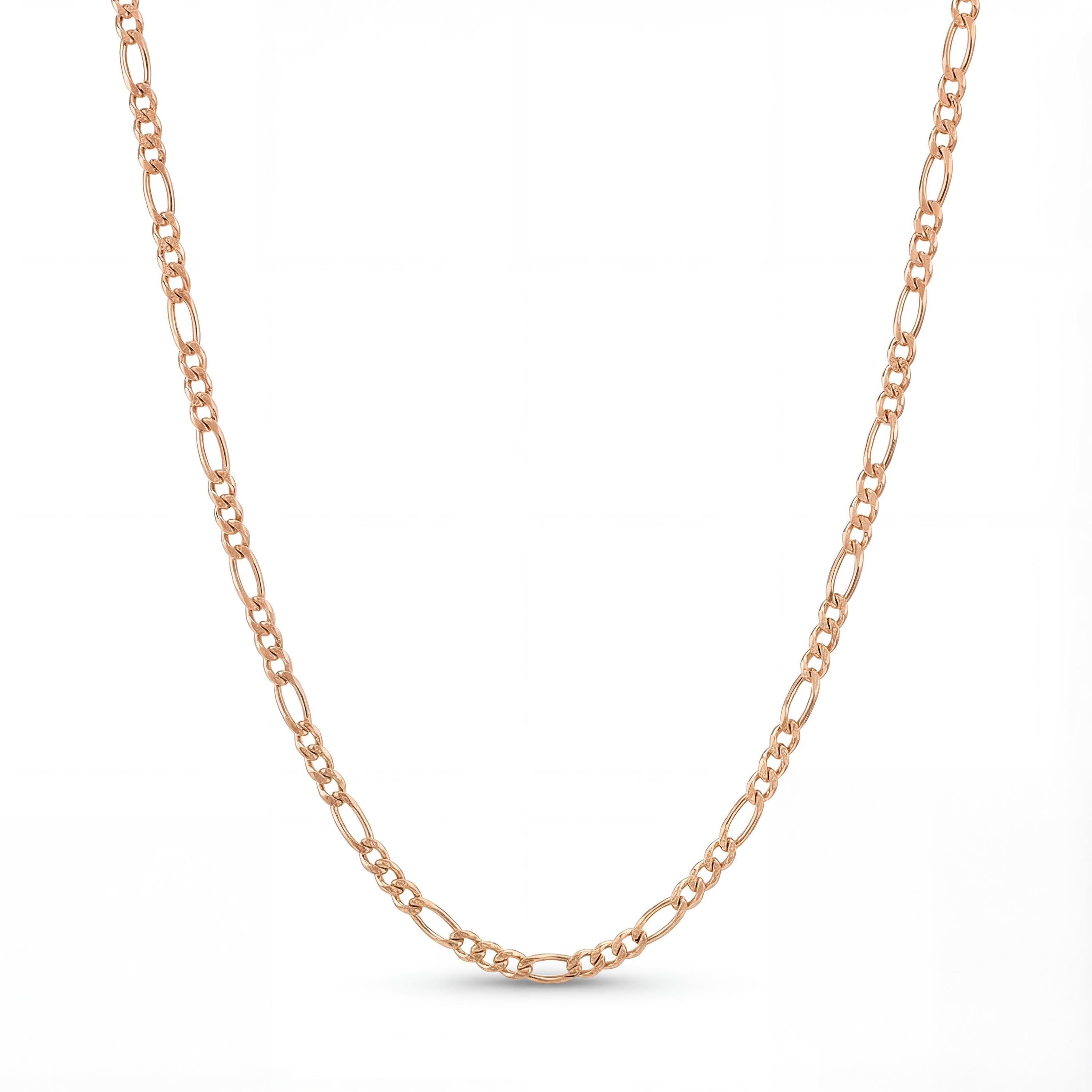
Choose 14K gold if you want jewelry that lasts a lifetime, never tarnishes, and can be repaired and restored. If you're buying a piece you plan to wear regularly, browse our necklace, earrings, ring, and bracelet collections.
Explore our full 14K gold collection →
Want to keep your gold pieces looking brand new? Read our at-home gold jewelry care guide for the simple routine that makes all the difference.





Share:
How to Layer Gold Necklaces Like a Pro | Golden Planet
How to Measure Ring Size at Home | 14K Gold Fit Guide