


An emerald gemstone is a rich green stone from the beryl family. It is the birthstone for May, and it has been prized for thousands of years. If you are wondering what makes it special, how to judge one, or what it costs, this guide answers all three.
The short version: color is king, tiny flaws are normal, and how a stone is treated matters more than most buyers expect. Here is what a jeweler looks at first.
- Emerald is the green form of beryl, and its color comes from trace elements in the crystal.
- Color counts most. Small internal marks are expected and are part of what the stone is.
- Emerald is hard but brittle, so a protective setting and gentle care keep it looking good.
What an emerald gemstone actually is
Emerald is a variety of the mineral beryl. Pure beryl is nearly colorless. Traces of chromium or vanadium inside the crystal turn it green.
The same mineral also gives us aquamarine, which is blue. Only the green form is called emerald. If the green is too pale, many labs and sellers call the stone green beryl instead.
Emerald has been mined for a very long time. Old sources trace it to ancient Egypt, and later to mines in Colombia, which are still famous today. Zambia and Brazil are also major sources now.
People connect emerald with spring, growth, and fresh starts. That is why it is the May birthstone and the traditional gift for a 35th wedding anniversary. Some also link it to the zodiac sign Taurus.
On the Mohs scale, emerald rates about 7.5 to 8. That is hard enough for daily wear. But most emeralds have small cracks inside, so a hard knock can chip one. We will come back to that in the care section.
How to judge emerald quality
Gem experts grade color, clarity, cut, and carat weight. For emerald, the order of importance is different from most stones. Color comes first by a wide margin.
Color
The best emerald has a strong, pure green with a slight blue tint. It should look vivid, not dark or grey. Stones that lean yellow or look washed out sell for much less.
Clarity
Almost every emerald has tiny internal features. Jewelers call them the "jardin," which is French for garden. A clean emerald with no marks at all is very rare. Buyers accept small marks as long as the stone looks bright and the marks do not cross the surface.
Cut and carat
The classic emerald cut is a rectangle with trimmed corners. Its long, flat steps show off color and protect the corners from chips. Round, oval, and pear shapes are also common. Bigger stones cost much more per carat when the color is good.

Real emerald vs fake: how to tell
Many buyers search for "real emerald vs fake." The honest answer is that a home test cannot settle it. A gem lab report is the only reliable proof.
Still, a few clues help you spot a problem before you buy:
- Too perfect. A large stone with no marks and a flawless color at a low price is a warning sign.
- Glass look. Glass imitations often show tiny round bubbles, which real emerald does not have.
- Weight. Ask for the stone's weight and size. A seller who will not share basic facts is not one to trust.
- Treatment notes. Honest sellers say if a stone is oiled. Nearly all natural emeralds are.
Oiling is a common, accepted step. Clear oil fills small surface cracks and makes the stone look clearer. It is not a flaw, but it should be disclosed.
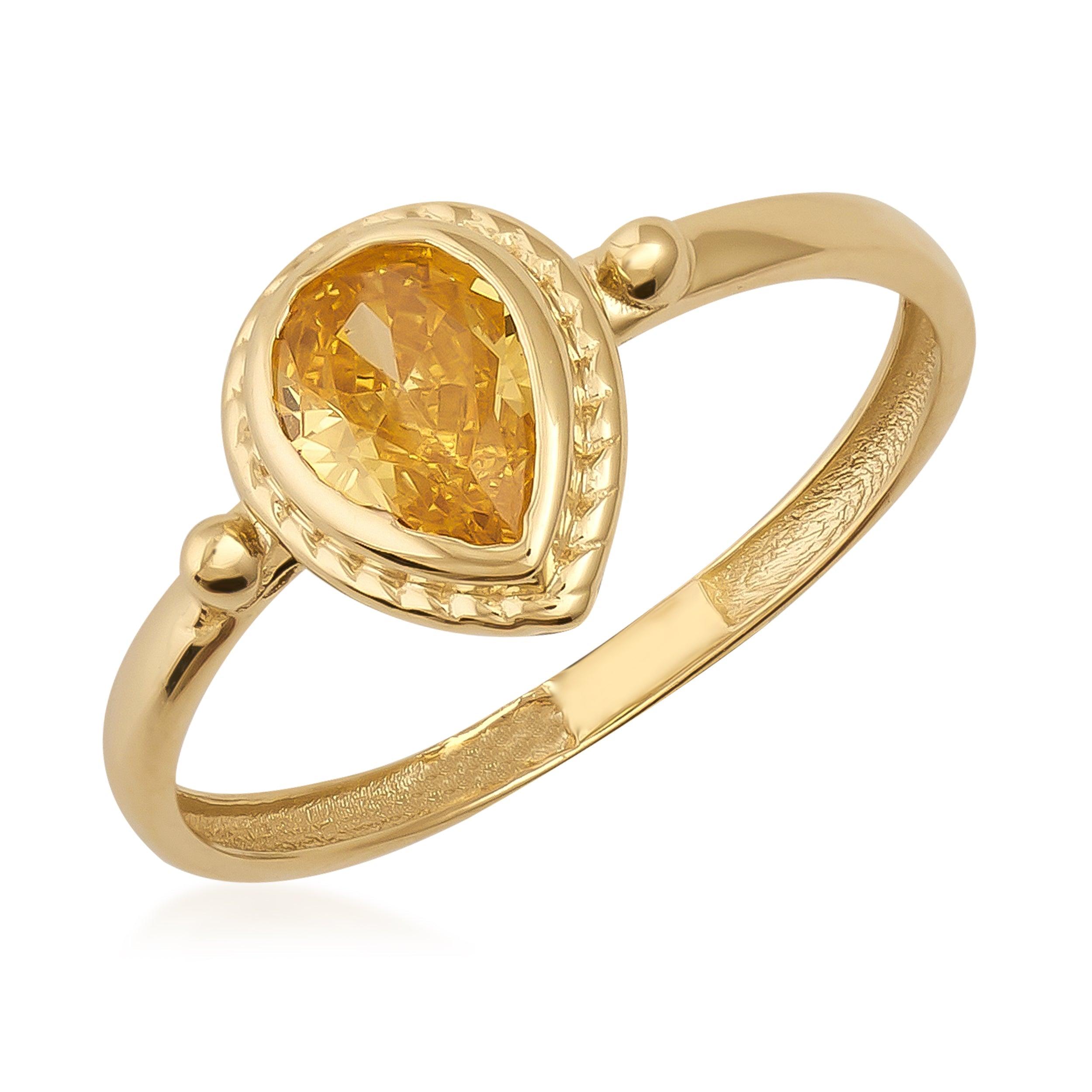
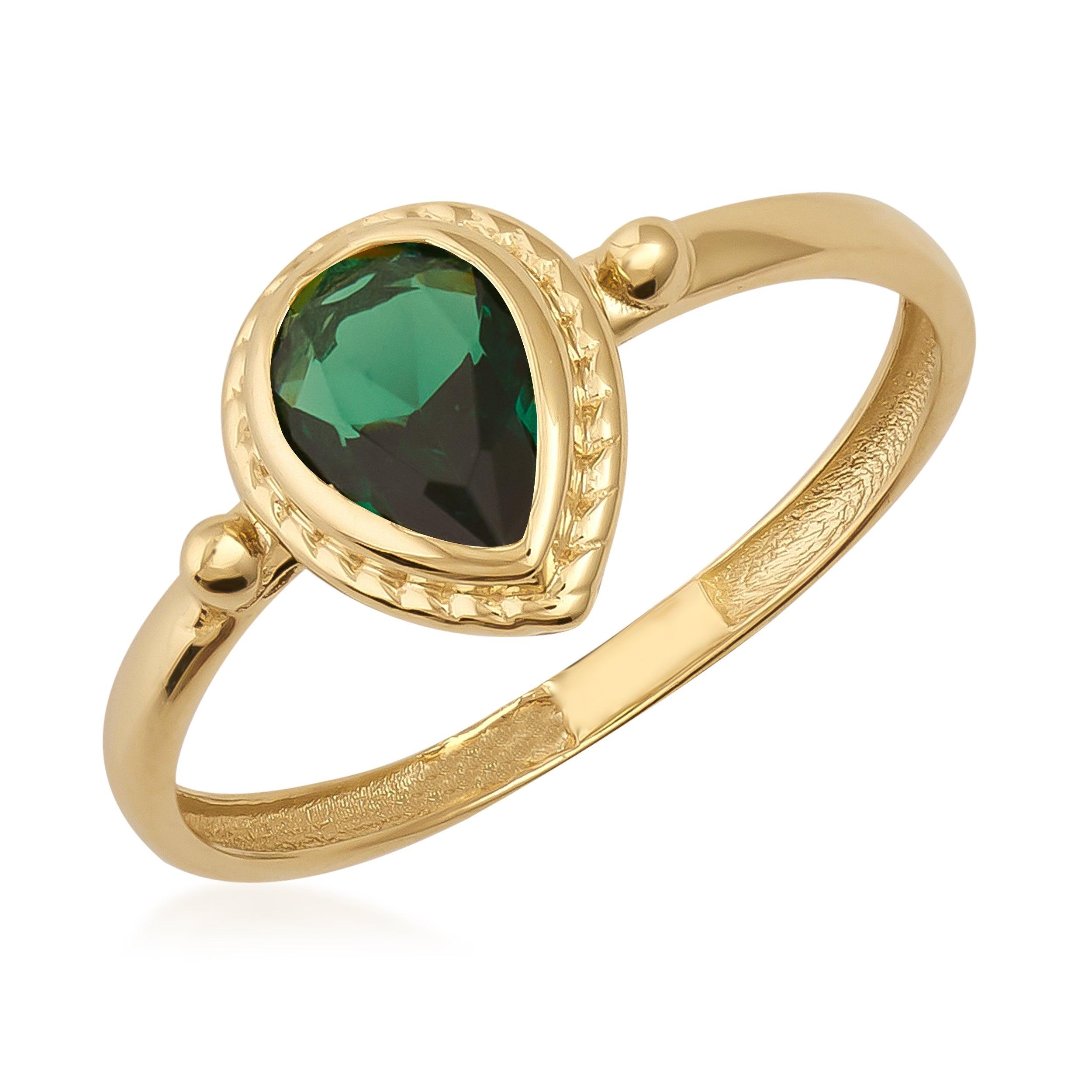
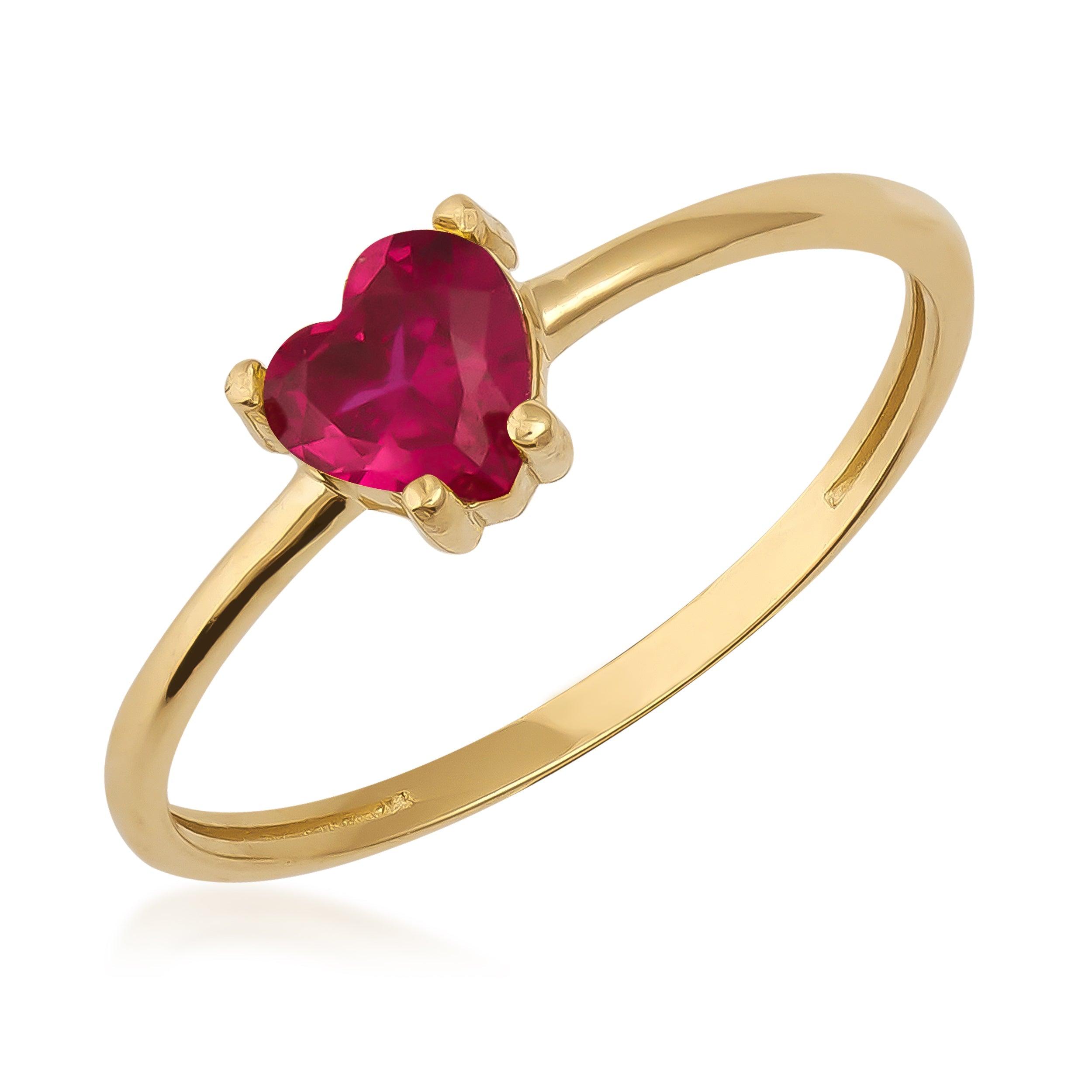
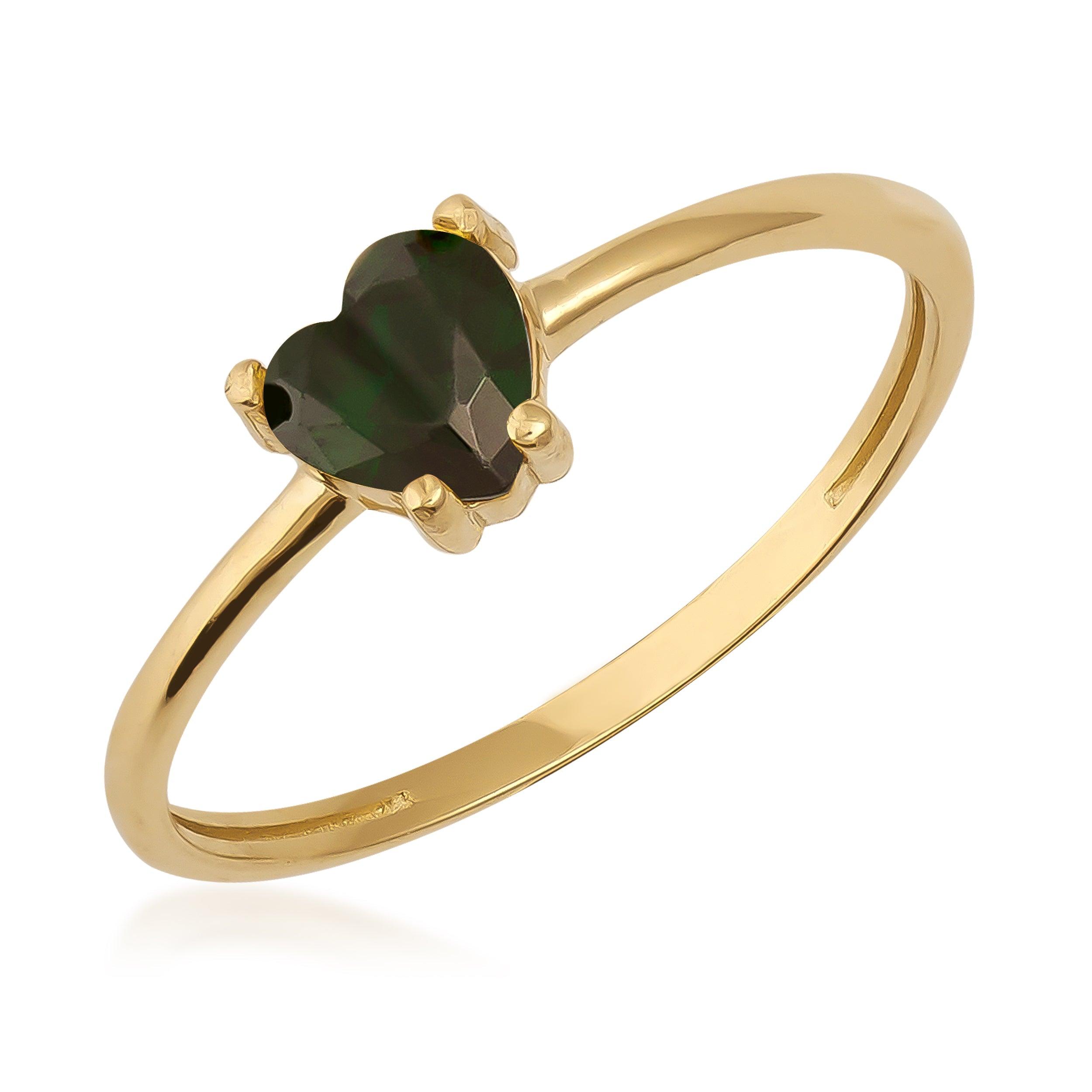
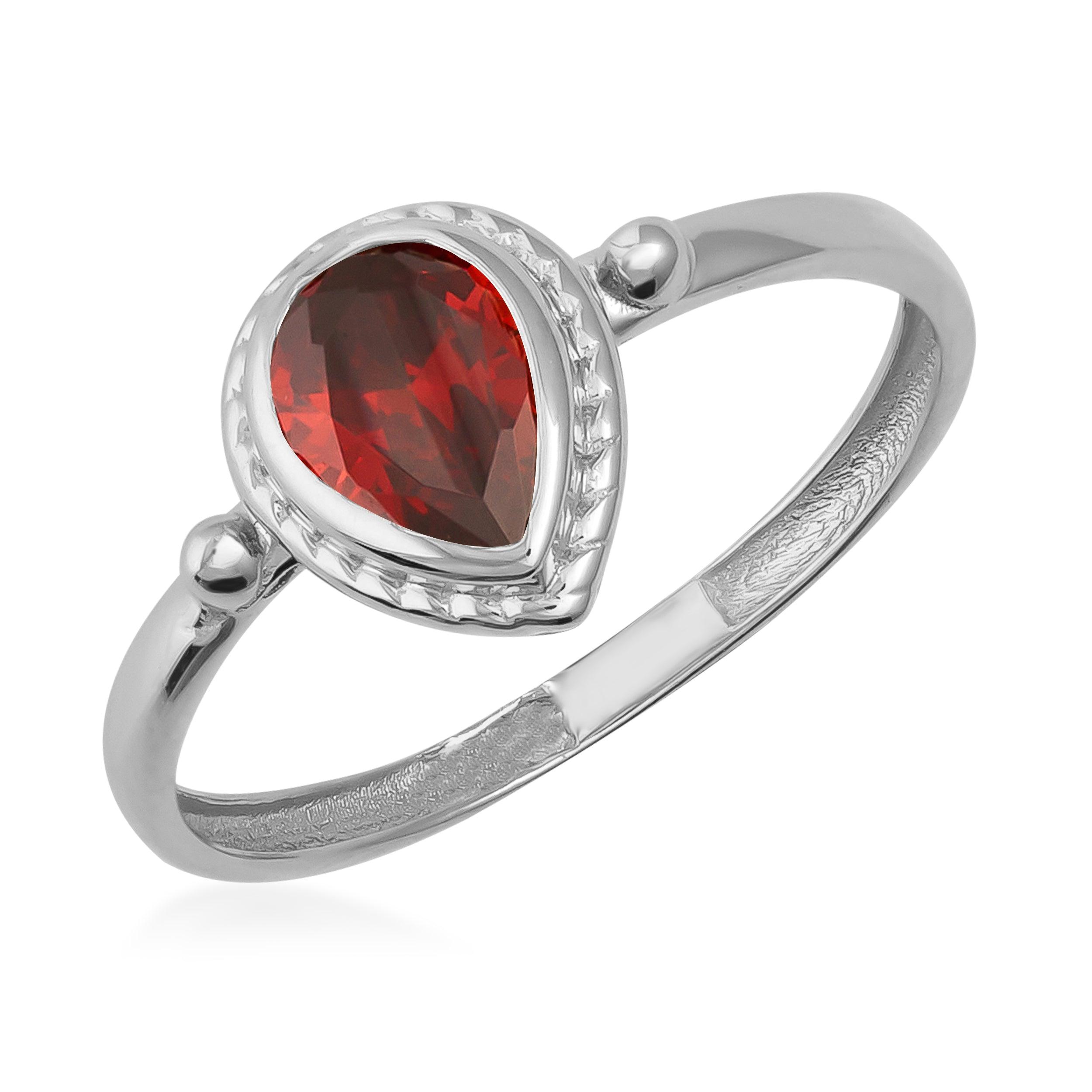
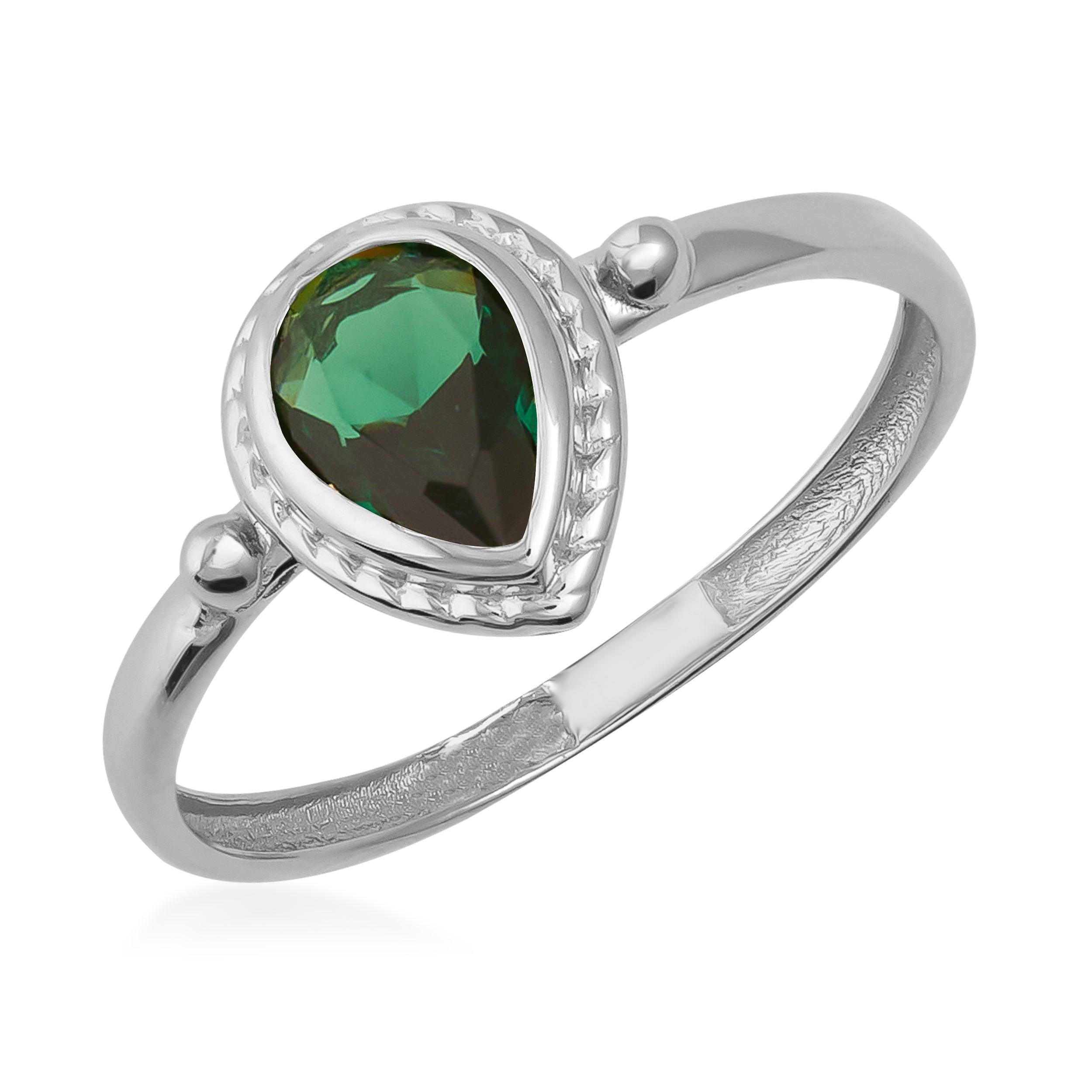
At Golden Planet, our emerald-green pieces use cubic zirconia or other simulated stones. They give you the deep green look in solid 14K gold at a friendlier price, and we describe them plainly as simulated.
What drives emerald price
A natural emerald gemstone can cost anywhere from a few dollars to tens of thousands per carat. Color and clarity drive most of that gap. Origin and size add more.
| Factor | Raises price | Lowers price |
|---|---|---|
| Color | Vivid, pure green | Pale, yellow, or grey |
| Clarity | Few visible marks | Cracks reaching the surface |
| Treatment | None or minor oil | Heavy filling |
| Size | Over 2 carats with good color | Small or thin stones |
Because good natural stones get costly fast, many shoppers choose simulated emerald-green stones for everyday pieces. You get the color without the risk of chipping a very expensive gem.
Emerald vs other green stones
Green stones are easy to mix up. Peridot is lighter and more yellow-green. Tourmaline comes in many greens, from mint to forest. Garnet can also show green in rare forms.
Emerald usually looks deeper and more velvety than these. It also shows those tiny internal marks, while peridot and tourmaline are often cleaner to the eye.
If you want the look of emerald on a smaller budget, a simulated green stone is a smart pick. It gives you the same rich color in a setting built for daily wear. You also skip the worry of oil loss or chips that comes with fragile natural stones.
Try holding the piece near your skin tone before you decide. Green with a blue tint tends to flatter cool skin, while yellow-green suits warm tones.
Best ways to wear emerald in jewelry
Emerald green looks striking against yellow gold. The warm metal makes the green look deeper. White and rose gold work too, but yellow is the classic pairing.
A few styles stand out:
- Solitaire pendant. One green stone on a fine chain is easy to wear every day.
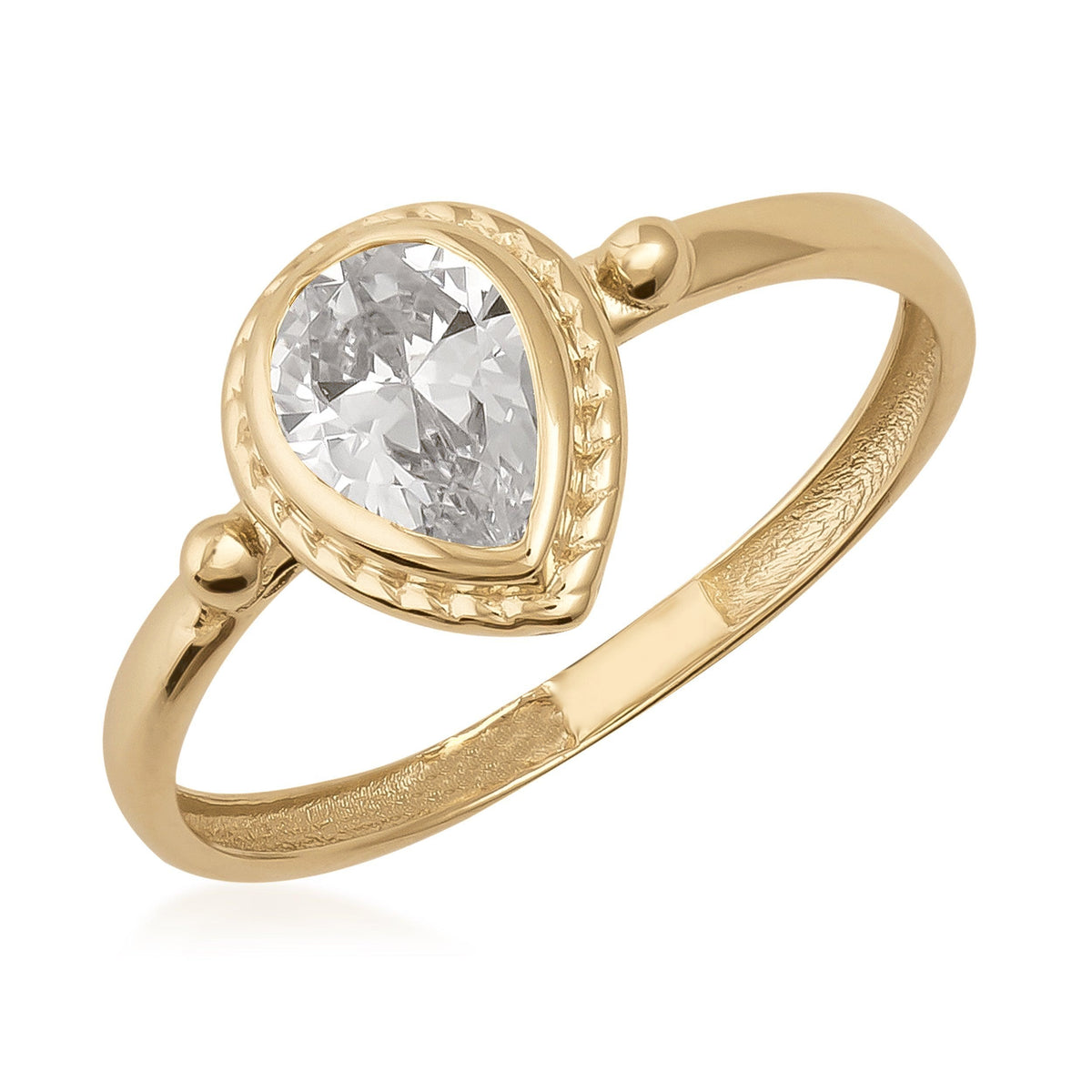
- Emerald gemstone ring. A bezel setting wraps the edge in metal and protects the corners.
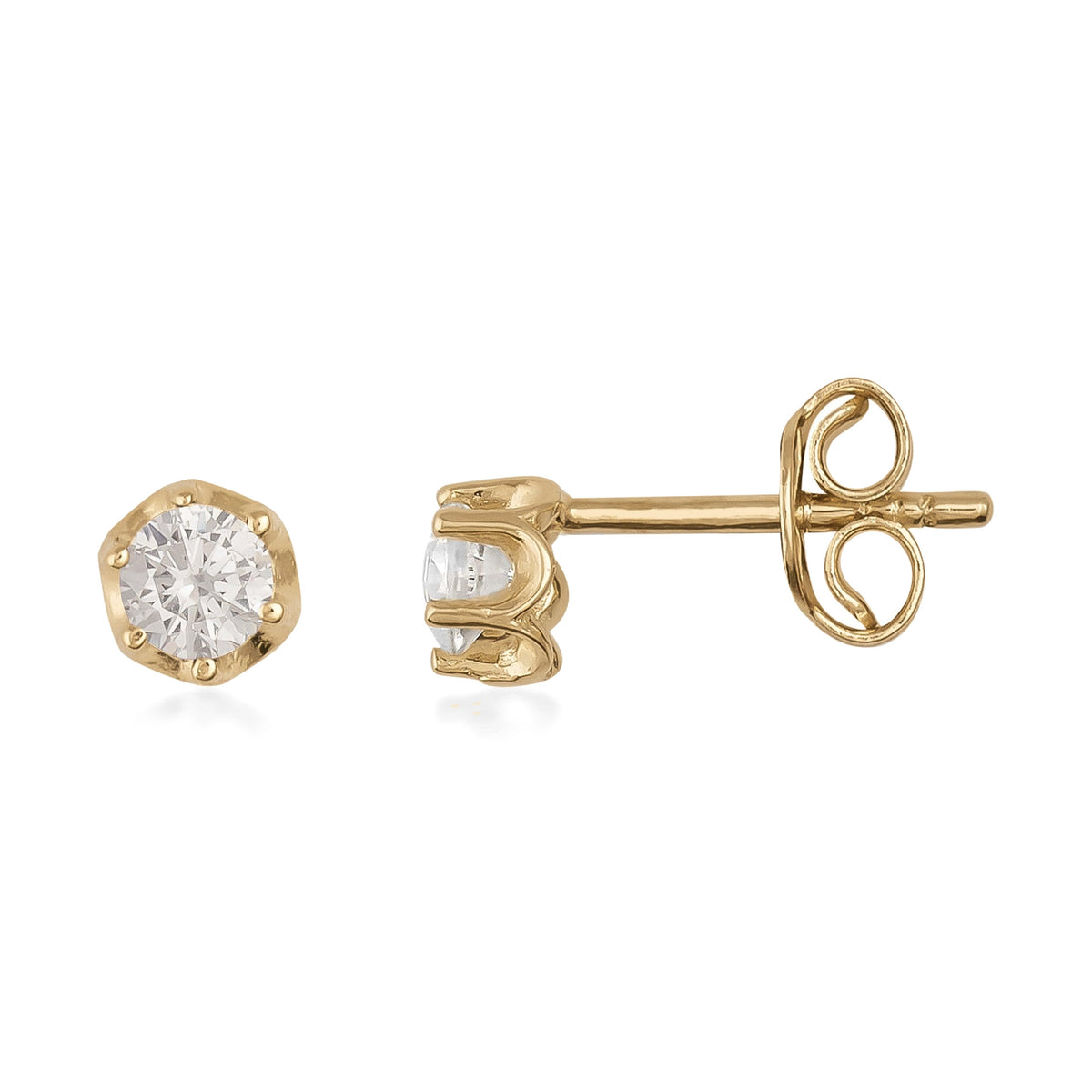
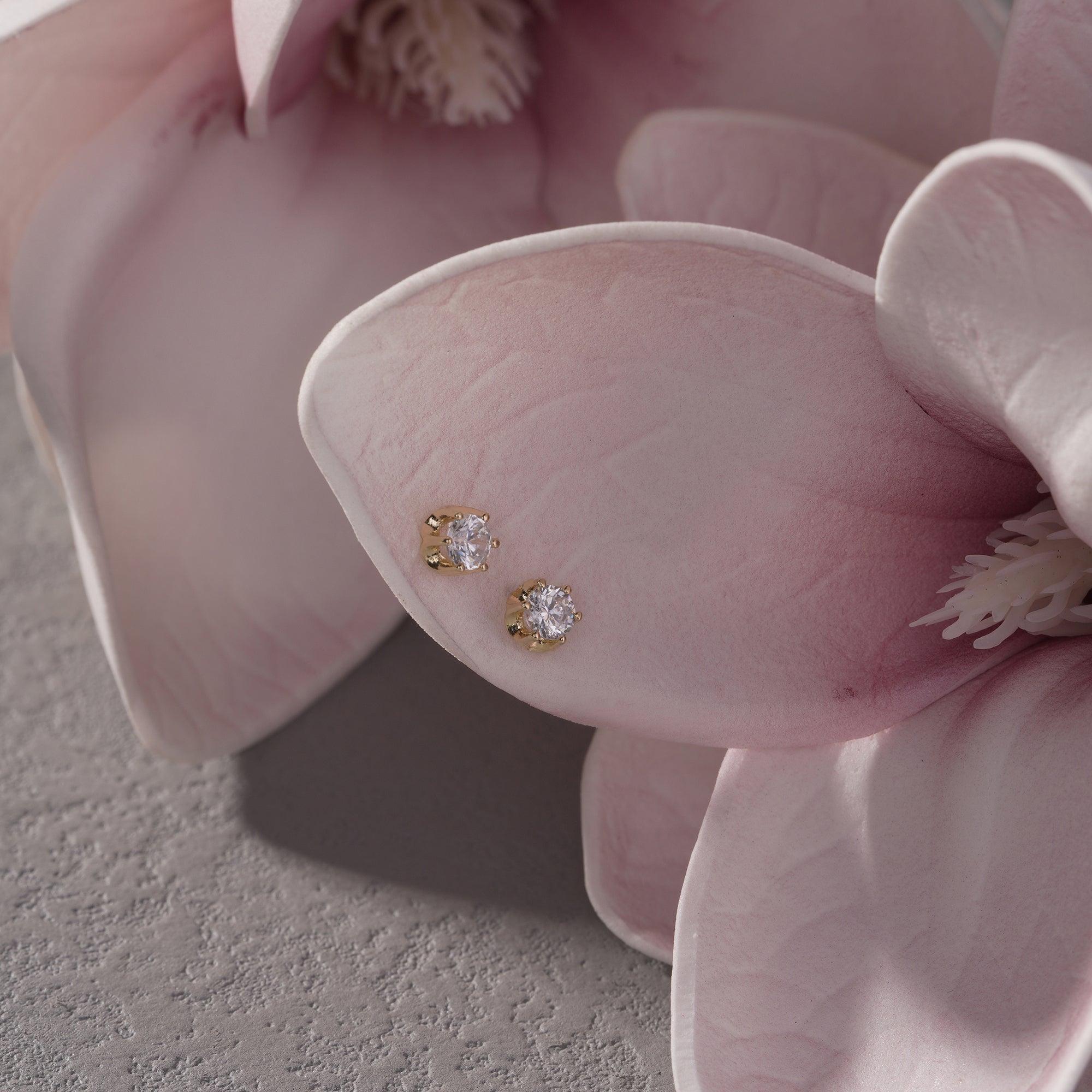
- Stud earrings. Small green studs sit far from daily bumps, so they are a low-risk choice.
- Stacked bracelets. A single green accent among plain gold links adds color without shouting.
Pick the setting first if you use your hands a lot. Protective settings matter more than any other design choice for a stone that can chip.

How to care for emerald
Emerald needs gentler care than harder stones. The oil in the cracks can wash out, and the stone can chip on a sharp blow.
Follow these simple habits:
- Wipe the piece with a soft, damp cloth after wearing it.
- Skip harsh cleaners and strong soaps, which can pull oil from the stone.
- Take rings off before workouts, cleaning, and gardening.
- Store each piece in its own soft pouch so nothing scratches it.
The gold itself needs care too. Our step-by-step guide on how to clean 14K gold jewelry at home covers the metal side. Just keep the stone out of any soaking step.
Frequently Asked Questions
Is emerald an expensive gem?
It can be. Fine natural emeralds with vivid color and few marks rank among the costliest colored stones per carat. Paler or heavily marked stones cost much less. Simulated stones give a similar look for far less.
What birth month is emerald?
Emerald is the birthstone for May. It is also the traditional stone for a 35th wedding anniversary.
Who should wear an emerald stone?
Anyone who loves green. It is a natural choice for people born in May and for Taurus fans. It also suits anyone who wants a bold color against gold.
What is special about emerald stones?
Their deep green color is the main draw. Emerald is also known for tiny internal features that give each stone its own look. Few gems have such a strong link to one color.
Can you wear emerald every day?
Yes, with care. Choose a protective setting, remove rings during rough tasks, and avoid harsh cleaners.
The Bottom Line
Judge an emerald gemstone by its color first, accept small internal marks, and protect the stone with a smart setting. Whether you pick a natural gem or a simulated green stone, the same care habits apply.
Ready to add a little green to your collection? Browse our Gold Earrings collection to find a pair that suits you.




Share:
Gold Chain Thickness: mm Chart and How to Choose
Gold Jewelry Repair: What Can Be Fixed and What It Costs