

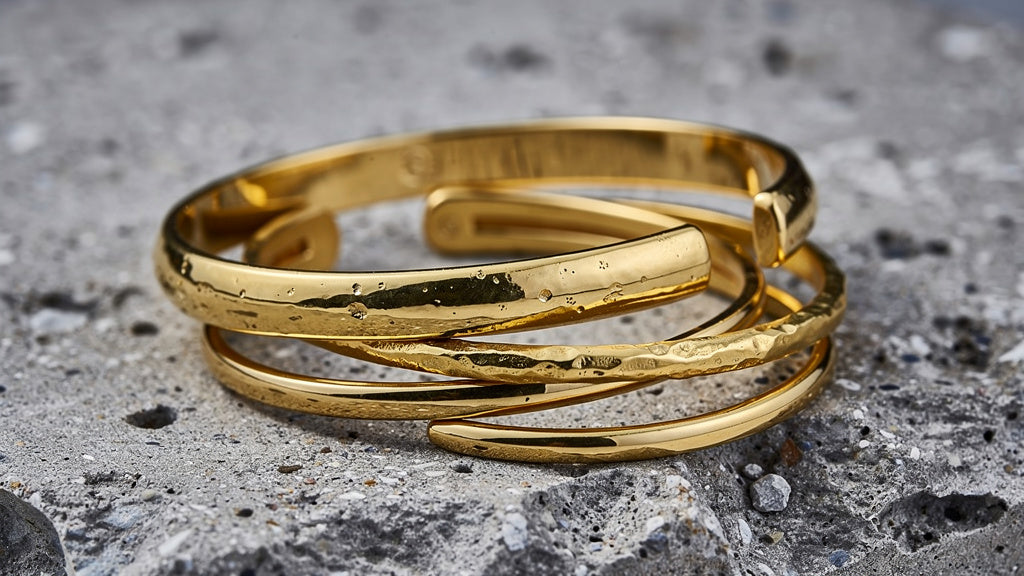
If you're browsing 24k gold bracelets for women's jewelry boxes, you've probably noticed two things fast. The color runs richer than anything else in the case, and the price climbs right along with it. That's because 24K gold is close to pure gold, with almost none of the alloy metals that make cheaper pieces tougher.
Pure gold is soft. It scratches, bends, and dents more easily than a bracelet cut with other metals. This guide walks through what 24K really means, what it costs, and when a lower karat actually serves you better day to day.
None of that makes 24K a bad choice. It just means the bracelet you pick should match how you actually plan to wear it, not just how it looks in the case.
- 24K gold is 99.9% pure, which gives it the deepest color but the softest metal of any karat.
- Because pure gold bends and scratches easily, most 24K gold bracelets for women's collections suit special occasions more than daily wear.
- 14K gold (58.5% pure) keeps real gold's warmth while standing up to daily life, which is why most fine jewelers build everyday pieces from it.
24K Gold Bracelets for Women's: What Makes Them Different
Gold purity is measured in karats, out of 24 total parts. 24K means 24 out of 24 parts gold, or 99.9% pure. Nothing else is added to strengthen it.
That purity is exactly what gives 24K its deep, warm color. It's also why the metal is soft enough to mark with a fingernail. Jewelers describe it as "buttery" — easy to shape, easy to dent.
Many shoppers hunting for a 24k pure gold bracelet want that unmistakable color and the reassurance of near-total purity. Fewer realize how much the softness changes daily wear. If you're ever unsure whether a piece is genuinely pure, our guide to telling real gold from fake covers the basics.
A genuine piece should carry a hallmark stamp somewhere on the clasp or band, usually reading "999" or "24K." That stamp is the fastest way to confirm purity before you buy, whether you're shopping in person or online.
24K vs. Other Gold Karats
Karat only measures purity, not quality. A well-made 14K bracelet isn't "lesser" than a 24K one — it's built for a different job.
| Karat | Gold Purity | Best For |
|---|---|---|
| 10K | 41.7% | Budget pieces, heavy daily wear |
| 14K | 58.5% | Everyday jewelry that needs to last |
| 18K | 75% | Richer color, occasional wear |
| 22K | 91.6% | Traditional and ceremonial pieces |
| 24K | 99.9% | Investment pieces, special occasions |
Notice the jump past 18K. Durability drops fast while softness climbs, which is exactly why most fine jewelry sits at 14K or 18K instead of higher.

Pros and Cons of 24K Gold Bracelets
The upside is real. 24K doesn't tarnish, and the color is richer than any lower karat gold. For collectors and gift-givers, that purity carries weight on its own.
The downside shows up fast on a bracelet, since it takes more knocks than a ring or a pair of earrings tucked away most of the day. Clasps bend. Links stretch. Surfaces pick up scratches within weeks of daily wear.
Price is the other factor. You're paying for almost pure gold with barely any filler metal. That pushes 24K bracelets well above 14K or 18K at the same weight.
So how much is a 24k gold bracelet worth? Close to the day's gold spot price. Almost no alloy dilutes it, so the weight in grams tells you most of the value.
Popular 24K Bracelet Styles
Most 24K pieces stick to simple shapes, because pure gold doesn't hold intricate detail well. A few styles show up again and again.
The 24k gold bangle bracelet is the most common shape. It's a solid, rigid circle with no clasp to stress, which suits gold's softness better than a chain does.
A 24k gold cuff bracelet is the other classic choice — open-backed, it slides on without a clasp and adjusts slightly to fit. Chain-link 24K bracelets exist too, but they're the most prone to stretching over time.
Men shopping the same case often search for 24k gold bracelets for men, and the purity math is identical. Only the width and styling usually change.
24K also carries deep cultural roots. In many South Asian and Middle Eastern traditions, high-karat gold bracelets are given at weddings and milestone celebrations, chosen specifically for their purity rather than their toughness. That tradition is part of why 24K pieces are often sized and gifted, not worn in rotation.
Caring for a 24K Gold Bracelet
Take it off before the gym, the pool, or any task that involves your hands bumping into things. Soft gold picks up scratches from everyday friction that a sturdier piece would shrug off.
Store it flat and separate from other jewelry, ideally in a soft pouch. Letting a 24K bracelet rattle around a drawer with other pieces is the fastest way to dent it.
Because so much of its value sits in the gold weight itself, it's worth checking whether your home or renters insurance covers it separately. A quick photo and a note of the weight makes that conversation easier if you ever need it.
Wipe it with a soft, dry cloth after wearing. Skip harsh cleaners or ultrasonic machines built for harder metals, since they can speed up wear on something this soft. Our guide to cleaning 14K gold jewelry at home covers gentler methods that work for softer karats too.

24K vs. 14K: Which Fits Your Daily Life
Here's the honest trade-off. 24K gold bracelets for women's jewelry collections win on color and purity. 14K wins on everything you actually do while wearing it.
At 58.5% gold, 14K keeps the warmth and shine people want from real gold. The added alloy makes it far more resistant to bending, scratching, and stretching, which are the exact problems that shorten a 24K bracelet's life.
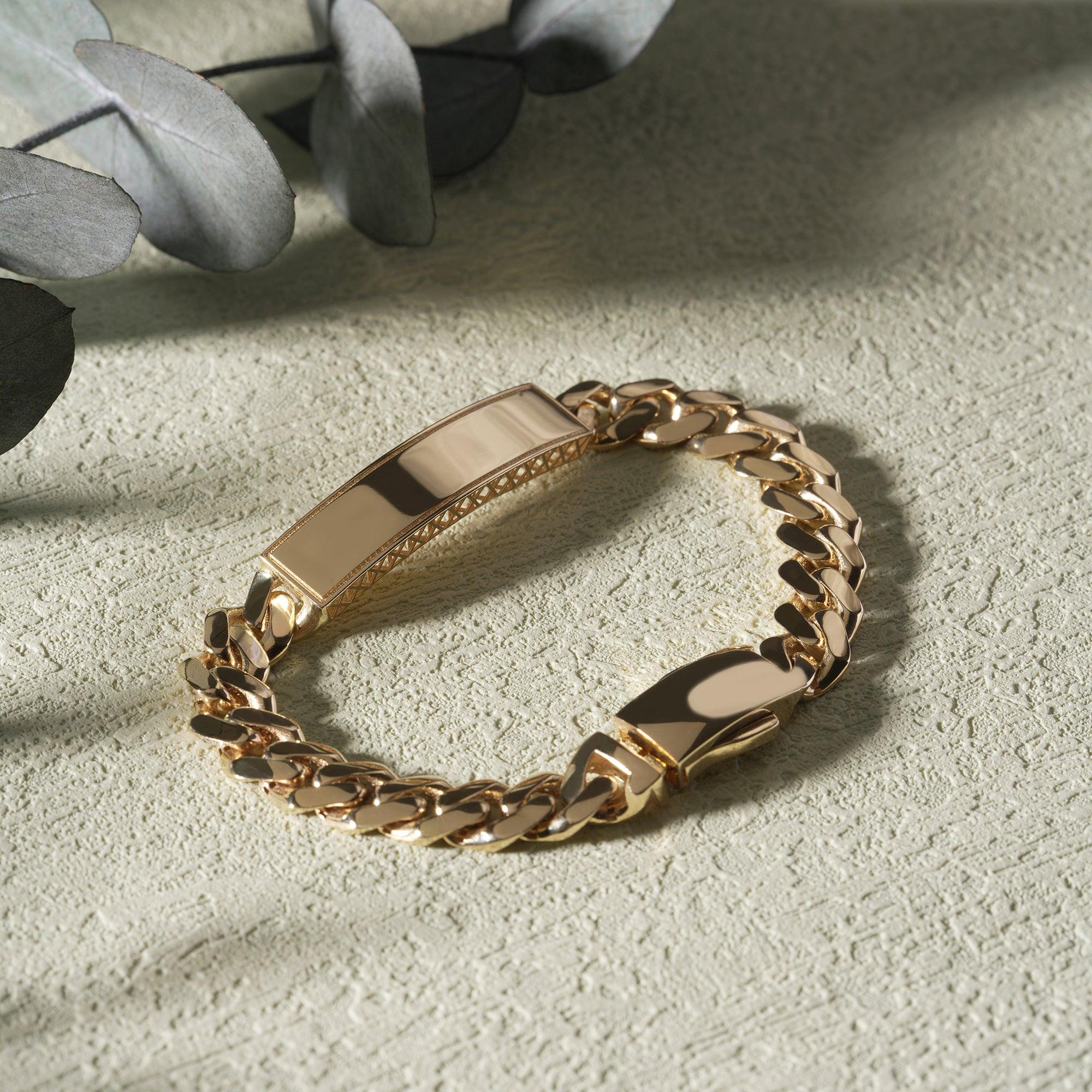
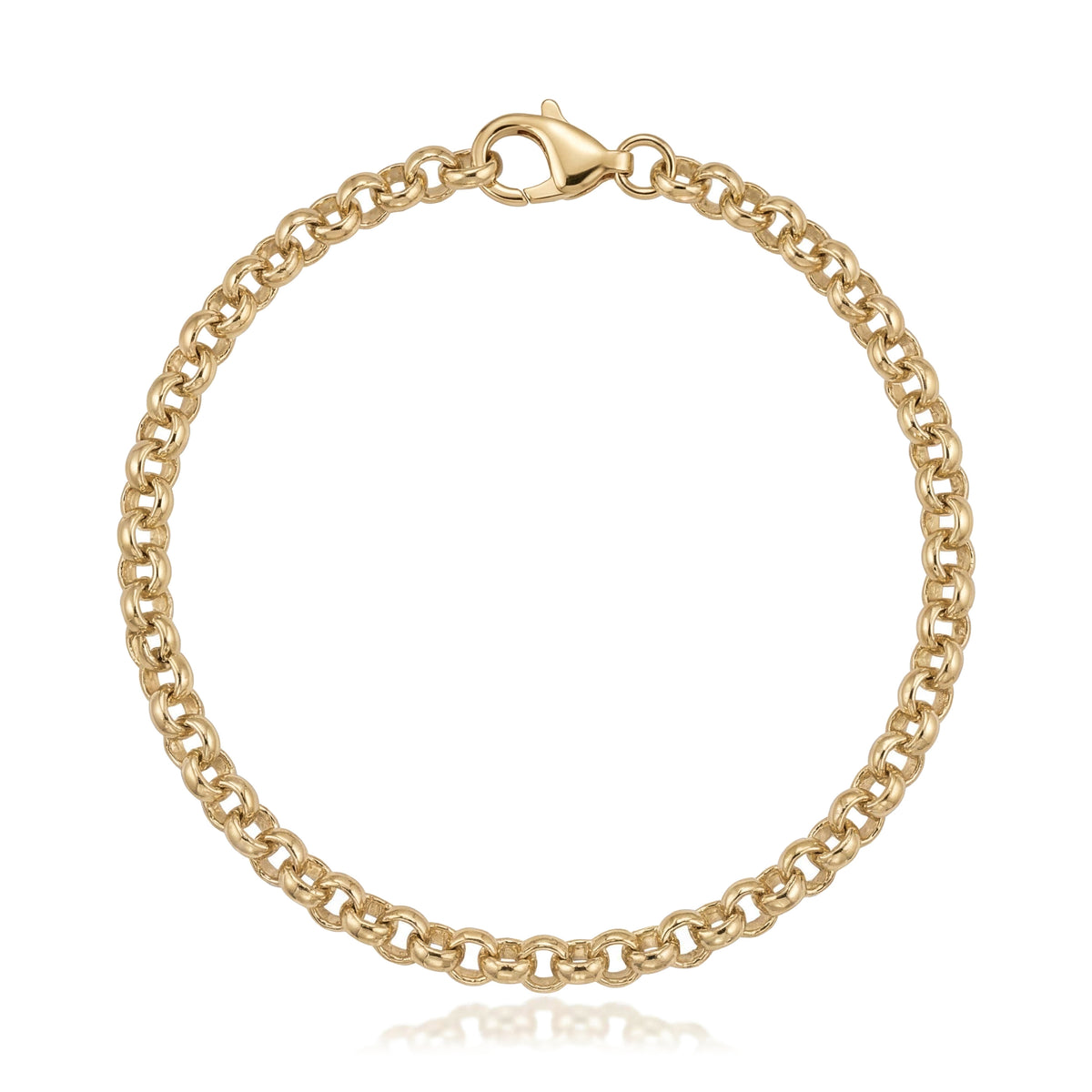
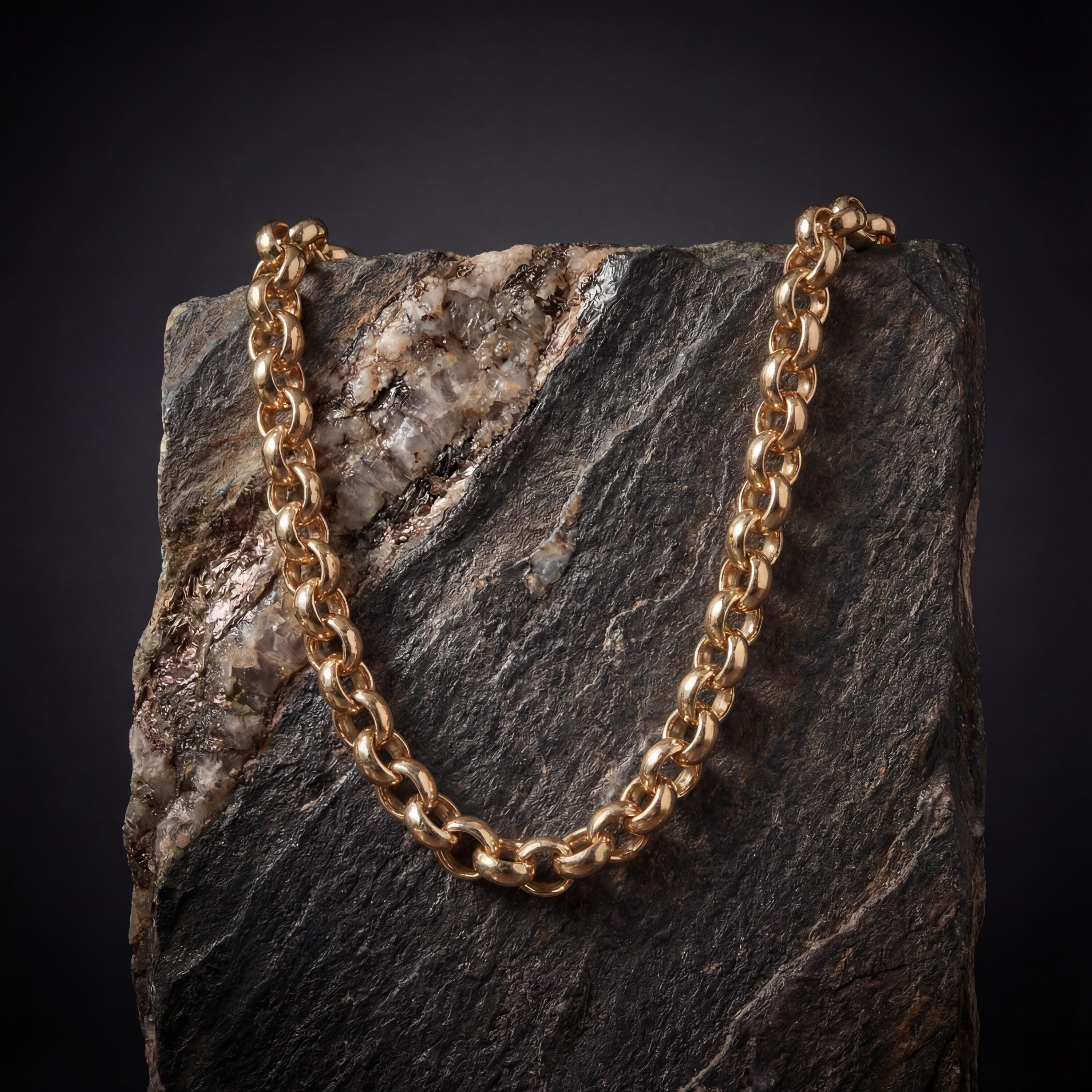
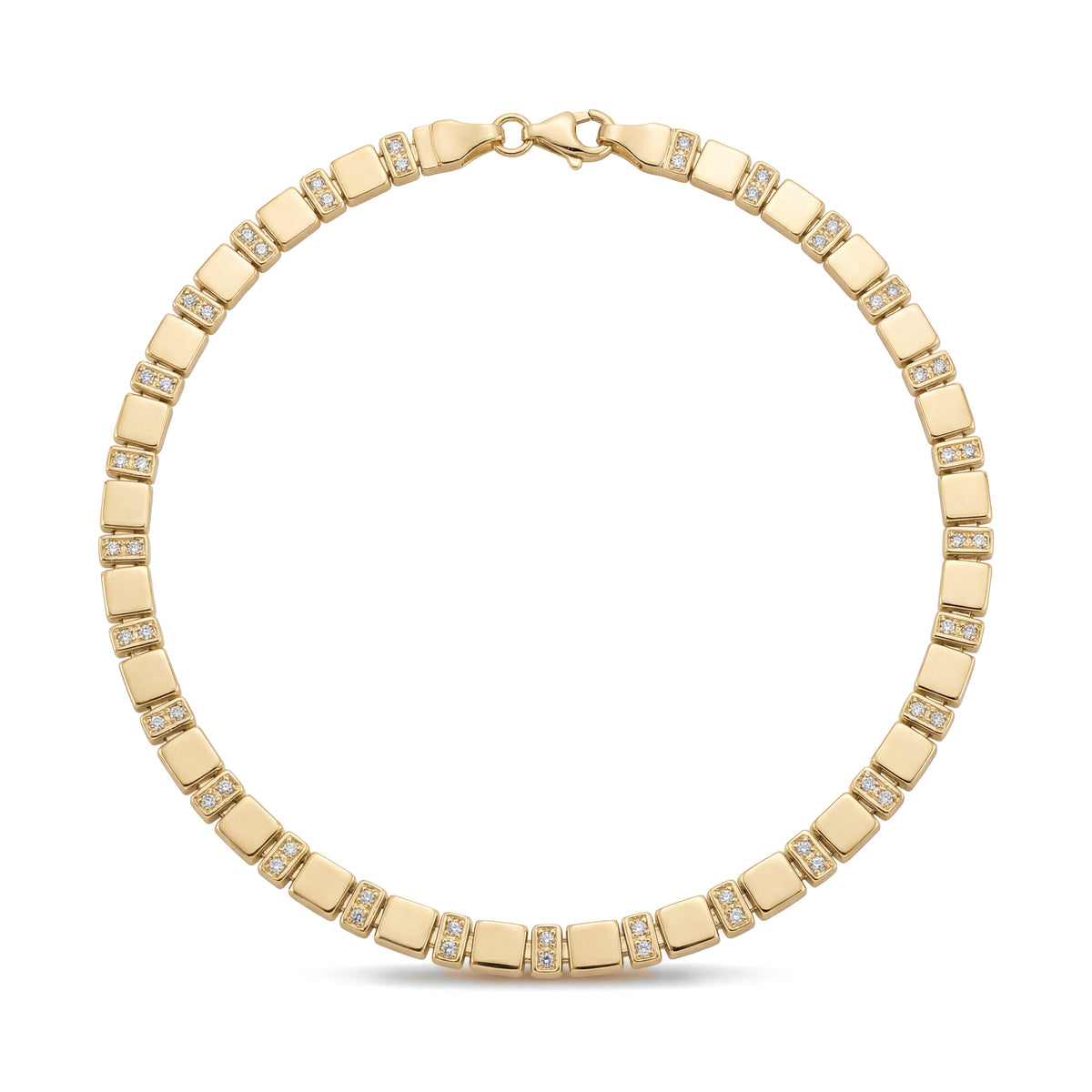
At Golden Planet, every bracelet is solid 14K gold, made to order and shipped from New York for US orders, or from Istanbul, Turkey for all others. It's built for the bracelet you actually forget you're wearing, through typing, carrying bags, and everyday hand-washing.
If a special-occasion 24K piece calls to you, buy it and treat it like the investment it is. For the bracelet in daily rotation, 14K is almost always the smarter call.
Frequently Asked Questions
Is 24k gold worth buying?
Yes, if you understand what you're buying. You're paying for near-pure gold value and rich color, not everyday durability. It suits collectors, gifts, and special-occasion pieces more than a bracelet worn all day, every day.
Why don't jewelers sell 24k gold?
Many do, but far fewer build bracelets and rings from it. Pure gold is too soft to hold a clasp or setting under daily stress, so most fine jewelry uses 14K or 18K gold blended with stronger metals instead.
Can I wear 24k gold everyday?
You can, but it won't stay smooth for long. Pure gold scratches and dents from ordinary daily friction, so most people save 24K pieces for special occasions and reach for 14K for daily wear.
Where is the best place to buy gold bracelets?
Look for a jeweler who states the karat and gold content clearly and stands behind the craftsmanship. Solid 14K gold, made to order, is a reliable starting point for a bracelet built to handle daily wear.
What's the difference between 24K and 14K gold bracelets?
24K is 99.9% pure gold with the richest color and the softest metal. 14K is 58.5% gold blended with stronger alloys, trading a little color depth for real everyday durability.
The Bottom Line
24K gold bracelets for women's collections are beautiful, pure, and genuinely valuable, just not built for the wear and tear of daily life. If you want that same warm gold color in a bracelet that can handle your actual day, solid 14K is the practical choice.
Browse our 14K Gold Bracelets collection for pieces made to order and shipped from New York for US orders, or from Istanbul, Turkey for all others.





Share:
Gold Cross and Chain Women's Necklace Guide
How to Polish Copper Jewelry: Easy At-Home Method